
Abdominoplasty in Moradabad: Complete Guide by Dr. Anil Rajput at Jigyasa Hospital
Carrying excess, sagging skin around the abdomen after pregnancy, major weight loss, or simply as a result of ageing can affect much more than the way clothes fit. It can chip away at confidence, make regular exercise uncomfortable, and in some cases even lead to skin irritation, rashes, or back discomfort caused by an unsupported abdominal wall.
For residents of Moradabad and the surrounding towns of Western Uttar Pradesh, travelling to Delhi or other metro cities for a procedure like abdominoplasty is no longer necessary.
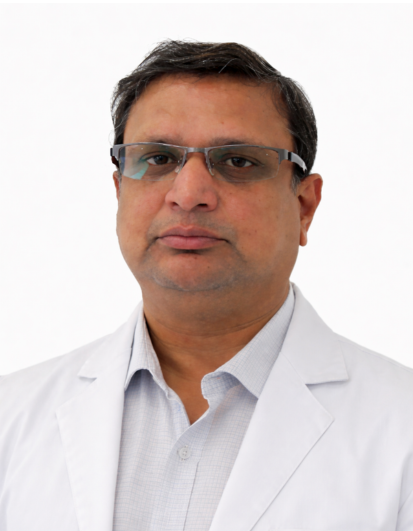
Jigyasa Hospital, Moradabad, offers abdominoplasty (commonly known as a "tummy tuck") under the care of the hospital's plastic surgery team, led by Dr. Anil Rajput, bringing specialised body-contouring surgery closer to home.
What Is Abdominoplasty?
Abdominoplasty is a surgical procedure that removes excess skin and fat from the abdomen and, in most cases, tightens the underlying muscles that have become stretched or separated. The goal is a firmer, flatter, and smoother abdominal contour that diet and exercise alone often cannot achieve once the skin has lost its elasticity.
It's important to understand what abdominoplasty is not. It is not a weight-loss procedure, and it is not a substitute for a healthy lifestyle. Rather, it is a body-contouring surgery best suited to people who are already close to a stable, healthy weight but are left with loose skin, a protruding lower abdomen, or weakened abdominal muscles that exercise cannot correct.
Common Reasons People Consider a Tummy Tuck
At Jigyasa Hospital, Dr. Anil Rajput and the surgical team see patients from a wide range of backgrounds who are considering abdominoplasty for reasons such as:
- • Post-pregnancy changes: Pregnancy stretches the skin and abdominal muscles significantly. Even after a woman returns to her pre-pregnancy weight, the skin may remain loose and the abdominal muscles can remain separated, a condition known as diastasis recti.
- • Significant weight loss: People who have lost a large amount of weight, whether through diet, exercise, or bariatric surgery, are often left with excess, hanging skin that cannot retract on its own.
- • Ageing and loss of skin elasticity: As skin loses collagen and elastin over the years, it becomes less able to "snap back," leading to sagging around the midsection.
- • Hereditary factors: Some people are simply predisposed to carrying fat and loose skin in the abdominal area regardless of body weight.
- • Previous abdominal surgery: Scarring or muscle weakness from an earlier surgery (such as a caesarean section) can sometimes be improved as part of an abdominoplasty.
Types of Abdominoplasty Offered
Not every patient needs the same operation. Part of the initial consultation with Dr. Anil Rajput involves a physical examination to determine which type of abdominoplasty will give the safest and most natural-looking result.
- 1. Mini Abdominoplasty: Suitable for patients with a smaller amount of excess skin and fat concentrated below the navel, with relatively good muscle tone. It involves a shorter incision, a shorter operating time, and generally a quicker recovery. The belly button is usually left in its original position.
- 2. Full (Complete) Abdominoplasty: This addresses both the upper and lower abdomen. It involves a longer, hip-to-hip incision, repositioning of the belly button, and repair of separated abdominal muscles. This is the most commonly performed version for patients with moderate to significant skin laxity.
- 3. Extended or Circumferential Abdominoplasty: For patients with excess skin that wraps around to the flanks and lower back — often seen after massive weight loss — an extended tummy tuck addresses the front as well as the sides and back, giving a more complete circumferential contour.
- 4. Abdominoplasty Combined with Liposuction: In many cases, liposuction is combined with abdominoplasty to refine the waistline and remove stubborn fat pockets around the flanks that cannot be addressed by skin excision alone. This combination, sometimes called a "lipo-abdominoplasty," can produce a more sculpted overall result.
Dr. Anil Rajput evaluates each patient's skin quality, muscle condition, fat distribution, and personal goals before recommending the most appropriate approach — there is no one-size-fits-all technique.
Who Is a Good Candidate?
Abdominoplasty tends to be most successful and safest for people who are at or close to a stable, healthy body weight, do not smoke, and are in good general health without uncontrolled medical conditions.
- • Are at or close to a stable, healthy body weight.
- • Do not smoke, or are willing to stop smoking well before and after surgery, since smoking significantly impairs wound healing.
- • Are in good general health, without uncontrolled medical conditions such as poorly managed diabetes or heart disease.
- • Have realistic expectations about the results and understand that a tummy tuck improves contour and tightness rather than achieving significant weight loss.
- • Have completed their family planning, since future pregnancies can stretch the abdominal wall again and affect the results.
Women who are planning future pregnancies are usually advised to wait, and patients who are still actively losing weight are generally encouraged to reach a stable weight first. These points are discussed in detail during the pre-surgical consultation.
The Consultation Process at Jigyasa Hospital
A thorough consultation is the foundation of a safe outcome. When a patient meets Dr. Anil Rajput at Jigyasa Hospital, the process typically includes:
- 1. Medical history review — including past surgeries, current medications, allergies, and any chronic conditions.
- 2. Physical examination — assessing skin laxity, fat distribution, the degree of muscle separation, and scars from any earlier abdominal surgery.
- 3. Discussion of goals — understanding what the patient hopes to achieve and setting realistic expectations about scarring, recovery time, and final results.
- 4. Pre-operative investigations — routine blood tests and, if needed, other investigations to confirm the patient is fit for surgery under anaesthesia.
- 5. Explanation of risks and alternatives — a transparent conversation about possible complications, the recovery timeline, and non-surgical alternatives where relevant.
Because Jigyasa Hospital is a multi-speciality hospital, patients with additional health concerns can also be evaluated by physicians from other departments before surgery is scheduled, ensuring a coordinated and safe approach.
How the Surgery Is Performed
Abdominoplasty is performed under general anaesthesia and typically takes between two and four hours, depending on the extent of correction required. In general terms, the procedure involves:
- • Making an incision along the lower abdomen, usually positioned so the resulting scar can be hidden beneath most underwear or swimwear lines.
- • Separating the skin and fat from the underlying abdominal muscles.
- • Repairing and tightening any separated or weakened abdominal muscles with internal sutures.
- • Removing the excess skin and fat.
- • Repositioning the belly button through a new opening, if a full abdominoplasty is performed.
- • Placing surgical drains temporarily to prevent fluid build-up under the skin.
- • Closing the incisions carefully to minimise visible scarring.
Patients are closely monitored in the hospital immediately after surgery, with pain management and wound care handled by the nursing and surgical team.
Personalised Surgical Planning
Dr. Anil Rajput evaluates skin quality, muscle condition, fat distribution, and personal goals before recommending the most appropriate abdominoplasty technique.
Multiple Technique Options
Mini, full, extended, and circumferential abdominoplasty options are available, often combined with liposuction for enhanced waistline contouring.
Full-Service Hospital Safety
As a multi-speciality hospital, Jigyasa Hospital can involve anaesthesiology, internal medicine, and other specialties for coordinated, safe surgical care.
Comprehensive Body Contouring
Abdominoplasty addresses excess skin, fat, and separated abdominal muscles for a firmer, flatter, and smoother abdominal contour.
Abdominoplasty in Moradabad
Patients from Moradabad and nearby districts can access specialised tummy tuck surgery locally without travelling to Delhi, Lucknow, or other metro cities.
Recovery and Aftercare
Recovery from abdominoplasty is gradual, and following post-operative instructions carefully makes a significant difference to both comfort and final results. A general recovery timeline looks like this:
First 1–2 Weeks
Rest is essential. Patients are advised to walk short distances soon after surgery to reduce the risk of blood clots, but should avoid bending, lifting, or straining the abdominal muscles. Drains, if placed, are usually removed within the first week or two.
2–6 Weeks
Swelling and bruising gradually subside. Most patients can return to light daily activities and desk-based work within three to four weeks, though this varies from person to person.
6 Weeks and Beyond
Strenuous exercise, heavy lifting, and abdominal workouts are typically reintroduced gradually, under the surgeon's guidance.
Several Months
Scars continue to fade and flatten over 6–12 months. Wearing a compression garment as advised helps reduce swelling and supports the healing tissues.
Every patient heals at a different pace, and Dr. Anil Rajput's team provides individualised follow-up visits to track healing and address any concerns promptly.
Risks and Complications
As with any major surgery, abdominoplasty carries risks. These can include infection, bleeding, fluid collection under the skin (seroma), delayed wound healing, changes in skin sensation, and scarring that is more noticeable in some individuals than others.
- • Infection at the surgical site.
- • Bleeding or fluid collection under the skin (seroma).
- • Delayed wound healing.
- • Changes in skin sensation.
- • Scarring that is more noticeable in some individuals.
- • Blood clots, though uncommon, are a serious risk that is minimised through early mobilisation.
- • Anesthesia-related risks, discussed during consultation.
A candid discussion of these risks — specific to each patient's health profile — is part of every consultation at Jigyasa Hospital, because informed consent and realistic expectations are central to a good surgical experience.
Why Choose Jigyasa Hospital, Moradabad, for Abdominoplasty
Choosing where to undergo a procedure like abdominoplasty is as important as choosing the surgeon. A few reasons patients from Moradabad and nearby districts choose Jigyasa Hospital include:
- • A dedicated plastic surgery consultant: Dr. Anil Rajput brings focused expertise in plastic, cosmetic, and reconstructive surgery, allowing for individualised surgical planning rather than a one-size-fits-all approach.
- • Multi-speciality backup: As a full-service hospital, Jigyasa Hospital can involve anaesthesiology, internal medicine, and other specialties as needed, which is particularly reassuring for patients with additional health considerations.
- • Local accessibility: Patients do not need to travel to Delhi, Lucknow, or other cities for consultations, surgery, or the multiple follow-up visits that recovery require.
- • Personalised, continuous care: From the first consultation through to post-operative follow-up, care is coordinated within one hospital, reducing the fragmentation that can happen when surgery and aftercare happen in different cities.
Book an Abdominoplasty Consultation with Dr. Anil Rajput
Jigyasa Hospital offers personalised consultation for abdominoplasty (tummy tuck) for post-pregnancy changes, significant weight loss, ageing-related skin laxity, and abdominal muscle separation under the guidance of Dr. Anil Rajput.
A detailed evaluation can help you understand suitable surgical options, expected results, recovery timeline, risks, and realistic outcomes.
Near Miglani Cinema, Rampur Road, Moradabad 244001
Call Now
7900903333Frequently Asked Questions
Is abdominoplasty painful?
There is discomfort in the days following surgery, but this is managed with prescribed pain medication. Most patients describe the early recovery as a tight, sore sensation rather than sharp pain, which improves steadily over the first couple of weeks.
Will there be a visible scar?
Yes, abdominoplasty leaves a permanent scar, though it is positioned to be hidden under regular underwear or swimwear in most cases. The scar typically fades and flattens considerably over the first year.
How long do results last?
Results are generally long-lasting if weight remains stable. Significant future weight gain or pregnancy can affect the results, which is why abdominoplasty is usually recommended after family planning is complete and weight is stable.
Can abdominoplasty be combined with other procedures?
Yes, it is often combined with liposuction for enhanced contouring, and in some cases with other body-contouring procedures, depending on the patient's goals and overall health.
When can I return to work?
This depends on the nature of the job. Patients with desk-based work often return in three to four weeks, while those with physically demanding jobs may need six weeks or longer, as advised by the surgeon.
Why Patients Choose Us
- 24/7 Emergency & Trauma Care
- Top Specialist Doctors
- Modern ICU & Operation Theatres
- Transparent & Affordable Pricing
- Ayushman Bharat Empanelled
- Cashless Insurance Support
- Multispeciality Under One Roof
Our Location
Near Miglani Cinema,
Rampur Road,
Moradabad 244001