
Alopecia (Hair Loss) Treatment in Moradabad – Dr. Abida, Dermatologist, at Jigyasa Hospital
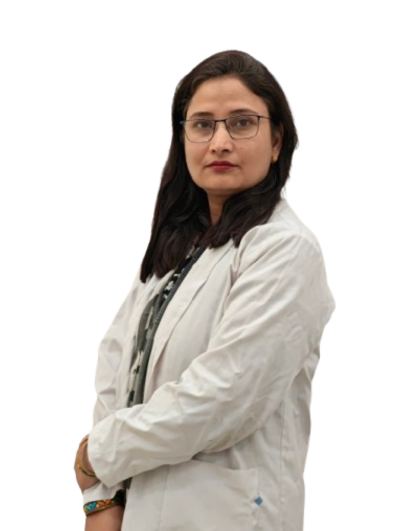
Who Is Dr. Abida?
Dr. Abida is a dermatology specialist at Jigyasa Hospital, Moradabad, who provides comprehensive evaluation and evidence-based treatment for various forms of alopecia and hair loss. She assesses patients with pattern hair loss, alopecia areata, telogen effluvium, traction alopecia, and other hair loss concerns.
Her approach combines detailed diagnostic evaluation, blood testing when indicated, and individualized treatment plans tailored to the specific type of alopecia. She explains the diagnostic process, realistic timelines, and treatment expectations clearly so patients understand the importance of consistency and patience throughout the treatment journey.
Hair Loss: A Concern That Deserves More Than Home Remedies
Hair loss is one of the most emotionally distressing skin and scalp concerns patients face, affecting confidence and self-image regardless of age or gender. While some degree of daily hair shedding is completely normal, noticeable thinning, patchy bald spots, or a receding hairline often point to an underlying condition that requires proper diagnosis — not another round of home remedies or unregulated hair growth products.
At Jigyasa Hospital, Moradabad, Dr. Abida, Dermatologist, provides comprehensive evaluation and evidence-based treatment for various forms of alopecia and hair loss. Patients from Moradabad, Rampur, Sambhal, Amroha, and Bijnor come to Jigyasa Hospital seeking an accurate diagnosis and a structured treatment plan rather than guesswork.
Understanding Normal Hair Shedding vs. Alopecia
It's normal to shed approximately 50 to 100 hairs a day as part of the natural hair growth cycle. Alopecia becomes a concern when hair loss significantly exceeds this normal pattern, resulting in visible thinning, bald patches, or an overall reduction in hair density. Several distinct types of alopecia exist, each with different causes and treatment approaches.
Common Types of Alopecia
- • Androgenetic Alopecia (Pattern Hair Loss): The most common type, characterized by gradual thinning, often at the crown and hairline in men, and diffuse thinning at the top of the scalp in women. It has a genetic and hormonal basis.
- • Alopecia Areata: An autoimmune condition causing sudden, well-defined round or oval patches of hair loss, occurring when the immune system mistakenly attacks hair follicles.
- • Telogen Effluvium: Diffuse, temporary hair shedding triggered by significant physical or emotional stress, illness, surgery, childbirth, or nutritional deficiencies, typically occurring a few months after the triggering event.
- • Traction Alopecia: Hair loss resulting from prolonged tension on hair follicles due to tight hairstyles, braids, or hair accessories.
- • Scarring Alopecia: A less common but more serious category where inflammation destroys hair follicles permanently, replacing them with scar tissue.
- • Telogen Effluvium from Nutritional Deficiency: Often linked to iron deficiency, thyroid imbalances, or other nutritional gaps affecting hair growth cycles.
Because treatment approaches differ significantly between these types, correctly identifying the specific type of alopecia is the essential first step toward effective management.
Recognizing the Signs of Alopecia
Signs that hair loss may require professional evaluation include noticeably more hair on your pillow, in the shower drain, or on your hairbrush than usual, widening of the hair parting or visible thinning at the crown, receding hairline, sudden bald patches, overall reduced hair volume, and scalp symptoms accompanying hair loss.
Warning Signs to Watch For
- • Noticeably more hair on your pillow, in the shower drain, or on your hairbrush than usual.
- • Widening of the hair parting or visible thinning at the crown.
- • Receding hairline, particularly at the temples.
- • Sudden, well-defined round or oval bald patches.
- • Overall reduced hair volume or density noticeable over weeks to months.
- • Itching, redness, or scaling on the scalp accompanying hair loss.
- • Hair breakage close to the scalp rather than loss from the root.
- • Hair loss that seems to have started following a significant illness, stressful event, or major life change.
Why Proper Diagnosis Is Essential Before Starting Treatment
The hair loss product market is filled with generic shampoos, oils, and supplements marketed as universal solutions, but different types of alopecia require distinctly different treatment approaches. Self-treating without a proper diagnosis can lead to wasted time and resources, delayed treatment of conditions where early intervention significantly improves outcomes, missed identification of underlying medical causes, and continued progression of hair loss that might have been slowed or stabilized.
Risks of Self-Treatment Without Diagnosis
- • Wasted time and resources on products that don't address the actual underlying cause.
- • Delayed treatment of conditions where early intervention significantly improves outcomes, particularly alopecia areata and certain scarring alopecias.
- • Missed identification of underlying medical causes, such as thyroid disorders or nutritional deficiencies, that need separate management.
- • Continued progression of hair loss that might have been slowed or stabilized with timely, appropriate treatment.
This is why Dr. Abida emphasizes a thorough diagnostic evaluation before recommending any treatment plan, ensuring the approach is matched to the specific type and cause of hair loss present.
Specialist Alopecia Evaluation
Different types of alopecia have distinct causes and require different treatments. A detailed dermatology assessment helps identify the exact type and guide accurate therapy.
Comprehensive Diagnostic Approach
Evaluation may include scalp examination, pull test, dermoscopic examination, blood tests for thyroid and iron levels through NABL-accredited laboratory, and detailed clinical history.
Treatment Matched to Alopecia Type
Treatment is selected according to the specific type of alopecia, underlying cause, duration, and individual factors — ensuring the approach addresses the actual diagnosis rather than generic symptoms.
Long-Term Management and Follow-Up
Patient education on realistic timelines, consistency with treatment, gentle hair care practices, and regular follow-up visits forms an essential part of the overall treatment plan for optimal results.
Trusted Dermatology Care in Moradabad
Patients from Moradabad, Rampur, Sambhal, Amroha, Bijnor, and nearby districts come to Jigyasa Hospital seeking an accurate diagnosis and a structured treatment plan rather than guesswork.
Diagnostic Approach at Jigyasa Hospital
Accurate diagnosis is the foundation of effective alopecia treatment. At Jigyasa Hospital, the diagnostic process typically includes detailed clinical history, scalp and hair examination, pull test and hair density assessment, blood tests, and dermoscopic examination.
1. Detailed Clinical History
Dr. Abida reviews the pattern and duration of hair loss, family history of pattern baldness, recent illnesses or major stressors, dietary habits, hairstyling practices, and any relevant medication use.
2. Scalp and Hair Examination
A thorough examination of the scalp and hair, including assessment of the pattern of loss, hair shaft characteristics, and scalp condition, helps distinguish between the various types of alopecia.
3. Pull Test and Hair Density Assessment
A gentle hair pull test and visual assessment of hair density help evaluate the extent and activity of hair shedding at the time of consultation.
4. Blood Tests
Through the hospital's NABL-accredited laboratory, blood tests may be recommended to check for thyroid function, iron levels, and other nutritional markers that can contribute to hair loss, particularly in cases of diffuse thinning or telogen effluvium.
5. Dermoscopic Examination
A specialized scalp examination tool can help identify specific patterns and features that assist in accurately classifying the type of alopecia present, guiding more precise treatment decisions.
Accurate classification is therefore essential before therapy begins, particularly for conditions like alopecia areata and scarring alopecias where early intervention significantly improves outcomes.
Treatment Approach: Matched to the Type of Alopecia
Dr. Abida's treatment approach is tailored specifically to the diagnosed type and underlying cause of hair loss. Treatment components vary depending on whether the diagnosis is androgenetic alopecia, alopecia areata, telogen effluvium, traction alopecia, or nutritional deficiency-related hair loss.
For Androgenetic Alopecia (Pattern Hair Loss)
Topical treatments help slow hair loss progression and support regrowth in early to moderate cases. Oral medications for appropriate candidates, used under medical supervision, address the hormonal factors driving this type of hair loss. Platelet-Rich Plasma (PRP) Therapy is a treatment option that uses the patient's own blood components to stimulate hair follicle activity, often considered for suitable candidates as part of a broader treatment plan.
For Alopecia Areata
Topical or intralesional corticosteroid injections directly into the affected patches are often the first-line approach for localized patches. Topical immunotherapy for more extensive cases is used under close specialist supervision. Close monitoring is essential, since alopecia areata can sometimes resolve on its own but may also recur, requiring ongoing follow-up.
For Telogen Effluvium
Identification and management of the underlying trigger, such as correcting nutritional deficiencies, addressing thyroid imbalances, or allowing recovery time following a significant stressor or illness. Supportive topical treatments encourage healthy regrowth during the recovery period. Reassurance and education are provided, since this type of hair loss is often temporary and improves once the underlying trigger is addressed.
For Traction Alopecia
Modification of hairstyling practices causing tension on the hair is essential for preventing further progression. Topical treatments support scalp health and encourage regrowth in early-stage cases before permanent follicle damage occurs.
For Nutritional or Deficiency-Related Hair Loss
Correction of the underlying deficiency, often coordinated with appropriate supplementation, guided by blood test results rather than generic over-the-counter supplements.
Setting Realistic Expectations
Hair regrowth is a gradual process, and Dr. Abida ensures patients understand realistic timelines. Hair growth cycles mean visible improvement often takes several months of consistent treatment before becoming noticeable. Some types of alopecia, particularly early-stage androgenetic alopecia and telogen effluvium, generally have a more favorable response to treatment than long-standing scarring alopecia.
What to Expect from Treatment
- • Hair growth cycles mean visible improvement often takes several months of consistent treatment before becoming noticeable.
- • Some types of alopecia, particularly early-stage androgenetic alopecia and telogen effluvium, generally have a more favorable response to treatment than long-standing scarring alopecia.
- • Consistency with prescribed treatment is essential, as stopping treatment prematurely often leads to a reversal of any progress made, particularly with androgenetic alopecia.
- • Not all hair loss can be fully reversed, particularly in cases involving long-standing scarring alopecia, where the primary goal shifts to preventing further progression.
- • Individual results vary based on alopecia type, duration, underlying cause, and adherence to treatment.
Why Choose Jigyasa Hospital for Alopecia Treatment in Moradabad
Hair loss deserves a proper diagnosis to identify its specific type and cause, followed by a treatment plan built around that diagnosis — not a generic product picked off a shelf. Jigyasa Hospital, located on Rampur Road near Miglani Cinema, Moradabad, offers specialized dermatology consultation, comprehensive diagnostic facilities, and coordinated care.
- • Specialized dermatology consultation with Dr. Abida for all types of alopecia and hair loss concerns.
- • NABL-accredited diagnostic laboratory for thyroid, iron, and other relevant hair loss screening.
- • Empanelment under Ayushman Bharat PM-JAY, extending eligible treatment benefits to qualifying families.
- • 24/7 emergency care support for any associated health concerns.
- • Wide service catchment covering Moradabad, Rampur, Sambhal, Amroha, and Bijnor, bringing specialized dermatological care closer to home.
- • Evidence-based treatment approach focusing on accurate diagnosis and type-specific management.
- • Patient education on realistic timelines, consistency, and gentle hair care practices.
- • Regular follow-up to monitor progress and adjust treatment for optimal results.
Practical Tips for Supporting Hair Health
Supporting your hair health requires consistency and patience. Helpful practices include being gentle with hair, maintaining a balanced diet, managing stress, avoiding unregulated products, and attending regular follow-up visits.
- • Be gentle with hair — avoid excessive heat styling, tight hairstyles, and harsh chemical treatments during active hair loss.
- • Maintain a balanced diet, as nutritional deficiencies are a common, correctable contributor to hair thinning.
- • Manage stress where possible, given its recognized role in triggering or worsening certain types of hair loss.
- • Avoid unregulated hair growth products or supplements without professional guidance, as some may be ineffective or contain undisclosed ingredients.
- • Be consistent and patient with prescribed treatment, understanding that hair regrowth takes time.
- • Attend regular follow-up visits to monitor progress and adjust the treatment plan as needed.
If you're noticing increased hair shedding, thinning, or bald patches, don't wait and hope it resolves on its own. A proper evaluation can identify the cause early and guide you toward the most effective treatment path.
Book an Appointment with Dr. Abida
Jigyasa Hospital offers specialist dermatology care for alopecia and hair loss under the guidance of Dr. Abida. Early evaluation and proper treatment can help identify the cause, slow progression, and support healthy hair regrowth.
Near Miglani Cinema, Rampur Road, Moradabad 244001
Call Now
7900903333Frequently Asked Questions
Is some hair loss every day normal?
Yes, shedding approximately 50 to 100 hairs daily is considered normal as part of the natural hair growth cycle; concern arises when shedding significantly exceeds this or results in visible thinning or bald patches.
Can alopecia areata hair loss grow back on its own?
In some cases, alopecia areata can resolve spontaneously, but it can also recur or progress, which is why professional evaluation and monitoring are recommended rather than waiting indefinitely.
Is hair loss always hereditary?
No, while androgenetic alopecia (pattern hair loss) has a strong genetic component, other types like telogen effluvium, alopecia areata, and traction alopecia have different underlying causes unrelated to family history.
Can stress really cause hair loss?
Yes, significant physical or emotional stress can trigger a type of hair loss called telogen effluvium, typically appearing a few months after the stressful event, and is usually temporary once the underlying trigger resolves.
Do hair growth oils and supplements actually work?
Their effectiveness varies widely, and many are not specifically formulated to address the underlying cause of a person's hair loss; a proper diagnosis helps identify which treatments, if any, are likely to be genuinely beneficial.
How long does it take to see improvement with hair loss treatment?
Due to the nature of hair growth cycles, most treatments require several months of consistent use before visible improvement becomes noticeable, and patience with the prescribed plan is important.
Can tight hairstyles really cause permanent hair loss?
Yes, prolonged tension from tight hairstyles can lead to traction alopecia, which, if caught early, is often reversible, but can become permanent if the tension continues over a long period without intervention.
When should I see a dermatologist for hair loss?
If you notice sudden or patchy hair loss, significant increased shedding, widening of the parting, or thinning that's affecting your confidence, it's advisable to consult a dermatologist for an accurate diagnosis rather than relying on generic products.
Why Patients Choose Us
- 24/7 Emergency & Trauma Care
- Top Specialist Doctors
- Modern ICU & Operation Theatres
- Transparent & Affordable Pricing
- Ayushman Bharat Empanelled
- Cashless Insurance Support
- Multispeciality Under One Roof
Our Location
Near Miglani Cinema,
Rampur Road,
Moradabad 244001