
Best Child Specialist in Moradabad: Complete Care from Newborn to Teenager
Parents rarely search for a child specialist on a calm day. More often it happens at 2 a.m. with a feverish baby, or after a worrying comment from a teacher about your child's growth or concentration. In those moments, you want a name you can trust and a hospital that can act quickly.
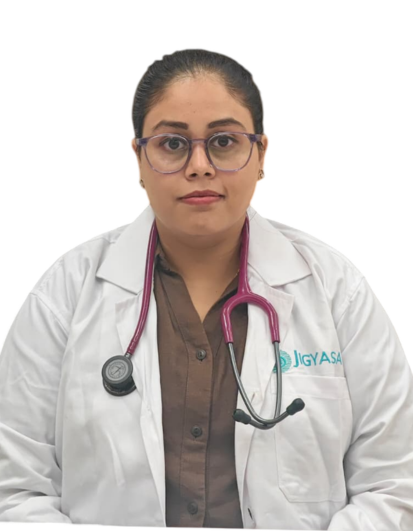
This guide helps families in Moradabad understand what a child specialist does, how care changes at each stage of childhood, and why Dr. Sana Ibad Khan, specialist in Pediatrics and Neonatology at Jigyasa Hospital, is a reliable choice for parents across the region.
What Is a Child Specialist?
A child specialist, medically called a pediatrician, is a doctor trained to care for the physical, developmental, and emotional health of children from birth through adolescence. In Hindi-speaking households, you may hear the term "bachon ke doctor."
Child specialists are trained to understand something general physicians often cannot spend as much time on: children change constantly. A newborn's liver, an infant's immune system, a toddler's appetite, and a teenager's hormones all behave differently. Medicine doses, symptoms, and even normal test values vary by age.
• Treats illnesses in a way that suits the child's age and weight
• Tracks growth and development against expected milestones
• Delivers vaccinations and preventive care
• Spots problems that parents may not notice
• Guides families on nutrition, sleep, behaviour, and safety
What Does "Pediatrics and Neonatology" Mean?
Dr. Sana Ibad Khan's speciality combines two fields. Pediatrics covers the care of infants, children, and adolescents. Neonatology is the care of newborn babies, particularly those who are born prematurely, have a low birth weight, or face health challenges in the first weeks of life.
Why does this matter to you? Because a baby's health in the first month often influences later childhood health. A doctor who understands the newborn period can recognise early signs of problems and guide you from the start. And if your child has already had a difficult beginning, such as a premature birth, that background is understood rather than treated as a footnote.
Care at Every Stage: What Your Child Needs and When
One of the best ways to understand the value of a child specialist is to see how a child's needs shift over time.
Stage 1: Newborn (0 to 28 days)
The first month is delicate. Newborns cannot tell you what is wrong, so doctors and parents depend on careful observation.
Common concerns: Jaundice, feeding and latching difficulties, weight loss and regaining weight, breathing pattern and temperature control, umbilical cord care, excessive sleepiness, or irritability.
Why a specialist helps: A neonatology-trained doctor can distinguish between normal newborn behaviour and warning signs, giving anxious new parents clarity and confidence.
Stage 2: Infant (1 month to 1 year)
This is a stage of rapid growth, and of many vaccinations.
Common concerns: Vaccination schedule, breastfeeding and introduction of solid foods, colic, reflux, constipation, cold, cough, early infections, developmental milestones, skin rashes, and diaper irritation.
Why a specialist helps: Regular visits let the doctor track growth curves and catch any slowing early, when it is easiest to correct.
Stage 3: Toddler (1 to 3 years)
Toddlers are curious, mobile, and often fussy eaters, and they pick up infections easily.
Common concerns: Picky eating, weak appetite, frequent colds, ear or throat infections, delayed speech or walking, loose motions, stomach infections, safety concerns, and toilet-training questions.
Why a specialist helps: The doctor can reassure you when a behaviour is normal and flag it when it is not.
Stage 4: Preschool (3 to 5 years)
Children enter group settings such as playschool, which means more exposure to infections.
Common concerns: Recurrent coughs and colds, allergies and asthma-like symptoms, speech clarity, social behaviour, sleep problems, and preparation for school including vaccinations and general check-ups.
Stage 5: School Age (6 to 12 years)
At this stage, health problems can quietly affect learning and confidence.
Common concerns: Poor concentration, frequent tiredness, weight issues, vision or hearing concerns noticed in class, recurrent tummy aches or headaches, frequent absences due to illness, screen time, and physical activity habits.
Stage 6: Adolescence (13 to 18 years)
Teenagers go through physical and emotional changes that can feel confusing.
Common concerns: Growth spurts and puberty-related questions, acne and skin issues, nutrition, anaemia, energy levels, sleep patterns, mood changes, and academic stress.
Why a specialist helps: A teenager may be more comfortable speaking to a doctor than to parents about sensitive topics, and a regular doctor can provide a safe, respectful space.
Signs Your Child Should See a Specialist Soon
You do not always need to rush to a hospital, but some signs mean you should book an appointment promptly:
• Fever lasting more than two to three days
• Cough that continues for weeks or disturbs sleep
• Poor weight gain or weight loss
• Repeated vomiting or loose motions
• Skin rashes that spread or do not improve
• Delay in sitting, walking, or talking compared with other children of the same age
• Unusual tiredness, paleness, or loss of interest in play
• Frequent infections
• Breathing noises such as wheezing
Emergency Signs: Do Not Wait
Go to the hospital immediately, or call 7900903333, if your child:
• Is a newborn with fever, refusal to feed, or unusual sleepiness
• Is breathing very fast, struggling to breathe, or has bluish lips
• Has a seizure
• Cannot stop vomiting or cannot keep fluids down
• Shows signs of dehydration, such as a dry mouth, no tears, or very little urine
• Is extremely drowsy, limp, or hard to wake
• Has had a significant injury, particularly to the head
Do not give medicines on your own in these situations, and do not wait for an appointment slot.
Why Families Choose Jigyasa Hospital for Child Care
One Hospital, Many Specialities: Children sometimes need more than one kind of doctor. An eye check, a skin consultation, a surgical opinion, or a nutrition review may be needed alongside pediatric care. As a multispeciality hospital, Jigyasa Hospital makes it easier to coordinate these without sending parents from place to place.
Continuity from Birth Onward: When newborn care and childhood care come from the same speciality team, your child's early history stays on record. Future decisions, whether about vaccines, illnesses, or growth, are made with full context.
Parent-Friendly Communication: Parents are not just listeners in the consultation room. Questions are welcome, and explanations are given in simple Hindi or English so that you understand the diagnosis, the medicines, and the follow-up plan.
Easy Access from Across the Region: Located on Rampur Road, near Miglani Cinema, Moradabad 244001, the hospital is accessible for families from Moradabad city as well as nearby areas such as Rampur, Sambhal, Amroha, Bijnor, and Chandausi.
How to Get the Most from Your Visit
A little preparation helps the doctor help your child.
• Bring records: Vaccination card, previous prescriptions, test reports, and, for newborns, birth or discharge papers.
• Note the symptoms: When did they start, how often do they occur, what makes them better or worse?
• List all medicines: Include syrups, home remedies, and anything given without a prescription.
• Track basics: For babies, note feeding frequency, wet diapers, and sleep patterns.
• Write down questions: It is easy to forget in the moment.
• Prepare your child: Explain gently where you are going, and carry a favourite toy or snack for comfort.
Common Myths Parents Believe
Myth: Every fever needs an antibiotic. Most childhood fevers are caused by viruses, which antibiotics do not treat. Unnecessary antibiotics can do more harm than good, so always follow your doctor's advice.
Myth: A fat baby is a healthy baby. Healthy growth matters more than size. Your pediatrician will assess growth against appropriate charts.
Myth: Vaccines are only needed in the first year. Immunisation continues beyond infancy, and some vaccines and boosters are due in later childhood.
Myth: Mild jaundice in newborns never needs attention. Many cases are harmless, but jaundice should always be assessed by a doctor, because higher levels need treatment.
Myth: Picky eating means something is wrong. It is very common in toddlers, but if weight gain is poor, your doctor should evaluate it.
Myth: Children will "grow out" of every delay. Some will, but early assessment helps identify children who benefit from early support.
Questions to Ask Any Child Specialist
1. What is your area of training and experience?
2. Which age groups do you treat?
3. How do you handle emergencies or urgent concerns?
4. What vaccination schedule do you follow, and how will I be reminded?
5. Will I get a clear explanation of any medicines prescribed?
6. If my child needs another specialist, how is the referral handled?
One Hospital, Many Specialities
Children may need an eye check, skin consultation, surgical opinion, or nutrition review alongside pediatric care. Jigyasa Hospital helps coordinate these services in one place.
Continuity from Birth Onward
When newborn and childhood care come from the same specialist team, your child's early health history remains part of future care decisions.
Parent-Friendly Communication
Questions are welcome, and explanations are provided in simple Hindi or English so parents understand the diagnosis, medicines, and follow-up plan.
Age-Appropriate Child Care
Care is tailored to each stage of childhood, from newborn observation and infant vaccination to toddler nutrition, school-age health, and teenage concerns.
Preventive and Developmental Focus
Regular visits support vaccination, growth tracking, developmental screening, nutrition guidance, and early identification of concerns.
Easy Access Across the Region
Jigyasa Hospital is located on Rampur Road, near Miglani Cinema, Moradabad, and is accessible for families from nearby areas as well.
Book a Consultation with Dr. Sana Ibad Khan
Whether your child needs a newborn check-up, vaccination, growth assessment, treatment for illness, or guidance on development and nutrition, timely pediatric care can make a meaningful difference.
Dr. Sana Ibad Khan at Jigyasa Hospital provides complete child care from the newborn stage through adolescence, with clear communication and family-friendly support.
Address
Near Miglani Cinema, Rampur Road, Moradabad 244001
Phone
7900903333Frequently Asked Questions About Child Specialist Care
Who is the best child specialist in Moradabad?
The right child specialist is one with proper pediatric training, a gentle approach, clear communication, and hospital support when needed. Dr. Sana Ibad Khan, Pediatrics and Neonatology specialist at Jigyasa Hospital, provides care from the newborn stage through childhood.
What is the difference between a child specialist and a general physician?
A child specialist has dedicated training in children's health, including growth, development, vaccination, and age-specific illnesses. A general physician treats a broader range of patients and may not focus specifically on pediatric needs.
At what age should my child begin seeing a pediatrician?
From birth. Newborns need early check-ups, and regular visits continue throughout childhood for vaccination, growth tracking, and treatment of illnesses.
Can I consult a child specialist when my child is not sick?
Yes. Preventive visits for vaccines, growth checks, nutrition advice, and development screening are an important part of child healthcare.
What does a neonatologist do?
A neonatologist cares for newborn babies, especially those born early, underweight, or with health complications. Dr. Sana Ibad Khan is trained in Neonatology as well as Pediatrics.
How do I book an appointment at Jigyasa Hospital?
Call 7900903333, or visit the hospital on Rampur Road, near Miglani Cinema, Moradabad. More information is available at jigyasahospital.com.
Should I take my child to the hospital for every fever?
Not always, but you should consult a doctor if the fever is high, lasts more than a couple of days, occurs in an infant, or comes with other symptoms such as breathing difficulty, rash, vomiting, or unusual drowsiness.
Why Patients Choose Us
- 24/7 Emergency & Trauma Care
- Top Specialist Doctors
- Modern ICU & Operation Theatres
- Transparent & Affordable Pricing
- Ayushman Bharat Empanelled
- Cashless Insurance Support
- Multispeciality Under One Roof
Our Location
Near Miglani Cinema,
Rampur Road,
Moradabad 244001