
Best Eye Hospital in Moradabad | Jigyasa Hospital's Comprehensive Ophthalmology Services
When your vision is at stake, you need more than just any eye care clinic. You need a trusted partner backed by advanced technology, experienced specialists, and a strong commitment to patient-centered care. Jigyasa Hospital in Moradabad stands as a leading destination for comprehensive ophthalmology services for patients across western Uttar Pradesh.
Eye disorders affect millions of people every year, ranging from refractive errors to sight-threatening conditions such as cataracts, diabetic retinopathy, and glaucoma. At Jigyasa Hospital, our ophthalmology department combines modern diagnostic tools, careful clinical evaluation, and advanced treatment pathways to preserve and restore vision.
Under the care of Dr. Deeksha Singh, patients in Moradabad, Rampur, Sambhal, Amroha, Bijnor, and nearby districts can access specialist eye care close to home without needing to travel to larger metropolitan centers.
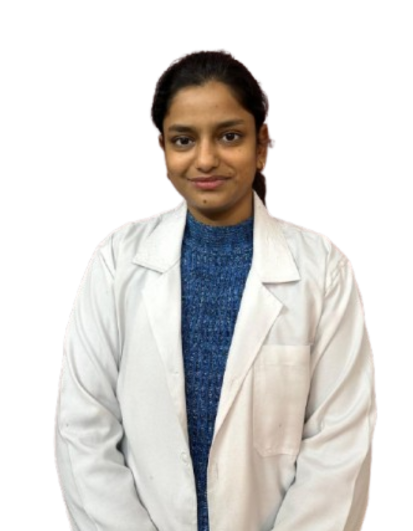
Meet Dr. Deeksha Singh - Ophthalmology Specialist at Jigyasa Hospital
Dr. Deeksha Singh is a highly qualified and compassionate eye specialist dedicated to comprehensive ophthalmic care, from routine consultations to complex surgical management.
Clinical Profile
Specialty: Ophthalmology, including medical, laser, and surgical eye care
Hospital: Jigyasa Hospital, Moradabad, Uttar Pradesh
Core Expertise: Cataract surgery and IOL implantation, refractive error correction, corneal diseases, retinal disorders, diabetic eye disease, glaucoma, pediatric ophthalmology, strabismus correction, dry eye syndrome, and presbyopia solutions
Why Jigyasa Hospital is the Best Eye Hospital in Moradabad
Jigyasa Hospital brings together specialist leadership, advanced diagnostics, surgical capability, and continuity of care under one roof. This integrated approach helps patients receive timely diagnoses, accurate treatment planning, and long-term support for both routine and complex eye conditions.
The ophthalmology department is designed to support patients of all ages, from children with squint and refractive errors to older adults needing cataract, retinal, or glaucoma care. The goal is not only to treat disease, but also to protect vision, maintain quality of life, and reduce avoidable blindness.
Patients also benefit from the hospital's accessible location in Moradabad, efficient scheduling, and the convenience of receiving diagnostics, consultation, treatment, and follow-up in a single trusted center.
Advanced Diagnostic Procedures and Technologies
Accurate diagnosis is the foundation of modern ophthalmology. Jigyasa Hospital uses advanced investigative systems that help detect disease early, document progression, and guide precise treatment decisions.
Optical Coherence Tomography (OCT): Detailed cross-sectional imaging of the retina and optic nerve for retinal disease and glaucoma assessment.
Automated Visual Field Analysis: Maps peripheral vision loss and supports glaucoma diagnosis, monitoring, and neuro-ophthalmic evaluation.
Corneal Topography and Keratometry: Measures corneal curvature for LASIK evaluation, cataract planning, and corneal disease assessment.
Digital Fundus Photography: High-resolution retinal imaging for screening, documentation, and follow-up in diabetic retinopathy and other retinal diseases.
Ultrasound Biometry and A-scan/B-scan Ultrasonography: Supports IOL power calculation and posterior segment evaluation when direct retinal view is not possible.
How Eye Conditions Are Managed
Eye diseases are highly varied, and no single treatment pathway suits every patient. Dr. Deeksha Singh evaluates symptoms, visual needs, disease severity, age, systemic conditions, and lifestyle factors before recommending a personalized plan.
This may involve spectacles, medications, lasers, injections, surgery, or long-term observation depending on the diagnosis. The emphasis is on preserving vision safely, improving comfort and function, and intervening before permanent damage occurs.
Cataract Care: Pre-operative assessment, advanced IOL calculation, phacoemulsification surgery, premium lens planning, and post-operative recovery protocols.
Refractive Solutions: LASIK, PRK, ICL evaluation, astigmatism correction, and presbyopia management based on suitability.
Retina Care: Monitoring and treatment for diabetic retinopathy, macular disease, retinal detachment, and vascular retinal disorders.
Glaucoma Control: Tonometry, gonioscopy, optic nerve imaging, visual field tracking, medical therapy, laser procedures, and surgery when required.
Cornea and Surface Disease: Dry eye care, keratoconus management, corneal ulcer treatment, trauma care, and pterygium surgery.
Treatment Options
Cataract Surgery and IOL Implantation
Advanced cataract evaluation, phacoemulsification surgery, and intraocular lens planning for clearer vision and rapid recovery.
Refractive Error Correction
Comprehensive assessment and treatment planning for myopia, hyperopia, astigmatism, presbyopia, and modern refractive solutions.
Glaucoma Diagnosis and Management
Early glaucoma detection with pressure testing, optic nerve evaluation, visual field analysis, and long-term disease control.
Retinal and Diabetic Eye Care
Specialist care for diabetic retinopathy, macular disease, retinal vascular disorders, and other sight-threatening retinal conditions.
Corneal and External Eye Disease Care
Evaluation and treatment for corneal disease, dry eye, keratoconus, pterygium, trauma, and other surface eye disorders.
Pediatric Ophthalmology and Strabismus
Gentle eye care for children including squint, lazy eye, refractive errors, and visual development monitoring.
Patient-Centered Eye Care Philosophy
Every patient at Jigyasa Hospital receives a thorough ophthalmology evaluation that may include visual acuity testing, refraction, intraocular pressure measurement, slit-lamp examination, and dilated retinal assessment according to the clinical need.
Dr. Deeksha Singh places strong emphasis on patient education and informed decision-making. Each patient is guided through the diagnosis, the available treatment choices, expected outcomes, and the importance of follow-up and preventive care.
This continuity of care is especially valuable for chronic eye diseases such as glaucoma, diabetic retinopathy, dry eye syndrome, and age-related retinal conditions that require ongoing observation and timely intervention.
Common Eye Conditions Treated
The ophthalmology team at Jigyasa Hospital treats a broad spectrum of eye disorders across age groups, including both routine and vision-threatening conditions.
Diabetic Retinopathy: Screening, retinal imaging, medical retina care, and referral for advanced interventions when required.
Age-Related Macular Degeneration: Monitoring, lifestyle guidance, imaging, and treatment support for both dry and wet forms.
Myopia in Children: Early identification, monitoring, and counseling regarding visual hygiene and progression control strategies.
Strabismus and Amblyopia: Early diagnosis and management to support normal visual development in children.
Dry Eye and Corneal Disease: Treatment plans focused on visual comfort, ocular surface healing, and long-term symptom relief.
Book Your Consultation
Do not ignore blurred vision, redness, eye pain, frequent headaches, watering, double vision, poor night vision, or diabetic eye concerns. Early eye evaluation can prevent avoidable vision loss and improve long-term outcomes.
Address
Near Miglani Cinema, Rampur Road, Moradabad 244001
Phone
+91-7900903333Frequently Asked Questions (FAQ)
How often should I have an eye examination?
For the general population, an eye examination every 1 to 2 years is advisable. People with diabetes, glaucoma risk, or existing eye disease may need reviews every 3 to 6 months, while adults over 60 should usually have annual eye check-ups.
Is LASIK surgery permanent?
Yes, LASIK permanently reshapes the cornea to correct refractive error. However, age-related near vision changes such as presbyopia can still develop later in life.
Can cataracts come back after surgery?
No, the natural cataractous lens is removed during cataract surgery and does not grow back. Some patients may later develop posterior capsular opacification, which can usually be treated quickly with a laser procedure.
What is the recovery time after cataract surgery?
Many patients notice visual improvement within 24 to 48 hours after cataract surgery. Complete healing and visual stabilization usually take around 4 to 6 weeks.
Can diabetic patients undergo refractive surgery?
Some diabetic patients may be suitable candidates for LASIK or PRK if their diabetes is well controlled and there is no significant retinal disease. A detailed pre-operative evaluation is essential before making that decision.
Why Patients Choose Us
- 24/7 Emergency & Trauma Care
- Top Specialist Doctors
- Modern ICU & Operation Theatres
- Transparent & Affordable Pricing
- Ayushman Bharat Empanelled
- Cashless Insurance Support
- Multispeciality Under One Roof
Our Location
Near Miglani Cinema,
Rampur Road,
Moradabad 244001