
[Editor's note: Sections marked with square brackets contain placeholders. Please replace these with Dr. Deeksha Singh's verified qualifications, registration details, years of experience, specific services offered, OPD timings, and patient testimonials before publishing, to keep the content accurate for a medical website.]
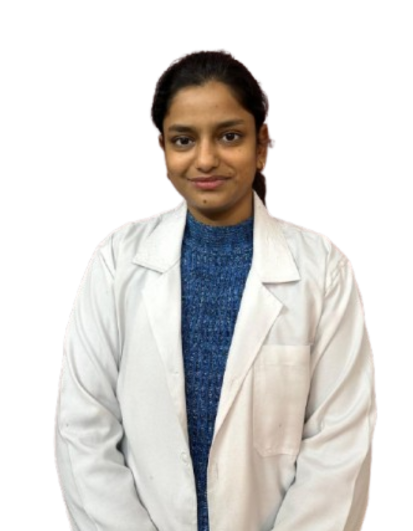
Best Ophthalmologist Near Me in Moradabad — Meet Dr. Deeksha Singh at Jigyasa Hospital
Introduction
When something feels off with your eyes — whether it's a sudden blur, persistent redness, difficulty reading fine print, or simply a nagging feeling that your last prescription isn't quite right — the search usually starts the same way: typing "best ophthalmologist near me" into a search bar. It's a search made out of genuine need, often at a moment when clear vision suddenly feels less like a given and more like something worth protecting.
For residents of Moradabad and the surrounding areas of Western Uttar Pradesh, that search increasingly leads to Jigyasa Hospital, where Dr. Deeksha Singh [MBBS, MS/DNB Ophthalmology — insert exact qualification] leads the Ophthalmology department. This article looks at what actually makes an ophthalmologist "the best" fit for a given patient, the range of eye care available locally in Moradabad, and what to expect when you visit Jigyasa Hospital for an eye consultation.
What Should You Actually Look for in an Ophthalmologist?
"Best" means different things to different patients, but a few factors consistently matter when choosing an eye specialist:
- Qualifications and training: A recognized ophthalmology degree (MS or DNB in Ophthalmology, following an MBBS), along with any specialized fellowship training in areas like retina, cornea, or glaucoma, is the foundation of good care. [Insert Dr. Singh's specific degrees, institutions, and any fellowships here.]
- Breadth of services: Some eye problems are simple — a refraction check for new glasses — while others, like diabetic retinopathy or glaucoma, require ongoing specialized management. A good ophthalmologist (or a well-equipped department) should be able to handle both routine and complex cases, or refer appropriately when needed.
- Diagnostic technology: Accurate diagnosis depends on proper equipment — slit lamps, fundus cameras, OCT (optical coherence tomography), tonometry for eye pressure, and visual field testing, among others.
- Communication style: Especially in ophthalmology, where diagnoses can sound alarming (a scan showing "macular degeneration" or "diabetic retinopathy" can be frightening to hear), a doctor's ability to explain conditions clearly and calmly matters as much as their technical skill.
- Continuity of care: Many eye conditions — glaucoma, diabetic eye disease, macular degeneration — are chronic and require years of monitoring. A hospital-based practice with consistent record-keeping and follow-up systems tends to serve these patients better than one-off consultations.
- Accessibility: Proximity, appointment availability, and emergency support all factor into what makes a doctor practically "the best" for your circumstances, not just on paper.
Common Eye Conditions That Bring Patients In
Understanding the range of problems an ophthalmologist manages helps explain why "near me" searches matter — many of these conditions benefit from prompt, local evaluation rather than delayed treatment far from home.
Refractive Errors
Myopia, hyperopia, astigmatism, and presbyopia are the most common reasons people see an eye doctor. Accurate refraction testing ensures the right glasses or contact lens prescription, and for suitable candidates, procedures like LASIK can reduce dependence on corrective eyewear altogether.
Cataracts
A clouding of the eye's natural lens, cataracts are one of the most common causes of vision loss with age, and also one of the most treatable — modern cataract surgery with intraocular lens implantation restores clear vision for the vast majority of patients.
Glaucoma
Often called the "silent thief of sight," glaucoma gradually damages the optic nerve, usually due to elevated eye pressure, frequently with no early symptoms. Regular eye pressure checks and optic nerve evaluation are essential, particularly for people with a family history of the condition or those over 40.
Diabetic Eye Disease
Diabetes can damage the retina's blood vessels, leading to diabetic retinopathy and diabetic macular edema. Because early stages often have no noticeable symptoms, annual retinal screening is strongly recommended for all diabetic patients, regardless of how their vision feels day to day.
Age-Related Macular Degeneration (AMD)
AMD affects the macula, the part of the retina responsible for sharp central vision, and is a leading cause of vision loss in people over 50. Early detection allows for treatments, including Anti-VEGF injection therapy, that can help preserve vision.
Dry Eye and Ocular Surface Disease
Increasingly common due to prolonged screen time, air pollution, and lifestyle factors, dry eye causes irritation, redness, and fluctuating vision. It's manageable with the right combination of drops, lifestyle changes, and, in some cases, in-office procedures.
Pediatric Eye Care
Children's eye problems — including squint (strabismus), lazy eye (amblyopia), and refractive errors — are most effectively treated when caught early, making regular pediatric eye screening an important part of a child's overall health check-ups.
Eye Infections and Injuries
Conjunctivitis, corneal abrasions, foreign body injuries, and other acute eye problems require prompt evaluation to prevent complications, particularly given how common seasonal conjunctivitis outbreaks can be.
What to Expect During Your Visit
A thorough eye examination typically includes several steps, adjusted based on your specific complaint and history:
- History taking: Understanding your symptoms, medical history (particularly diabetes, hypertension, and any family history of eye disease), and current medications.
- Visual acuity testing: Checking how clearly you see at various distances, both with and without correction.
- Refraction: Determining your exact glasses or contact lens prescription, if needed.
- Slit-lamp examination: A detailed, magnified look at the front structures of the eye — cornea, iris, lens — to check for cataracts, infections, or other abnormalities.
- Eye pressure measurement (tonometry): Screening for glaucoma risk.
- Dilated fundus examination: Eye drops widen the pupil so the doctor can examine the retina and optic nerve in detail — essential for detecting diabetic retinopathy, macular degeneration, and other retinal conditions.
- Additional imaging, if indicated: OCT scans, fundus photography, or visual field testing may be ordered based on findings, to confirm a diagnosis or monitor a known condition over time.
Most routine visits take 30–60 minutes, though dilation can leave vision blurry and light-sensitive for a few hours afterward — it's worth arranging transport home if you're being dilated for the first time or are unsure how you'll react.
Services Available in Ophthalmology at Jigyasa Hospital
[Confirm and finalize this list before publishing, based on services actually offered.]
- Comprehensive eye examinations and vision testing
- Cataract evaluation and surgery
- Glaucoma screening and management
- Diabetic retinopathy screening and Anti-VEGF injection therapy
- Management of age-related macular degeneration
- Vision correction surgery consultation (LASIK and related procedures)
- Dry eye evaluation and treatment
- Pediatric eye check-ups
- Management of eye infections and minor eye emergencies
- OCT and other advanced diagnostic imaging
Specialist Ophthalmology Evaluation
Eye care requires proper assessment by a qualified ophthalmologist. A detailed evaluation helps identify the right diagnosis, treatment plan, and follow-up for your specific eye concern.
Comprehensive Diagnostic Work-Up
Evaluation includes visual acuity testing, refraction, slit-lamp exam, eye pressure measurement, and dilated fundus examination, with OCT and other imaging when indicated.
Individualized Treatment and Follow-Up
Management is tailored to your condition — from glasses prescription to medical therapy, injections, or surgery — with clear guidance on monitoring and long-term care.
Continuity of Care for Chronic Eye Disease
Conditions like glaucoma, diabetic retinopathy, and macular degeneration need years of monitoring. A hospital-based practice supports consistent records, follow-ups, and coordinated care.
Trusted Eye Care in Moradabad
Patients from Moradabad and nearby districts choose Jigyasa Hospital for comprehensive ophthalmology services under one roof, with multi-speciality backup and 24/7 emergency support.
Why Patients in Moradabad Choose Jigyasa Hospital for Eye Care
Several factors make Jigyasa Hospital a practical choice for patients searching for "the best ophthalmologist near me" in Moradabad:
- Local, comprehensive care: Instead of being referred out to another city for advanced diagnostics or treatment, many aspects of eye care — from routine check-ups to retinal disease management — are available under one roof.
- Multi-speciality backup: As a multi-speciality hospital, Jigyasa can coordinate eye care with management of related conditions like diabetes and hypertension, which are closely tied to several serious eye diseases.
- 24/7 emergency support: For sudden eye injuries, infections, or acute vision changes, having a hospital with round-the-clock emergency services nearby matters.
- Modern diagnostic equipment: Accurate diagnosis of conditions like glaucoma, diabetic retinopathy, and macular degeneration depends on proper imaging technology being available locally. [Insert specific equipment/technology available in the department.]
- Patient-centered communication: [Insert details on Dr. Singh's specific approach to patient counseling, language of consultation, and any distinguishing aspects of her practice style, once verified.]
- Convenient location: Situated near Miglani Cinema on Rampur Road, the hospital is accessible to patients across Moradabad, from Peetal Nagri to Civil Lines and beyond. [Confirm this is the correct branch/location for the Ophthalmology department before publishing.]
Book an Appointment with Dr. Deeksha Singh
Jigyasa Hospital offers specialist ophthalmology care under the guidance of Dr. Deeksha Singh. Comprehensive evaluation and structured follow-up can help protect your vision and manage eye conditions safely and effectively.
Near Miglani Cinema, Rampur Road, Moradabad 244001
Call Now
7900903333Frequently Asked Questions
How often should I get my eyes checked?
As a general guideline, adults with no known eye problems should have a comprehensive eye exam every 1–2 years, more frequently after age 40 or with risk factors like diabetes, high blood pressure, or a family history of glaucoma. Diabetics should have annual retinal screening regardless of symptoms.
What symptoms should prompt an urgent eye visit rather than waiting for a routine check-up?
Sudden vision loss or blurring, flashes of light, a sudden increase in floaters, severe eye pain, significant redness with discharge, or any injury to the eye all warrant prompt evaluation rather than waiting.
Do I need a referral to see an ophthalmologist?
Generally, no — you can consult an ophthalmologist directly for eye concerns. Some insurance plans may have specific referral requirements, which is worth checking with your provider.
Can children be examined at the same clinic?
Yes, pediatric eye check-ups, including screening for squint and lazy eye, are typically part of a comprehensive ophthalmology practice. [Confirm specific pediatric eye care services and any age restrictions at Jigyasa Hospital.]
Is a dilated eye exam necessary every time?
Not always — it depends on your symptoms, risk factors, and how recently your retina was last examined. Your ophthalmologist will advise when dilation is needed.
What should I bring to my first appointment?
Any previous eye prescriptions, a list of current medications, your glasses or contact lenses if you wear them, and relevant medical history, particularly regarding diabetes, blood pressure, or prior eye surgeries.
Why Patients Choose Us
- 24/7 Emergency & Trauma Care
- Top Specialist Doctors
- Modern ICU & Operation Theatres
- Transparent & Affordable Pricing
- Ayushman Bharat Empanelled
- Cashless Insurance Support
- Multispeciality Under One Roof
Our Location
Near Miglani Cinema,
Rampur Road,
Moradabad 244001