

Blood Clotting Disorder Treatment in Moradabad: Expert Hematology Care with Dr. Faran Naim at Jigyasa Hospital
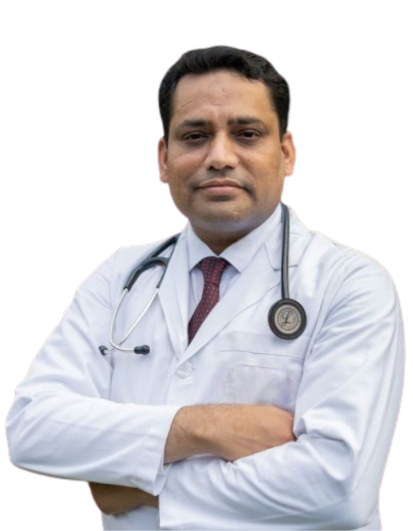
Blood clotting disorders — whether they cause excessive bleeding or dangerous, unwanted clots — can be confusing and frightening for patients and families. Getting the right diagnosis quickly matters, because the treatment for a bleeding disorder is often very different from the treatment for a clotting disorder, and mistakes in management can have serious consequences. Patients in Moradabad, Rampur, Amroha, Sambhal, Bijnor, and across the wider Rohilkhand region can now access specialist-level diagnosis and treatment for blood clotting and coagulation disorders at Jigyasa Hospital, Moradabad, under the care of Dr. Faran Naim, Consultant – Hematology & Bone Marrow Transplant.
This article explains what blood clotting disorders are, how they are diagnosed, the range of treatments available, and why Jigyasa Hospital has become a trusted name for hematology care in the region.
Understanding Blood Clotting Disorders
Blood clotting, medically known as coagulation, is a carefully balanced process. When you're injured, your body forms a clot to stop bleeding; once healing is underway, that clot needs to break down again. A "clotting disorder" refers to any condition where this balance is disrupted — either the blood clots too little, leading to excessive or prolonged bleeding, or it clots too easily or too much, leading to dangerous blockages in blood vessels.
Broadly, clotting disorders fall into two categories:
1. Bleeding Disorders (Hypocoagulable States)
These occur when the blood does not clot enough, resulting in excessive or prolonged bleeding. Common examples include:
• Hemophilia — an inherited disorder in which the blood lacks sufficient clotting factor (most commonly Factor VIII or Factor IX), leading to prolonged bleeding after injury or surgery, and sometimes spontaneous bleeding into joints and muscles.
• Von Willebrand Disease — the most common inherited bleeding disorder, caused by a deficiency or dysfunction of von Willebrand factor, a protein essential for normal clot formation.
• Acquired coagulation factor deficiencies — which can develop due to liver disease, vitamin K deficiency, certain medications, or autoimmune conditions.
• Platelet function disorders — where platelet numbers may be normal, but the platelets don't function properly to form a clot.
2. Clotting Disorders (Hypercoagulable States / Thrombophilia)
These occur when the blood clots too easily, increasing the risk of blockages in veins or arteries. Common examples include:
• Deep Vein Thrombosis (DVT) — a blood clot that forms in a deep vein, most often in the leg, which can cause pain, swelling, and warmth in the affected limb.
• Pulmonary Embolism (PE) — a serious, potentially life-threatening complication where a clot travels to the lungs, causing sudden breathlessness and chest pain.
• Inherited thrombophilias — such as Factor V Leiden mutation or Protein C, Protein S, or Antithrombin deficiency, which increase the tendency to form clots.
• Antiphospholipid Syndrome — an autoimmune condition that increases clotting risk and is also associated with recurrent pregnancy loss.
Common Symptoms to Watch For
Because bleeding and clotting disorders present so differently, it helps to know the warning signs of each.
Signs of a Bleeding Disorder
- • Frequent or prolonged nosebleeds
- • Easy or unexplained bruising
- • Prolonged bleeding after minor cuts, dental work, or surgery
- • Heavy or prolonged menstrual bleeding
- • Joint pain and swelling from internal bleeding (especially in hemophilia)
- • Blood in urine or stool
Signs of a Clotting Disorder
- • Swelling, pain, redness, or warmth in one leg (possible DVT)
- • Sudden shortness of breath, chest pain, or rapid heartbeat (possible pulmonary embolism)
- • Recurrent miscarriages
- • A family history of blood clots at a young age
- • Unexplained clotting episodes without an obvious cause such as surgery or prolonged immobility
If you or a family member experience any of these symptoms — particularly sudden leg swelling or breathlessness, which can indicate a medical emergency — prompt evaluation is essential.
Specialist-Led Diagnosis and Treatment
A dedicated hematology consultant trained at premier institutions, rather than general management of a condition that requires specialist expertise for accurate diagnosis and safe treatment.
Comprehensive Coagulation Testing
NABL-accredited laboratory services offering the specialized blood tests needed to accurately diagnose bleeding and clotting disorders, from basic coagulation profiles to thrombophilia screening.
24/7 Emergency and ICU Care
Critical for managing acute bleeding episodes or suspected pulmonary embolism without delay, ensuring prompt stabilization and treatment without the need to travel to a metro city.
Ongoing Monitoring and Dose Adjustment
Regular follow-up and dose adjustment for patients on long-term factor replacement or anticoagulant therapy, balancing effective clot prevention against bleeding risk over time.
Affordable, Accessible Hematology Care
Jigyasa Hospital is empaneled under Ayushman Bharat PM-JAY, helping make specialist hematology treatment accessible for eligible families across Moradabad and Western Uttar Pradesh.
How Are Clotting Disorders Diagnosed?
An accurate diagnosis requires more than a basic blood test. At Jigyasa Hospital, the diagnostic workup led by Dr. Naim typically includes:
1. Detailed History and Examination
Including personal and family history of bleeding or clotting events, medication use, and any relevant surgical or obstetric history.
2. Complete Blood Count (CBC)
To assess platelet numbers and overall blood cell health.
3. Coagulation Profile
Including Prothrombin Time (PT), Activated Partial Thromboplastin Time (aPTT), and INR, which assess how efficiently the blood clots.
4. Specific Factor Assays
To measure levels of individual clotting factors (such as Factor VIII or IX) when a bleeding disorder like hemophilia is suspected.
5. Thrombophilia Screening
Including tests for Protein C, Protein S, Antithrombin III, Factor V Leiden, and antiphospholipid antibodies, when a clotting tendency is suspected.
6. Imaging Studies
Such as Doppler ultrasound for suspected DVT, or CT pulmonary angiography for suspected pulmonary embolism, typically coordinated with radiology.
This layered approach ensures the underlying cause is correctly identified before treatment begins, since bleeding and clotting disorders sometimes present with overlapping or non-specific symptoms.
Meet Dr. Faran Naim — Consultant, Hematology & Bone Marrow Transplant
Patients seeking specialist care for blood clotting and bleeding disorders in Moradabad now have access to a hematologist with wide-ranging experience across leading centers in India and abroad.
Dr. Faran Naim brings his expertise in clinical hematology, coagulation disorders, hemato-oncology, and bone marrow transplantation to Jigyasa Hospital, Moradabad. His academic and professional background includes:
• MBBS – Madras Medical College, Chennai
• MD (Internal Medicine) – MLB Medical College, Jhansi, Uttar Pradesh
• DNB (Clinical Hematology) – Sir Ganga Ram Hospital, New Delhi
His prior clinical experience spans several respected institutions, including:
• Kuwait Cancer Control Centre — as a Specialist in Malignant Hematology
• Metro Heart Institute with Multispeciality, Faridabad — as Senior Consultant, Hemato-Oncology
• Sarvodaya Hospital & Research Centre, Faridabad — as Consultant, Hematology
• Rajiv Gandhi Cancer Institute & Research Centre, New Delhi — as Attending Consultant, Clinical Hematology and Bone Marrow Transplant
Dr. Naim is an active member of the Delhi Society of Hematology and the Indian Society of Oncology, and has contributed to hematology research published in journals including the South Asian Journal of Cancer and the Indian Journal of Hematology and Blood Transfusion.
His clinical focus includes hemophilia, von Willebrand disease, thrombophilia, deep vein thrombosis, platelet disorders, and other bleeding and coagulation conditions — bringing metro-level hematology expertise directly to patients in Moradabad.
Treatment Options for Blood Clotting Disorders at Jigyasa Hospital
Treatment depends entirely on whether the underlying problem is a bleeding tendency or a clotting tendency, and on the severity and cause of the condition. Dr. Naim and the hematology team at Jigyasa Hospital develop an individualized plan for every patient after a complete diagnostic workup.
Management of Bleeding Disorders
• Factor replacement therapy — for hemophilia, replacing the missing clotting factor (Factor VIII or IX) either on-demand during bleeding episodes or as scheduled prophylactic treatment to prevent bleeds.
• Desmopressin (DDAVP) — used in mild hemophilia A and some cases of von Willebrand disease to stimulate the release of stored clotting factor.
• Antifibrinolytic medications — such as tranexamic acid, which help stabilize clots and reduce bleeding, particularly useful for mucosal bleeding or heavy menstrual bleeding.
• Von Willebrand factor concentrates — for patients whose bleeding is not adequately controlled with desmopressin alone.
• Correction of underlying causes — such as vitamin K supplementation or addressing liver dysfunction, when the bleeding tendency is acquired rather than inherited.
Management of Clotting Disorders
• Anticoagulant therapy — medications such as heparin, low molecular weight heparin, or oral anticoagulants, used to treat active clots (like DVT or PE) and to reduce the risk of recurrence.
• Duration and intensity tailored to cause — treatment length varies depending on whether the clot was triggered by a temporary risk factor (such as surgery) or reflects an ongoing predisposition, such as an inherited thrombophilia.
• Monitoring protocols — regular blood tests to ensure anticoagulant dosing is safe and effective, minimizing the risk of both clot recurrence and bleeding complications.
• Management of antiphospholipid syndrome — often requiring long-term anticoagulation, particularly in patients with a history of recurrent clots or pregnancy loss.
• Preventive strategies — for patients with known thrombophilia undergoing surgery, prolonged travel, or pregnancy, proactive clot-prevention measures are planned in advance.
Emergency and Inpatient Care
Severe bleeding episodes, suspected pulmonary embolism, or extensive DVT can require urgent hospital-based care. Jigyasa Hospital's 24/7 emergency department, ICU facilities, and on-call diagnostic support allow patients to be stabilized and treated promptly, without the delays involved in traveling to a metro city for emergency hematology care.
Special Considerations
Hemophilia and Inherited Bleeding Disorders
Because these are often inherited, family screening and genetic counseling can be valuable, particularly for families planning future pregnancies. Children with hemophilia benefit from early diagnosis and a structured prophylactic treatment plan to prevent joint damage from repeated bleeding.
Clotting Disorders in Pregnancy
Pregnancy naturally increases clotting risk, and conditions like antiphospholipid syndrome or inherited thrombophilia can affect both maternal health and pregnancy outcomes. Coordinated care between the hematologist and obstetric team is essential, particularly around delivery, when clotting risk changes rapidly.
Patients on Long-Term Anticoagulation
For patients who require long-term blood thinners due to a clotting disorder, regular follow-up is essential to balance effective clot prevention against bleeding risk, especially before any planned surgery or dental procedure.
Why Choose Jigyasa Hospital for Clotting Disorder Treatment in Moradabad?
Jigyasa Hospital has built a strong reputation over more than two decades as a trusted, multispeciality healthcare provider in Moradabad and the surrounding Western Uttar Pradesh region. For patients with bleeding or clotting disorders, several factors make it a preferred choice:
- • Specialist-led diagnosis and treatment: A dedicated hematology consultant trained at premier institutions, rather than general management of a condition that requires specialist expertise.
- • Comprehensive coagulation testing: NABL-accredited laboratory services offering the specialized blood tests needed to accurately diagnose bleeding and clotting disorders.
- • Imaging and diagnostic support: Access to Doppler ultrasound and other imaging modalities needed to confirm conditions like DVT.
- • 24/7 emergency and ICU care: Critical for managing acute bleeding episodes or suspected pulmonary embolism without delay.
- • Ongoing monitoring: Regular follow-up and dose adjustment for patients on long-term factor replacement or anticoagulant therapy.
- • Affordable, accessible care: Jigyasa Hospital is empaneled under Ayushman Bharat PM-JAY, helping make specialist hematology treatment accessible for eligible families.
- • Clear patient communication: Detailed explanation of diagnosis, treatment choices, and monitoring requirements, empowering patients to manage their condition confidently.
Living with a Blood Clotting Disorder
With the right diagnosis and an individualized treatment plan, most patients with bleeding or clotting disorders can lead active, normal lives. General guidance your hematologist may recommend includes:
• Carrying a medical alert card or informing healthcare providers about your condition before any procedure, including dental work
• Avoiding medications that affect clotting, such as aspirin or certain NSAIDs, unless specifically approved by your doctor
• Attending scheduled follow-up visits and blood tests without skipping doses of prescribed medication
• Recognizing warning signs — such as sudden leg swelling, chest pain, or unusual bleeding — and seeking care promptly
• Staying physically active where advised, since prolonged immobility can itself increase clotting risk in susceptible individuals
Book an Appointment with Dr. Faran Naim
Jigyasa Hospital offers specialist care for bleeding and clotting disorders under the guidance of Dr. Faran Naim. From accurate diagnosis and individualized treatment planning to long-term monitoring and emergency support, comprehensive hematology care is available closer to home.
Near Miglani Cinema, Rampur Road, Moradabad 244001
Call Now
7900903333Frequently Asked Questions
Are blood clotting disorders always inherited?
Not always. Some, like hemophilia and Factor V Leiden, are inherited, while others — including many cases of DVT, liver-related bleeding tendencies, or antiphospholipid syndrome — can be acquired or triggered by other medical conditions.
Is a clotting disorder the same as high cholesterol or heart disease?
No. Clotting disorders relate specifically to how efficiently your blood forms clots and are diagnosed through specialized coagulation tests, distinct from cardiovascular risk factors like cholesterol, though both can contribute to vascular events.
Can clotting disorders be cured?
Inherited disorders like hemophilia are lifelong conditions managed through ongoing treatment rather than cured, though modern factor therapies allow most patients to live full, active lives. Some acquired clotting or bleeding tendencies can resolve once the underlying cause is treated.
When should I see a hematologist?
If you have unexplained or recurrent bleeding, a blood clot without an obvious cause, a family history of clotting disorders, or recurrent pregnancy loss, a hematology evaluation is recommended.
Why Patients Choose Us
- 24/7 Emergency & Trauma Care
- Top Specialist Doctors
- Modern ICU & Operation Theatres
- Transparent & Affordable Pricing
- Ayushman Bharat Empanelled
- Cashless Insurance Support
- Multispeciality Under One Roof
Our Location
Near Miglani Cinema,
Rampur Road,
Moradabad 244001