
Bone Specialist in Moradabad: Expert Orthopedic Care at Jigyasa Hospital
Understanding Bone Health and Orthopedic Care
Bone health is fundamental to maintaining mobility, independence, and quality of life at every stage. From childhood development through aging, the integrity of the skeletal system supports movement, work, and day-to-day comfort.
When bone-related problems arise, whether from injury, disease, or degenerative change, finding the right orthopedic specialist becomes essential. Timely orthopedic care can make the difference between prolonged pain and effective recovery.
In Moradabad, many patients seek specialized orthopedic support close to home for sports injuries, arthritis, fractures, joint pain, and spinal complications. Jigyasa Hospital offers expert care designed to help patients restore function and return to active life.
What Does a Bone Specialist Do?
An orthopedic specialist, also known as a bone specialist, is a medical doctor with specialized training in diagnosing, treating, and managing conditions affecting the musculoskeletal system.
Orthopedic care commonly includes:
- • Bones and the skeletal system, including fractures, osteoporosis, and bone-related disorders
- • Joints, including arthritis, cartilage damage, and joint degeneration
- • Muscles and tendons, including strains, weakness, rupture, and overuse injuries
- • Ligaments, including sprains, instability, and ACL tears
- • Nerves related to musculoskeletal conditions
Bone specialists use clinical examination, imaging such as X-rays, MRI, CT scans, and ultrasound, along with targeted testing, to identify problems accurately and plan the most suitable treatment.
Common Orthopedic Conditions Treated by Specialists
Fractures and Bone Injuries
Fractures require expert evaluation to determine the severity and best treatment approach. Some heal with casting or immobilization, while others require fixation or surgery to restore alignment and function.
Osteoarthritis and Degenerative Joint Disease
Orthopedic specialists manage osteoarthritis using medication, physical therapy, lifestyle advice, injections, and joint replacement surgery when necessary to reduce pain and improve movement.
Rheumatoid Arthritis and Inflammatory Conditions
While the medical management of autoimmune disease is often overseen by rheumatologists, orthopedic specialists help address joint damage, deformity, and surgical needs arising from inflammatory arthritis.
ACL and Meniscal Injuries
Knee injuries such as ACL tears and meniscal damage are common in athletes and active individuals. Arthroscopic procedures help restore joint stability and reduce the risk of long-term knee dysfunction.
Spinal Disorders
Herniated discs, spinal stenosis, and vertebral instability can cause pain, weakness, numbness, and reduced mobility. Orthopedic specialists decide whether conservative treatment is enough or surgery is needed.
Sports Injuries
Athletes often need specialized care for ligament tears, stress fractures, tendon injuries, and muscular problems. Orthopedic treatment focuses on healing, rehabilitation, and safe return to activity.
Why Choose a Qualified Bone Specialist?
Orthopedic specialists undergo advanced training beyond medical school, often including orthopedic residency and additional sub-specialty experience. This training supports accurate diagnosis, careful treatment planning, and strong surgical judgment.
A qualified bone specialist also offers access to advanced diagnostic imaging, comprehensive treatment options, and modern surgical techniques when needed. Good orthopedic care does not rush to surgery and instead considers both short-term recovery and long-term mobility.
Prevention and long-term management are equally important. Expert orthopedic care includes rehabilitation, strengthening, activity modification, and strategies to help reduce recurrence and protect joints over time.
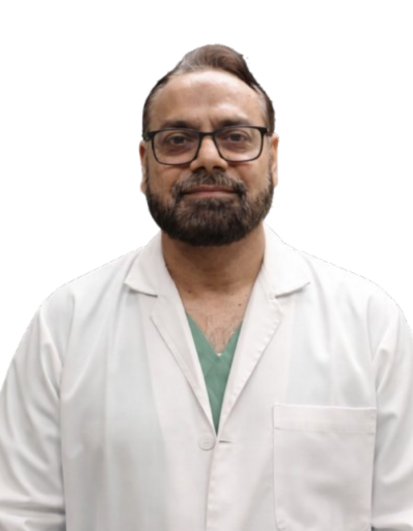
Meet Dr. Shariq Ahmad: Leading Orthopedic Specialist at Jigyasa Hospital
Dr. Shariq Ahmad brings extensive expertise to orthopedic care in Moradabad. With specialized training in orthopedic surgery and a patient-centered approach, he treats a wide range of bone and joint disorders using both conservative and surgical methods.
Dr. Ahmad believes in individualized treatment plans tailored to each patient's condition, age, activity level, symptoms, and recovery goals. He combines evidence-based medicine with clear communication so patients can understand their diagnosis and treatment choices.
When surgery is necessary, Dr. Ahmad favors minimally invasive techniques whenever appropriate and places strong emphasis on rehabilitation to support complete and lasting recovery.
Jigyasa Hospital: Your Orthopedic Care Partner
State-of-the-Art Facilities
Jigyasa Hospital offers digital X-ray, CT scans, MRI access, modern operating theaters, and rehabilitation support to ensure accurate diagnosis and high-quality orthopedic treatment.
Comprehensive Orthopedic Services
Services include consultation, diagnosis, conservative treatment, minimally invasive procedures, fracture care, sports injury management, joint replacement, and structured rehabilitation.
Patient Comfort and Safety
The hospital maintains strong infection control standards, comfortable patient facilities, and coordinated care designed to support smooth treatment and recovery.
Conditions Treated by Dr. Shariq Ahmad at Jigyasa Hospital
Knee Problems
Meniscal tears, ACL injuries, and knee osteoarthritis are evaluated carefully and managed through physiotherapy, injections, arthroscopy, or knee replacement depending on severity and patient needs.
Shoulder Conditions
Rotator cuff tears, frozen shoulder, shoulder dislocation, and instability are treated with a combination of rehabilitation, pain management, and arthroscopic repair where needed.
Fracture Management
From simple stable fractures to complex injuries requiring internal fixation, Dr. Ahmad provides trauma care using reduction, immobilization, and operative methods when indicated.
Hip Conditions
Hip osteoarthritis, labral tears, and femoroacetabular impingement are assessed and treated through conservative therapy or advanced hip surgery depending on the patient's condition.
The Role of Physical Therapy in Orthopedic Recovery
Recovery from orthopedic injury or surgery depends heavily on structured rehabilitation. Jigyasa Hospital's physiotherapy team works alongside Dr. Shariq Ahmad to guide patients through staged recovery programs.
Phase 1: Protection and Immediate Motion
Early recovery focuses on protecting healing tissue while beginning gentle movement to reduce stiffness and improve circulation.
Phase 2: Passive to Active Motion
As healing progresses, exercises move from therapist-assisted motion toward patient-led movement and gradual strength rebuilding.
Phase 3: Strengthening
Targeted strengthening exercises help restore muscle support around the affected joint and improve functional control.
Phase 4: Return to Activity
Functional and activity-specific training helps patients return to daily life, work, or sports with better confidence and lower re-injury risk.
Advanced Diagnostic Techniques
Accurate diagnosis is the foundation of effective treatment. Dr. Ahmad uses clinical examination together with modern imaging and targeted procedures to identify the true cause of pain and dysfunction.
Clinical Examination
Assessment of range of motion, stability, pain, swelling, muscle strength, and functional limitation remains central to diagnosis.
Imaging Studies
X-rays, MRI, CT scans, and ultrasound are used selectively to evaluate fractures, cartilage damage, ligament injuries, tendon disorders, and spinal conditions.
Diagnostic Injections
In some cases, local anesthetic injections help confirm which joint or structure is responsible for the patient's pain and guide treatment decisions more accurately.
Conservative vs. Surgical Treatment: Making the Right Choice
One of Dr. Shariq Ahmad's strengths is deciding when non-surgical treatment is enough and when surgery becomes the better option. Most orthopedic conditions are first approached conservatively whenever safe and appropriate.
Conservative Management
This may include anti-inflammatory medicines, physiotherapy, exercise correction, braces, slings, activity modification, and targeted injections to reduce pain and improve function.
When Surgery Becomes Necessary
Surgery may be needed when conservative treatment fails, structural damage requires repair, nerve compression causes progressive symptoms, or mobility is severely affected by the condition.
What to Expect During Your Orthopedic Visit
Your first consultation includes a detailed history, physical examination, review of any previous imaging, and a discussion of likely causes and treatment options.
Follow-up visits help track pain relief, motion, strength, healing, and rehabilitation progress. Treatment plans are adjusted according to your response and goals.
This structured process ensures that patients understand their condition and participate actively in decisions about care.
Preventing Orthopedic Problems: A Proactive Approach
Strength and Flexibility
Regular exercise that maintains muscle strength and joint flexibility helps reduce injury risk and improves long-term orthopedic health.
Proper Body Mechanics
Correct posture, lifting technique, and movement habits help prevent back pain, overuse injuries, and mechanical strain.
Weight Management and Recovery
Maintaining a healthy weight reduces stress on the knees, hips, and ankles, while adequate rest between intense activities supports tissue repair and prevents overuse problems.
Contact Jigyasa Hospital for Orthopedic Care
When orthopedic problems begin affecting your quality of life, seeking expert care early can improve outcomes and reduce long-term complications.
Dr. Shariq Ahmad and the orthopedic team at Jigyasa Hospital provide consultation, conservative treatment, surgery, and rehabilitation support for bone and joint conditions in Moradabad.
Specialist: Dr. Shariq Ahmad - Orthopedic Surgery and Bone Care, Jigyasa Hospital, Moradabad.
Call Now
7900903333Hospital Address
Jigyasa Hospital, Near Miglani Cinema, Rampur Road, Moradabad 244001
Email Us
info@jigyasahospital.inAdvanced Orthopedic Treatments at Jigyasa Hospital
Arthroscopic Surgery
Minimally invasive surgery using a camera and small instruments can reduce tissue damage, post-operative pain, and recovery time when compared with more extensive open procedures.
Joint Replacement Surgery
For severe arthritis, joint replacement can provide major pain relief and functional improvement. Procedures may include total knee replacement, total hip replacement, and shoulder replacement options.
Ligament and Cartilage Procedures
ACL reconstruction, meniscal procedures, rotator cuff repair, and cartilage restoration techniques are performed for carefully selected patients to improve stability and preserve joint function.
Recovery Expectations: Timeline and Milestones
Recovery depends on the specific condition, the treatment performed, the patient's age, overall health, and adherence to rehabilitation. Healing timelines vary, but proper follow-up and physiotherapy strongly influence outcomes.
Simple fractures may take several weeks to heal, while ligament reconstruction, rotator cuff repair, and joint replacement require longer, structured rehabilitation programs. Patients usually recover in stages, with gradual improvement in pain, strength, movement, and confidence.
Setting realistic expectations helps patients stay committed to recovery and reduces frustration during the rehabilitation process.
Why Jigyasa Hospital and Dr. Shariq Ahmad
Comprehensive Bone and Joint Care
Expert diagnosis and treatment for fractures, arthritis, joint pain, spinal disorders, and sports injuries.
Advanced Orthopedic Diagnosis
Clinical examination supported by X-rays, MRI, CT scans, ultrasound, and targeted orthopedic assessment.
Conservative and Surgical Treatment
From medication and physiotherapy to minimally invasive procedures and complex orthopedic surgery.
Sports Injury and Trauma Expertise
Focused care for ligament injuries, meniscal tears, fractures, and return-to-activity rehabilitation.
Structured Recovery Planning
Treatment plans designed around pain relief, mobility restoration, rehabilitation, and long-term joint protection.
Trusted in Moradabad
Reliable orthopedic care for patients in Moradabad and nearby regions at Jigyasa Hospital.
Frequently Asked Questions
What is an orthopedic specialist, and what do they treat?
An orthopedic specialist, or bone specialist, is a medical doctor trained to diagnose, treat, and manage conditions affecting bones, joints, muscles, ligaments, and tendons. They treat fractures, arthritis, sports injuries, spinal conditions, joint problems, and degenerative diseases. Dr. Shariq Ahmad at Jigyasa Hospital provides comprehensive orthopedic care using both conservative and surgical approaches.
What is the difference between orthopedic surgery and physical medicine and rehabilitation?
Orthopedic surgeons diagnose and treat structural musculoskeletal problems using surgical and non-surgical methods. Physical medicine and rehabilitation specialists focus on recovery and restoring function, mainly through therapy-based treatment. These specialties often work together, with orthopedic surgery addressing the structural issue and rehabilitation helping restore movement and strength.
When should I see an orthopedic specialist instead of my family doctor?
You should see an orthopedic specialist if you have persistent joint pain lasting more than two weeks, swelling or stiffness, reduced mobility affecting daily life, sports injuries, suspected fractures, or symptoms worsening despite home treatment. Early specialist consultation helps prevent complications and supports the right treatment plan.
Can orthopedic problems go away on their own?
Some minor injuries may improve with rest, ice, and basic care, but significant injuries such as fractures, ligament tears, and degenerative conditions usually require professional evaluation. Dr. Shariq Ahmad helps determine which conditions can be monitored safely and which need active treatment to prevent worsening.
What is the difference between acute and chronic orthopedic conditions?
Acute orthopedic conditions develop suddenly, often after trauma, such as fractures, sprains, or muscle tears. Chronic orthopedic conditions develop gradually over time, such as arthritis, tendinitis, and spinal degeneration. Both need proper evaluation because acute injuries can cause long-term damage if untreated, while chronic problems need management to reduce pain and slow progression.
Why Patients Choose Us
- 24/7 Emergency & Trauma Care
- Top Specialist Doctors
- Modern ICU & Operation Theatres
- Transparent & Affordable Pricing
- Ayushman Bharat Empanelled
- Cashless Insurance Support
- Multispeciality Under One Roof
Our Location
Near Miglani Cinema,
Rampur Road,
Moradabad 244001