
Cardiac Care in Moradabad - Dr. Amit Kumar Singh, Cardiologist at Jigyasa Hospital
Heart disease has become one of the most important health concerns in India, and families in Moradabad are also facing increasing cardiac risks. Changing diets, rising diabetes and hypertension, sedentary work, tobacco use, and ongoing stress can affect heart health, sometimes at an earlier age.
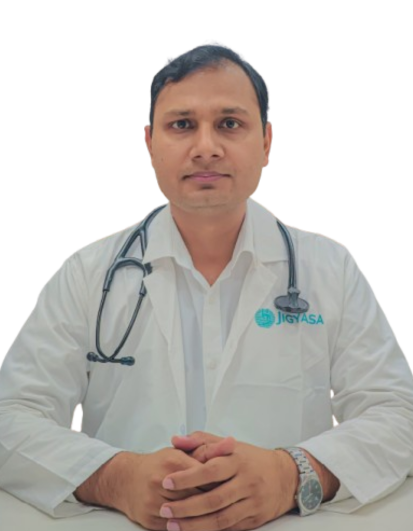
At Jigyasa Hospital, Moradabad, Dr. Amit Kumar Singh, Cardiologist, provides comprehensive cardiac care under one roof. Services range from routine heart health checkups and diagnostic testing to the treatment and long-term management of complex heart conditions.
This coordinated approach helps patients from Moradabad and western Uttar Pradesh receive timely specialist cardiac care close to home. It can also reduce the need for repeated travel to Delhi, Lucknow, or other larger cities for routine evaluation and follow-up.
Why Cardiac Care Matters More Than Ever in Moradabad
Heart disease often develops silently over several years before clear symptoms appear. By the time a person experiences chest pain, breathlessness, or severe fatigue, underlying heart or blood vessel problems may already be significant. Regular evaluation is important because early detection can allow risk factors and cardiac conditions to be addressed sooner.
Several lifestyle and health-related factors are contributing to the growing burden of heart disease in the region. Understanding these risks can help individuals and families decide when a preventive heart checkup or specialist cardiology consultation may be appropriate.
Rising rates of diabetes and high blood pressure, both important risk factors for heart disease.
Dietary changes involving more fried, processed, high-salt, and high-sugar foods.
Sedentary lifestyles among desk-based professionals, business owners, and other working adults.
Smoking and chewing tobacco, which can significantly increase cardiovascular risk.
A family history of heart disease, particularly when cardiac problems occurred at a young age.
Delayed diagnosis because symptoms are mistaken for acidity, gas, weakness, stress, or general tiredness.
Limited access to specialist cardiac care, causing some patients to seek treatment only during emergencies.
A cardiac evaluation is not only for people with severe symptoms. Individuals with diabetes, hypertension, tobacco exposure, a strong family history, obesity, or a sedentary lifestyle may benefit from periodic screening even when they feel well.
Comprehensive Cardiac Care Services at Jigyasa Hospital
Dr. Amit Kumar Singh offers a broad range of cardiology services covering prevention, diagnosis, treatment, and long-term follow-up. Each consultation begins with an understanding of the patient's symptoms, medical history, family history, daily habits, and cardiovascular risk factors.
The appropriate tests and treatment are selected according to the patient's condition rather than using the same approach for everyone. This helps patients understand their diagnosis, treatment choices, medication requirements, and the lifestyle changes needed to protect their heart.
1. Cardiac Consultation and Risk Assessment
A detailed review of symptoms, medical history, family history, diabetes, blood pressure, cholesterol, smoking, tobacco use, weight, and physical activity forms the foundation of the care plan. Periodic risk assessment is especially useful after age 40 or when a close family member has experienced heart disease.
2. Diagnostic Cardiology Services
Accurate diagnosis is essential for choosing the right treatment. Depending on the symptoms and clinical findings, patients may require ECG, echocardiography, TMT, Holter monitoring, blood investigations, or coronary angiography. The results are reviewed together to understand the complete cardiac picture.
3. Coronary Artery Disease Management
Patients with narrowed or blocked coronary arteries may be treated with medicines, lifestyle changes, angioplasty with stenting, or referral for bypass surgery. The recommended option depends on the number, location, and severity of blockages, heart function, diabetes status, kidney health, and overall medical condition.
4. Heart Rhythm Disorder Management
Slow heart rate, heart block, atrial fibrillation, and other irregular rhythms are evaluated through clinical assessment and appropriate rhythm monitoring. Patients who require a pacemaker or other advanced treatment can receive guidance and coordinated care according to their condition.
5. Heart Failure Management
When the heart cannot pump or fill efficiently, structured treatment can help control symptoms and improve quality of life. Care may include medication adjustment, monitoring of weight and fluid symptoms, lifestyle guidance, management of blood pressure and diabetes, and regular follow-up.
6. Hypertension Management
High blood pressure is one of the most common and important risk factors for heart disease. Ongoing care focuses on regular monitoring, medication optimisation, dietary counselling, physical activity, weight management, and understanding the importance of taking medicines consistently.
7. Diabetes and Cardiac Risk Management
Diabetes can increase the risk of coronary artery disease, heart failure, and other cardiovascular complications. Dr. Amit Kumar Singh helps patients understand and manage their cardiac risk in the context of diabetes, while coordinating with other specialists when comprehensive medical care is required.
8. Preventive Cardiology and Health Checkups
Preventive cardiac checkups can identify early warning signs in people who do not yet have symptoms. They are particularly useful for people with obesity, family history, tobacco use, diabetes, hypertension, high cholesterol, or a sedentary lifestyle, allowing changes to begin before serious disease develops.
9. Post-Cardiac Event Follow-Up
Patients recovering from a heart attack, angioplasty, bypass surgery, or pacemaker implantation need continued monitoring. Follow-up appointments help assess recovery, adjust medicines, control risk factors, identify new symptoms, and reduce the likelihood of future cardiac events.
Important Diagnostic Cardiology Services
The right diagnostic test depends on the patient's symptoms, examination findings, medical history, and risk profile. Some tests assess the heart's electrical activity, while others evaluate pumping function, valves, exercise response, blood markers, or the condition of the coronary arteries.
ECG
An electrocardiogram is a quick and non-invasive test that records the electrical activity of the heart. It can help identify rhythm abnormalities, conduction problems, signs of heart strain, and evidence of a previous heart attack.
Echocardiography
A 2D Echo uses ultrasound to assess the heart chambers, valves, wall movement, pumping function, and overall structure. It is useful for evaluating heart failure, valve disease, cardiomyopathy, and several other cardiac conditions.
TMT or Treadmill Test
A treadmill test evaluates how the heart responds to physical exertion. It may help identify exercise-related symptoms or changes that are not visible when the heart is being assessed at rest.
Holter Monitoring
Holter monitoring records the heart rhythm continuously for approximately 24 to 48 hours. It can help detect intermittent palpitations, irregular rhythms, pauses, or rhythm disturbances that may not appear during a short ECG.
Blood Investigations
Blood tests may include lipid profile, blood sugar, cardiac biomarkers, kidney function, blood counts, and other investigations. These tests help assess cardiovascular risk and guide safe, personalised treatment.
Coronary Angiography
Coronary angiography is a detailed catheter-based imaging test used to map blockages in the coronary arteries. It may be recommended when significant coronary artery disease is suspected or when treatment planning requires more precise information.
Diagnostic findings are interpreted along with the patient's symptoms and overall health. A single test does not always provide the complete answer, so Dr. Amit Kumar Singh explains whether additional evaluation, medical treatment, lifestyle changes, or specialist referral may be required.
Common Heart Conditions Treated
Dr. Amit Kumar Singh evaluates and manages a wide range of heart and cardiovascular conditions. Treatment is planned according to the severity of the disease, the patient's symptoms, test results, age, existing health conditions, and individual treatment requirements.
Coronary artery disease and heart blockage.
Heart attack evaluation and post-heart-attack follow-up care.
Heart failure involving a weak or stiff heart muscle.
Bradycardia, heart block, and other rhythm disorders requiring evaluation.
Atrial fibrillation and other irregular heart rhythms.
High blood pressure and hypertension-related heart disease.
Heart valve disorders and structural heart conditions.
Cardiomyopathy and reduced heart pumping function.
Heart disease associated with diabetes and metabolic conditions.
Post-COVID cardiac symptoms and related concerns.
Some heart conditions require regular monitoring even when symptoms improve. Continuing medicines as prescribed and attending follow-up appointments can help detect changes early and support better long-term control of cardiovascular disease.
Warning Signs That Need Cardiac Evaluation
Cardiac symptoms are not always dramatic. Some patients notice only reduced stamina, occasional breathlessness, unusual fatigue, or brief episodes of palpitations. These symptoms should not be dismissed when they are new, recurrent, worsening, or associated with risk factors such as diabetes, hypertension, or tobacco use.
Chest pain, pressure, heaviness, tightness, or discomfort, especially during exertion.
Breathlessness during physical activity, while lying flat, or during routine daily work.
Palpitations, skipped beats, or a sensation that the heartbeat is irregular.
Unexplained fatigue, reduced stamina, or difficulty performing usual activities.
Dizziness, near-fainting, or fainting episodes without an obvious explanation.
Swelling of the legs, ankles, feet, or abdomen, particularly when it is increasing.
Pain spreading to the arm, shoulder, jaw, neck, or back along with chest discomfort.
New cardiac symptoms in a person with a strong family history of heart disease.
Sudden or severe chest pain accompanied by sweating, breathlessness, nausea, faintness, or pain spreading to the arm, jaw, neck, or back requires immediate emergency medical attention. Do not wait for a routine appointment when symptoms suggest a possible heart attack or another urgent cardiac problem.
Who Should Get a Cardiac Checkup?
Routine cardiac screening can be helpful even when a person does not have obvious symptoms. A checkup allows the doctor to review blood pressure, blood sugar, cholesterol, family history, lifestyle factors, and other risks that may gradually affect the heart.
Adults above 40 years of age, even when they do not have obvious symptoms.
Individuals living with diabetes, high blood pressure, high cholesterol, or obesity.
People with a family history of heart disease, especially at a young age.
Individuals who smoke cigarettes or use chewing tobacco in any form.
People who are overweight, physically inactive, or exposed to prolonged stress.
Anyone with new, unexplained, recurrent, or worsening cardiac-related symptoms.
Patients recovering from a heart attack, angioplasty, bypass surgery, or pacemaker procedure.
Early detection can allow many cardiac conditions to be managed with lifestyle changes, medicines, and regular monitoring. In selected cases, timely diagnosis may also help prevent emergency complications or reduce the need for more complex treatment later.
The Jigyasa Hospital Approach to Cardiac Care
Cardiac care involves more than treating a single symptom or reviewing one test report. At Jigyasa Hospital, Dr. Amit Kumar Singh focuses on understanding the complete cardiac profile, explaining the diagnosis clearly, and creating a treatment plan that is appropriate for the patient's individual needs.
Personalised, Evidence-Based Treatment
Every treatment plan is based on diagnostic findings, risk factors, symptoms, heart function, and overall health. Not every blockage needs a stent, and not every palpitation needs a pacemaker. Careful evaluation helps determine the right level of treatment for each patient.
Complete Diagnostic Capability
Patients can access important stages of the cardiac diagnostic pathway, including ECG, echocardiography, TMT, Holter monitoring, blood testing, and angiography when required. This helps reduce unnecessary delays and repeated referrals between different facilities.
Continuity of Care
Whether a patient needs ongoing medicines, post-procedure review, blood pressure management, diabetes-related risk control, or recovery monitoring, continuing cardiac care is provided through appropriate follow-up rather than a single one-time consultation.
Locally Accessible Specialist Care
Patients from Moradabad and nearby areas can receive cardiac evaluation and follow-up close to home. Local access is particularly helpful for elderly patients, individuals with multiple health conditions, and those who need frequent monitoring after a cardiac event or procedure.
Affordable Access Through Ayushman Bharat
Jigyasa Hospital is empanelled under Ayushman Bharat PM-JAY. Eligible families may receive benefits for covered cardiac services according to applicable scheme guidelines. The hospital team can provide assistance with eligibility verification and related process guidance.
Preventing Heart Disease: Steps You Can Take Today
Heart health is influenced by daily habits as well as medical conditions. Regular checkups, consistent medicines, a balanced diet, physical activity, tobacco avoidance, and timely attention to symptoms can help reduce cardiovascular risk and support better long-term health.
Schedule regular heart checkups, especially after age 40 or when risk factors are present.
Monitor and control blood pressure and blood sugar through prescribed treatment and regular testing.
Follow a heart-healthy diet with less fried food, salt, sugar, and processed food.
Include fruits, vegetables, whole grains, and other nutritious foods in daily meals.
Stay physically active with around 30 minutes of moderate activity on most days, as advised by your doctor.
Stop smoking and chewing tobacco completely to reduce the risk of heart attack and stroke.
Maintain a healthy weight and pay attention to increasing abdominal fat.
Manage stress through adequate sleep, relaxation, exercise, and healthy coping methods.
Understand your family history and share relevant information during every medical consultation.
Never ignore chest discomfort, breathlessness, unusual fatigue, or sudden changes in exercise tolerance.
Do not stop prescribed medicines or begin strenuous exercise without medical advice, particularly if you have known heart disease. A cardiologist can help you choose realistic and safe steps according to your symptoms, test results, age, and other health conditions.
Ayushman Bharat PM-JAY at Jigyasa Hospital
Jigyasa Hospital is empanelled under the Ayushman Bharat Pradhan Mantri Jan Arogya Yojana, also known as PM-JAY. Eligible patients may be able to receive benefits for covered cardiac consultation, diagnostic services, and treatment according to the applicable scheme guidelines.
Coverage depends on individual eligibility and the specific treatment package. The hospital team can assist patients and families with eligibility verification and explain the required process during the hospital visit or consultation.
Complete Cardiac Evaluation
Comprehensive assessment of symptoms, medical history, family history, blood pressure, diabetes, cholesterol, and other cardiovascular risk factors.
Advanced Diagnostic Services
Access to ECG, 2D Echo, TMT, Holter monitoring, blood investigations, and coronary angiography when clinically required.
Personalised Treatment Planning
Treatment decisions are based on the patient's diagnostic findings, risk profile, heart function, lifestyle, and overall health.
Long-Term Risk Management
Ongoing support for controlling blood pressure, diabetes, cholesterol, weight, tobacco use, and other factors affecting heart health.
Post-Procedure Follow-Up
Structured cardiac follow-up after heart attack, angioplasty, bypass surgery, pacemaker implantation, or other cardiac procedures.
Accessible Care in Moradabad
Patients from Moradabad and western Uttar Pradesh can receive specialist cardiac evaluation and continuing care close to home.
Consult Dr. Amit Kumar Singh for Cardiac Care
If you have chest pain, breathlessness, palpitations, unusual fatigue, high blood pressure, diabetes, or a family history of heart disease, a timely cardiac evaluation can be important. Contact Jigyasa Hospital, Moradabad, to discuss your symptoms and heart health with Dr. Amit Kumar Singh.
The cardiac team can help assess your risk, recommend appropriate investigations, explain your reports, manage existing heart conditions, and provide continuing care after a heart attack, angioplasty, bypass surgery, or pacemaker procedure.
Address
Near Miglani Cinema, Rampur Road, Moradabad 244001
Phone
7900903333Frequently Asked Questions About Cardiac Care
When should I get my first heart checkup?
Most people should begin periodic cardiac risk screening around age 40, or earlier if they have diabetes, high blood pressure, high cholesterol, obesity, a family history of heart disease, or use tobacco. A cardiologist may recommend earlier or more frequent checkups depending on your individual risk profile and symptoms.
What tests are usually done during a cardiac checkup?
A typical cardiac checkup may include a clinical examination, blood pressure measurement, ECG, blood sugar testing, and a lipid profile. Depending on the symptoms and examination findings, additional tests such as echocardiography, TMT, Holter monitoring, or coronary angiography may be recommended.
Can heart disease be prevented?
Many cases of heart disease are linked to controllable risk factors such as unhealthy diet, physical inactivity, tobacco use, high blood pressure, high blood sugar, and high cholesterol. Although age and family history cannot be changed, controlling these modifiable factors can significantly reduce the risk of heart disease and related complications.
Is chest pain always a sign of a heart problem?
Chest pain can have several causes, including muscular strain, acidity, digestive problems, and anxiety. However, chest discomfort may also be a warning sign of a serious heart condition. Any new, unexplained, severe, or exertion-related chest pain should be evaluated by a cardiologist rather than being assumed to be harmless.
Do I need a referral to see a cardiologist at Jigyasa Hospital?
No referral is required to consult Dr. Amit Kumar Singh at Jigyasa Hospital. Patients can directly schedule a consultation for chest pain, breathlessness, palpitations, high blood pressure, diabetes-related cardiac risk, routine heart checkups, or any other heart-related concern.
Is cardiac care available for elderly patients with multiple health conditions?
Yes, cardiac evaluation and treatment are planned according to the patient's overall health profile. Special attention is given to other conditions such as diabetes, kidney disease, thyroid disorders, hypertension, and lung problems, which are common among elderly patients and may influence cardiac treatment decisions.
Does Jigyasa Hospital accept Ayushman Bharat for cardiac treatment?
Jigyasa Hospital is empanelled under Ayushman Bharat Pradhan Mantri Jan Arogya Yojana, also known as PM-JAY. Eligible patients may receive benefits for covered cardiac consultations, investigations, and treatments according to scheme guidelines. The hospital team can assist with eligibility verification and guidance.
What should I do if I experience sudden, severe chest pain?
Sudden or severe chest pain can be a medical emergency, especially when it is associated with sweating, breathlessness, nausea, dizziness, or pain spreading to the arm, jaw, neck, or back. Seek immediate emergency medical attention and do not wait for a scheduled appointment or attempt to manage the symptoms at home.
Why Patients Choose Us
- 24/7 Emergency & Trauma Care
- Top Specialist Doctors
- Modern ICU & Operation Theatres
- Transparent & Affordable Pricing
- Ayushman Bharat Empanelled
- Cashless Insurance Support
- Multispeciality Under One Roof
Our Location
Near Miglani Cinema,
Rampur Road,
Moradabad 244001