
Cardiac Surgeon in Moradabad – Dr. Amit Kumar Singh, Cardiology Specialist at Jigyasa Hospital
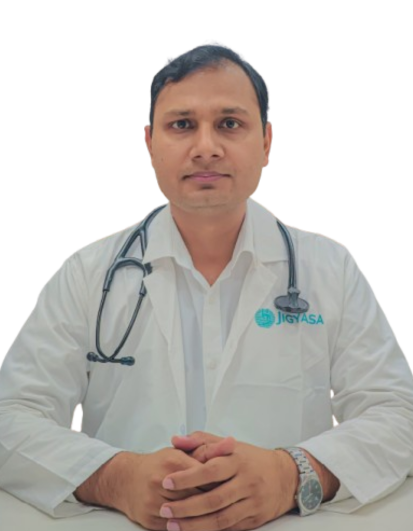
Patients diagnosed with serious heart conditions often face a confusing question: who should they see first, a cardiologist or a cardiac surgeon? At Jigyasa Hospital, Dr. Amit Kumar Singh serves as the first and most important point of contact for patients in Moradabad and the wider Rohilkhand region who may eventually require cardiac surgery. His role connects diagnosis, non-surgical management, and coordinated referral when surgery is truly needed.
Patients from Moradabad, Rampur, Amroha, Sambhal, Bijnor, and Chandausi rely on him for clear guidance at every stage. Instead of rushing into surgery, the focus is on careful evaluation, accurate testing, and a treatment path that is appropriate for the individual patient's condition and overall health.
Why Choose Jigyasa Hospital for Cardiac Surgery Evaluation
Jigyasa Hospital offers a practical local first approach for patients who may need advanced heart treatment. A large part of the surgical decision-making process can happen in Moradabad itself, including diagnosis, risk assessment, and deciding whether surgery is actually necessary. This saves time and reduces the stress of travelling to a distant city before the diagnosis is even confirmed.
Dr. Amit Kumar Singh evaluates each case in a stepwise and evidence-based way. He considers whether medical management, minimally invasive treatment, or surgery is the best option, always keeping the patient's safety and long-term outcome in mind.
The hospital also supports patients after surgery with ongoing follow-up and monitoring. This continuity is especially useful for patients who want trusted local care instead of repeated long-distance visits for routine recovery checks.
About Dr. Amit Kumar Singh
Dr. Amit Kumar Singh is a senior cardiologist at Jigyasa Hospital with extensive experience managing complex cardiac cases, including patients who may ultimately require surgical treatment for severe coronary artery blockages, valve disease, or congenital heart defects. Before any surgical pathway is considered, he conducts a thorough diagnostic evaluation to understand the seriousness of the condition and the patient's fitness for treatment.
His role is central to the patient journey, from the first symptom to the final treatment decision. He continues to provide long-term follow-up care even after a patient has undergone a surgical procedure elsewhere, which helps ensure continuity and better recovery monitoring.
Patients appreciate his balanced approach because it avoids both unnecessary delay and unnecessary intervention. The result is a treatment plan that is careful, clear, and based on what the heart actually needs.
Understanding the Path to Cardiac Surgery
Not every heart condition requires surgery, and many patients who fear they need an operation can actually be managed with medicines and lifestyle changes. That is why the evaluation process begins with conservative, evidence-based assessment rather than a direct push toward intervention.
Surgery is recommended only when diagnostic evidence shows that medical management alone will not adequately protect heart function or prevent a dangerous event. This careful approach protects patients from unnecessary procedures while ensuring the right cases are identified promptly.
When surgery is necessary, patients are guided step by step so they understand the reason, the risks, the benefits, and the expected recovery journey before a final decision is made.
Conditions That May Require Cardiac Surgery
Severe coronary artery disease, valve disease, congenital heart defects, advanced heart failure with structural complications, and aortic conditions can all lead to surgical consideration. These conditions are not treated the same way, so the diagnostic workup must be detailed enough to identify which pathway is most appropriate.
1. Severe Coronary Artery Disease: When multiple coronary arteries are significantly blocked, bypass surgery or angioplasty with stenting may be recommended. ECG, TMT, and angiography referral help determine the extent of blockage and the right treatment path.
2. Valve Disease: Narrowing or leakage of heart valves can eventually require surgical repair or replacement. Echocardiography is central to diagnosing valve disease and tracking how it changes over time.
3. Congenital Heart Defects: Structural heart abnormalities present since birth may be identified through echocardiography and clinical evaluation, with surgical correction planned in coordination with specialised surgical teams.
4. Heart Failure with Structural Complications: In select cases of advanced heart failure linked to structural heart problems, surgery may be considered alongside standard medical therapy to improve function and symptoms.
5. Aneurysms and Aortic Conditions: Serious enlargement or weakening of the aorta can require surgical repair to prevent rupture. These conditions are often found during symptom-driven or routine cardiac evaluation.
The Diagnostic Journey Before Surgery
Before surgical referral, Dr. Amit Kumar Singh follows a clear diagnostic sequence that begins with history and examination and then moves to tests that reveal heart rhythm, pumping function, and blood flow. This sequence helps determine the correct next step with minimal confusion.
Step 1: Initial Consultation and Symptom Assessment: Every patient begins with a detailed discussion of symptoms such as chest pain, breathlessness, fatigue, palpitations, or swelling, along with medical and family history.
Step 2: ECG and Basic Cardiac Workup: An ECG gives an immediate picture of the heart's electrical activity and may reveal prior heart attacks, rhythm abnormalities, or acute distress.
Step 3: Echocardiography: This imaging test checks heart chambers, valves, and pumping efficiency, forming the foundation for decisions about structural or valve-related surgical issues.
Step 4: Stress Testing (TMT): For patients with exertional symptoms, a treadmill test helps show how the heart responds under stress and whether a coronary blockage may be significant.
Step 5: Angiography Referral (When Indicated): If the findings suggest severe coronary artery disease, angiography may be recommended to map blockages and guide the choice between angioplasty, bypass surgery, or medical management.
Step 6: Surgical Coordination: Once a surgical need is confirmed, Dr. Amit Kumar Singh coordinates with the appropriate specialists and shares the full diagnostic history to reduce delay and repeated testing.
Pre-Surgical Risk Assessment
Before any cardiac surgery, a thorough risk assessment is essential to make sure the patient is fit for the procedure and to anticipate possible complications. This step helps improve planning and keeps the patient informed about what to expect.
Risk assessment includes evaluation of heart function, diabetes, kidney function, hypertension, blood work, medication review, and lifestyle factors such as smoking and overall fitness. These details influence both surgical risk and recovery speed.
By reviewing the full medical picture beforehand, the team can prepare more safely and make better decisions about timing and referral.
Non-Surgical Alternatives Considered First
Before recommending surgical referral, Dr. Amit Kumar Singh always considers every reasonable non-surgical option. This includes optimized medication therapy, lifestyle modification, and close monitoring over time to see whether the condition can be controlled without an operation.
Minimally invasive options such as angioplasty with stenting may also be considered where appropriate. This measured approach ensures that surgery is reserved for situations where it offers a real and necessary benefit over continued medical treatment.
The goal is to protect the patient from avoidable intervention while still acting quickly when the heart clearly needs more than medication alone.
Life After Cardiac Surgery: Ongoing Care at Jigyasa Hospital
Cardiac surgery is not the end of a patient's heart health journey. It is the beginning of a new phase of long-term management, and regular follow-up remains essential for a good outcome. Patients who have had bypass surgery, valve repair, or another cardiac procedure continue to be monitored by Dr. Amit Kumar Singh at Jigyasa Hospital.
Follow-up care may include repeat echocardiograms, medication adjustment, cardiac rehabilitation guidance, and monitoring for complications such as arrhythmias or graft narrowing. This ongoing care helps patients return to daily life more safely and with greater confidence.
Patients from Rampur, Amroha, Sambhal, and Bijnor especially benefit from having a trusted local cardiologist manage their recovery instead of making repeated long-distance trips to a surgical center for routine review.
Why Local Cardiac Evaluation Matters Before Surgery
Many patients assume that any mention of heart surgery means they must immediately travel to a metro city. In reality, a major part of the decision-making process can happen locally, which gives patients faster answers and more confidence before taking the next step.
Local evaluation also reduces unnecessary travel costs, improves continuity, and lowers anxiety by allowing patients to stay close to a doctor who understands their full history. That combination can make the surgical journey easier to navigate.
The local first approach works especially well for patients who need clarity before any referral is made and for families who want one trusted specialist guiding the entire process.
When to Seek a Cardiac Surgery Consultation
Patients should consider a cardiac evaluation if chest pain persists despite medication, breathlessness limits daily activity, valve disease is worsening, or testing confirms multi-vessel coronary artery disease. Family history combined with abnormal tests is another important reason to seek specialist assessment.
Early evaluation allows for better surgical planning and often leads to improved outcomes compared with delayed presentation. It also gives the care team more time to assess risk and prepare a safer treatment path.
If you are unsure whether surgery is needed, the safest first step is a detailed cardiology consultation rather than waiting for symptoms to become severe.
Pre-Surgical Cardiac Evaluation
Detailed assessment using ECG, echo, stress testing, and angiography referral when indicated to determine whether surgery is truly needed.
Specialist Cardiologist
Care led by Dr. Amit Kumar Singh, a senior cardiologist experienced in complex heart disease evaluation and surgical decision guidance.
Surgical Coordination
Close coordination with cardiac surgical specialists for bypass surgery, valve repair, angioplasty, and other advanced procedures when required.
Advanced Diagnostic Support
On-site cardiac workup helps identify severe coronary disease, valve disease, congenital defects, and structural heart problems early.
Long-Term Follow-Up
Post-operative monitoring and ongoing cardiac care are provided after surgery to support recovery and prevent future complications.
Accessible Care in Moradabad
Expert cardiac evaluation is available locally at Jigyasa Hospital, near Miglani Cinema, Rampur Road, Moradabad.
Book a Consultation with Dr. Amit Kumar Singh
If you have been told that heart surgery may be needed, or if you want a clear second opinion before taking that step, Jigyasa Hospital in Moradabad offers specialist cardiac evaluation with proper testing and thoughtful guidance.
Patients from Moradabad and nearby towns can receive consultation, diagnostic workup, surgical planning guidance, and post-operative follow-up support in one trusted place.
Address
Near Miglani Cinema, Rampur Road, Moradabad 244001
Phone
7900903333Frequently Asked Questions About Cardiac Surgery Evaluation
Does Dr. Amit Kumar Singh perform cardiac surgery himself?
Dr. Amit Kumar Singh is a cardiologist who manages diagnosis, medical treatment, and pre- and post-surgical care, while coordinating with surgical specialists when a procedure is required. His role is to guide patients through the right decision at the right time.
How do I know if I need bypass surgery or angioplasty?
This depends on the number, location, and severity of blockages found during angiography, which is assessed after initial diagnostic testing with Dr. Amit Kumar Singh. The final recommendation is based on the full clinical picture, not on symptoms alone.
Can heart surgery be avoided with medication alone?
In many cases, especially when disease is caught early, medication and lifestyle changes can effectively manage heart disease without surgery. Each case is evaluated individually to decide whether conservative treatment is enough.
Is angiography necessary before every surgical decision?
Angiography often provides the detailed information needed to determine whether angioplasty, bypass surgery, or continued medical management is the right approach. Dr. Amit Kumar Singh recommends it when the findings suggest significant coronary disease.
How soon after surgery can I resume normal activities?
Recovery timelines vary by procedure, but Dr. Amit Kumar Singh provides structured follow-up and rehabilitation guidance to support a safe return to daily life. The pace of recovery depends on the operation, overall health, and follow-up care.
Do patients from Rampur or Sambhal need to travel for every follow-up after surgery?
No, most post-surgical follow-up care, including monitoring and medication adjustment, can be managed locally at Jigyasa Hospital. This helps patients avoid repeated long-distance travel for routine review.
What tests are needed before a cardiac surgery consultation?
Typically, ECG, echocardiography, and often a treadmill test or angiography are required to build a complete picture before any surgical discussion. The exact tests depend on the patient's symptoms and clinical findings.
Why Patients Choose Us
- 24/7 Emergency & Trauma Care
- Top Specialist Doctors
- Modern ICU & Operation Theatres
- Transparent & Affordable Pricing
- Ayushman Bharat Empanelled
- Cashless Insurance Support
- Multispeciality Under One Roof
Our Location
Near Miglani Cinema,
Rampur Road,
Moradabad 244001