
Child Eye Specialist in Moradabad — Trusted Eye Care for Kids with Dr. Deeksha Singh at Jigyasa Hospital
When it comes to a child's eyes, parents in Moradabad often have one central question: "Is this something normal, or does my child need to see a specialist?" Between watering eyes, complaints of headaches, a child sitting too close to the TV, or a teacher's note about squinting at the blackboard, it isn't always easy to know when a check-up is truly needed. A child eye specialist is trained specifically to answer that question — to tell the difference between something that will resolve on its own and something that needs prompt attention.
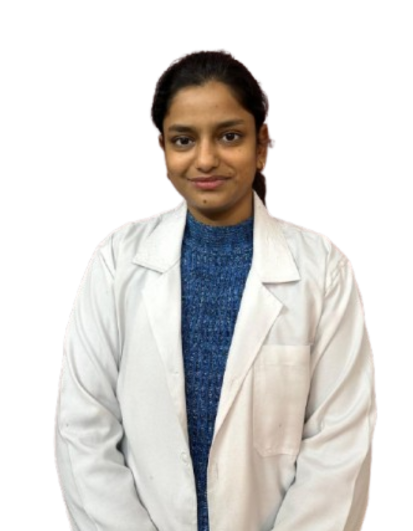
At Jigyasa Hospital, Moradabad, Dr. Deeksha Singh provides dedicated eye care for children, from newborns to teenagers, with examinations and treatment plans designed around how children actually behave, communicate, and grow. This guide covers what a child eye specialist does differently from a general eye doctor, the everyday signs parents shouldn't brush aside, and what to expect when you bring your child in for a check-up.
What Makes a Child Eye Specialist Different?
A general eye check-up designed for adults simply doesn't work for a two-year-old, and it doesn't work particularly well for a shy, distracted seven-year-old either. A child eye specialist is trained to:
Key Differences in Pediatric Eye Care
- • Communicate and build trust with children who may be nervous, restless, or too young to follow instructions
- • Use testing methods that don't rely on reading letters or verbally describing symptoms
- • Recognise conditions that are unique to childhood, such as congenital issues present from birth or conditions tied to a child's stage of visual development
- • Understand how untreated eye problems can affect a child's learning, behaviour, and confidence — not just their eyesight
- • Involve parents actively in the process, since much of a young child's treatment (like wearing glasses consistently or completing patching therapy) depends on support at home
This is why, for children, it's worth specifically seeking out a doctor experienced in pediatric eye care rather than a general eye check-up alone — particularly for infants, toddlers, or any child with a specific concern.
Everyday Signs Parents Notice First
Most visits to a child eye specialist don't start with a dramatic symptom — they start with a small, nagging observation from a parent, grandparent, or teacher. Some of the most common reasons families bring their child in include:
Common Observations from Parents
- • "She sits too close to the TV or holds her tablet right up to her face." Often a sign of short-sightedness (myopia).
- • "He squints or scrunches his face to see things far away." Can indicate a refractive error that hasn't yet been corrected.
- • "One eye seems to drift or turn, especially when she's tired." A classic early sign of squint, which is often more noticeable in photographs or when a child is unwell.
- • "His eyes water constantly, even when he's not crying." Common in infants due to a blocked tear duct, though it should still be checked if it persists.
- • "She complains of headaches after homework or reading." May point to uncorrected refractive error or eye strain.
- • "His teacher says he's not copying properly from the board." A frequently overlooked sign of a vision problem being mistaken for a learning or attention issue.
- • "Her eyes look red, swollen, or sticky in the morning." Could indicate conjunctivitis, allergy, or infection.
- • "In photos, one eye reflects white instead of the usual red-eye." An important sign that always warrants prompt evaluation, as it can occasionally indicate a more serious underlying condition.
None of these signs should cause alarm on their own, but each is a good enough reason to book a check-up rather than simply wait and watch.
Conditions a Child Eye Specialist Commonly Treats
A child eye specialist is trained to manage a wide range of conditions affecting infants, toddlers, and school-going children. Some of the most commonly treated conditions include:
Common Pediatric Eye Conditions
- • Refractive Errors (Number Problems): Myopia (short-sightedness), hyperopia (long-sightedness), and astigmatism are among the most common reasons children need glasses. Left uncorrected, these can affect not just vision but also academic performance and confidence.
- • Squint (Tirchi Aankh): Known locally as tirchi aankh, squint is one of the most common conditions seen in child eye clinics. It can be present from birth or develop later, and treatment ranges from glasses to patching to surgery, depending on the cause and severity.
- • Lazy Eye (Amblyopia): When one eye doesn't develop normal vision — often because of squint or a big difference in prescription between the two eyes — the brain begins to favour the stronger eye. This is highly treatable in early childhood but becomes much harder to correct if diagnosed late.
- • Blocked Tear Ducts: Persistent watering or sticky discharge in babies is frequently due to a blocked nasolacrimal duct. Many cases improve with simple home care and time, but ongoing symptoms may need further evaluation.
- • Eye Infections and Allergies: Conjunctivitis ("pink eye"), styes, and seasonal allergic reactions are common in school-going children and are usually straightforward to treat once properly diagnosed.
- • Congenital Eye Conditions: Some children are born with conditions such as congenital cataracts, ptosis (drooping eyelid), or other structural differences that need specialist evaluation, often soon after birth.
- • Eye Injuries: Children are naturally active, and minor eye injuries from play, sports, or accidents are not uncommon. Prompt evaluation helps ensure no lasting damage to the eye's delicate structures.
When Should You Bring Your Child for an Eye Check-Up?
Many parents assume an eye check-up is only necessary if a child complains about their vision — but this approach misses a large number of childhood eye problems, since children frequently don't realise their own vision is abnormal. As a general guide:
Recommended Check-Up Schedule
- • Soon after birth: A basic newborn eye check helps catch any obvious structural concerns early.
- • By 6–12 months: Especially important for babies born prematurely or with a family history of eye problems.
- • Around age 3: A more complete check-up becomes easier to perform as children can begin to cooperate with basic testing.
- • Before starting school: A thorough check-up ensures your child begins their education with clear, comfortable vision.
- • Every 1–2 years through school age: Regular monitoring helps catch new or progressing refractive errors early, particularly as screen time increases with age.
If there's a family history of squint, high number (refractive error), or lazy eye, or if your child was born prematurely, earlier and more frequent check-ups are usually recommended.
What Happens During a Child's Eye Check-Up at Jigyasa Hospital
A visit to a child eye specialist looks quite different from an adult eye exam, and the process at Jigyasa Hospital is designed to keep children as comfortable and cooperative as possible:
Conversation with Parents
1. Understanding your specific concerns, your child's birth and developmental history, and any relevant family eye history.
Vision Testing Suited to Your Child's Age
2. Using picture-based charts for younger children who can't yet read letters, and standard charts for older children.
Checking Eye Movement and Alignment
3. Done through simple, non-invasive observation techniques, often using a toy or light to hold the child's attention.
Checking the Eye's Focusing Power (Refraction)
4. This can often be measured accurately even in very young children who can't respond verbally, using specialised techniques.
A Closer Look at the Eye Itself
5. Examining the front and back of the eye to rule out structural issues, sometimes using dilating drops for a clearer view.
Explaining Findings to Parents
6. Findings are explained in plain language — with a clear plan for next steps, whether that's reassurance, glasses, further monitoring, or referral for treatment.
The goal throughout is not just an accurate diagnosis, but a positive experience — a child who feels comfortable during their first eye check-up is far more likely to cooperate willingly with follow-up visits and ongoing treatment.
Treatment Options Available for Children
Once a diagnosis is made, treatment is planned around your child's specific age, condition, and needs. Depending on the diagnosis, this may include:
Common Pediatric Treatments
- • Prescription glasses: Correctly fitted and regularly reviewed as your child grows, since a child's prescription can change over time.
- • Patching therapy: Used to treat lazy eye by encouraging the brain to strengthen the weaker eye.
- • Eye drops or medication: For infections, allergies, or inflammation.
- • Vision exercises: For certain focusing or coordination difficulties.
- • Minor in-clinic procedures: Such as tear duct probing for persistent blocked ducts that haven't resolved with time.
- • Surgery: Recommended when needed for conditions like significant squint, congenital cataracts, or ptosis affecting vision, planned carefully around your child's age.
Parents are kept closely involved at every stage, since consistent follow-through — making sure glasses are worn, patching is completed as advised, and follow-up visits are kept — plays a major role in how well treatment works.
Dedicated Pediatric Eye Evaluation
Examinations are designed specifically for children rather than using a one-size-fits-all adult-style exam, with age-appropriate testing methods and a child-friendly approach.
Full Diagnostic Assessment
From vision and refraction to alignment and eye health checks, every aspect of your child's visual development is thoroughly evaluated to catch problems early.
Individualised Treatment Plans
Treatment is built around each child's age, diagnosis, and comfort level, whether the need is glasses, patching, medication, or surgery.
Integrated Hospital Facilities
As part of a multispeciality hospital, diagnostics and coordinated specialist care are available when needed, ensuring comprehensive support for your child's eye health.
Convenient, Accessible Location
Located on Rampur Road near Miglani Cinema, the hospital is easily reachable for families across Moradabad and neighbouring districts including Rampur, Sambhal, and Amroha.
Tips for Parents: Supporting Your Child's Eye Health at Home
Alongside professional care, a few simple habits at home can support healthy vision:
Simple Habits for Healthy Vision
- • Encourage regular breaks during screen time — a simple rule of looking at something distant every 20 minutes can help reduce eye strain.
- • Ensure good lighting when your child reads or does homework.
- • Encourage outdoor play; time spent outdoors has been associated with a lower risk of myopia progression in children.
- • Keep an eye out for the everyday signs listed earlier, and don't wait for a symptom to become obvious before booking a check-up.
- • If your child is prescribed glasses, encourage consistent use — inconsistent wear is one of the most common reasons treatment takes longer to show results.
- • Keep track of family eye history, including squint, high refractive errors, or lazy eye, and mention this at your child's check-up.
Why Parents in Moradabad Choose Jigyasa Hospital
Families across Moradabad, Rampur, Amroha, and Sambhal trust Jigyasa Hospital for their children's eye care because of the balance between thorough clinical evaluation and a genuinely patient, child-friendly approach.
What Sets Jigyasa Hospital Apart
- • Dedicated pediatric eye evaluation rather than a one-size-fits-all adult-style exam
- • Full diagnostic assessment, from vision and refraction to alignment and eye health checks
- • Individualised treatment plans built around each child's age, diagnosis, and comfort
- • Clear, jargon-free explanations for parents, so you understand exactly what's being treated and why
- • Integrated hospital facilities, including diagnostics and coordinated specialist care when needed
- • Convenient location on Rampur Road near Miglani Cinema, easily accessible from across the city
Serving Moradabad and the Surrounding Region
Jigyasa Hospital's accessible location on Rampur Road, near Miglani Cinema, brings quality pediatric eye care within reach for families across Moradabad and the wider region, including Rampur, Sambhal, Amroha, and nearby districts. This accessibility means families don't need to travel long distances to access thorough, child-friendly eye care.
Book an Appointment with Dr. Deeksha Singh
Jigyasa Hospital offers dedicated eye care for children under the guidance of Dr. Deeksha Singh. Child-friendly examinations and age-appropriate treatment plans can help protect your child's vision and support healthy visual development.
Near Miglani Cinema, Rampur Road, Moradabad 244001
Call Now
7900903333Frequently Asked Questions
How do I know if my child needs glasses?
Signs like sitting close to the TV, squinting, holding books very close, or headaches after reading are worth getting checked. A proper refraction test is the only reliable way to confirm whether glasses are needed.
My child seems fine — do they still need a check-up?
Yes, ideally. Many eye conditions in children don't cause obvious complaints, since children often don't realise their vision is different from what's normal.
Is squint in babies something to worry about?
Not always — some infants have a false appearance of squint due to facial structure (pseudo-squint). Still, it's worth having it properly checked to rule out true misalignment.
At what age can my child start doing a proper eye test?
Even infants and toddlers can be assessed using specialised, age-appropriate techniques — you don't need to wait until your child can read letters.
Will my child's eye number keep changing?
It's common for refractive errors to change as children grow, which is why regular follow-up check-ups (usually every 1–2 years, or as advised) are recommended.
What should I bring to my child's first eye check-up?
Any previous prescriptions or reports, a note of your concerns, and information about family eye history, if relevant.
What are the common signs of vision problems in children?
Common signs include sitting too close to the TV, squinting to see things far away, one eye drifting or turning, constant watering of eyes, headaches after reading, difficulty copying from the board, red or swollen eyes, and white reflection in photographs instead of red-eye.
How can I book an appointment with Dr. Deeksha Singh at Jigyasa Hospital?
You can reach Jigyasa Hospital at 7900903333 or visit the hospital directly at Rampur Road, Near Miglani Cinema, Moradabad, to schedule an eye consultation.
Why Patients Choose Us
- 24/7 Emergency & Trauma Care
- Top Specialist Doctors
- Modern ICU & Operation Theatres
- Transparent & Affordable Pricing
- Ayushman Bharat Empanelled
- Cashless Insurance Support
- Multispeciality Under One Roof
Our Location
Near Miglani Cinema,
Rampur Road,
Moradabad 244001