

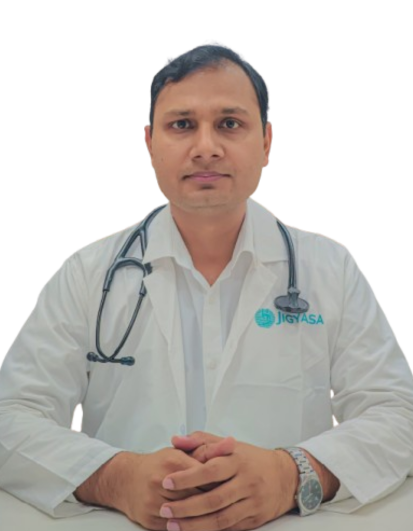
Cholesterol Treatment in Moradabad - Dr. Amit Kumar Singh, Cardiology, Jigyasa Hospital
High cholesterol is a silent but important risk factor for heart disease because it can slowly narrow the arteries over time without causing obvious symptoms. Many people discover it only through routine testing or after they have already developed related heart or vascular problems.
At Jigyasa Hospital, Moradabad, Dr. Amit Kumar Singh provides careful evaluation and personalized cholesterol treatment for patients who need better lipid control and long-term cardiovascular risk reduction. His approach focuses on understanding the full picture rather than treating cholesterol numbers in isolation.
This page explains what cholesterol means, why it matters, how it is treated, and why patients in Moradabad choose Jigyasa Hospital for specialist heart care.
Understanding Cholesterol and Why It Matters
Cholesterol is a fat-like substance that the body needs in small amounts, but when levels become too high, especially LDL cholesterol, it can start to build up in the walls of the arteries. This process gradually narrows blood flow and increases the risk of atherosclerosis.
A lipid profile usually includes LDL, HDL, triglycerides, and total cholesterol. The goal is not only to lower total cholesterol, but to reduce harmful LDL and triglycerides while supporting healthy HDL levels.
Proper cholesterol control is one of the most effective ways to protect the heart and prevent future cardiovascular disease.
Why High Cholesterol Is Dangerous
High cholesterol usually causes no symptoms, but it can contribute to major health problems over time. The hidden nature of the condition makes screening and treatment especially important for adults with family history or other risk factors.
Coronary Artery Disease
Plaque buildup in the arteries supplying the heart can reduce blood flow and raise the risk of chest pain or heart attack.
Stroke Risk
If plaque or a clot blocks blood flow to the brain, it can cause a stroke and lead to serious disability or emergency treatment.
Peripheral Artery Disease
Narrowing of arteries in the limbs can reduce circulation and cause pain, numbness, or walking difficulty, especially in the legs.
Because cholesterol problems develop quietly, regular screening and early treatment are the best ways to lower long-term risk.
What Causes High Cholesterol?
High cholesterol is usually caused by a combination of diet, lifestyle, genetics, and other medical conditions. Understanding the contributing factors helps build a more effective treatment plan.
Lifestyle and Diet
Too much saturated fat, trans fat, processed sugar, smoking, inactivity, and weight gain can all worsen the lipid profile.
Genetics and Medical Conditions
Familial hypercholesterolemia, diabetes, hypothyroidism, kidney disease, and liver disease may also contribute to abnormal cholesterol levels.
Patients with elevated LDL, low HDL, or high triglycerides on a recent lipid profile.
Patients with a family history of heart attack, stroke, or high cholesterol at a young age.
Patients with diabetes, high blood pressure, obesity, or other cardiovascular risk factors.
Patients whose cholesterol remains high despite dietary or lifestyle changes.
Patients with chest discomfort or reduced exercise tolerance.
Patients who want a full cardiovascular risk evaluation.
Patients who need long-term cholesterol and heart health guidance.
Why See a Cardiologist for Cholesterol Treatment
Cholesterol treatment is more than a diet conversation when LDL remains high, risk factors are present, or heart disease has already started. A cardiologist can evaluate the full cardiovascular picture and recommend the right balance of lifestyle changes and medication.
Dr. Amit Kumar Singh considers blood pressure, blood sugar, family history, weight, smoking, and existing heart disease before deciding how aggressively cholesterol needs to be managed.
This makes treatment safer, more personalized, and more effective for long-term prevention.
Diagnostic Tests Commonly Used
A cholesterol consultation usually includes review of the lipid profile and may also include other tests to measure overall heart risk and identify causes of abnormal cholesterol.
Comprehensive Evaluation
Dr. Amit Kumar Singh reviews the lipid profile, medical history, family history, dietary habits, lifestyle, and physical examination findings to understand the patient's complete heart risk picture.
Overall Cardiovascular Risk Assessment
Cholesterol is assessed along with blood pressure, blood sugar, weight, smoking history, and family history to determine how aggressively treatment should be planned.
Checking for Underlying Causes
For very high or early-onset cholesterol, testing may be done for causes such as thyroid dysfunction, genetic factors, or other medical conditions.
Tracking Response Over Time
Follow-up lipid profiles help measure whether treatment is working and whether changes in medication or lifestyle are needed.
Monitoring Metabolic Health
Weight, diabetes status, and related metabolic issues are also reviewed because they strongly influence cholesterol balance and long-term cardiovascular risk.
Patient Education
Patients are guided about food choices, medication use, and the role they play in keeping cholesterol under control for the long term.
Understanding Treatment Options
Treatment depends on cholesterol levels, associated risk factors, and whether the patient already has signs of cardiovascular disease. The plan may begin with lifestyle changes and move to medicines when needed.
Dietary guidance: Practical changes such as reducing saturated and trans fats, limiting processed foods, and increasing fiber intake can help improve lipid levels.
Physical activity: Regular exercise, such as brisk walking, supports better HDL levels and overall heart health.
Medicine when needed: Statins or other lipid-lowering drugs may be prescribed when lifestyle changes are not enough or risk is high.
Weight and metabolic management: Addressing obesity, insulin resistance, or related issues can improve the overall cholesterol profile.
Regular monitoring: Repeat lipid tests are used to measure progress and adjust treatment if needed.
Long-term prevention: The goal is not only to lower numbers, but also to reduce the risk of heart attack and stroke over time.
Follow-up is important because cholesterol management works best when progress is tracked and treatment is adjusted over time.
Practical Steps to Help Manage Cholesterol
Everyday habits can strongly support medical treatment and improve cholesterol levels over time. These changes are most effective when followed consistently.
Choose healthier fats and avoid trans fats.
Increase fiber from oats, fruits, vegetables, and legumes.
Stay physically active on most days of the week.
Maintain a healthy weight and avoid smoking.
Limit added sugar and refined carbohydrates.
Take prescribed medication consistently and repeat lipid tests regularly.
When Should You See a Cholesterol Specialist?
You should consult Dr. Amit Kumar Singh if your lipid profile shows elevated LDL, low HDL, or high triglycerides, or if you have a family history of early heart disease or stroke. Patients with diabetes, obesity, or high blood pressure also benefit from specialist evaluation.
Even without symptoms, periodic screening is recommended because high cholesterol rarely gives warning signs before it begins causing damage.
A structured evaluation helps patients understand their risk and choose the right long-term plan for prevention.
Why Choose Jigyasa Hospital for Cholesterol Treatment?
Jigyasa Hospital provides specialist cholesterol and cardiac care in Moradabad with diagnostics, consultation, treatment, and follow-up in one place. This helps patients stay consistent with care and avoid unnecessary travel.
On-site lipid profile and cardiac diagnostics.
Cardiology expertise under Dr. Amit Kumar Singh.
Ongoing follow-up and treatment adjustment.
Convenient Moradabad location for local patients.
Patient-centered education and risk management.
Ayushman Bharat PM-JAY support for eligible families.
Ayushman Bharat PM-JAY at Jigyasa Hospital
Jigyasa Hospital is empanelled under Ayushman Bharat Pradhan Mantri Jan Arogya Yojana, also known as PM-JAY. Eligible patients may receive covered cardiac evaluation and treatment according to the scheme guidelines.
The hospital team can help verify eligibility and explain the next steps during consultation.
Comprehensive Lipid Evaluation
Detailed assessment of lipid profile, family history, lifestyle, and overall cardiovascular risk to guide the right treatment plan.
Personalized Cholesterol Care
Treatment is tailored to the patient's LDL, HDL, triglycerides, overall risk, and coexisting health conditions.
Heart Risk Reduction
Focused management helps lower the risk of coronary artery disease, stroke, and other complications linked to uncontrolled cholesterol.
On-Site Diagnostics
Lipid profile testing, ECG, and other relevant investigations help assess current status and monitor progress over time.
Regular Follow-Up
Ongoing review and repeated lipid checks help adjust the treatment plan and keep cholesterol under control long term.
Accessible Care in Moradabad
Cholesterol and cardiac care are available locally at Jigyasa Hospital, Near Miglani Cinema, Rampur Road.
Consult Dr. Amit Kumar Singh for Cholesterol Guidance
If your lipid profile shows high cholesterol or you have risk factors such as diabetes, high blood pressure, obesity, or family history of early heart disease, a detailed evaluation is important. Contact Jigyasa Hospital, Moradabad, to discuss your condition with Dr. Amit Kumar Singh.
The cardiac team can help you understand your reports, assess your cardiovascular risk, plan treatment, and support long-term cholesterol control for better heart health.
Address
Near Miglani Cinema, Rampur Road, Moradabad 244001
Phone
7900903333Frequently Asked Questions About Cholesterol
Can high cholesterol be controlled without medication?
In many cases, especially when caught early, lifestyle changes alone such as diet, exercise, and weight management can improve cholesterol levels meaningfully. However, some patients with genetic factors or very high levels may also need medicine.
How often should I get my cholesterol checked?
Adults are generally advised to have a lipid profile at least once every one to two years. If you have risk factors or are already under treatment, your doctor may recommend more frequent testing.
Is all cholesterol bad for the body?
No. Cholesterol is needed in the right amount for normal body function. HDL is protective, while high LDL and triglycerides are the main concerns for cardiovascular risk.
Do I need to see a cardiologist for slightly elevated cholesterol?
Mildly elevated cholesterol with no other risk factors may be managed with lifestyle changes and a general physician, but a cardiologist becomes more important when cholesterol is high, persistent, or linked with other heart risk factors.
Will I need to take cholesterol medication for life?
This depends on the individual case. Some patients may reduce or adjust medication after sustained lifestyle improvement, while others, especially those with genetic causes, may need long-term treatment.
Is cholesterol treatment available in Moradabad?
Yes. At Jigyasa Hospital, Dr. Amit Kumar Singh provides cholesterol evaluation, treatment planning, follow-up, and overall cardiac risk management in Moradabad.
Does Ayushman Bharat PM-JAY cover cholesterol treatment?
Jigyasa Hospital is empanelled under Ayushman Bharat PM-JAY. Coverage for cholesterol-related tests or treatment depends on eligibility and scheme guidelines, and the hospital team can help verify this during consultation.
Why is high cholesterol dangerous even without symptoms?
High cholesterol often causes no symptoms until it has already contributed to artery narrowing, heart disease, stroke, or other vascular problems, which is why regular screening is important.
Why Patients Choose Us
- 24/7 Emergency & Trauma Care
- Top Specialist Doctors
- Modern ICU & Operation Theatres
- Transparent & Affordable Pricing
- Ayushman Bharat Empanelled
- Cashless Insurance Support
- Multispeciality Under One Roof
Our Location
Near Miglani Cinema,
Rampur Road,
Moradabad 244001