
Cleft Lip Surgery in Moradabad — Advanced Repair by Dr. Anil Rajput at Jigyasa Hospital
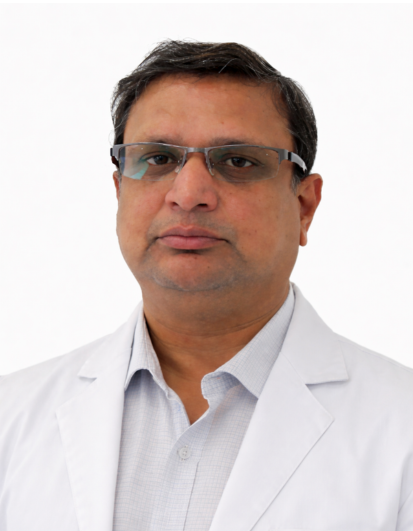
A cleft lip is one of the most common birth differences a child can be born with, and it is also one of the most treatable. With the right surgical team and the right timing, children born with a cleft lip typically go on to live full, healthy lives with natural facial appearance and normal speech development. At Jigyasa Hospital in Moradabad, Dr. Anil Rajput leads a dedicated plastic surgery practice that brings this level of care closer to home for families across western Uttar Pradesh.
If your child has been diagnosed with a cleft lip, or if you are an adult seeking corrective surgery after an incomplete repair, this guide explains what cleft lip is, how surgery works, when to operate, and what to expect from treatment at Jigyasa Hospital.
What Is a Cleft Lip?
A cleft lip is a congenital condition in which the two sides of the upper lip do not fully fuse together during fetal development, usually between the fourth and seventh week of pregnancy. The result is a visible gap or split in the upper lip that can range from a small notch at the edge of the lip to a complete opening that extends through the lip and into the nose.
Cleft lip can occur on one side (unilateral) or both sides (bilateral) of the lip. It frequently occurs alongside a cleft palate, which is a similar opening in the roof of the mouth, but it can also appear on its own.
Key facts about cleft lip:
- • It affects approximately 1 in every 700 births globally, making it one of the most prevalent birth differences worldwide.
- • In India, the incidence is estimated at around 1 in 500 to 1 in 700 live births, with higher rates in some regional populations.
- • It is more common in male infants than in female infants.
- • Early surgical repair is highly effective, and with proper treatment children usually achieve excellent functional and aesthetic outcomes.
Cleft lip is not caused by anything a parent did or did not do during pregnancy. It results from a combination of genetic and environmental factors. Families should approach this diagnosis with confidence, knowing that skilled surgical treatment is available and that outcomes are consistently positive.
Types of Cleft Lip
Understanding the type of cleft helps set accurate expectations for surgery and recovery. Dr. Anil Rajput evaluates each child individually, classifying the cleft and planning a repair that matches the specific anatomy.
Unilateral Incomplete Cleft Lip
The split involves only part of the lip on one side. The lip has a visible notch or groove but is not fully separated up to the nose. This is generally the simplest form to repair.
Unilateral Complete Cleft Lip
The cleft extends fully from the lip through to the base of the nostril on one side. The nostril is often widened or distorted. This requires more extensive repair, including nasal correction.
Bilateral Incomplete Cleft Lip
Both sides of the lip are affected, but the clefts do not extend fully to the nose. A central column of tissue (prolabium) connects the two sides.
Bilateral Complete Cleft Lip
Both sides are fully open from lip to nose. This is the most complex presentation and requires careful surgical planning, often in more than one stage.
Cleft Lip with Cleft Palate
When a cleft lip occurs together with a cleft palate, both conditions are managed as part of a coordinated treatment plan. Lip repair is performed first, followed by palate repair at a later age.
Why Cleft Lip Surgery Is Essential
Beyond the visible difference in appearance, an unrepaired cleft lip has functional implications that can affect development from the earliest days of life.
Feeding difficulties: Infants with cleft lip, especially when combined with cleft palate, may not be able to create the suction needed for normal breastfeeding. Special feeding bottles and techniques are often required before surgery.
Dental development: Clefts that extend into the gum line affect how teeth develop, erupt, and align. Early repair guides more normal dental development.
Speech development: While cleft palate has a more direct impact on speech, cleft lip affects lip movement that is important for forming certain sounds. Early repair supports normal speech development.
Psychological and social wellbeing: Visible facial differences can influence how a child is treated by peers and caregivers. Timely surgical repair supports healthy self-esteem and social development.
Ear health: Children with cleft lip and palate have higher rates of middle ear fluid and hearing issues, so coordinated management is important.
Cleft lip surgery is not simply cosmetic. It is a reconstructive procedure that restores normal anatomy and lays the foundation for healthy feeding, speech, and social development.
Cleft Lip Surgery: How the Procedure Works
Cleft lip repair is a carefully planned surgical procedure performed under general anaesthesia. The goal is to close the gap in the lip, restore the normal muscle structure, and create a natural-looking result with minimal visible scarring.
Millard Rotation-Advancement Technique
This widely used technique for unilateral cleft lip repair rotates tissue on one side of the cleft downward and advances tissue from the other side to meet it. The design follows the natural contour of the lip, helping scars blend into normal lines and producing a lip that closely resembles typical anatomy.
Tennison-Randall (Z-Plasty) Technique
Used in selected unilateral cases where there is a greater difference between the two sides of the lip. It uses a geometric pattern of incisions to distribute tension evenly and improve symmetry.
Bilateral Cleft Lip Repair
For bilateral clefts, surgery is more complex. Dr. Anil Rajput repairs both sides either in a single operation or in stages, depending on the width of the cleft and tissue availability. The aim is to preserve and shape the central segment (prolabium) and create balanced symmetry.
Primary Nasal Correction
In most complete cleft lip repairs, the nostril on the affected side is also distorted. At Jigyasa Hospital, primary nasal correction is performed at the time of lip repair to reshape the nostril cartilage and reposition the alar base, reducing the need for later revision surgery.
Muscle Repair (Orbicularis Oris)
Beneath the skin, the orbicularis oris muscle is disrupted by the cleft. Restoring the continuity of this muscle is a critical part of surgery. Proper muscle repair improves lip strength, function during feeding and speech, and facial expression.
When Should Cleft Lip Surgery Be Done?
Timing is one of the most important decisions in cleft lip management. For infants, the standard recommendation is to perform repair at around 3 to 6 months of age, following the internationally used rule of tens.
The rule of tens:
- • Weight at least 10 pounds (around 4.5 kg)
- • Haemoglobin level at least 10 g/dL
- • Age at least 10 weeks
Meeting these criteria helps ensure that the child can safely tolerate general anaesthesia. Operating at this age takes advantage of excellent healing capacity and ongoing facial growth, allowing the repair to remodel into a natural appearance.
Many older children and adults in India reach later life with an unrepaired or inadequately repaired cleft lip, often due to delayed diagnosis or lack of access to care. Dr. Anil Rajput has significant experience performing primary and revision cleft lip surgery in older patients, and good results are achievable with careful planning.
Pre-Surgical Assessment and Planning
Before surgery, the team at Jigyasa Hospital carries out a thorough pre-operative assessment to confirm that the child or adult is ready for surgery and that the surgical plan matches the individual anatomy.
- • Full physical examination and growth measurements
- • Assessment of cleft type, width, and any associated nasal deformity
- • Review of feeding history and nutritional status
- • Blood tests including haemoglobin, blood group, and coagulation profile
- • Paediatric anaesthesia consultation for infants
- • Dental or orthodontic assessment if indicated in older children
- • Family counselling regarding the procedure, expected outcomes, home care, and follow-up visits
In selected bilateral or wide clefts, pre-surgical nasoalveolar moulding (NAM) may be advised. This uses a custom-fitted oral appliance to gradually reshape the nose and lip segments before surgery, reducing the extent of surgical correction required.
What to Expect on Surgery Day and During Hospital Stay
On the day of surgery, the infant or patient is admitted to Jigyasa Hospital. The anaesthesia team ensures a smooth and comfortable induction of general anaesthesia. Cleft lip surgery usually takes about 1.5 to 3 hours, depending on complexity.
During surgery, precise measurements are marked on the lip. The surgeon makes carefully planned incisions, repairs the muscle layer, closes the skin in layers, and performs any primary nasal correction needed.
After surgery, the patient is monitored in the recovery area and then shifted to the ward. Most infants undergoing uncomplicated cleft lip repair stay in hospital for 1 to 2 nights.
Arm restraints or splints may be used during early healing to prevent the child from rubbing or touching the repair site. Parents receive detailed guidance on wound care, feeding techniques, medication, and warning signs to watch for at home.
Why Choose Jigyasa Hospital for Cleft Lip Surgery in Moradabad?
Experienced plastic surgery care: Dr. Anil Rajput brings specialised plastic surgery expertise to Moradabad, offering a level of cleft care that previously required travel to larger cities.
Modern surgical facilities: Jigyasa Hospital provides advanced operation theatres, paediatric wards, and a trained nursing team experienced in post-operative care for infants and children.
Comprehensive paediatric support: The paediatric department works closely with the plastic surgery team to ensure that infants are monitored holistically, with attention to overall health, feeding, and development.
Accessible location: Situated near Miglani Cinema on Rampur Road in Moradabad, the hospital is easily reachable for families from the city and neighbouring districts.
Affordable and transparent care: Jigyasa Hospital is committed to making high-quality surgical care accessible. The team explains the procedure, expected results, costs involved, and available support clearly so that families do not face unexpected barriers.
Continued follow-up: The cleft programme at Jigyasa Hospital includes structured follow-up through childhood, monitoring speech, dental development, facial growth, and planning any additional procedures if required.
Specialised Cleft Lip Repair
Advanced surgical repair for unilateral, bilateral, complete, and incomplete cleft lip using modern plastic surgery techniques.
Comprehensive Evaluation and Planning
Detailed pre-surgical assessment, classification of cleft type, and customised surgical planning for each child or adult.
Safety-Focused Paediatric Care
Paediatric anaesthesia support, careful monitoring, and coordinated care between plastic surgery and paediatrics.
Advanced Surgical Techniques
Millard rotation-advancement, Tennison-Randall, bilateral cleft repair, primary nasal correction, and muscle reconstruction.
Structured Follow-Up Programme
Regular post-operative visits to monitor healing, scar maturation, speech development, and future treatment needs.
Accessible Care in Moradabad
High-quality cleft lip surgery and follow-up care at Jigyasa Hospital, near Miglani Cinema, Rampur Road, Moradabad.
Book a Cleft Lip Surgery Consultation at Jigyasa Hospital
If your child has been born with a cleft lip, or if you are an older child or adult seeking evaluation, the first step is a consultation with Dr. Anil Rajput at Jigyasa Hospital in Moradabad. Early assessment helps you understand the best treatment options and timing for surgery.
We are committed to providing advanced cleft lip repair, supportive follow-up care, and clear guidance for families at every step of the journey.
Hospital Address
Near Miglani Cinema, Rampur Road, Moradabad 244001
Phone
7900903333Frequently Asked Questions About Cleft Lip Surgery
At what age should my child have cleft lip surgery?
The ideal age for cleft lip repair is between 3 and 6 months. However, if your child is older or if surgery was not performed earlier, Dr. Anil Rajput can evaluate your child at any age and recommend an appropriate plan.
Will the scar be visible after surgery?
All surgical repairs leave some degree of scarring, but Dr. Anil Rajput uses techniques designed to place incisions along natural lip contours, minimising scar visibility. With proper scar care, most scars fade significantly over 12 to 18 months.
Is cleft lip surgery safe for infants?
Yes. When performed at a qualified hospital with an experienced plastic surgeon and paediatric anaesthetist, cleft lip surgery is a safe and well-established procedure. Jigyasa Hospital follows standard safety protocols for paediatric surgery.
Does cleft lip surgery need to be repeated?
Most patients require only one primary repair. Some may benefit from minor refinements in later years, such as a small revision for symmetry or a definitive rhinoplasty in the teenage years. Dr. Anil Rajput will discuss the likely plan during the initial consultation.
What causes cleft lip?
Cleft lip results from incomplete fusion of the lip tissue during early pregnancy. Contributing factors can include genetic predisposition, folic acid deficiency in early pregnancy, certain medications, and environmental exposures. It is not caused by parental actions or behaviour during pregnancy.
Why Patients Choose Us
- 24/7 Emergency & Trauma Care
- Top Specialist Doctors
- Modern ICU & Operation Theatres
- Transparent & Affordable Pricing
- Ayushman Bharat Empanelled
- Cashless Insurance Support
- Multispeciality Under One Roof
Our Location
Near Miglani Cinema,
Rampur Road,
Moradabad 244001