
Cleft Palate Surgery in Moradabad: Complete Guide by Dr. Anil Rajput at Jigyasa Hospital
Cleft lip and cleft palate are among the most common congenital (birth) conditions affecting the face and mouth, occurring when parts of a baby's lip or the roof of the mouth do not join together completely during pregnancy. While the diagnosis can understandably be worrying for new parents, cleft lip and palate are highly treatable conditions with a long, well-established history of successful surgical correction. With timely surgery and appropriate follow-up care, most children born with a cleft go on to eat, speak, and grow up completely normally.
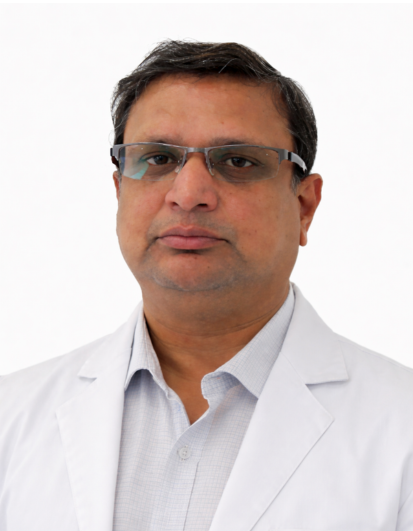
For families in Moradabad and the surrounding towns of Western Uttar Pradesh, cleft palate and cleft lip surgery is available locally at Jigyasa Hospital, under the care of the hospital's plastic surgery team led by Dr. Anil Rajput, sparing families the added stress of travelling to a distant city during an already emotional time.
Understanding Cleft Lip and Cleft Palate
During early pregnancy, the structures that form a baby's face and mouth develop separately and then join together. A cleft occurs when this joining process is incomplete, leaving a gap or split. Depending on which structures are affected, this can present as:
- • Cleft lip: A split or opening in the upper lip, which can range from a small notch to a complete separation extending up into the nose. It can occur on one side (unilateral) or both sides (bilateral).
- • Cleft palate: An opening in the roof of the mouth (palate), which can affect the soft palate (toward the back of the mouth), the hard palate (toward the front), or both. This can occur with or without an accompanying cleft lip.
- • Cleft lip and palate together: The most common combined presentation, where both the lip and the palate are affected.
Clefts occur due to a combination of genetic and environmental factors, and in most cases, no single clear cause can be identified. It is one of the more common birth conditions worldwide, and importantly, it is not caused by anything the mother did or did not do during pregnancy in the vast majority of cases — a reassurance many parents need to hear clearly and early.
Why Timely Treatment Matters
Left uncorrected, cleft lip and palate can affect a child in several important ways:
- • Feeding difficulties: A cleft palate in particular can make it difficult for infants to create the suction needed for effective breastfeeding or bottle feeding, sometimes requiring special feeding techniques or equipment in the early months.
- • Speech development: An unrepaired cleft palate can significantly affect a child's ability to develop clear speech, as the palate plays a key role in shaping sounds.
- • Hearing problems: Children with cleft palate are more prone to middle ear infections and fluid build-up, which can affect hearing if not monitored and managed appropriately.
- • Dental and facial development: Clefts can affect the growth and alignment of teeth and, in some cases, the development of the jaw and midface region.
- • Social and emotional wellbeing: As children grow, visible facial differences or speech difficulties can affect confidence and social interactions if not addressed through timely treatment.
This is why cleft care is best approached as a structured, staged process, ideally beginning in early infancy and continuing, where needed, through adolescence.
The Typical Timeline for Cleft Treatment
Cleft lip and palate repair generally follows an established timeline, developed and refined over decades of clinical experience worldwide. While every child's plan is individualised based on the specific type and severity of the cleft, a general framework looks like this:
- • Birth to 3 months: Initial assessment, feeding support and guidance, and planning for surgery. In some cases involving wide clefts, a technique called nasoalveolar moulding may be used before surgery to help bring the cleft segments closer together.
- • Around 3 to 6 months: Cleft lip repair (cheiloplasty) is typically performed once the baby meets certain weight and health criteria, often summarised by clinicians using general guidelines around age, weight, and blood parameters.
- • Around 9 to 18 months: Cleft palate repair (palatoplasty) is generally performed, ideally before the child begins forming most speech sounds, to support the best possible speech development.
- • Early childhood to school age: Ongoing monitoring of speech, hearing, and dental development, with speech therapy introduced if needed.
- • Around 7 to 10 years: If there is a gap in the upper jaw bone (alveolar cleft), a bone graft procedure may be performed to support permanent teeth and stabilise the upper jaw.
- • Adolescence: Additional revision surgery to the lip, nose, or palate may be considered if needed for functional or aesthetic refinement, once facial growth is more complete.
Dr. Anil Rajput works with families to plan this journey in stages, explaining what to expect at each point rather than presenting it as a single, one-time event.
Surgical Techniques Used
Several established surgical techniques are used in cleft care, and the choice depends on the type and severity of the cleft. These include:
- 1. Cleft Lip Repair (Cheiloplasty): The goal is to close the gap in the lip while restoring, as closely as possible, the natural shape, symmetry, and function of the lip and nose. The surgeon carefully repositions the muscle and skin layers of the lip to create a functional, natural-looking result, and in many cases also addresses associated nasal deformity at the same time or in a planned secondary stage.
- 2. Cleft Palate Repair (Palatoplasty): This procedure closes the gap in the roof of the mouth, separating the mouth and nasal cavity and reconstructing functional palate muscles that are essential for normal speech and swallowing. The specific technique depends on the extent of the cleft — whether it involves only the soft palate, the hard palate, or both.
- 3. Alveolar Bone Grafting: For children with a cleft involving the upper gum line (alveolar ridge), a bone graft — often taken from the child's own hip — is used later in childhood to fill the gap, support the growth and eruption of permanent teeth, and stabilise the upper jaw structure.
- 4. Secondary and Revision Procedures: As children grow, some may need additional surgery to refine the lip or nose appearance, improve speech function (such as procedures for velopharyngeal insufficiency, where air escapes through the nose during speech), or address changes that become more apparent with facial growth.
The choice of technique is individualised for each child to support the best possible long-term outcome.
Who Is a Candidate for Cleft Surgery?
While most patients are infants and young children with a congenital cleft, cleft surgery is also relevant for:
- • Older children and adolescents requiring staged procedures such as bone grafting or revision surgery as part of their ongoing treatment plan.
- • Adults who did not have access to cleft repair earlier in life and are now seeking correction of lip, nose, or palate function and appearance.
- • Children with associated conditions, who may need coordinated care between plastic surgery and other specialities, such as ENT, paediatrics, and speech therapy.
Each child or adult is assessed individually, taking into account overall health, the specific type and extent of the cleft, and readiness for surgery at each stage.
The Consultation Process at Jigyasa Hospital
Given the staged nature of cleft treatment, the first consultation is an important opportunity for families to understand the full journey ahead. It typically includes:
- 1. Detailed history and examination — reviewing the baby's or child's health, growth, feeding pattern, and a careful examination of the cleft lip and/or palate.
- 2. Explanation of the treatment timeline — walking parents through what to expect at each stage, from initial surgery through to any later procedures.
- 3. Feeding guidance — for infants awaiting surgery, practical advice on feeding techniques and equipment to support healthy growth before the operation.
- 4. Pre-operative assessment — routine health checks and investigations to confirm the baby or child is fit for anaesthesia and surgery.
- 5. Coordination with other specialities — including paediatrics, ENT, and speech therapy as needed, particularly for ongoing hearing and speech monitoring.
- 6. Open discussion with parents — addressing questions and concerns with patience, given how emotionally significant this diagnosis can be for families.
As a multi-speciality hospital, Jigyasa Hospital is well positioned to coordinate this kind of team-based care under one roof.
How the Surgery Is Performed
Cleft lip and palate repair are performed under general anaesthesia, with the surgical duration depending on the extent and complexity of the cleft — typically ranging from about one to three hours. In general terms:
- • The tissues around the cleft are carefully incised, repositioned, and re-approximated in layers, restoring normal anatomy as closely as possible.
- • Muscles are reconstructed to support normal lip movement (in cleft lip repair) or the coordinated palate movement needed for clear speech (in cleft palate repair).
- • Sutures used are typically fine and, where possible, absorbable, to minimise the need for suture removal in young children.
- • Children are closely monitored after surgery, with particular attention to feeding, airway comfort, and pain management in the immediate recovery period.
Personalised Surgical Planning
Dr. Anil Rajput evaluates the type, extent, and severity of the cleft and plans a stage-by-stage treatment journey tailored to each child.
Staged, Structured Treatment
Cleft care follows a proven, staged timeline from infancy through adolescence, with each procedure planned at the appropriate age for the best outcome.
Multi-Speciality Coordination
As a full-service hospital, Jigyasa Hospital allows coordination between plastic surgery, paediatrics, ENT, and speech therapy for comprehensive cleft care.
Speech-Focused Palate Reconstruction
Cleft palate repair reconstructs functional palate muscles essential for normal speech and swallowing, supporting the best possible long-term outcome.
Cleft Surgery in Moradabad
Families from Moradabad and nearby districts can access specialised cleft surgery locally without travelling to a distant city during an emotional time.
Recovery and Aftercare
Recovery varies depending on the child's age and the specific procedure performed. In general:
First Few Days
The child is monitored closely in hospital, with feeding gradually reintroduced under guidance, often starting with modified feeding methods to protect the surgical repair.
1–2 Weeks
Swelling and any surface bruising gradually subside. Arm restraints may sometimes be used briefly in very young children to prevent them from touching the healing area.
2–4 Weeks
Most children return to normal feeding and activity, with the surgical site continuing to heal internally.
Several Months
Scar maturation for cleft lip repair continues to improve over the first year. For palate repair, families and the surgical team continue to monitor speech development closely, often alongside a speech therapist, as the child begins to talk.
Ongoing follow-up — not just after the immediate surgery but through childhood — is a defining feature of good cleft care, and Dr. Anil Rajput's team works with families for the long term rather than treating it as a single visit.
Risks and Complications
As with any surgery, cleft repair carries some risks, including infection, bleeding, wound separation, and, in palate surgery specifically, the possibility of a small opening (fistula) developing at the repair site, which may occasionally require a further minor procedure. Speech difficulties can persist in some children despite successful surgery and may benefit from speech therapy or, in some cases, a secondary procedure later on.
A clear, honest conversation about these possibilities, and the plan for monitoring and managing them, is part of every consultation.
Why Choose Jigyasa Hospital, Moradabad, for Cleft Surgery
Cleft care is a long-term relationship between the family and the surgical team, not a single operation. Reasons families from Moradabad and nearby districts choose Jigyasa Hospital include:
- • A dedicated plastic surgery consultant: Dr. Anil Rajput brings focused expertise in plastic and reconstructive surgery, including congenital conditions such as cleft lip and palate, allowing for careful, stage-by-stage treatment planning.
- • Multi-speciality coordination: As a full-service hospital, Jigyasa Hospital allows collaboration with paediatrics, ENT, and other specialists where needed, supporting the well-rounded care that cleft treatment requires.
- • Local accessibility for a long-term journey: Because cleft treatment unfolds over years rather than a single visit, having a trusted surgical team close to home in Moradabad significantly eases the logistical and emotional burden on families.
- • Compassionate, patient family communication: Given how emotionally significant a cleft diagnosis can be for new parents, clear, unhurried communication at every stage is central to the approach at Jigyasa Hospital.
Book a Cleft Surgery Consultation with Dr. Anil Rajput
Jigyasa Hospital offers personalised consultation for cleft lip and cleft palate surgery, including cleft lip repair (cheiloplasty), cleft palate repair (palatoplasty), alveolar bone grafting, and revision procedures under the guidance of Dr. Anil Rajput.
A detailed evaluation can help you understand suitable surgical options, the treatment timeline, expected results, recovery, and realistic outcomes.
Near Miglani Cinema, Rampur Road, Moradabad 244001
Call Now
7900903333Frequently Asked Questions
At what age is cleft lip surgery usually done?
Cleft lip repair is generally performed around three to six months of age, once the baby meets certain health and weight criteria, though this is assessed individually for each infant.
At what age is cleft palate surgery usually done?
Cleft palate repair is typically performed between around nine and eighteen months of age, ideally before the child begins developing most speech sounds.
Will my child be able to speak normally after surgery?
Many children develop normal or near-normal speech after timely palate repair, though some may need speech therapy, and a smaller number may require an additional procedure later if speech difficulties persist.
Can adults get cleft lip or palate corrected if it was never treated in childhood?
Yes, adults who did not have access to treatment earlier in life can still benefit from cleft lip, nose, and palate correction, along with function-focused procedures where needed.
Is cleft lip and palate caused by something the mother did during pregnancy?
In the vast majority of cases, no single identifiable cause can be found, and clefts are not the result of anything a mother did or did not do. It results from a complex combination of genetic and environmental factors.
Will my child need more than one surgery?
Often, yes. Cleft care is typically staged — starting with lip and/or palate repair in infancy, followed by procedures such as bone grafting in later childhood, and occasionally revision surgery in adolescence, depending on the individual case.
Why Patients Choose Us
- 24/7 Emergency & Trauma Care
- Top Specialist Doctors
- Modern ICU & Operation Theatres
- Transparent & Affordable Pricing
- Ayushman Bharat Empanelled
- Cashless Insurance Support
- Multispeciality Under One Roof
Our Location
Near Miglani Cinema,
Rampur Road,
Moradabad 244001