

Colonoscopy Doctor in Moradabad: Thorough, Comfortable Screening with Dr. Rahul Kumar at Jigyasa Hospital
Changes in bowel habits, unexplained rectal bleeding, persistent abdominal discomfort, or simply reaching an age where screening becomes medically recommended are all common reasons for colonoscopy. For many people, the word itself triggers more anxiety than almost any other medical procedure, largely due to concerns about the preparation and the exam.
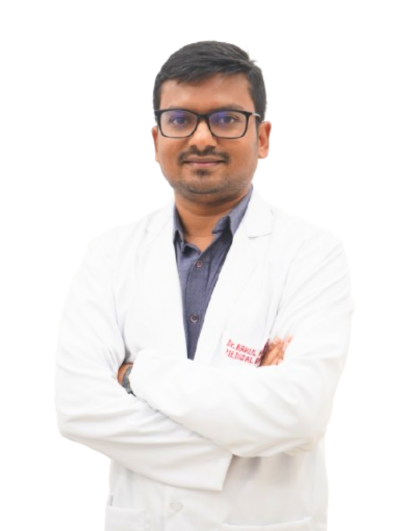
Understanding what colonoscopy involves, why it is recommended, and how modern techniques have made the experience more manageable can ease that apprehension. For patients across Moradabad who need this important diagnostic and screening procedure, Dr. Rahul Kumar, Senior GI Surgeon at Jigyasa Hospital, performs colonoscopy with the technical expertise and clear communication needed to make the process smooth and informative.
What Is a Colonoscopy?
A colonoscopy is a procedure that allows direct visual examination of the entire large intestine (colon) and rectum using a thin, flexible tube with a camera and light at the tip, called a colonoscope. This lets the doctor closely inspect the colon lining for inflammation, polyps, abnormal growths, or other changes and take tissue samples (biopsies) when needed.
Importantly, many findings can be treated during the same procedure. Polyps, for example, can often be removed directly through the colonoscope without separate surgery, making colonoscopy both a diagnostic and therapeutic tool.
Why Colonoscopy Is Recommended
Dr. Rahul Kumar holds an MBBS along with DrNB in General Surgery and DrNB in Gastro Surgery, providing focused gastrointestinal expertise for performing and interpreting colonoscopy findings. Colonoscopy is typically advised for three main reasons: diagnostic evaluation of symptoms, screening for colorectal cancer, and monitoring known conditions.
Diagnostic Evaluation of Symptoms
Colonoscopy is often recommended to investigate rectal bleeding (whether mixed with stool or seen on toilet paper), persistent changes in bowel habits such as new-onset constipation, diarrhoea, or alternating patterns, and unexplained abdominal pain when it is ongoing or associated with other digestive symptoms.
It also helps evaluate unexplained weight loss, unexplained iron-deficiency anaemia (by finding sources of chronic blood loss), and chronic diarrhoea when conditions such as inflammatory bowel disease or other underlying problems are suspected.
Screening for Colorectal Cancer
Colonoscopy is one of the most effective tools for detecting colorectal cancer early and, equally importantly, preventing it altogether by removing precancerous polyps before they become cancerous. Screening is usually recommended starting around age 45 to 50 for average-risk individuals, with timing adjusted based on current guidelines and personal risk factors.
People with a family history of colorectal cancer or hereditary conditions, those with a personal history of inflammatory bowel disease, and patients who have previously had polyps removed may need earlier or more frequent screening, with intervals based on the number and type of polyps found.
Monitoring Known Conditions
For patients with established diagnoses such as inflammatory bowel disease or a prior history of colorectal polyps, periodic colonoscopy is important for monitoring disease activity, checking for new growths, and guiding long-term management.
What Colonoscopy Can Detect and Treat
Colonoscopy can identify colorectal polyps, which are growths on the inner lining of the colon that sometimes develop into cancer over time if left untreated. Most of these can be removed during the procedure. It also detects colorectal cancer itself, allowing direct visualisation, biopsy, and information that helps guide further treatment.
Inflammatory bowel disease such as ulcerative colitis and Crohn's disease can be recognised by characteristic changes in the colon lining, often confirmed with biopsy. Colonoscopy can also reveal diverticular disease, sources of gastrointestinal bleeding, including haemorrhoids and other lesions, and strictures or narrowing that may contribute to bowel obstruction symptoms.
Preparing for a Colonoscopy: What's Actually Involved
Bowel preparation is often the aspect patients worry about most. However, understanding its purpose helps: a clean colon is vital for a thorough and accurate examination. Preparation typically includes dietary changes in the days before the procedure, starting with a low-fibre diet and switching to clear liquids only on the day before.
A bowel-cleansing solution is taken the evening before and/or the morning of the procedure to clear the colon completely. Adequate hydration is important, and clear instructions on timing are provided, since proper timing affects how clean the colon is. While preparation takes planning, it is a temporary, one-time process, and Dr. Kumar's team offers specific guidance and practical tips to make it as manageable as possible.
What Happens During the Procedure
1. Sedation is given intravenously, helping you remain comfortable and relaxed, with most patients remembering little to nothing about the procedure afterward.
2. The colonoscope is gently guided through the rectum and along the entire colon, allowing careful visual inspection of the lining throughout.
3. If polyps or suspicious areas are seen, they can usually be removed or biopsied through the colonoscope during the same procedure, avoiding separate surgery for most findings.
4. A standard colonoscopy generally takes about 20 to 45 minutes, depending on findings and any additional procedures performed.
Is Colonoscopy Painful?
With appropriate sedation, most patients experience little to no discomfort during colonoscopy. Some notice mild bloating or cramping afterward, due to air introduced during the exam to improve visibility, but this usually settles quickly.
Dr. Kumar's approach prioritises comfort and clear, honest communication in Hindi or English. This helps reduce anxiety for patients undergoing colonoscopy for the first time or those who have had concerns about the procedure.
What Happens After the Procedure
After colonoscopy, there is a short recovery period of around an hour while sedation begins to wear off under medical observation. Mild bloating or gas is common but typically resolves within a few hours. Most patients go home the same day and will need a companion to accompany them because of the sedation.
Visual findings are often discussed soon after the procedure, while results from biopsies or polyp pathology are usually available within a few days. Dr. Kumar provides guidance on follow-up timing based on these results, whether that means routine screening or closer monitoring.
Why Regular Screening Matters, Even Without Symptoms
Colonoscopy is not just for patients with symptoms. Colorectal cancer often develops silently, without obvious warning signs until it is more advanced. Screening allows detection and removal of precancerous polyps before they turn into cancer, making it one of the most important preventive health measures for this disease.
Why Choose an Experienced GI Surgeon for Colonoscopy
Having colonoscopy performed by a surgeon with specific gastrointestinal training offers advantages, especially when findings require more than simple biopsy—such as complex polyp removal or signs that need surgical evaluation. With combined diagnostic and surgical expertise, Dr. Kumar provides continuity of care from screening or diagnosis through any further treatment needed, reducing the need for multiple referrals.
Addressing Common Concerns
• “Is the preparation really necessary?” Yes. A clean colon is essential for accurate examination; residual stool can hide polyps or other important findings.
• “Will I be aware during the procedure?” With sedation, most patients are relaxed and have little to no clear memory of the exam afterward.
• “What if a polyp is found?” Most polyps can be removed during the same procedure and sent for pathology testing to decide what follow up is needed.
• “How often do I need this done?” Screening intervals depend on your risk factors and previous findings. Dr. Kumar provides personalised advice based on your situation.
Affordable, Accessible Screening and Diagnostic Care
Jigyasa Hospital's in-house endoscopy and colonoscopy facilities allow prompt scheduling and timely results, avoiding delays that can come with travelling to separate centres. Transparent pricing and Ayushman Bharat PM-JAY empanelment help make this vital screening and diagnostic procedure accessible for families across Moradabad.
Who Should Consider a Colonoscopy?
You should discuss colonoscopy with Dr. Rahul Kumar if you are approaching or have reached the recommended age for routine screening; have a family history of colorectal cancer or polyps; notice rectal bleeding; experience persistent changes in bowel habits; have unexplained abdominal pain or weight loss; have unexplained iron-deficiency anaemia; or have a personal history of inflammatory bowel disease or previous colon polyps.
Thorough Colon Screening
Complete visual examination of the colon and rectum to detect inflammation, polyps, and other abnormalities.
Senior GI Surgeon Expertise
Colonoscopy performed and interpreted by Dr. Rahul Kumar, with advanced training in General and Gastro Surgery.
Comfortable, Sedated Procedure
Sedation-focused approach to keep the examination as comfortable and anxiety-free as possible.
Polyp Removal During Same Procedure
Most polyps can be removed immediately during colonoscopy, avoiding separate surgery in many cases.
Efficient 20–45 Minute Exam
Typical procedure duration of 20–45 minutes, with same-day discharge and clear follow-up guidance.
Accessible Screening in Moradabad
In-house endoscopy and colonoscopy services at Jigyasa Hospital near Miglani Cinema, Rampur Road.
Book Colonoscopy Consultation in Moradabad
If you have bowel symptoms, rectal bleeding, or are due for colorectal cancer screening, you can consult Dr. Rahul Kumar at Jigyasa Hospital for a clear explanation and organised colonoscopy plan.
Address
Near Miglani Cinema, Rampur Road, Moradabad 244001
Phone
7900903333Frequently Asked Questions (FAQs)
Who performs colonoscopy in Moradabad?
Dr. Rahul Kumar, Senior GI Surgeon (MBBS, DrNB General Surgery, DrNB Gastro Surgery) at Jigyasa Hospital, performs colonoscopy for both diagnostic evaluation and colorectal cancer screening.
At what age should I start colorectal cancer screening?
General guidelines recommend starting around age 45 to 50 for average-risk individuals, though this can be earlier depending on family history or other risk factors. Your doctor can advise on the right timing for you.
Is colonoscopy painful?
With appropriate sedation, most patients experience little to no discomfort during the procedure. Mild bloating afterward is common but typically resolves quickly.
Is the bowel preparation really necessary?
Yes, a properly cleaned colon is essential for an accurate examination, since residual stool can obscure important findings like small polyps.
What happens if a polyp is found?
Most polyps can be removed directly during the same procedure and sent for pathology testing to determine whether any further monitoring or treatment is needed.
How long does the procedure take?
A standard colonoscopy typically takes around 20 to 45 minutes, though this varies depending on findings and any procedures performed during the exam, such as polyp removal.
Is colonoscopy covered under Ayushman Bharat?
Yes, Jigyasa Hospital is empanelled under Ayushman Bharat PM-JAY, which can help make colonoscopy more affordable for eligible patients.
Where is Jigyasa Hospital located?
Near Miglani Cinema, Rampur Road, Moradabad – 244001, accessible from across the city and surrounding towns via NH-24.
Why Patients Choose Us
- 24/7 Emergency & Trauma Care
- Top Specialist Doctors
- Modern ICU & Operation Theatres
- Transparent & Affordable Pricing
- Ayushman Bharat Empanelled
- Cashless Insurance Support
- Multispeciality Under One Roof
Our Location
Near Miglani Cinema,
Rampur Road,
Moradabad 244001