
Dandruff Treatment in Moradabad — Dr. Abida, Dermatologist, Jigyasa Hospital
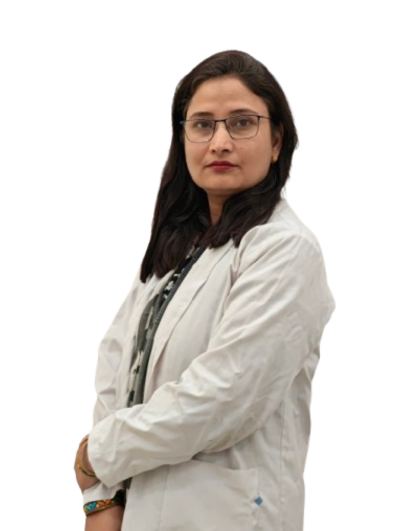
Dr. Abida is a dermatology specialist at Jigyasa Hospital, Moradabad, who evaluates and manages patients with dandruff, seborrheic dermatitis, and other scalp conditions. She assesses persistent or severe flaking, itching, and redness that has not responded to standard anti-dandruff shampoos.
Her approach combines detailed scalp evaluation, evidence-based treatment, and patient education on correct shampoo use and scalp care. She identifies the underlying cause of persistent dandruff and explains the treatment plan clearly so patients understand the importance of proper application, consistent care, and long-term follow-up.
Understanding Dandruff: More Than Just Dry Scalp
Dandruff is one of the most common scalp concerns, affecting people across all age groups, yet it is frequently misunderstood as simply "dry skin" that can be managed with any anti-dandruff shampoo picked off a store shelf. In reality, persistent or severe dandruff often points to an underlying scalp condition that requires proper diagnosis, particularly when over-the-counter shampoos fail to bring lasting relief.
At Jigyasa Hospital, Moradabad, Dr. Abida, Dermatologist, provides thorough evaluation and treatment for dandruff and other scalp conditions, helping patients move beyond a cycle of trial-and-error with retail shampoos. Patients from Moradabad, Rampur, Sambhal, Amroha, and Bijnor come to Jigyasa Hospital when dandruff becomes chronic, severe, or accompanied by other bothersome symptoms.
What Causes Dandruff?
Dandruff occurs when the scalp sheds skin cells more rapidly than normal, resulting in visible white or yellowish flakes. While mild dandruff can occur due to simple dry skin, most persistent cases are linked to specific underlying causes:
- • Seborrheic Dermatitis – The most common cause of moderate to severe dandruff, this inflammatory condition affects oil-producing areas of the scalp and is associated with an overgrowth of a yeast called Malassezia, along with individual skin sensitivity to it.
- • Dry Skin – Simple dryness, often worsened in cold or low-humidity weather, can cause smaller, drier flakes without significant scalp redness.
- • Fungal Overgrowth – An imbalance in the scalp's natural yeast population can trigger or worsen flaking and itching.
- • Contact Dermatitis – Reaction to certain hair care products, dyes, or styling products can cause scalp irritation and flaking.
- • Psoriasis – In some cases, scalp psoriasis can be mistaken for dandruff, presenting with thicker, more defined scaly patches that require a different treatment approach.
- • Infrequent Hair Washing – Can allow oil and dead skin cells to accumulate, contributing to flaking in some individuals.
Because these causes require different treatment approaches, correctly identifying the underlying reason for persistent dandruff is essential for effective, lasting management.
Recognizing the Symptoms of Dandruff
Dandruff and related scalp conditions can present with a range of symptoms:
- • Visible white or yellowish flakes on the scalp, hair, shoulders, or clothing
- • Itching, which can range from mild to significantly bothersome
- • Scalp redness, particularly in seborrheic dermatitis
- • Oily or greasy-appearing flakes, as opposed to dry, powdery ones
- • Flaking that extends beyond the scalp to eyebrows, sides of the nose, or behind the ears (common in seborrheic dermatitis)
- • A tight, dry sensation on the scalp
- • Symptoms that worsen with stress, seasonal changes, or reduced hair washing frequency
- • Flaking that persists or worsens despite regular use of anti-dandruff shampoos
Why Dandruff Sometimes Won't Go Away
Many patients have tried multiple anti-dandruff shampoos with little to no lasting improvement. Common reasons for this include:
- • Using a shampoo formulated for a different underlying cause than what is actually driving the dandruff
- • Not using the shampoo correctly (many medicated shampoos need to remain on the scalp for a few minutes before rinsing, which is often skipped)
- • An underlying condition like seborrheic dermatitis or psoriasis that requires more targeted treatment than a standard over-the-counter product
- • Product buildup or scalp irritation from switching between multiple products frequently
- • Discontinuing treatment as soon as flakes reduce, allowing the underlying condition to resurface
This is why Dr. Abida recommends a proper scalp evaluation for dandruff that persists despite consistent use of standard anti-dandruff shampoos, rather than continuing to cycle through different retail products.
Specialist Dermatology Evaluation for Dandruff
Persistent dandruff can point to an underlying scalp condition that needs proper diagnosis. A detailed dermatology assessment helps identify the true cause, whether seborrheic dermatitis, fungal overgrowth, or scalp psoriasis.
Comprehensive Diagnostic Approach
Evaluation includes a detailed history and close scalp examination to distinguish between simple dry-skin flaking, seborrheic dermatitis, fungal involvement, and scalp psoriasis, with additional testing when needed.
Personalized, Targeted Treatment Plans
Treatment is matched to the specific underlying cause rather than a generic recommendation, with correctly selected medicated shampoos, topical treatments, and clear guidance on correct application.
Skincare Education and Flare Prevention
Patients receive guidance on correct shampoo use, contact time, hair washing frequency, and trigger management to reduce recurrence and keep the scalp healthy long-term.
Trusted Dandruff Care in Moradabad
Patients from Moradabad, Rampur, Sambhal, Amroha, Bijnor, and nearby districts visit Jigyasa Hospital for expert dermatology and lasting dandruff management.
Diagnostic Approach at Jigyasa Hospital
Diagnosing persistent dandruff relies on a careful scalp evaluation, supported by targeted testing when needed. At Jigyasa Hospital, the diagnostic process typically includes:
1. Detailed History
Dr. Abida reviews the duration, severity, associated symptoms (itching, redness), previous products tried, hair washing frequency, and any family history of related skin conditions like psoriasis.
2. Scalp Examination
A close examination of the scalp helps distinguish between simple dry-skin flaking, seborrheic dermatitis, fungal involvement, and scalp psoriasis, each of which has distinguishing visual characteristics.
3. Additional Testing (When Needed)
In select cases, particularly where the diagnosis is unclear or the condition isn't responding to initial treatment, a closer examination or scraping may be used to assess for fungal involvement more definitively.
Accurate diagnosis helps identify the real cause of persistent dandruff and guides the choice of medicated shampoos, topical treatments, and scalp care routines.
Treatment Approach: Targeted to the Underlying Cause
Dr. Abida's treatment approach for dandruff at Jigyasa Hospital is based on identifying and addressing the specific underlying cause, rather than offering a generic recommendation. Treatment typically includes:
Medicated Shampoos
Prescription-strength or correctly matched medicated shampoos containing active ingredients such as ketoconazole, selenium sulfide, zinc pyrithione, or coal tar, selected based on the specific cause and severity of the dandruff, with clear guidance on correct application technique and contact time for maximum effectiveness.
Topical Treatments for Seborrheic Dermatitis
For cases driven by seborrheic dermatitis, topical anti-inflammatory or antifungal preparations may be prescribed to address both the inflammation and the underlying yeast overgrowth.
Scalp Psoriasis-Specific Treatment
When scalp psoriasis is identified as the underlying cause rather than typical dandruff, a distinct treatment approach targeting psoriasis is recommended, since standard anti-dandruff products are generally insufficient for this condition.
Guidance on Correct Shampoo Use
Dr. Abida provides specific instructions on how long medicated shampoo should remain in contact with the scalp before rinsing, and how frequently it should be used, since incorrect application is a common reason for treatment failure with otherwise appropriate products.
Management of Contributing Factors
Where product sensitivity or contact irritation is contributing to symptoms, identifying and eliminating the specific triggering product is incorporated into the overall management plan.
Why Choose Jigyasa Hospital for Dandruff Treatment in Moradabad
Persistent dandruff that doesn't respond to regular shampoos deserves a proper diagnosis rather than another product switch. Jigyasa Hospital, located on Rampur Road near Miglani Cinema, Moradabad, offers:
- • Dedicated dermatology consultation with Dr. Abida for dandruff, seborrheic dermatitis, and other scalp conditions
- • NABL-accredited diagnostic laboratory for any relevant supporting tests
- • Empanelment under Ayushman Bharat PM-JAY, extending eligible treatment benefits to qualifying families
- • 24/7 emergency care support for any associated concerns
- • Personalized treatment plans targeted to the underlying cause of persistent dandruff
- • Patient education on correct shampoo use and scalp care routines
- • Wide service catchment covering Moradabad, Rampur, Sambhal, Amroha, and Bijnor
- • Accessible specialized dermatological care without long-distance travel to metro cities
Living Dandruff-Free: Practical Scalp Care Tips
With the right approach, dandruff can be well controlled and kept from recurring. Helpful daily practices include:
- • Use medicated shampoo exactly as directed, including the recommended contact time on the scalp before rinsing
- • Avoid switching between multiple anti-dandruff products frequently, which can irritate the scalp without giving any single treatment enough time to work
- • Maintain consistent hair washing frequency appropriate to your scalp type, rather than very infrequent washing
- • Be mindful of hair styling products that may be contributing to scalp irritation
- • Manage stress where possible, as it can be a contributing factor to seborrheic dermatitis flares
- • Continue maintenance treatment periodically even after symptoms improve, since seborrheic dermatitis in particular tends to be a chronic, relapsing condition
- • Avoid scratching the scalp vigorously, which can worsen irritation and increase flaking
If dandruff keeps returning despite trying multiple shampoos, or comes with significant itching, redness, or flaking beyond the scalp, a proper evaluation can identify the real cause and finally bring lasting relief.
Book an Appointment with Dr. Abida
Jigyasa Hospital offers specialist dermatology care for dandruff, seborrheic dermatitis, and other scalp conditions under the guidance of Dr. Abida. A proper scalp evaluation can identify the real cause of persistent dandruff and bring lasting relief.
Near Miglani Cinema, Rampur Road, Moradabad 244001
Call Now
7900903333Frequently Asked Questions
Is dandruff caused by poor hygiene?
No. Dandruff is not primarily caused by poor hygiene; it is typically linked to factors like scalp yeast overgrowth, seborrheic dermatitis, or dry skin, which can affect people regardless of how frequently they wash their hair.
Why doesn't my anti-dandruff shampoo work anymore?
This can happen due to an underlying condition not being adequately addressed by a standard product, incorrect application (not leaving the shampoo on long enough), or the scalp needing a different active ingredient suited to the specific cause.
Is dandruff contagious?
No. Dandruff itself is not contagious and cannot spread from person to person through contact.
Can stress cause dandruff?
Stress doesn't directly cause dandruff, but it is recognized as a factor that can trigger or worsen flares of seborrheic dermatitis in individuals already prone to the condition.
How is scalp psoriasis different from dandruff?
Scalp psoriasis typically presents with thicker, more well-defined scaly patches and may extend beyond the hairline, and requires a different treatment approach than standard dandruff management.
How long should I leave medicated shampoo on my scalp?
This varies by product, but many medicated shampoos require several minutes of contact time on the scalp to be effective, rather than an immediate rinse. Your dermatologist can give guidance specific to your prescribed product.
Can diet affect dandruff?
While diet is not typically a primary cause, general skin and scalp health can be influenced by overall nutrition; however, dandruff is mainly managed through appropriate topical treatment rather than dietary changes alone.
When should I see a dermatologist for dandruff?
If dandruff persists despite consistent use of over-the-counter anti-dandruff shampoos, is accompanied by significant redness or itching, or spreads beyond the scalp to areas like the eyebrows or sides of the nose, it is advisable to consult a dermatologist.
Why Patients Choose Us
- 24/7 Emergency & Trauma Care
- Top Specialist Doctors
- Modern ICU & Operation Theatres
- Transparent & Affordable Pricing
- Ayushman Bharat Empanelled
- Cashless Insurance Support
- Multispeciality Under One Roof
Our Location
Near Miglani Cinema,
Rampur Road,
Moradabad 244001