
Eczema Treatment in Moradabad — Dr. Abida, Dermatologist, Jigyasa Hospital
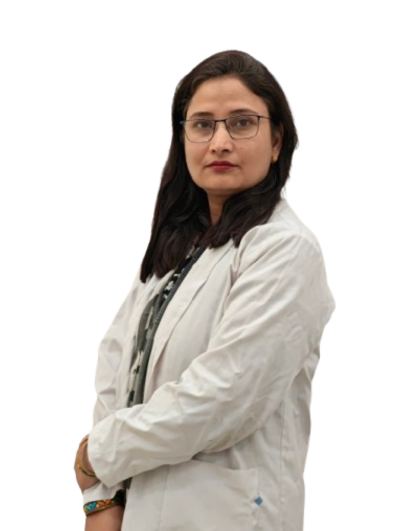
Dr. Abida is a dermatology specialist at Jigyasa Hospital, Moradabad, who evaluates and manages patients with eczema and other chronic skin conditions. She assesses persistent itching, redness, dryness, and recurring rashes in infants, children, and adults.
Her approach combines detailed clinical evaluation, evidence-based treatment, and patient education on skincare routines and trigger avoidance. She explains the diagnostic process and treatment plan clearly so patients understand the importance of consistent moisturizing, appropriate medication use, and long-term follow-up.
Understanding Eczema: More Than Just Dry Skin
Eczema, medically known as atopic dermatitis, is one of the most common chronic skin conditions affecting people of all ages — from infants to adults. It is often mistaken for simple dry skin or a temporary allergic reaction, but eczema is a persistent, relapsing inflammatory condition that requires proper diagnosis and a structured, long-term management plan.
At Jigyasa Hospital, Moradabad, Dr. Abida, Dermatologist, specializes in diagnosing and treating eczema and other chronic skin conditions. Patients from Moradabad, Rampur, Sambhal, Amroha, and Bijnor turn to Jigyasa Hospital for accurate skin assessments and treatment plans tailored to the type and severity of their condition, helping them manage flare-ups and regain comfortable, healthy skin.
What Is Eczema?
Eczema refers to a group of conditions that cause the skin to become inflamed, itchy, red, and irritated. The most common form is atopic dermatitis, which is closely linked to a person's genetic makeup and immune system response. It often appears alongside other allergic conditions such as asthma and allergic rhinitis (hay fever), a pattern sometimes referred to as the "atopic triad."
Other types of eczema seen in clinical practice include:
- • Contact Dermatitis – Triggered by direct contact with an irritant or allergen, such as soaps, detergents, metals, or cosmetics.
- • Dyshidrotic Eczema – Causes small, intensely itchy blisters, typically on the hands and feet.
- • Nummular Eczema – Presents as coin-shaped, scaly patches, often on the arms and legs.
- • Seborrheic Dermatitis – Affects oil-producing areas of the skin, such as the scalp, face, and chest, often causing flaking and redness.
- • Stasis Dermatitis – Occurs in the lower legs due to poor blood circulation, common in older adults.
Because these subtypes can look similar but require different treatment approaches, an accurate diagnosis from a qualified dermatologist is essential rather than relying on generic over-the-counter creams.
Recognizing the Symptoms of Eczema
Eczema symptoms can vary in intensity and appearance depending on the type and the individual's skin, but common signs include:
- • Persistent, intense itching, often worse at night
- • Dry, sensitive, or scaly patches of skin
- • Red to brownish-gray colored patches, particularly on the hands, feet, ankles, wrists, neck, upper chest, eyelids, and inside the bend of the elbows and knees
- • Small, raised bumps that may leak fluid and crust over when scratched
- • Thickened, cracked, or scaly skin from repeated scratching (a process called lichenification)
- • Raw, sensitive skin from scratching
- • Flare-ups that come and go, often triggered by specific factors
In infants, eczema commonly appears on the face and scalp, while in older children and adults, it more often affects the creases of the elbows and knees, hands, and neck.
Common Triggers of Eczema Flare-Ups
Understanding and identifying personal triggers is a critical part of long-term eczema management. Common triggers include:
- • Dry weather, especially seasonal changes involving low humidity
- • Harsh soaps, detergents, and cleaning products
- • Certain fabrics, particularly wool and synthetic materials
- • Sweating and overheating
- • Stress and emotional factors
- • Allergens such as dust mites, pet dander, and pollen
- • Certain foods, in some individuals, particularly children
- • Hormonal changes
- • Skin infections
Dr. Abida works closely with patients to identify individual triggers through detailed history-taking, helping create a personalized avoidance and management strategy alongside medical treatment.
Why Timely Treatment Matters
Untreated or poorly managed eczema can lead to complications that extend beyond skin discomfort:
- • Chronic skin thickening and scarring from repeated scratching
- • Increased risk of bacterial, viral, or fungal skin infections due to breaks in the skin barrier
- • Disrupted sleep due to persistent nighttime itching
- • Emotional and psychological impact, including reduced self-confidence, especially in visible areas like the face and hands
- • In children, potential interference with concentration, school performance, and overall quality of life
This is why Dr. Abida emphasizes that eczema should not be managed indefinitely with random over-the-counter products, but rather with a proper diagnosis and dermatologist-guided treatment plan.
Specialist Dermatology Evaluation for Eczema
Eczema has multiple subtypes that can look similar but need different management. A detailed dermatology assessment helps identify the type, severity, and personal triggers.
Comprehensive Diagnostic Approach
Evaluation may include clinical examination, allergy testing, IgE levels, patch testing for contact dermatitis, and skin scraping or culture when infection is suspected.
Personalized, Long-Term Treatment Plans
Treatment is tailored to the eczema subtype, severity, age, affected areas, and individual triggers, with a focus on reducing flares and restoring the skin barrier.
Skincare Education and Flare Prevention
Patients receive guidance on gentle skincare routines, bathing practices, fabric choices, moisturizer use, and trigger avoidance to reduce flare frequency and severity.
Trusted Eczema Care in Moradabad
Patients from Moradabad, Rampur, Sambhal, Amroha, Bijnor, and nearby districts visit Jigyasa Hospital for expert dermatology and long-term eczema management.
Diagnostic Approach at Jigyasa Hospital
Diagnosing eczema primarily relies on clinical examination, supported by targeted investigations when needed. At Jigyasa Hospital, the diagnostic process typically includes:
1. Detailed Clinical History
Dr. Abida takes a thorough history covering onset, pattern, triggers, family history of allergic conditions, and the impact of symptoms on daily life and sleep.
2. Physical Skin Examination
A hands-on examination helps identify the type, distribution, and severity of the eczema, and rule out other skin conditions that may mimic eczema, such as psoriasis or fungal infections.
3. Allergy and Laboratory Testing
Where relevant, blood tests conducted through the hospital's NABL-accredited laboratory can help assess IgE levels or identify underlying allergic tendencies. Patch testing may be recommended in suspected contact dermatitis cases to pinpoint specific allergens.
4. Skin Scraping or Culture
In cases where infection is suspected, a skin scraping or culture may be performed to identify bacterial or fungal involvement requiring targeted treatment.
Accurate diagnosis helps distinguish eczema from other skin conditions and guides the choice of topical treatments, moisturizers, and lifestyle modifications.
Treatment Approach: Personalized, Long-Term Skin Care
Eczema treatment at Jigyasa Hospital is tailored to the type, severity, and specific triggers relevant to each patient. Dr. Abida's approach focuses on reducing inflammation, restoring the skin barrier, and preventing future flare-ups. Treatment components typically include:
Topical Treatments
- Emollients and Moisturizers: Regular, liberal use of moisturizers is the foundation of eczema management, helping restore and maintain the skin's natural barrier.
- Topical Corticosteroids: Used to reduce inflammation and itching during flare-ups, prescribed at appropriate strengths based on the affected area and severity.
- Topical Calcineurin Inhibitors: Non-steroidal options used particularly for sensitive areas such as the face and eyelids, or for long-term maintenance therapy.
Oral Medications
- Antihistamines: Help control itching, particularly useful for improving sleep quality during flare-ups.
- Oral Corticosteroids: Used selectively for short periods in severe flare-ups, under close medical supervision.
- Antibiotics: Prescribed when a secondary bacterial infection is present alongside the eczema.
Advanced Therapies
For moderate to severe cases that don't respond adequately to conventional treatment, options such as phototherapy or systemic immunomodulatory medications may be considered, tailored to the individual's needs and response to prior treatment.
Skincare and Lifestyle Guidance
Dr. Abida places strong emphasis on patient education regarding gentle skincare routines, appropriate bathing practices (lukewarm water, mild cleansers), fabric choices, and trigger avoidance — all of which play a significant role in reducing flare frequency and severity.
Why Choose Dr. Abida at Jigyasa Hospital?
Persistent skin issues deserve more than temporary relief — they need an accurate diagnosis and a sustainable, long-term management plan. Jigyasa Hospital, located on Rampur Road near Miglani Cinema, Moradabad, offers:
- • Dedicated dermatology consultation with Dr. Abida for eczema and other chronic skin conditions
- • NABL-accredited diagnostic laboratory for reliable allergy and skin-related investigations
- • Empanelment under Ayushman Bharat PM-JAY, extending eligible treatment benefits to qualifying families
- • 24/7 emergency care support for severe flare-ups or skin infections
- • Personalized treatment plans balancing medication, moisturizers, and lifestyle changes
- • Patient education on trigger identification and daily skincare routines
- • Wide service catchment covering Moradabad, Rampur, Sambhal, Amroha, and Bijnor
- • Accessible specialized dermatological care without long-distance travel to metro cities
Living with Eczema: Practical Tips for Patients
Eczema is a chronic condition, but with the right approach, most patients achieve good control over their symptoms and lead comfortable, active lives. Helpful daily practices include:
- • Moisturize immediately after bathing, while the skin is still damp, to lock in hydration
- • Use lukewarm rather than hot water for bathing, as hot water can strip natural oils
- • Choose mild, fragrance-free soaps and detergents
- • Wear soft, breathable fabrics like cotton, and avoid wool or rough synthetic materials
- • Keep nails trimmed short, especially in children, to minimize skin damage from scratching
- • Manage stress through relaxation techniques, as stress is a known flare trigger
- • Stay consistent with prescribed maintenance treatment even between flare-ups, rather than stopping once symptoms improve
If you or your child are dealing with persistent itching, redness, or recurring skin flare-ups, don't rely on guesswork. A proper dermatological evaluation can help identify the underlying cause and set you on a path toward lasting relief.
Book an Appointment with Dr. Abida
Jigyasa Hospital offers specialist dermatology care for eczema and other chronic skin conditions under the guidance of Dr. Abida. Consistent treatment and skincare can help control inflammation, restore the skin barrier, and reduce the frequency and severity of flare-ups.
Near Miglani Cinema, Rampur Road, Moradabad 244001
Call Now
7900903333Frequently Asked Questions
Is eczema contagious?
No. Eczema is not caused by an infection and cannot be spread from person to person through contact.
Can eczema be completely cured?
Eczema is generally a chronic condition without a permanent cure, but with proper treatment and trigger management, most patients achieve long periods of clear or well-controlled skin.
Does eczema go away with age?
Many children with eczema see significant improvement or resolution as they grow older, though some individuals continue to experience symptoms into adulthood.
Are steroid creams safe for long-term use?
Topical corticosteroids are safe and effective when used as directed by a dermatologist, typically for flare-ups rather than continuous long-term use, with strength adjusted to minimize side effects.
Can diet affect eczema?
In some individuals, particularly children, certain foods may trigger or worsen flare-ups. However, dietary changes should only be made under medical guidance following proper evaluation, rather than broad, unsupervised elimination diets.
Why does my eczema get worse in winter?
Cold, dry air reduces environmental humidity and can strip moisture from the skin, often worsening eczema symptoms during winter months. Consistent moisturizing becomes especially important in this season.
Can eczema affect only certain parts of the body?
Yes, eczema often appears in specific areas such as the elbow creases, behind the knees, hands, neck, and face, though the exact pattern can vary by age and individual.
When should I see a dermatologist for eczema?
If itching, redness, or rashes persist despite basic moisturizing, worsen over time, or interfere with sleep and daily activities, it's advisable to consult a dermatologist for a proper diagnosis and treatment plan.
Why Patients Choose Us
- 24/7 Emergency & Trauma Care
- Top Specialist Doctors
- Modern ICU & Operation Theatres
- Transparent & Affordable Pricing
- Ayushman Bharat Empanelled
- Cashless Insurance Support
- Multispeciality Under One Roof
Our Location
Near Miglani Cinema,
Rampur Road,
Moradabad 244001