
Endoscopy in Moradabad | Expert GI Care – Jigyasa Hospital
Endoscopy in Moradabad: Advanced Gastrointestinal Care at Jigyasa Hospital
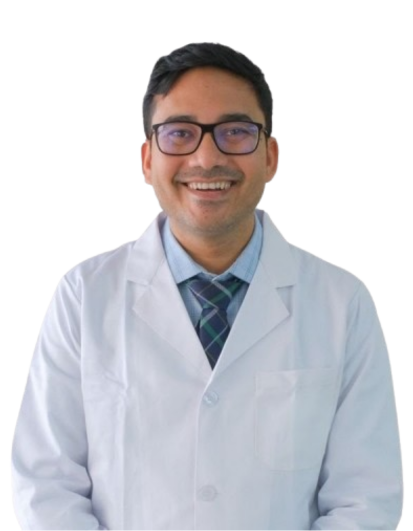
If you have been experiencing persistent digestive discomfort, heartburn, unexplained abdominal pain, or any gastrointestinal concern, getting the right diagnosis is the most important first step. At Jigyasa Hospital, Moradabad, our gastroenterology department — led by Dr. Pabitra Sahu, a specialist in Gastroenterology & Hepatology — offers state-of-the-art endoscopy services to help you understand what is happening inside your body and receive the most appropriate treatment.
This page explains everything you need to know about endoscopy in Moradabad: what it is, why it is done, the different types we offer, who needs it, how to prepare, what happens during the procedure, and why Jigyasa Hospital is the trusted choice for GI care in the region.
What Is Endoscopy?
Endoscopy is a minimally invasive medical procedure that allows a doctor to examine the interior of the body using a thin, flexible tube fitted with a light and a camera — called an endoscope. The images captured are displayed on a high-definition monitor, enabling the physician to view the lining of the digestive tract in real time, identify abnormalities, collect tissue samples (biopsy), or perform therapeutic interventions — all without any surgical incision.
Endoscopy is one of the most valuable diagnostic tools available in modern medicine. It provides direct visualization of areas that cannot be seen clearly through X-rays or ultrasound alone, making it essential for accurate diagnosis of conditions affecting the esophagus, stomach, small intestine, large intestine, and rectum.
Why Endoscopy Matters: The Importance of Early Diagnosis
Gastrointestinal diseases are among the most common health problems in India. Conditions like peptic ulcers, gastroesophageal reflux disease (GERD), inflammatory bowel disease, polyps, and gastrointestinal cancers often develop silently — showing symptoms only when the condition has significantly progressed.
Endoscopy plays a critical role in:
• Early detection of precancerous lesions and tumors, when treatment is most effective
• Accurate diagnosis of the underlying cause of symptoms like blood in stool, chronic acidity, or difficulty swallowing
• Therapeutic intervention — treating the problem during the same procedure, eliminating the need for open surgery in many cases
• Monitoring known conditions such as Barrett's esophagus, Crohn's disease, or ulcerative colitis
At Jigyasa Hospital, we believe that early and accurate diagnosis saves lives — and endoscopy is at the heart of that mission.
Advanced Endoscopy Suite
State-of-the-art endoscopy systems with high-definition imaging for accurate diagnosis and safe therapeutic procedures.
Comprehensive GI Services
From routine OGD scopy and colonoscopy to advanced ERCP, capsule endoscopy, EUS and therapeutic endoscopy under one roof.
Strict Safety & Hygiene
Rigorous infection control, thorough endoscope disinfection, and adherence to sterilization protocols for every procedure.
Expert Gastroenterologist
Endoscopy services led by Dr. Pabitra Sahu, specialist in Gastroenterology & Hepatology with extensive endoscopic experience.
Early & Accurate Diagnosis
Focused on early detection of GI diseases, timely intervention, and structured follow-up for long-term digestive health.
Accessible Moradabad Location
Conveniently located near Miglani Cinema, Rampur Road, Moradabad, serving patients from nearby cities and districts.
Types of Endoscopy Procedures Offered at Jigyasa Hospital, Moradabad
1. Upper GI Endoscopy (Esophagogastroduodenoscopy — EGD / OGD Scopy)
This is the most commonly performed endoscopy. A flexible endoscope is passed through the mouth to examine the esophagus, stomach, and duodenum (the first part of the small intestine).
Used to diagnose and treat:
• Gastroesophageal Reflux Disease (GERD) / chronic acidity
• Peptic ulcers (stomach or duodenal)
• Gastritis (inflammation of the stomach lining)
• Barrett's esophagus (a precancerous condition)
• Hiatal hernia
• Difficulty swallowing (dysphagia)
• Unexplained nausea and vomiting
• Upper GI bleeding
• Stomach or esophageal cancer detection
2. Colonoscopy
A colonoscope is inserted through the rectum to examine the entire large intestine (colon) and sometimes the terminal part of the small intestine.
Used to diagnose and treat:
• Colorectal cancer and precancerous polyps
• Ulcerative colitis and Crohn's disease
• Unexplained rectal bleeding or blood in stool
• Chronic diarrhea or constipation
• Irritable bowel syndrome (IBS) investigation
• Iron-deficiency anemia without a clear cause
Colonoscopy is also recommended as a screening procedure for individuals above the age of 45, or earlier if there is a family history of colon cancer.
3. Flexible Sigmoidoscopy
Similar to colonoscopy, but limited to the lower part of the colon (sigmoid colon and rectum). It is a shorter and faster procedure used to investigate:
• Rectal bleeding
• Hemorrhoids and anal fissures
• Rectal polyps
4. Endoscopic Retrograde Cholangiopancreatography (ERCP)
ERCP is a specialized procedure that combines endoscopy and fluoroscopy (X-ray imaging) to diagnose and treat conditions affecting the bile ducts, pancreatic ducts, and gallbladder.
Used for:
• Removal of bile duct stones
• Treatment of biliary strictures (narrowing of bile ducts)
• Placement of bile duct stents
• Diagnosis of pancreatic disease
• Investigation of jaundice caused by bile duct obstruction
5. Capsule Endoscopy
The patient swallows a small, pill-sized wireless camera that captures thousands of images as it travels through the digestive tract. This allows visualization of the small intestine, which traditional endoscopes cannot reach.
Ideal for:
• Diagnosing small bowel bleeding
• Detecting Crohn's disease in the small intestine
• Identifying small bowel tumors or polyps
6. Endoscopic Ultrasound (EUS)
A specialized endoscope fitted with an ultrasound probe is used to obtain detailed images of the digestive tract walls and nearby organs like the pancreas, liver, and lymph nodes.
Used for:
• Staging of GI cancers
• Evaluation of pancreatic cysts and tumors
• Assessment of submucosal lesions
7. Therapeutic Endoscopy
Beyond diagnosis, our team performs therapeutic endoscopic procedures, including:
• Polypectomy — removal of polyps from the colon or stomach
• Endoscopic Mucosal Resection (EMR) — removal of early-stage tumors or large polyps
• Hemostasis — controlling internal bleeding from ulcers or varices
• Dilation — widening of strictures or narrowed passages in the esophagus or colon
• Stent placement — in the esophagus, bile duct, or colon
• Foreign body removal
• Variceal banding — treatment of esophageal varices in patients with liver disease
Who Should Consider Getting an Endoscopy?
You may be a candidate for endoscopy if you experience any of the following symptoms:
- • Persistent heartburn, acidity, or regurgitation that does not respond to medication
- • Difficulty swallowing (food getting stuck)
- • Chronic or unexplained abdominal pain
- • Nausea and vomiting lasting more than a few days
- • Blood in vomit (hematemesis)
- • Black or tarry stools (indicating upper GI bleeding)
- • Bright red blood in stool (rectal bleeding)
- • Unexplained weight loss
- • Persistent change in bowel habits (chronic diarrhea or constipation)
- • Jaundice (yellowing of the skin and eyes)
- • Suspected colorectal cancer or family history of GI cancers
- • Routine colorectal cancer screening (recommended from age 45)
- • Monitoring of known GI conditions
Do not ignore these symptoms. Many life-threatening gastrointestinal conditions are treatable when caught early. If you are experiencing any of these signs, contact Jigyasa Hospital today and schedule a consultation with Dr. Pabitra Sahu.
Meet Your Doctor: Dr. Pabitra Sahu — Gastroenterology & Hepatology
At Jigyasa Hospital, our gastroenterology services are led by Dr. Pabitra Sahu, a highly trained specialist in Gastroenterology and Hepatology with extensive experience in diagnostic and therapeutic endoscopy.
Dr. Sahu brings deep clinical expertise in managing complex gastrointestinal and liver conditions. His practice encompasses the full spectrum of GI care — from routine diagnostic endoscopies to advanced interventional procedures including ERCP, variceal banding, and endoscopic therapy for GI bleeding.
How to Prepare for Your Endoscopy
Preparation varies depending on the type of procedure. Here is a general guide:
For Upper GI Endoscopy (EGD):
- • Fast for at least 6–8 hours before the procedure (no food or water)
- • Inform the doctor about all medications you are currently taking (especially blood thinners, diabetes medicines, or antacids)
- • Arrange for someone to accompany you, as mild sedation may be given
- • Do not drive immediately after the procedure if sedation is administered
For Colonoscopy:
- • Bowel preparation is essential — you will be prescribed a laxative solution to drink the day before, which clears the colon for optimal visualization
- • Follow a low-fiber diet 2–3 days before the procedure
- • Fast from midnight the night before the procedure
- • Inform the doctor if you are on blood thinners (aspirin, warfarin, clopidogrel), as these may need to be paused
Conditions We Diagnose and Treat
At Jigyasa Hospital's gastroenterology department, Dr. Pabitra Sahu diagnoses and manages a comprehensive range of GI and liver conditions, including:
- • GERD (Gastroesophageal Reflux Disease)
- • Peptic Ulcer Disease
- • Gastritis & Duodenitis
- • H. pylori Infection
- • Colon Polyps & Colorectal Cancer
- • Esophageal Cancer & Stomach Cancer (early detection)
- • Inflammatory Bowel Disease (Crohn's Disease & Ulcerative Colitis)
- • Irritable Bowel Syndrome (IBS)
- • Celiac Disease
- • Liver Cirrhosis & Chronic Hepatitis (B & C)
- • Fatty Liver Disease (NAFLD/NASH)
- • Gallstone Disease & Bile Duct Disorders
- • Pancreatitis
- • GI Bleeding (upper and lower)
- • Esophageal Varices
What Happens During an Endoscopy?
Understanding the procedure helps reduce anxiety. Here is a step-by-step overview of what to expect:
Step 1: Pre-Procedure Assessment
On arrival, a nurse will take your vitals and review your medical history. You will be asked to sign an informed consent form. An intravenous (IV) line may be placed if sedation or medication is needed.
Step 2: Sedation (if applicable)
For upper GI endoscopy, a local anesthetic spray is applied to the throat to minimize discomfort. Mild sedation may be given intravenously. For colonoscopy, conscious sedation is typically administered to ensure comfort. You remain aware but relaxed and drowsy.
Step 3: The Procedure
For upper endoscopy: the endoscope is gently passed through your mouth and throat into the stomach and duodenum. You will be asked to lie on your left side.
For colonoscopy: the colonoscope is gently inserted through the rectum. The colon is inflated with air or CO₂ to improve visibility. The doctor carefully examines the colon lining as the scope is slowly withdrawn.
If polyps are found or biopsies needed, these are performed during the same procedure without any additional discomfort.
Step 4: Recovery
After the procedure, you will rest in the recovery area for 20–30 minutes. Any sedation wears off within this time. Our nursing team monitors you closely. Mild bloating or sore throat may occur for a short time — this is normal and resolves quickly.
Step 5: Results and Follow-Up
Dr. Sahu will discuss initial findings with you immediately after the procedure. If biopsies were taken, results typically take a few days. A follow-up appointment will be scheduled to review the report and plan any further treatment if needed.
Why Choose Jigyasa Hospital for Endoscopy in Moradabad?
- ✅ Expert Gastroenterologist
Dr. Pabitra Sahu's specialized training in Gastroenterology & Hepatology ensures that every procedure is conducted with the highest level of skill and diagnostic precision. - ✅ Advanced Endoscopy Equipment
Our endoscopy suite is equipped with modern, high-definition endoscopy systems that deliver superior image quality, enabling more accurate diagnosis and safer therapeutic procedures. - ✅ Comprehensive GI Services Under One Roof
From routine OGD scopy to complex ERCP and therapeutic procedures, all gastrointestinal services are available at Jigyasa Hospital — saving you the time and expense of traveling to distant cities. - ✅ Patient Safety & Hygiene Standards
We strictly follow infection control protocols. Every endoscope is thoroughly disinfected and sterilized between procedures. Patient safety is our highest priority. - ✅ Experienced & Compassionate Team
Our gastroenterology team understands that digestive health concerns can be stressful. We ensure that every patient is treated with dignity, patience, and clear communication throughout their care journey. - ✅ Convenient Location in Moradabad
Jigyasa Hospital is centrally located in Moradabad, easily accessible to patients from Moradabad, Rampur, Sambhal, Amroha, Hapur, Bareilly, and neighboring districts. - ✅ Affordable & Transparent Pricing
We believe that high-quality GI care should be accessible. Our team provides transparent information about procedure costs, and we work with most insurance providers.
Book Your Endoscopy Consultation in Moradabad Today
Your digestive health is too important to leave to guesswork. Whether you are dealing with a persistent symptom, managing a chronic GI condition, or simply due for a routine screening — Jigyasa Hospital and Dr. Pabitra Sahu are here to help.
Feel free to contact & reach us!
Near Miglani Cinema, Rampur road Moradabad, 244001
Email: info@jigyasahospital.in
Phone: 7900903333
Call Now
7900903333Hospital Address
Jigyasa Hospital, Near Miglani Cinema, Rampur Road, Moradabad 244001
Email Us
info@jigyasahospital.inFrequently Asked Questions (FAQs)
Is endoscopy painful?
Most patients experience little to no pain. For upper GI endoscopy, a throat spray and mild sedation make the procedure comfortable. Colonoscopy is performed under conscious sedation, so patients remain relaxed. Some mild bloating or throat discomfort may occur afterward, but it resolves quickly.
How long does an endoscopy take?
A standard upper GI endoscopy takes approximately 10–20 minutes. Colonoscopy takes about 20–45 minutes. More complex procedures like ERCP may take 30–60 minutes or longer.
How soon can I eat after endoscopy?
For upper GI endoscopy, you can usually eat and drink within 1–2 hours after the procedure, once the throat numbness wears off. After colonoscopy, you may eat normally once you feel ready, usually within a few hours.
Are there any risks associated with endoscopy?
Endoscopy is generally very safe. Rare complications can include mild bleeding (especially if a biopsy is taken or a polyp is removed) or, very rarely, perforation. Dr. Sahu and our experienced team minimize these risks through careful technique and thorough pre-procedure assessment.
Do I need someone to accompany me?
Yes, it is recommended, especially if sedation is used. You should not drive or operate machinery for at least 6 hours after receiving sedation. Having a family member or friend accompany you ensures your safety.
Why Patients Choose Us
- 24/7 Emergency & Trauma Care
- Top Specialist Doctors
- Modern ICU & Operation Theatres
- Transparent & Affordable Pricing
- Ayushman Bharat Empanelled
- Cashless Insurance Support
- Multispeciality Under One Roof
Our Location
Near Miglani Cinema,
Rampur Road,
Moradabad 244001