
ERCP Treatment in Moradabad – Dr. Pabitra Sahu, Gastroenterologist, at Jigyasa Hospital
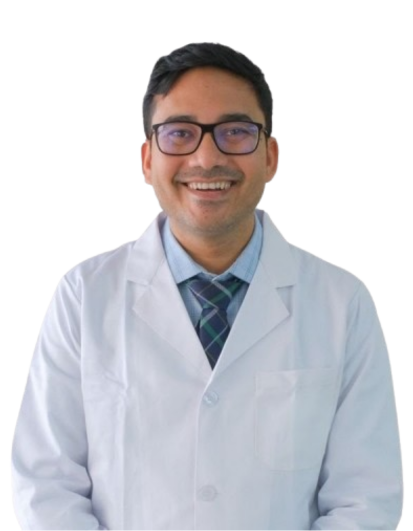
Who Is Dr. Pabitra Sahu?
Dr. Pabitra Sahu is a specialist in Gastroenterology and Hepatology at Jigyasa Hospital, Moradabad, who performs ERCP procedures in-house with comprehensive pre-procedure workup and monitored recovery. He evaluates patients with bile duct and pancreatic duct conditions including stones, strictures, and blockages that require this specialized diagnostic and therapeutic procedure.
His approach combines specialized ERCP expertise, thorough pre-procedure assessment including blood tests and medication review, detailed patient education about the procedure and recovery, and coordinated follow-up care to ensure optimal outcomes for patients requiring this advanced gastroenterology intervention.
Understanding ERCP: A Specialized Diagnostic and Therapeutic Procedure
ERCP, or Endoscopic Retrograde Cholangiopancreatography, is one of the most valuable procedures in modern gastroenterology — combining endoscopy and real-time imaging to both diagnose and treat conditions affecting the bile ducts and pancreatic duct, often avoiding the need for more invasive surgery.
At Jigyasa Hospital, Moradabad, ERCP is performed in-house under the care of Dr. Pabitra Sahu, supported by the hospital's diagnostic and inpatient infrastructure for both the procedure itself and post-procedure monitoring. Jigyasa Hospital is located on Rampur Road, Near Miglani Cinema, Moradabad – 244001, and serves patients from across the region, including Rampur, Sambhal, Amroha, and Bijnor.
What Happens During ERCP: An Overview
ERCP combines two techniques: endoscopy (using a flexible tube with a camera, passed through the mouth, down the esophagus and stomach, into the duodenum) and fluoroscopy (a form of real-time X-ray imaging). This combination allows the specialist to visualize and access the bile duct and pancreatic duct openings, inject contrast dye to outline these ducts on X-ray, and perform therapeutic interventions in the same session if needed.
Unlike a purely diagnostic test, ERCP is often both diagnostic and therapeutic in a single procedure, which is one of its key advantages over other imaging methods that can only visualize the ducts without the ability to treat what's found.
Before the Procedure: Preparation for ERCP
Proper preparation is essential for both safety and the success of the procedure. Patients are typically guided through the following steps:
1. Pre-Procedure Consultation
Dr. Sahu conducts a thorough review of the patient's medical history, current medications, allergies, and the specific indication for ERCP. This includes discussing any bleeding disorders or blood-thinning medications, allergies particularly to contrast dye or iodine, prior abdominal surgeries, and current medications especially diabetes medications.
2. Fasting Requirements
Patients are generally required to fast for a specified period before the procedure — typically 6 to 8 hours for solid food and a shorter period for clear liquids — to ensure the stomach is empty, reducing risks associated with sedation and improving visualization.
3. Pre-Procedure Blood Tests
Baseline blood tests, including a coagulation profile and complete blood count, are typically performed beforehand to assess bleeding risk and overall fitness for the procedure, supported by the hospital's in-house laboratory.
4. Medication Adjustments
Certain medications, particularly blood thinners, may need to be paused or adjusted in the days leading up to the procedure, under medical guidance, to reduce bleeding risk while balancing the reason the medication was originally prescribed.
5. Informed Consent and Discussion
Before the procedure, patients and, where appropriate, family members are given a clear explanation of the procedure, its purpose, expected benefits, and potential risks, allowing for informed decision-making.
6. Arranging Post-Procedure Support
Since sedation is used, patients are advised to arrange for someone to accompany them home after the procedure, as driving or operating machinery is not advisable for the remainder of the day.
Specialist ERCP Expertise
ERCP is a technically demanding procedure requiring specialized training beyond standard endoscopy. Dr. Pabitra Sahu's expertise in Gastroenterology and Hepatology ensures appropriate patient selection and procedural safety.
Comprehensive Pre-Procedure Workup
Supported by the hospital's NABL-accredited laboratory for necessary baseline testing including coagulation profile and complete blood count to assess bleeding risk and overall fitness for the procedure.
In-House ERCP Capability
ERCP is performed on-site at Jigyasa Hospital under Dr. Pabitra Sahu's care, avoiding the need for referral to distant centers for this specialized procedure that combines endoscopy and real-time imaging.
Monitored Recovery and Follow-Up
Inpatient facilities available for patients requiring closer post-procedure observation, with scheduled follow-up consultation to review findings and plan any further treatment based on what was addressed during the procedure.
Regional Accessibility for Specialized Care
Serving Moradabad, Rampur, Sambhal, Amroha, and Bijnor with a specialized procedure not available at every local center, bringing advanced gastroenterology care closer to home.
Step-by-Step: What Happens During ERCP
The ERCP procedure at Jigyasa Hospital follows a structured process to ensure safety and optimal results. Dr. Sahu provides clear guidance at each stage, from sedation through procedure completion.
Step 1: Sedation
ERCP is performed under sedation (and in some cases, deeper sedation or anesthesia depending on the case complexity and patient factors), ensuring the patient is comfortable and relaxed throughout the procedure. Vital signs are continuously monitored throughout.
Step 2: Endoscope Insertion
A thin, flexible endoscope is gently passed through the mouth, down the esophagus, through the stomach, and into the first part of the small intestine (duodenum), where the openings of the bile duct and pancreatic duct are located.
Step 3: Locating the Duct Opening
The specialist carefully identifies the small opening (called the ampulla of Vater) where the bile and pancreatic ducts empty into the duodenum.
Step 4: Contrast Injection and Imaging
A thin catheter is passed through the endoscope into the duct opening, and contrast dye is injected. Real-time X-ray (fluoroscopy) imaging then outlines the duct anatomy, allowing the specialist to identify stones, strictures, or other abnormalities.
Step 5: Therapeutic Intervention (If Needed)
Based on the findings, several interventions can be performed during the same session:
- • Sphincterotomy: A small cut is made to widen the duct opening, facilitating stone removal or improved bile flow.
- • Stone Removal: Using specialized instruments passed through the endoscope, stones can be extracted or fragmented and removed.
- • Stent Placement: A small tube (stent) may be placed to keep a narrowed or blocked duct open, allowing bile or pancreatic fluid to flow properly.
- • Biopsy or Brushing: In cases where a stricture's cause is uncertain, tissue samples may be collected for further evaluation.
Step 6: Procedure Completion
Once the necessary diagnostic and therapeutic steps are complete, the endoscope is carefully withdrawn, and the patient is moved to a recovery area for monitoring as sedation wears off. The entire procedure typically takes between 30 minutes to a couple of hours, depending on the complexity of findings and interventions required.
After the Procedure: Recovery from ERCP
Proper aftercare significantly influences both the safety and results of ERCP. Dr. Sahu provides patients with clear recovery guidance to ensure optimal healing and minimize complications.
Immediate Recovery (Same Day)
- • Patients are monitored closely for a period after the procedure as sedation wears off, watching for any signs of complications.
- • A mild sore throat is common, given the passage of the endoscope, and typically resolves within a day or two.
- • Patients are usually kept fasting for a short period after the procedure before gradually reintroducing fluids and then food.
- • Most patients can go home the same day if no complications arise and recovery is proceeding as expected, though some cases may require overnight observation.
The First Few Days
- • Mild bloating, gas, or minor throat discomfort are common and generally resolve within a few days.
- • Patients are advised to avoid strenuous activity for a short period following the procedure.
- • Any prescribed medications, such as antibiotics (if indicated) or pain relief, should be taken as directed.
Warning Signs to Watch For
While ERCP is generally safe, patients are advised to seek prompt medical attention if they experience:
- • Severe or worsening abdominal pain.
- • Fever or chills.
- • Persistent vomiting.
- • Signs of bleeding, such as black stools or vomiting blood.
- • Difficulty breathing or chest pain.
These symptoms, though uncommon, could indicate complications such as pancreatitis (a recognized risk of ERCP), infection, or bleeding, requiring prompt evaluation.
Follow-Up Care
A follow-up consultation with Dr. Sahu is typically scheduled to review procedure findings, discuss any biopsy or pathology results if applicable, and plan any further treatment based on what was found and addressed during the procedure.
Why ERCP Requires Specialized Expertise
ERCP is a technically demanding procedure requiring specialized training beyond standard endoscopy, given the precision needed to access and treat the bile and pancreatic duct system. The combination of endoscopic skill and real-time imaging interpretation makes appropriate specialist expertise, along with adequate procedural volume and experience, important factors in both the safety and success of the procedure.
Why Choose Jigyasa Hospital for ERCP?
Jigyasa Hospital, located on Rampur Road near Miglani Cinema, Moradabad, offers comprehensive ERCP services under specialist gastroenterology care with full diagnostic and inpatient support.
- • In-House ERCP Capability: Available on-site under Dr. Pabitra Sahu's care, avoiding the need for referral to distant centers for this specialized procedure.
- • Comprehensive Pre-Procedure Workup: Supported by the hospital's NABL-accredited laboratory for necessary baseline testing.
- • Monitored Recovery: Inpatient facilities available for patients requiring closer post-procedure observation.
- • 24/7 Emergency Care: For prompt management in the rare event of post-procedure complications.
- • Ayushman Bharat PM-JAY Empanelled: Supporting eligible patients with procedure and hospitalization costs.
- • Regional Accessibility: Serving Moradabad, Rampur, Sambhal, Amroha, and Bijnor with a specialized procedure not available at every local center.
- • Specialist Expertise: Dr. Pabitra Sahu's training in Gastroenterology and Hepatology ensures appropriate patient selection and procedural safety.
- • Evidence-Based Approach: Prioritizing patient safety and realistic outcomes.
Book an Appointment with Dr. Pabitra Sahu
Jigyasa Hospital offers specialist gastroenterology care for ERCP procedures under the guidance of Dr. Pabitra Sahu. In-house ERCP capability with comprehensive pre-procedure workup and monitored recovery ensures optimal outcomes.
Near Miglani Cinema, Rampur Road, Moradabad 244001
Call Now
7900903333Frequently Asked Questions
Is ERCP a painful procedure?
ERCP is performed under sedation, so patients do not experience pain during the procedure itself. Mild throat discomfort or bloating afterward is common but generally resolves within a few days.
How long does recovery from ERCP take?
Most patients recover within a few days, with mild symptoms like throat discomfort or bloating resolving quickly. Full recovery, including return to normal activity, is generally achieved within about a week, depending on individual circumstances and whether any complications occurred.
What is the most common complication of ERCP?
Post-ERCP pancreatitis is the most commonly discussed risk, occurring in a small percentage of cases. This is why careful patient selection, procedural technique, and post-procedure monitoring are important parts of safe ERCP practice.
Can I eat normally right after ERCP?
Patients are typically kept fasting for a short period immediately after the procedure, with gradual reintroduction of fluids and then food based on how well they're tolerating recovery, as guided by the medical team.
How long does the actual ERCP procedure take?
The procedure itself typically takes between 30 minutes and a couple of hours, depending on the complexity of the case and whether therapeutic interventions like stone removal or stent placement are required.
Will I need to stay overnight after ERCP?
Many patients can go home the same day if recovery proceeds smoothly without complications. However, some cases — particularly more complex procedures or those with early signs of complications — may require overnight observation.
Do I need to stop my blood thinners before ERCP?
This depends on the specific medication and the reason it was prescribed. Your doctor will review your medications beforehand and provide specific guidance on any necessary adjustments prior to the procedure.
Is ERCP available at Jigyasa Hospital, or will I need to be referred elsewhere?
ERCP is performed in-house at Jigyasa Hospital under Dr. Pabitra Sahu's care, allowing patients in and around Moradabad to access this specialized procedure without needing referral to a distant center.
Why Patients Choose Us
- 24/7 Emergency & Trauma Care
- Top Specialist Doctors
- Modern ICU & Operation Theatres
- Transparent & Affordable Pricing
- Ayushman Bharat Empanelled
- Cashless Insurance Support
- Multispeciality Under One Roof
Our Location
Near Miglani Cinema,
Rampur Road,
Moradabad 244001