
Esophageal Surgery in Moradabad – Expert Care at Jigyasa Hospital
Advanced Esophageal Care Close to Home
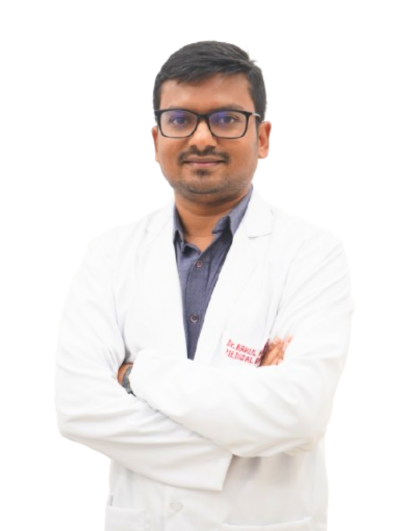
When it comes to esophageal disorders, timely diagnosis and precise surgical intervention can be life-changing. At Jigyasa Hospital, Moradabad, patients from across the Rohilkhand region and western Uttar Pradesh have access to advanced esophageal surgery under the guidance of Dr. Rahul Kumar.
Whether you are dealing with chronic acid reflux, progressive difficulty swallowing, narrowing of the food pipe, or a serious diagnosis like esophageal cancer, our surgical team provides complete care from evaluation to recovery.
What Is the Esophagus and Why Is Esophageal Surgery Needed?
The esophagus is a muscular tube around 25 cm long that connects the throat to the stomach. Its main job is to carry food and liquids through coordinated muscular contractions called peristalsis.
A valve-like structure at the lower end, called the lower esophageal sphincter, helps prevent stomach acid from flowing backward. When this structure becomes diseased, narrowed, obstructed, or cancerous, swallowing can become difficult, painful, and sometimes dangerous.
Common reasons esophageal surgery may be required
- • Esophageal cancer, including squamous cell carcinoma and adenocarcinoma
- • Gastroesophageal reflux disease not responding to medication
- • Achalasia cardia with failure of sphincter relaxation
- • Esophageal stricture due to reflux, scarring, or corrosive injury
- • Hiatal hernia
- • Esophageal perforation or rupture
- • Barrett's esophagus with advanced disease changes
- • Zenker's diverticulum
Dr. Rahul Kumar – Senior Laparoscopic and GI Surgeon
Dr. Rahul Kumar is one of Moradabad's trusted names in minimally invasive and gastrointestinal surgery. With extensive experience in upper GI and laparoscopic procedures, he performs a wide range of esophageal surgeries at Jigyasa Hospital with precision and patient safety as the highest priority.
His surgical approach emphasizes smaller incisions, reduced blood loss, quicker recovery, and a lower risk of complications. For complex cases such as esophageal cancer and major reconstructive procedures, he works in coordination with oncologists, gastroenterologists, anesthesiologists, and nutrition specialists.
Why patients choose Dr. Rahul Kumar
- • Expertise in laparoscopic and open esophageal procedures
- • Comprehensive upper GI surgical evaluation
- • Multidisciplinary planning for complex cancer care
- • Focus on safety, faster recovery, and long-term outcomes
- • Trusted by patients from Moradabad and surrounding districts
Advanced Esophageal Surgery
Comprehensive care for esophageal disorders including cancer, GERD, achalasia, strictures, and hiatal hernia.
Minimally Invasive Expertise
Laparoscopic procedures with smaller incisions, less pain, shorter stay, and faster recovery.
Multidisciplinary Care
Coordinated treatment with gastroenterology, oncology, anesthesia, ICU, and nutrition support.
Structured Recovery
Dedicated monitoring, dietary progression, rehabilitation, and follow-up after esophageal surgery.
Moradabad and Nearby
Serving Moradabad, Sambhal, Amroha, Rampur, Bareilly, Bijnor, Hapur, and the Rohilkhand region.
Esophageal Conditions Treated at Jigyasa Hospital
1. Esophageal Cancer
Esophageal cancer is a serious digestive tract malignancy. In India, squamous cell carcinoma is more common and is often linked to tobacco use, alcohol consumption, hot food intake, and nutritional deficiency. Adenocarcinoma is more closely associated with long-standing GERD and Barrett's esophagus.
At Jigyasa Hospital, treatment is planned according to the stage of disease. Early-stage cancers may be treated by esophagectomy, while advanced cases may need a combination of surgery, chemotherapy, and radiotherapy.
- • Progressive difficulty swallowing
- • Unexplained weight loss
- • Chest pain or discomfort
- • Hoarseness or chronic cough
- • Regurgitation or vomiting of food
2. GERD and Anti-Reflux Surgery
Gastroesophageal reflux disease affects many people and can become severe when medicines no longer provide relief. Laparoscopic Nissen Fundoplication is the standard anti-reflux surgery performed to strengthen the lower esophageal sphincter and prevent reflux.
- • Keyhole surgery with small incisions
- • Usually 2 to 3 days of hospital stay
- • Faster return to normal activity
- • Long-term control of reflux symptoms
- • Reduced dependence on lifelong medication
3. Achalasia Cardia – Heller Myotomy
Achalasia is a motility disorder in which the lower esophageal sphincter does not relax properly during swallowing. Patients often experience progressive dysphagia, regurgitation, chest pain, and weight loss. Dr. Rahul Kumar performs laparoscopic Heller Myotomy, often combined with a partial fundoplication, for long-term symptom relief.
4. Esophageal Stricture and Dilation
Esophageal strictures are narrowings that block the normal passage of food. Common causes include long-term acid reflux, corrosive ingestion, post-surgical scarring, and radiation injury.
Mild to moderate strictures can often be managed with endoscopic balloon dilation. Severe or recurrent strictures may require reconstructive surgery or resection depending on the site and extent of narrowing.
5. Hiatal Hernia Repair
A hiatal hernia occurs when part of the stomach moves upward through the diaphragm into the chest. Large hernias may cause major reflux, chest discomfort, or breathing-related symptoms. Laparoscopic repair restores the stomach to its normal position and may be combined with fundoplication for better reflux control.
What to Expect: Esophageal Surgery Journey at Jigyasa Hospital
Step 1 – Consultation
Detailed history, review of previous investigations, and physical examination by Dr. Rahul Kumar.
Step 2 – Diagnostic Workup
Depending on the condition, investigations may include barium swallow study, upper GI endoscopy, CT scan of the chest and abdomen, biopsy when malignancy is suspected, and pulmonary fitness assessment.
Step 3 – Pre-Operative Planning
Nutritional optimization, anesthesia evaluation, medication adjustment, and counseling are completed before surgery.
Step 4 – Surgery
Surgery is performed under general anesthesia using either a minimally invasive or open technique depending on the disease and complexity of the case.
Step 5 – Post-Operative Care
Patients receive ICU or HDU monitoring when needed, pain control, gradual diet progression, early mobilization, and close recovery supervision.
Step 6 – Follow-Up and Rehabilitation
Follow-up includes scheduled OPD visits, dietary guidance, recovery review, endoscopic checks where required, and oncology coordination for cancer patients.
Why Choose Jigyasa Hospital for Esophageal Surgery in Moradabad?
Jigyasa Hospital is a leading multi-specialty hospital in Moradabad with modern surgical infrastructure designed to manage both routine and complex gastrointestinal procedures safely and effectively.
- ✅ Advanced Laparoscopic Operation Theatres — high-definition imaging systems for precise surgery
- ✅ Dedicated ICU and Step-Down Care — close post-operative monitoring after major procedures
- ✅ Experienced Anesthesia Team — trained in thoracic and upper GI surgical support
- ✅ Multidisciplinary Support — in-house gastroenterology and oncology coordination
- ✅ 24x7 Emergency Surgical Services — timely intervention when urgent care is required
- ✅ Nutritional and Rehabilitation Support — guided recovery after esophageal surgery
- ✅ Affordable and Accessible Care — advanced treatment near home for patients across western Uttar Pradesh
When You Should Seek Early Evaluation
Early diagnosis is extremely important in esophageal disease, especially in cancer, progressive strictures, and severe reflux with complications.
Consult early if you experience:
- • Difficulty swallowing solids or liquids
- • Persistent severe acidity or reflux
- • Food regurgitation
- • Unexplained weight loss
- • Chest pain or discomfort after swallowing
- • Chronic cough or hoarseness
- • Recurrent vomiting
- • Known Barrett's esophagus or hiatal hernia with worsening symptoms
Timely consultation can improve treatment options, reduce complications, and support better long-term outcomes.
Book Esophageal Surgery Consultation
Expert esophageal surgery in Moradabad with advanced care at Jigyasa Hospital. Early diagnosis and timely treatment can make a major difference in recovery and long-term health outcomes.
Near Miglani Cinema, Rampur Road, Moradabad 244001
Call Now
7900903333Frequently Asked Questions (FAQs) About Esophageal Surgery
How do I know if I need esophageal surgery?
If you have persistent difficulty swallowing, chest pain, severe acid reflux not controlled by medicines, or a confirmed diagnosis of achalasia, stricture, hiatal hernia, or esophageal cancer, you should undergo a surgical evaluation with Dr. Rahul Kumar.
Is laparoscopic esophageal surgery safe?
Yes. Minimally invasive esophageal surgery is considered safe in properly selected patients and usually offers less pain, less blood loss, shorter hospital stay, and faster recovery compared to open surgery.
How long is recovery after esophageal surgery?
Recovery depends on the type of surgery. After major procedures like esophagectomy, light activity usually resumes in 4 to 6 weeks, while full recovery and dietary adjustment may take 2 to 3 months.
Can GERD be cured permanently with surgery?
Laparoscopic fundoplication provides long-term relief from reflux symptoms for many patients and can significantly reduce or even eliminate the need for daily acid-suppressing medicines.
Does Jigyasa Hospital provide insurance support for esophageal surgery?
Yes. Jigyasa Hospital offers cashless insurance support for eligible patients and works with major health insurance providers.
Why Patients Choose Us
- 24/7 Emergency & Trauma Care
- Top Specialist Doctors
- Modern ICU & Operation Theatres
- Transparent & Affordable Pricing
- Ayushman Bharat Empanelled
- Cashless Insurance Support
- Multispeciality Under One Roof
Our Location
Near Miglani Cinema,
Rampur Road,
Moradabad 244001