
Eyelid Surgery in Moradabad: Expert Care by Dr. Anil Rajput at Jigyasa Hospital
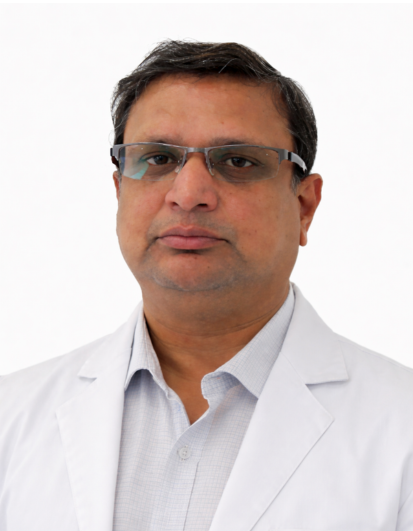
Dr. Anil Rajput is a plastic surgeon at Jigyasa Hospital, Moradabad, who evaluates patients seeking eyelid surgery for cosmetic, functional, and age-related concerns.
His approach focuses on assessing the eyelid skin, fat distribution, muscle function, eye health, facial proportions, and individual expectations before developing a personalised surgical plan.
Patients from Moradabad and nearby towns can discuss concerns such as drooping eyelids, under-eye bags, puffiness, loose skin, or vision obstruction with Dr. Anil Rajput at Jigyasa Hospital.
Eyelid Surgery for Appearance, Comfort, and Vision
The eyes are often one of the first features people notice. Drooping upper eyelids, under-eye bags, and puffiness can make the face appear tired or aged. In some cases, excess upper eyelid skin may also interfere with peripheral vision.
Eyelid surgery, medically known as blepharoplasty, is a targeted procedure that removes or repositions excess skin, muscle, and fat around the eyes.
For residents of Moradabad, Rampur, Sambhal, Amroha, and Bijnor, eyelid surgery is available locally under the care of Dr. Anil Rajput at Jigyasa Hospital on Rampur Road near Miglani Cinema.
What Is Eyelid Surgery?
Eyelid surgery, also called blepharoplasty, is a surgical procedure that corrects excess or sagging skin, loose muscle, and fat deposits around the upper or lower eyelids.
Depending on the patient's concerns, surgery may be performed on the upper eyelids, lower eyelids, or both.
- • Excess, sagging skin on the upper eyelids that creates a hooded appearance.
- • Puffiness or bulging fat pockets under the eyes.
- • Fine wrinkles and loose skin around the eyes.
- • Upper eyelid skin that droops low enough to affect peripheral vision.
- • A tired or aged appearance around the eyes despite adequate rest.
- • Changes in eyelid contour caused by ageing or tissue laxity.
Blepharoplasty should be distinguished from ptosis surgery. Blepharoplasty addresses excess skin and fat, whereas ptosis surgery corrects eyelid drooping caused by weakness of the eyelid-lifting muscle.
Types of Eyelid Surgery
- 1. Upper blepharoplasty removes excess skin and, when required, fat from the upper eyelid to reduce hooding and create a more open appearance.
- 2. Lower blepharoplasty addresses under-eye bags, puffiness, and loose skin on the lower eyelid.
- 3. Combined upper and lower blepharoplasty treats both areas during one planned surgical session.
- 4. Functional blepharoplasty is performed when excess upper eyelid skin obstructs vision and the procedure is considered medically necessary after assessment.
- 5. Ptosis correction addresses eyelid drooping caused by muscle weakness rather than excess skin.
- 6. Blepharoplasty and ptosis correction may sometimes be combined when both conditions are present.
The most suitable procedure or combination of techniques is determined during a detailed consultation with Dr. Anil Rajput.
Who May Be a Good Candidate?
Eyelid surgery may be considered by patients who have cosmetic or functional concerns involving the upper or lower eyelids. Common reasons for consultation include:
- • Visible sagging or hooding of the upper eyelid skin.
- • Persistent puffiness or bags under the eyes that do not improve with rest or skincare.
- • Excess upper eyelid skin affecting side vision, especially while reading or driving.
- • Eyes that appear tired or aged even when the patient feels rested.
- • Good general health and realistic expectations.
- • Willingness to stop smoking around the surgical period if advised by the surgical team.
Eyelid surgery is commonly considered from the late 30s onwards, but age alone does not determine suitability. Skin laxity, eyelid anatomy, eye health, general health, and the patient's goals are more important factors.
Consultation and Pre-Surgical Evaluation
Every eyelid surgery journey at Jigyasa Hospital begins with a detailed consultation. The evaluation may include:
- • Discussion of cosmetic, functional, or combined concerns.
- • Examination of upper and lower eyelid skin, fat distribution, and muscle function.
- • Assessment of whether excess upper eyelid skin is affecting peripheral vision.
- • Review of eye health, dryness, previous eye surgery, and thyroid-related conditions.
- • Photographic documentation for surgical planning and later evaluation.
- • Pre-operative investigations through the hospital's NABL-accredited laboratory.
The consultation also includes an explanation of the anaesthesia plan, expected recovery, possible risks, and realistic treatment outcomes.
Eyelid Surgery Techniques
Eyelid surgery is planned according to the patient's anatomy and the specific tissues requiring correction. Because the eyelid skin is thin and lies close to the eye, precise planning and conservative tissue correction are important.
Upper Eyelid Surgery
For upper blepharoplasty, the incision is generally placed within the natural crease of the upper eyelid. Excess skin and, when necessary, small amounts of fat may be removed or repositioned. The natural crease helps conceal the scar after healing.
Lower Eyelid Surgery
For lower blepharoplasty, the incision may be placed just below the lash line or inside the lower eyelid. The selected approach depends on whether the main concern involves excess skin, fat, muscle laxity, or a combination of these concerns.
Personalised Eyelid Surgery Planning
Dr. Anil Rajput evaluates the eyelid skin, fat distribution, muscle function, facial proportions, eye health, and individual concerns before planning treatment.
Cosmetic and Functional Care
Eyelid surgery may refresh the appearance of the eyes or address functional problems when excess upper eyelid skin interferes with vision.
Careful Surgical Technique
Incisions and tissue correction are planned according to the delicate anatomy of the eyelids, with the aim of achieving a natural-looking and proportionate result.
Structured Recovery Monitoring
Follow-up appointments help monitor swelling, bruising, wound healing, eyelid position, and recovery throughout the healing period.
Eyelid Surgery Care in Moradabad
Patients from Moradabad, Rampur, Sambhal, Amroha, and Bijnor can access eyelid surgery consultation and care at Jigyasa Hospital.
What Happens on the Day of Surgery?
Eyelid surgery at Jigyasa Hospital is typically performed under local anaesthesia with sedation. General anaesthesia may be considered depending on the extent of the procedure and the patient's individual assessment.
During upper blepharoplasty, the surgeon makes an incision in the natural eyelid crease and removes or repositions the planned amount of tissue. During lower blepharoplasty, the incision is placed below the lash line or inside the lower eyelid according to the treatment plan.
The procedure generally takes approximately one to two hours, depending on whether one or both eyelids are being treated.
Most patients can go home the same day after recovery from anaesthesia and observation by the medical team.
Recovery: What to Expect
Recovery varies between patients, but a general recovery timeline may include the following stages:
First Few Days
Swelling, bruising, mild tightness, and temporary discomfort around the eyes are common. Cold compresses and prescribed medication may help manage these symptoms.
Days Five to Seven
Sutures, if used, may be removed during this period. Bruising usually begins to fade noticeably, although some swelling may remain.
Around Two Weeks
Many patients feel comfortable returning to non-strenuous work and social activities. Any remaining bruising may be concealed with makeup once the surgical team confirms it is appropriate.
Three to Four Weeks
Swelling continues to settle, and the eyes begin to look closer to their developing result.
Up to Three Months
Subtle swelling and contour changes continue to improve as the tissues mature and the result settles.
Patients are generally advised to avoid rubbing the eyes, contact lenses for the period specified by the surgical team, strenuous exercise, and prolonged screen use during the early recovery period.
Risks and Realistic Expectations
Like any surgical procedure, eyelid surgery has potential risks. These are discussed openly during consultation and informed consent.
- • Swelling and bruising.
- • Temporary dry or watery eyes.
- • Mild asymmetry.
- • Temporary tightness or altered sensation.
- • Changes in eyelid position in uncommon situations.
- • Infection or bleeding.
- • Anaesthesia-related risks, although uncommon.
- • The possibility of a touch-up procedure in selected cases.
The goal of a well-planned blepharoplasty is to make the eyes appear more rested and refreshed while preserving natural eye shape and facial expression.
Dr. Anil Rajput's approach focuses on conservative and proportionate correction rather than an overly dramatic change that may appear unnatural.
Why Choose Dr. Anil Rajput at Jigyasa Hospital?
Eyelid surgery requires careful attention to the delicate anatomy around the eyes. Treatment planning must consider eyelid position, skin quality, eye health, facial balance, and the patient's expectations.
- • Local access to specialist plastic surgery care in Moradabad.
- • Personalised consultation for cosmetic and functional eyelid concerns.
- • Assessment of eyelid anatomy, eye health, and visual function.
- • Pre-surgical testing through the hospital's NABL-accredited laboratory.
- • Round-the-clock hospital infrastructure and emergency support.
- • Careful explanation of the procedure, recovery, and possible risks.
- • Follow-up care throughout the healing period.
- • Convenient access for patients from Rampur, Sambhal, Amroha, and Bijnor.
Ayushman Bharat PM-JAY coverage may apply when eyelid surgery is classified as functionally necessary, subject to scheme eligibility and hospital assessment.
Is Eyelid Surgery Right for You?
Eyelid surgery may be suitable for adults with excess eyelid skin, under-eye bags, puffiness, eyelid laxity, or visual obstruction caused by drooping upper eyelid skin.
A consultation is important because not every eye-area concern requires surgery. Dry eye, thyroid-related eye conditions, ptosis, or other underlying issues may need separate evaluation before treatment.
The aim is not to change the fundamental shape of the eyes. The goal is to achieve a refreshed, balanced, and natural-looking appearance while addressing functional concerns when present.
Book an Eyelid Surgery Consultation with Dr. Anil Rajput
Jigyasa Hospital offers personalised plastic surgery consultation for upper blepharoplasty, lower blepharoplasty, combined eyelid surgery, functional blepharoplasty, and selected ptosis-related concerns under the guidance of Dr. Anil Rajput.
Near Miglani Cinema, Rampur Road, Moradabad 244001
Call Now
7900903333Frequently Asked Questions
Is eyelid surgery painful?
Most patients experience mild discomfort, tightness, or a gritty sensation rather than significant pain. Prescribed medication and proper post-operative care usually help manage these symptoms during the first few days.
Do I need to stay overnight in the hospital?
Most eyelid surgeries are day-care procedures, and patients typically go home the same day. The final decision depends on the individual assessment, extent of surgery, and anaesthesia plan.
When can I return to work after eyelid surgery?
Many patients return to non-strenuous work within one to two weeks, once visible bruising and swelling have substantially reduced.
Will eyelid surgery leave visible scars?
Incisions are placed within the natural eyelid crease or just below the lash line. Once healed, the resulting scars are generally well concealed.
Can upper and lower eyelid surgery be done together?
Yes. Combined upper and lower blepharoplasty may be performed in a single session when both areas require correction and the patient is considered suitable for the procedure.
How long do eyelid surgery results last?
Eyelid surgery results are generally long-lasting and may remain noticeable for many years. However, the natural ageing process continues after surgery.
Can eyelid surgery improve my vision?
When excess upper eyelid skin obstructs the peripheral field of vision, removing the excess skin may improve vision. This is assessed individually during consultation.
What is the difference between blepharoplasty and ptosis surgery?
Blepharoplasty removes excess skin and fat around the eyelids. Ptosis surgery corrects eyelid drooping caused by weakness of the muscle responsible for lifting the eyelid. Both conditions are evaluated separately, although they may sometimes be treated together.
Why Patients Choose Us
- 24/7 Emergency & Trauma Care
- Top Specialist Doctors
- Modern ICU & Operation Theatres
- Transparent & Affordable Pricing
- Ayushman Bharat Empanelled
- Cashless Insurance Support
- Multispeciality Under One Roof
Our Location
Near Miglani Cinema,
Rampur Road,
Moradabad 244001