
Fatty Liver Treatment in Moradabad — Expert Hepatology Care at Jigyasa Hospital
If you or a loved one has been told that your liver has "fat deposits," you are not alone. Fatty liver disease is one of the most rapidly growing liver conditions in India today — and Moradabad is no exception. The good news is that with the right medical care, fatty liver can be effectively managed, reversed in early stages, and prevented from progressing to more serious conditions.
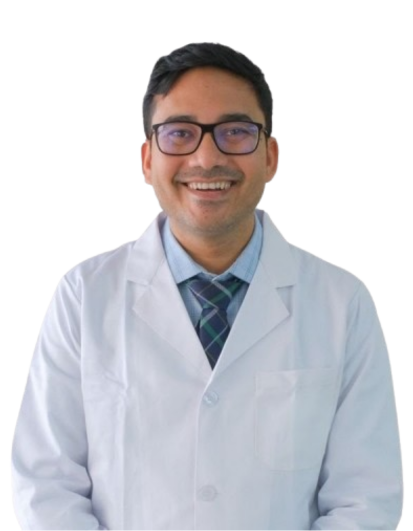
At Jigyasa Hospital, Moradabad, Dr. Pabitra Sahu — a highly qualified specialist in Gastroenterology and Hepatology — provides comprehensive diagnosis, treatment, and long-term management of fatty liver disease. With advanced diagnostic tools and a patient-centred approach, Jigyasa Hospital is Moradabad's trusted destination for liver health.
What Is Fatty Liver Disease?
Fatty liver disease, medically known as hepatic steatosis, occurs when excess fat accumulates in liver cells. A small amount of fat in the liver is normal; however, when fat makes up more than 5–10% of the liver's total weight, it is classified as fatty liver disease.
The liver is one of the body's most vital organs. It processes nutrients, filters toxins from the blood, produces bile for digestion, and plays a central role in metabolism. When fat builds up in liver cells, it interferes with these critical functions — sometimes with serious long-term consequences.
Fatty liver disease exists on a spectrum:
- Simple Fatty Liver (Steatosis): Fat accumulates in the liver but causes little to no inflammation. Often reversible with lifestyle changes.
- Non-Alcoholic Steatohepatitis (NASH): Fat is accompanied by inflammation and liver cell damage. Requires active medical management.
- Fibrosis: Scar tissue begins to form in the liver. Partially reversible with treatment.
- Cirrhosis: Advanced scarring that permanently impairs liver function. Risk of liver failure and liver cancer.
Early detection and treatment at the steatosis or early NASH stage can prevent progression to fibrosis and cirrhosis. This is why seeking expert care in Moradabad at Jigyasa Hospital is critical.
Types of Fatty Liver Disease
1. Non-Alcoholic Fatty Liver Disease (NAFLD)
NAFLD is the most common form of fatty liver disease in India and occurs in people who drink little or no alcohol. It is strongly linked to:
- Obesity and overweight
- Type 2 diabetes and insulin resistance
- High cholesterol and triglycerides
- Metabolic syndrome
- Sedentary lifestyle and poor diet
NAFLD affects an estimated 9–32% of the Indian population, with prevalence rising sharply due to increasing rates of obesity and diabetes. In urban and semi-urban cities like Moradabad, unhealthy food habits and low physical activity are key drivers.
2. Alcoholic Fatty Liver Disease (AFLD)
AFLD is caused by excessive and chronic alcohol consumption. Alcohol is broken down in the liver, and heavy drinking leads to fat accumulation, inflammation, and over time, alcoholic hepatitis and cirrhosis.
If you consume alcohol regularly and have been experiencing fatigue, abdominal discomfort, or unexplained weight loss, an evaluation by Dr. Pabitra Sahu at Jigyasa Hospital is strongly recommended.
Symptoms of Fatty Liver Disease
One of the most challenging aspects of fatty liver disease is that it is often silent — especially in the early stages. Many patients discover they have fatty liver during routine blood tests or abdominal ultrasounds done for unrelated reasons.
However, as the condition progresses, the following symptoms may appear:
- Fatigue and general weakness — persistent tiredness without a clear cause
- Discomfort or dull pain in the upper right abdomen — where the liver is located
- Unexplained weight loss — despite not intentionally dieting
- Loss of appetite — reduced interest in food
- Nausea or a feeling of fullness — particularly after meals
- Swollen abdomen — in advanced stages, fluid accumulation (ascites) may occur
- Yellowing of skin or eyes (Jaundice) — a sign of impaired liver function
- Easy bruising — due to reduced clotting factor production
- Spider-like blood vessels — visible under the skin, a sign of advanced liver disease
Causes and Risk Factors of Fatty Liver in Moradabad
Moradabad, like many fast-growing cities in Uttar Pradesh, has seen dietary shifts toward processed and fried foods, increased sedentary work patterns, and rising rates of metabolic diseases. The following are the most common causes and risk factors for fatty liver in our patient population:
Dietary and Lifestyle Causes
- High consumption of refined carbohydrates (white rice, maida, sweets)
- Frequent intake of fried snacks and fast food
- Sugary beverages including packaged juices and cold drinks
- Physical inactivity and desk-bound occupations
- Irregular meal timings and overeating
Medical Conditions
- Obesity (BMI above 25 in Indians)
- Type 2 diabetes mellitus
- Dyslipidaemia (high triglycerides, low HDL)
- Polycystic Ovarian Syndrome (PCOS) in women
- Hypothyroidism
- Insulin resistance / Metabolic syndrome
Medications and Toxins
- Certain medications such as corticosteroids, tamoxifen, amiodarone, and valproic acid
- Chronic alcohol consumption
- Exposure to industrial chemicals and toxins
Genetic Factors
- Family history of fatty liver or liver disease
- Specific genetic variants affecting fat metabolism
How Is Fatty Liver Diagnosed at Jigyasa Hospital, Moradabad?
At Jigyasa Hospital, Dr. Pabitra Sahu follows a structured, evidence-based diagnostic approach to assess fatty liver disease and determine its severity.
Step 1: Detailed Medical History and Clinical Examination
Dr. Sahu evaluates your complete medical history, dietary habits, alcohol use, medication profile, and family history. A physical examination checks for liver enlargement (hepatomegaly), jaundice, and other signs of liver disease.
Step 2: Blood Tests (Liver Function Tests and Metabolic Panel)
- Liver Function Tests (LFT): Check ALT, AST, ALP, and bilirubin levels.
- Fasting lipid profile (cholesterol, triglycerides)
- Fasting blood glucose and HbA1c for diabetes assessment
- Complete blood count (CBC)
- Thyroid function tests
- Ferritin and iron studies (to rule out haemochromatosis)
Step 3: Abdominal Ultrasound
The first-line imaging investigation for fatty liver. Ultrasound can detect fat accumulation in the liver, assess liver size and texture, and identify early signs of cirrhosis. It is safe, non-invasive, and widely available at Jigyasa Hospital.
Step 4: Fibro Scan (Transient Elastography) — When Required
Fibro Scan is a specialised, painless test that measures liver stiffness (indicating fibrosis/scarring) and fat content (CAP score). It provides valuable information without the need for a biopsy in most cases.
Step 5: Liver Biopsy — In Selected Cases
When imaging and non-invasive tests are inconclusive, or when more detailed information about liver inflammation and fibrosis is needed, a liver biopsy may be recommended. Dr. Pabitra Sahu discusses this with patients on an individual basis.
Step 6: CT scan or MRI Liver — When Indicated
Advanced imaging to evaluate liver architecture, detect complications, or rule out other liver pathology.
Fatty Liver Treatment in Moradabad — The Jigyasa Hospital Approach
There is currently no single approved drug that cures fatty liver disease. However, Dr. Pabitra Sahu at Jigyasa Hospital provides a comprehensive, personalised treatment plan that combines medical management, dietary counselling, lifestyle modification, and close follow-up to reverse or stabilise the condition.
1. Lifestyle Modification — The Cornerstone of Treatment
Weight loss is the single most effective treatment for NAFLD. Studies show that losing just 5–10% of body weight can significantly reduce liver fat. Losing more than 10% can reverse NASH and reduce fibrosis.
Dr. Sahu's team helps patients achieve sustainable weight loss through:
- Structured dietary plan tailored to individual calorie needs
- Regular aerobic exercise (150–300 minutes per week of moderate activity)
- Resistance/strength training to improve insulin sensitivity
- Behavioural counselling to maintain long-term habit changes
- Elimination of alcohol entirely (for both NAFLD and AFLD patients)
2. Dietary Management
Dr. Pabitra Sahu and the Jigyasa Hospital dietetics team recommend a liver-friendly diet that includes:
Foods to Eat:
- Green leafy vegetables (spinach, methi, palak)
- Whole grains (brown rice, oats, whole wheat roti)
- Legumes and pulses (dal, chana, rajma)
- Fresh fruits (limit high-sugar fruits)
- Lean proteins (fish, skinless chicken, paneer in moderation)
- Healthy fats (walnuts, flaxseeds, olive oil, mustard oil)
- Green tea and black coffee (shown to reduce liver fat in studies)
- Turmeric (curcumin has hepatoprotective properties)
Foods to Avoid:
- Deep-fried snacks (samosa, pakoras, chips)
- Refined carbohydrates (maida products, white bread, biscuits)
- Sugary drinks and packaged beverages
- Red and processed meats
- Alcohol (strictly zero tolerance)
- High-fat dairy products
- Excessive sweets and mithai
Why Choose Dr. Pabitra Sahu at Jigyasa Hospital, Moradabad?
Specialisation in Gastroenterology & Hepatology
Dr. Pabitra Sahu is a qualified specialist with dedicated expertise in diseases of the liver, stomach, intestines, and pancreas. Fatty liver disease is one of the most common conditions in his clinical practice, and he brings current, evidence-based knowledge to every patient consultation.
Comprehensive Liver Care Under One Roof
- Advanced ultrasound and liver imaging
- Complete blood work and metabolic testing
- Dietetics and lifestyle counselling
- Long-term follow-up and monitoring
- Coordination with diabetologists, cardiologists, and other specialists
Patient-Centred, Compassionate Care
Dr. Sahu believes that informed patients make better health decisions. Every consultation includes a detailed explanation of your diagnosis, the stage of your fatty liver, what it means for your long-term health, and a clear, achievable treatment plan.
Book Your Appointment with Dr. Pabitra Sahu at Jigyasa Hospital, Moradabad
Your liver health is too important to ignore. Whether you have been recently diagnosed with fatty liver, have risk factors you're concerned about, or are experiencing symptoms, Jigyasa Hospital in Moradabad is here for you.
Dr. Pabitra Sahu — Specialist in Gastroenterology & Hepatology
Near Miglani Cinema, Rampur road moradabad, 244001
Address
Near Miglani Cinema, Rampur road moradabad, 244001
Call Us (24/7)
+91-7900903333Email Us
info@jigyasahospital.inFrequently Asked Questions (FAQs)
Q1. Can fatty liver be cured completely?
Yes, in the early stages (Grade 1 and Grade 2 fatty liver), fatty liver can be completely reversed with appropriate lifestyle changes and medical management. Even in more advanced stages (NASH and mild fibrosis), significant improvement is possible. However, cirrhosis involves permanent structural damage to the liver and cannot be fully reversed — which is why early diagnosis and treatment are critical.
Q2. Is fatty liver dangerous?
Fatty liver in its earliest form is not immediately dangerous. However, if left untreated and allowed to progress to NASH, fibrosis, or cirrhosis, it can lead to liver failure and liver cancer. This is why Dr. Pabitra Sahu emphasises early evaluation and consistent follow-up.
Q3. How long does it take to reverse fatty liver?
With consistent lifestyle changes and appropriate treatment, patients often see a measurable reduction in liver fat within 3–6 months. Blood enzyme levels may normalise within a few weeks. However, reversal of fibrosis takes longer and requires sustained effort over 12–24 months or more.
Q4. I have fatty liver but no symptoms. Do I still need treatment?
Absolutely yes. Fatty liver is often asymptomatic in early stages. Without treatment, it can silently progress over years to more dangerous conditions. Consult Dr. Pabitra Sahu at Jigyasa Hospital for an evaluation and monitoring plan.
Q5. Can children have fatty liver?
Yes. With rising childhood obesity in India, non-alcoholic fatty liver disease (NAFLD) is increasingly seen in children and adolescents. If your child is overweight or has been diagnosed with insulin resistance, speak to a specialist about a liver health evaluation.
Why Patients Choose Us
- 24/7 Emergency & Trauma Care
- Top Specialist Doctors
- Modern ICU & Operation Theatres
- Transparent & Affordable Pricing
- Ayushman Bharat Empanelled
- Cashless Insurance Support
- Multispeciality Under One Roof
Our Location
Near Miglani Cinema,
Rampur Road,
Moradabad 244001