
GI Surgeon for Diabetic Patients in Moradabad — Careful, Coordinated Surgical Care with Dr. Rahul Kumar at Jigyasa Hospital
Diabetes affects many parts of the body, and the digestive system is no exception; the conditions diabetic patients develop and the way diabetes influences surgical safety and outcomes are closely linked. For patients in Moradabad managing diabetes who need GI evaluation or surgery, a surgeon who understands these interconnections improves both safety and recovery through coordinated care and attention to detail.
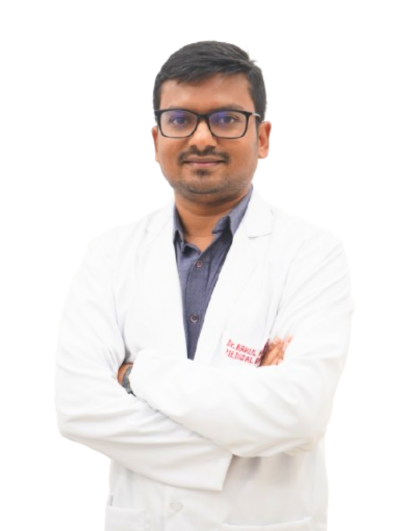
Dr. Rahul Kumar, Senior GI Surgeon at Jigyasa Hospital, brings a diabetes-aware surgical approach to every patient he treats, combining technical expertise with careful perioperative glucose management and multidisciplinary coordination. His practice emphasises treating diabetes as an integral part of the surgical plan rather than a background concern, which makes a meaningful difference in outcomes.
Why Diabetes Matters So Much in Surgical Care
Diabetes affects wound healing, immune response, circulation, and nerve function — all of which are important for surgical safety and recovery. Poorly controlled blood sugar can slow tissue repair and raise the risk of wound complications and infections, so recognising these risks before surgery is essential to reduce complications and support recovery.
The physiological stress of surgery also alters blood glucose control, so active perioperative monitoring is required to avoid dangerous highs and lows during and after the operation. Additionally, diabetes-related vascular and nerve changes may affect pain perception and tissue healing, so a tailored plan helps mitigate these issues.
GI Conditions and Surgical Issues in Diabetic Patients
Diabetic patients commonly present with conditions where diabetes changes risk or presentation, including gallstones, complicated gallbladder infections, anorectal disease, and occasionally severe gastroparesis that requires surgical evaluation. Prompt assessment is important because diabetes sometimes blunts typical infection signs and can allow disease to progress before symptoms become severe.
Anorectal procedures like fistula or abscess drainage require extra caution because of higher infection risk and delayed healing in diabetic patients; with careful glucose control and meticulous technique, most patients still achieve good outcomes. Hernia repairs and abdominal surgeries similarly benefit from optimal perioperative blood sugar management to reduce wound complications.
About Dr. Rahul Kumar — Senior GI Surgeon, Jigyasa Hospital
Dr. Rahul Kumar holds an MBBS, DrNB in General Surgery, and a DrNB in Gastro Surgery, and he regularly treats diabetic patients with complex GI conditions. His clinical practice emphasises thorough pre-operative assessment and close coordination with endocrinologists and physicians to ensure diabetes is optimised before any elective procedure.
Dr. Kumar’s approach combines evidence-based surgical decision-making with careful perioperative glucose management, minimally invasive techniques where suitable, and attentive post-operative follow-up to identify and treat complications early. Patients value his clear communication and commitment to coordinated care across specialties.
Dr. Kumar’s Approach to Diabetic Surgical Patients
Thorough pre-operative assessment includes reviewing recent glucose control, checking HbA1c when relevant, and assessing kidney and cardiac status to inform overall surgical risk and timing. When diabetes is not well controlled, Dr. Kumar coordinates with the patient’s diabetes team to optimise control before elective surgery whenever possible.
During the perioperative period, active glucose monitoring and timely insulin or medication adjustments help avoid extremes that could impair healing. Meticulous surgical technique, including careful wound closure and consideration of minimally invasive options, helps lower infection and wound complication risks for diabetic patients.
After surgery, close monitoring for early signs of infection or wound problems allows prompt intervention; the team provides clear wound-care instructions and rapid access for concerns. The overall focus is on integrated, patient-centred care that aligns surgical goals with diabetes management.
Why Minimally Invasive Surgery Helps Diabetic Patients
Laparoscopic and other minimally invasive techniques use smaller incisions, which means less tissue trauma and a reduced area at risk for wound complications—advantages particularly relevant for people with diabetes. Smaller wounds usually translate to lower infection rates and faster recoveries, which in turn helps keep blood sugar more stable.
Dr. Kumar offers laparoscopic options where clinically appropriate, balancing the benefits of minimally invasive access with the patient’s unique anatomy, disease severity, and overall medical condition. When an open approach is necessary, extra precautions are taken to limit wound complications and support healing.
Emergency Surgery for Diabetic Patients
Emergency conditions—like perforated ulcers, intestinal obstruction, or severe appendicitis—cannot wait for perfect glucose control; urgent surgery proceeds with careful, active glucose management throughout the process. Even in emergency situations, the team focuses on infection prevention and wound care to reduce complication risks despite the time constraints.
Jigyasa Hospital’s emergency and perioperative teams are experienced in rapidly coordinating care for diabetic patients, working together to stabilise glucose, treat the surgical problem, and plan close postoperative follow-up to detect complications early and support recovery.
Practical Guidance for Diabetic Patients Facing Surgery
If you have planned surgery, work with your diabetes care team to get blood sugar as well controlled as possible in the weeks beforehand, and share a complete history of medications and complications with your surgeon. Follow pre-operative instructions precisely, especially those about holding or adjusting diabetes medicines on the day of surgery.
After surgery, follow wound-care advice closely and report any signs of infection—such as increasing redness, discharge, or fever—promptly rather than waiting to see if they improve. Keeping lines of communication open among your surgeon, primary physician, and endocrinologist supports the best outcomes.
Accessible, Affordable Care at Jigyasa Hospital
Jigyasa Hospital provides transparent pricing and is empanelled under Ayushman Bharat PM-JAY, which helps eligible patients access covered procedures. The hospital’s in-house laboratory supports the ongoing blood sugar monitoring that careful perioperative management requires.
Patients from Moradabad and neighbouring areas can receive coordinated surgical and diabetes care locally without travelling to distant centres, improving convenience and continuity of care during both elective and emergency treatment pathways.
Book a Consultation with Dr. Rahul Kumar
If you are a diabetic patient with a GI condition, scheduling a focused consultation can clarify risks, timing, and steps to optimise outcomes. Contact Jigyasa Hospital to discuss evaluation, surgical options, and coordinated diabetes management with Dr. Rahul Kumar and the care team.
The hospital team can advise on empanelment under Ayushman Bharat PM-JAY, provide pre-operative testing, and help you prepare for surgery with clear instructions that prioritise safety and recovery.
Address
Near Miglani Cinema, Rampur Road, Moradabad 244001
Phone
7900903333Frequently Asked Questions About GI Surgery for Diabetic Patients
Is GI surgery safe for diabetic patients?
Yes—most diabetic patients undergo gastrointestinal surgery safely when diabetes is actively managed before, during, and after the procedure. Careful perioperative glucose control, infection prevention, and close wound monitoring are all parts of a safe surgical pathway for people with diabetes.
Why does diabetes change surgical risk?
Diabetes can slow wound healing, increase susceptibility to infections, and affect circulation and nerve function around surgical sites, which can change both immediate and longer-term outcomes. These effects are why surgeons coordinate closely with the patient’s physician or endocrinologist prior to surgery.
Can diabetic patients have laparoscopic surgery?
Yes—where clinically appropriate, laparoscopic and minimally invasive approaches are often preferable for diabetic patients because they use smaller incisions, reduce tissue trauma, and typically lower infection risk. The final approach depends on the underlying condition and the surgeon’s clinical assessment.
What should I do before planned GI surgery if I have diabetes?
Work with your diabetes care team to optimise blood sugar control in the weeks before surgery whenever possible, share a complete medical history including medications, and follow pre-operative instructions carefully—especially those about diabetes medicines on the day of surgery.
Will Jigyasa Hospital accept Ayushman Bharat for GI surgery?
Jigyasa Hospital is empanelled under Ayushman Bharat PM-JAY, and eligible patients can use the scheme for covered procedures; the hospital team can advise on empanelment specifics and financial counselling during consultation.
Why Patients Choose Us
- 24/7 Emergency & Trauma Care
- Top Specialist Doctors
- Modern ICU & Operation Theatres
- Transparent & Affordable Pricing
- Ayushman Bharat Empanelled
- Cashless Insurance Support
- Multispeciality Under One Roof
Our Location
Near Miglani Cinema,
Rampur Road,
Moradabad 244001