
Heart Specialist in Moradabad | Dr. Amit Kumar Singh – Jigyasa Hospital
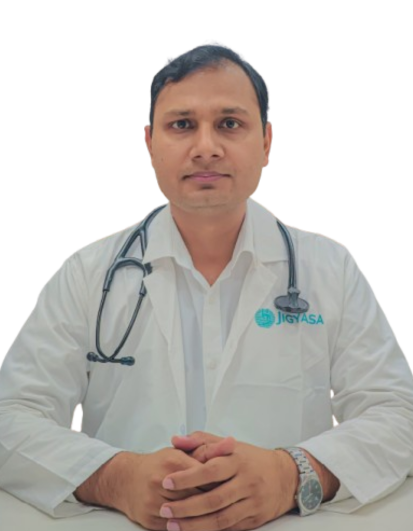
Cardiovascular disease remains a leading cause of mortality across India, with heart conditions affecting millions of individuals annually. In Moradabad and the surrounding regions of Uttar Pradesh, access to world-class cardiac care is essential for early diagnosis, effective treatment, and long-term health management. Jigyasa Hospital stands as a premier healthcare destination offering comprehensive cardiology services, with Dr. Amit Kumar Singh leading the cardiac care division as a highly experienced and respected cardiologist.
Whether you are experiencing chest discomfort, managing hypertension, recovering from a cardiac event, or seeking preventive heart health assessment, finding the right heart specialist in Moradabad is crucial for your wellbeing. Dr. Amit Kumar Singh provides comprehensive cardiac evaluation and personalized treatment planning for patients across all age groups and risk profiles. He will thoroughly evaluate your condition, review all relevant investigations, explain your options in clear language, and recommend the most appropriate treatment based entirely on your best interests.
Dr. Amit Kumar Singh is a highly experienced cardiologist practising at Jigyasa Hospital, Moradabad, and he offers comprehensive cardiac care for a wide range of cardiovascular conditions affecting the heart and blood vessels.
Clinical Expertise and Specialization
Coronary Artery Disease Management
Advanced diagnosis and treatment for heart vessel blockages, including medical therapy, angiography, and stent placement.
Heart Failure Treatment
Comprehensive care for acute and chronic heart failure using the latest therapeutic protocols and device therapy.
Hypertension Management
Specialized blood pressure management to prevent cardiac complications and optimize long-term heart health.
Arrhythmia Treatment
Management of irregular heart rhythms, including electrophysiology studies and device implantation.
Preventive Cardiology
Risk factor modification and lifestyle intervention programs to prevent heart disease development.
Advanced Echocardiography
Comprehensive ultrasound imaging of the heart to assess structure, function, and valve performance.
Why Choose a Specialized Cardiology Center?
Heart disease is complex, multifaceted, and requires specialized knowledge and diagnostic expertise. Unlike general practitioners, dedicated cardiologists like Dr. Amit Kumar Singh undergo additional years of specialized training to diagnose complex cardiac conditions using advanced imaging and diagnostic technologies, manage multiple heart-related conditions simultaneously including arrhythmias, valve disorders, and coronary artery disease, provide interventional procedures such as angiography, stent placement, and catheter-based therapies, develop personalized treatment plans based on individual patient profiles and risk factors, and coordinate comprehensive care with other specialists when needed.
Choosing a hospital-based cardiac center like Jigyasa Hospital offers distinct advantages including emergency preparedness with 24/7 critical care facilities and interventional cardiology labs for acute cardiac events, multidisciplinary care through collaboration between cardiologists, cardiac surgeons, anesthesiologists, and cardiac nurses, access to advanced technology including state-of-the-art diagnostic and therapeutic equipment, evidence-based treatment protocols aligned with international cardiac care standards, and comprehensive rehabilitation services for post-operative and post-event recovery under medical supervision.
Comprehensive Diagnostic Services
Jigyasa Hospital offers a complete range of cardiac diagnostic procedures performed by experienced technicians under Dr. Singh's supervision. The 12-Lead Electrocardiogram (ECG) records the heart's electrical activity and provides quick, non-invasive initial assessment of heart function and rhythm. Echocardiography using both 2D and 3D ultrasound imaging allows real-time visualization of heart chambers, valves, and wall motion. Stress Testing assesses heart function during controlled exertion to evaluate exercise tolerance and the heart's response to cardiac stress. Holter Monitoring with 24 to 48 hour continuous ECG recording detects irregular rhythms during daily activities and helps identify arrhythmias that may be missed during standard testing.
Advanced imaging modalities available at Jigyasa Hospital include Cardiac MRI for detailed cross-sectional imaging and comprehensive assessment of heart structure and function, CT Angiography using high-speed imaging of coronary arteries to evaluate vessel patency without requiring cardiac catheterization, and Coronary Angiography as the gold-standard diagnostic procedure allowing direct visualization of coronary vessels. These diagnostic tools enable Dr. Singh to accurately diagnose cardiac conditions and develop evidence-based treatment strategies tailored to each patient's specific needs.
Interventional and Therapeutic Services
Beyond diagnosis, Jigyasa Hospital provides advanced treatment options performed by Dr. Amit Kumar Singh and his experienced cardiac team. Percutaneous Coronary Intervention (PCI) involving balloon angioplasty and stent placement for blocked arteries restores blood flow to heart muscle. Temporary Pacemaker Insertion provides emergency rhythm management for patients with life-threatening bradycardia or conduction disturbances. Permanent Pacemaker Implantation offers long-term rhythm regulation for patients with chronic bradycardia or conduction abnormalities affecting quality of life.
Defibrillator Implantation (ICD) prevents sudden cardiac death in high-risk patients by automatically detecting and terminating dangerous arrhythmias. Cardiac Catheterization allows detailed assessment of coronary and cardiac structure with capability for therapeutic intervention during the same procedure. Bradycardia and Tachycardia Management involves comprehensive treatment of both slow and fast heart rhythms using medications, electrical devices, or specialized catheter-based procedures. Dr. Singh also provides comprehensive pharmacological management including antiplatelet therapy, beta-blockers, ACE inhibitors for heart failure, statins and lipid-lowering agents, anticoagulation therapy for atrial fibrillation, antiarrhythmic medications, and personalized medication titration with careful monitoring.
Common Cardiac Conditions Treated
Coronary Artery Disease (CAD)
Coronary artery disease occurs when blood vessels supplying the heart muscle are narrowed due to atherosclerotic plaque buildup. This leads to reduced blood flow to the heart, which can cause chest pain (angina) and increase the risk of heart attack. Symptoms include chest pain or pressure especially during exertion, shortness of breath, fatigue and weakness, and jaw, neck, or arm pain. Treatment options provided by Dr. Singh include lifestyle modifications such as diet, exercise, and stress management, medications including aspirin, statins, beta-blockers, and nitrates, coronary angiography for diagnosis confirmation, percutaneous coronary intervention with stent placement to restore blood flow, and coronary artery bypass surgery when indicated for extensive disease.
Heart Failure
Heart failure develops when the heart cannot pump blood efficiently to meet the body's oxygen demands. This may result from coronary artery disease, high blood pressure, cardiomyopathy, or other causes. Symptoms include shortness of breath especially when lying down, fatigue and reduced exercise tolerance, swelling in legs and ankles due to fluid retention, rapid or irregular heartbeat, and persistent cough. Treatment options include ACE inhibitors and ARBs for vasodilation and cardiac protection, beta-blockers to reduce cardiac workload and improve outcomes, diuretics to reduce fluid overload and relieve congestion, aldosterone antagonists to reduce sodium retention, SGLT2 inhibitors representing the latest evidence-based therapy for heart failure, and device therapy including pacemakers and defibrillators when indicated.
Hypertension (High Blood Pressure)
Hypertension is a leading risk factor for heart disease and stroke. Multiple factors increase the risk of developing high blood pressure including age and family history, obesity and sedentary lifestyle, high sodium diet, excessive alcohol consumption, and chronic stress. Dr. Singh's management approach includes lifestyle modifications such as the DASH diet, regular aerobic exercise, and stress reduction techniques, first-line medications including ACE inhibitors, ARBs, calcium channel blockers, and diuretics, regular monitoring and medication adjustment to achieve target blood pressure goals, and dietary counseling with health coaching for sustainable lifestyle changes. Early detection and aggressive management of hypertension significantly reduces the risk of heart attack and stroke.
Arrhythmias (Irregular Heart Rhythms)
Abnormal heart rhythms can range from benign to life-threatening. Common types include atrial fibrillation (irregular atrial contractions), atrial flutter (rapid regular atrial rhythm), ventricular tachycardia (rapid ventricular rhythm), and bradycardia (abnormally slow heart rate). Symptoms include heart palpitations or fluttering sensation, dizziness and lightheadedness, shortness of breath, and chest discomfort. Treatment provided by Dr. Singh includes medications such as beta-blockers, calcium channel blockers, and antiarrhythmic drugs, electrical cardioversion for acute symptomatic cases, radiofrequency ablation for specific arrhythmias, and pacemaker or ICD implantation when indicated for rhythm management or prevention of sudden cardiac death.
Valvular Heart Disease
Heart valve abnormalities affect blood flow through the heart and may result from congenital conditions or acquired disease. Common conditions include mitral stenosis and regurgitation, aortic stenosis and regurgitation, tricuspid valve disease, and pulmonary valve disease. Presentation may include heart murmurs detected on physical examination, shortness of breath and fatigue, signs of heart failure, and complications of atrial fibrillation. Management by Dr. Singh includes medical optimization with careful follow-up, anticoagulation when indicated to prevent clot formation, surgical valve repair or replacement for hemodynamically significant disease, and catheter-based valve interventions representing newer treatment options for selected patients.
Cardiac Risk Factor Screening and Preventive Cardiology
Early identification of cardiovascular risk factors can prevent disease development and progression. Major risk factors include hypertension with blood pressure greater than 140/90 mmHg, elevated cholesterol with LDL greater than 100 mg/dL, diabetes mellitus, cigarette smoking, obesity with BMI greater than 30, physical inactivity, and family history of premature coronary artery disease. Screening tests recommended by Dr. Singh include lipid panel measuring cholesterol, triglycerides, HDL, and LDL levels, fasting glucose and HbA1c assessment, blood pressure monitoring, BMI and waist circumference measurement, electrocardiography, and echocardiography when indicated based on clinical presentation. Preventive cardiology emphasizes lifestyle modification, risk factor control, and early treatment to optimize long-term cardiovascular health.
Advanced Diagnostic and Treatment Technologies
Jigyasa Hospital invests in cutting-edge cardiac technology to provide comprehensive diagnostic and therapeutic capabilities. Advanced echocardiography systems utilize ultrasound machines capable of 2D, 3D, and tissue Doppler imaging for detailed assessment of cardiac structure and function. The fully equipped cardiac catheterization laboratory includes high-resolution digital fluoroscopy, real-time angiographic imaging, pressure monitoring systems, intravascular ultrasound (IVUS) capability for detailed vessel assessment, and fractional flow reserve (FFR) assessment tools to determine the functional significance of coronary lesions. Cardiac monitoring units provide continuous telemetry monitoring for acute cardiac patients with real-time rhythm analysis and immediate alert systems. Automated external defibrillators (AEDs) are strategically placed throughout the hospital for rapid emergency response.
Patient-Centered Approach to Cardiac Care
Dr. Amit Kumar Singh believes in comprehensive patient evaluation and holistic cardiac care. Detailed history taking involves understanding all symptoms, risk factors, family history, and lifestyle patterns that affect cardiac health. Physical examination includes careful assessment of vital signs, heart sounds, and physical findings that may indicate cardiac disease. Psychosocial evaluation addresses anxiety, depression, and stress related to cardiac disease, recognizing that mental health significantly impacts cardiovascular outcomes. Functional assessment helps understand how cardiac disease affects daily activities and quality of life.
Rather than one-size-fits-all approaches, Dr. Singh emphasizes personalized treatment planning based on the patient's cardiac diagnosis and severity, age and comorbidities, medication tolerance, personal preferences and life goals, occupational and lifestyle requirements, and financial considerations affecting medication and treatment access. Shared decision-making is central to his approach, with clear communication explaining diagnosis, treatment options, risks, and benefits in understandable language, patient education providing materials and resources for self-management, family involvement including family members in decision-making when appropriate, and follow-up counseling with regular check-ins assessing medication tolerance and outcomes.
Continuity of care focuses on long-term management through regular follow-up appointments scheduled quarterly to annually depending on condition, medication monitoring and adjustment to optimize therapy, lab work and diagnostic testing at appropriate intervals, coordination with primary care physicians, and seamless transition to secondary or tertiary care when needed for advanced interventions.
Book Your Cardiac Consultation
Dr. Amit Kumar Singh – Cardiologist, Moradabad
Address: Near Miglani Cinema, Rampur Road, Moradabad, 244001
Appointments: 7900903333
OPD Timings: Monday to Saturday, 9:00 AM to 6:00 PM
Call Us
+91-7900903333Email Us
info@jigyasahospital.inFrequently Asked Questions About Cardiac Care
At what age should I see a cardiologist?
If you have risk factors such as hypertension, family history, diabetes, or obesity, screening starting at age 30 to 40 is recommended. Those without risk factors may begin screening at age 40 to 50. Dr. Singh can recommend an appropriate timeline based on your personal risk profile and individual cardiovascular risk factors.
How often should I have a cardiac checkup?
Frequency depends on your condition. Healthy individuals with no risk factors might visit annually or every 2 to 3 years. Those with diagnosed cardiac disease typically require 2 to 4 visits yearly, with more frequent monitoring during acute phases. Dr. Singh will recommend a personalized schedule based on your specific cardiac status.
Can heart disease be prevented?
Many forms of heart disease are preventable through lifestyle modification and risk factor control. Even if you have genetic predisposition, managing hypertension, cholesterol, weight, and exercise significantly reduces your risk. Early intervention and preventive strategies are among the most effective approaches to maintaining long-term cardiovascular health.
What does a cardiac checkup involve?
A typical appointment includes medical history review, physical examination, blood pressure check, and an electrocardiogram (ECG). Additional testing such as echocardiogram, stress test, blood work, or cardiac MRI may be recommended based on your symptoms and risk factors. Dr. Singh customizes the evaluation to your individual needs.
What happens during a coronary angiography?
A catheter is inserted through an artery (usually groin or wrist), guided to the heart, and contrast dye is injected to visualize coronary vessels. The procedure takes 30 to 60 minutes and allows Dr. Singh to identify blockages and determine if intervention such as stent placement is needed. It is minimally invasive and performed under local anesthesia with careful monitoring.
Why Patients Choose Us
- 24/7 Emergency & Trauma Care
- Top Specialist Doctors
- Modern ICU & Operation Theatres
- Transparent & Affordable Pricing
- Ayushman Bharat Empanelled
- Cashless Insurance Support
- Multispeciality Under One Roof
Our Location
Near Miglani Cinema,
Rampur Road,
Moradabad 244001