
Best Hypertension Specialist in Moradabad - Dr. Amit Kumar Singh, Cardiology, Jigyasa Hospital
Blood pressure is the force exerted by circulating blood against the walls of the arteries, and when it stays consistently elevated, it becomes hypertension. This condition often develops silently over time, which is why many people do not realize they have it until it begins causing harm.
High blood pressure can strain the heart, damage blood vessels, increase the risk of stroke, affect kidney function, and gradually harm the eyes. Even when a person feels normal, the condition may still be progressing quietly in the background.
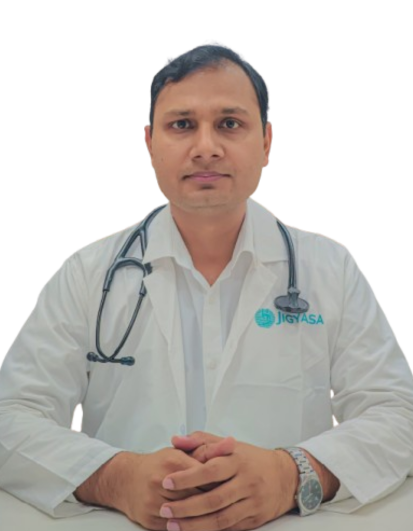
At Jigyasa Hospital, Moradabad, Dr. Amit Kumar Singh provides structured evaluation and long-term treatment for hypertension, helping patients control blood pressure and protect their heart health with personalized care.
What Is Hypertension?
Hypertension means blood pressure remains consistently higher than normal, usually above 130/80 mmHg and often 140/90 mmHg or more. It may be primary, meaning no single cause can be identified, or secondary, meaning it is linked to another medical condition or medication.
The dangerous part of hypertension is that it often causes no early warning signs, yet it slowly damages the heart, arteries, kidneys, brain, and eyes. That is why regular screening and timely treatment are essential even when symptoms are absent.
A proper cardiology evaluation helps determine how severe the problem is, whether a secondary cause is present, and what treatment plan will best reduce future risk.
Common Causes and Risk Factors
Hypertension develops due to a mix of lifestyle, genetic, and medical factors, and in some people it is related to an underlying disease. Understanding the cause helps guide the right treatment approach.
Primary Hypertension
Primary or essential hypertension is the most common form and usually develops gradually over many years. It is influenced by age, family history, diet, body weight, physical activity, and lifestyle habits.
Secondary Hypertension
Secondary hypertension is caused by another condition such as kidney disease, hormonal imbalance, certain medicines, or blood vessel abnormalities. It may appear suddenly and can be more severe than primary hypertension.
Patients with blood pressure readings consistently above 140/90 mmHg.
Patients with frequent headaches, dizziness, or blurred vision.
Patients with chest discomfort, palpitations, or unexplained breathlessness.
Patients with a family history of hypertension, heart disease, or stroke.
Patients who have difficulty controlling blood pressure despite ongoing medicines.
Patients with diabetes, high cholesterol, obesity, or kidney disease along with high blood pressure.
Patients who need a structured and long-term cardiac health plan.
Why You Should Not Ignore High Blood Pressure
Many people delay treatment because hypertension usually does not cause pain in the early stages. Unfortunately, the absence of symptoms does not mean the condition is harmless, because damage may already be building inside the body.
When headaches, blurred vision, chest discomfort, breathlessness, or irregular heartbeat appear, significant cardiovascular damage may already have happened. Early detection and treatment can prevent progression to more serious disease.
That is why self-medication or occasional home readings should not replace a proper medical evaluation by a cardiologist who can assess the full risk profile.
Diagnostic Tests Commonly Used
A cardiology-led evaluation of hypertension usually includes more than a single blood pressure reading. Dr. Amit Kumar Singh may recommend a combination of tests to understand the cause, effect, and severity of the condition.
Clinical Evaluation
Dr. Amit Kumar Singh begins with a detailed history and physical examination, including diet, lifestyle, family history, existing conditions, and possible factors that may be contributing to raised blood pressure.
Home BP or ABPM
A single clinic reading may not reflect the true blood pressure pattern, so home monitoring or ambulatory blood pressure monitoring may be recommended to detect white coat hypertension or masked hypertension.
ECG
An electrocardiogram helps identify rhythm problems, strain on the heart, or signs of thickening of the heart muscle that can occur with long-standing high blood pressure.
Echocardiography
A 2D echo evaluates heart structure and function, helping detect hypertensive heart disease, pumping problems, or valve-related findings that may influence treatment.
Blood and Urine Tests
Kidney function, electrolytes, blood sugar, lipid profile, and urine protein tests help assess overall risk and rule out secondary causes of hypertension.
Thyroid and Hormonal Tests
In select cases, thyroid or hormonal panels may be used when a secondary or unusual cause of high blood pressure is suspected.
Treatment Options in Detail
Once the diagnosis is confirmed, treatment is planned according to blood pressure level, symptoms, risk factors, and the presence of other medical problems. The goal is not only to lower readings, but also to prevent long-term damage to vital organs.
Lifestyle-first approach: For mild hypertension, the first step is often reducing salt intake, improving diet, losing weight if needed, increasing physical activity, and managing stress.
Medication management: ACE inhibitors, ARBs, calcium channel blockers, diuretics, and beta-blockers may be prescribed depending on the patient's condition and response.
Regular monitoring: Blood pressure readings are reviewed over time so medicines can be adjusted safely and effectively.
Managing associated risks: Cholesterol, blood sugar, kidney function, and other cardiovascular risk factors are also addressed as part of complete care.
Resistant hypertension evaluation: If blood pressure stays high despite treatment, deeper evaluation may be needed to look for secondary causes or other contributing factors.
Long-term follow-up: Ongoing review helps prevent complications and keeps treatment aligned with the patient's health goals.
In some patients, resistant hypertension needs deeper evaluation because the blood pressure remains high despite multiple medicines. In such cases, a specialist approach is especially valuable.
Lifestyle Tips for Better Control
Lifestyle changes play a major role in blood pressure control and work best when followed consistently. Even when medicines are prescribed, healthy habits improve the overall result and support long-term cardiovascular health.
Reduce salt intake and avoid heavily processed foods.
Maintain a healthy weight through diet and activity.
Exercise regularly according to medical advice.
Limit alcohol and avoid tobacco completely.
Manage stress with proper sleep and relaxation.
Check blood pressure at home and keep a record.
When Should You See a Hypertension Specialist?
You should consult Dr. Amit Kumar Singh if your blood pressure remains above 140/90 mmHg, if you have headaches or dizziness, or if symptoms such as chest discomfort or palpitations start appearing. Family history and other risk factors also make early consultation important.
Even without symptoms, adults should have blood pressure checked periodically, because early diagnosis is one of the best ways to prevent heart, kidney, and stroke-related complications.
A structured long-term plan is especially helpful for people who need regular monitoring, medication adjustment, and support with lifestyle changes.
Why Choose Jigyasa Hospital for Hypertension Care?
Jigyasa Hospital offers a patient-focused approach to hypertension care with access to diagnostic testing, specialist consultation, and follow-up support in Moradabad. This makes it easier for patients to stay consistent with treatment.
Comprehensive diagnostic facilities including ECG and echo.
Experienced cardiology care under Dr. Amit Kumar Singh.
Continuity of care through regular follow-up visits.
Accessible location in Moradabad for nearby patients.
Patient-centered guidance for long-term blood pressure control.
Ayushman Bharat PM-JAY support for eligible patients.
Ayushman Bharat PM-JAY at Jigyasa Hospital
Jigyasa Hospital is empanelled under Ayushman Bharat Pradhan Mantri Jan Arogya Yojana, also known as PM-JAY. Eligible patients may be able to access covered cardiac care according to the applicable scheme guidelines.
The hospital team can help patients and families verify eligibility and understand the process during consultation.
Comprehensive Blood Pressure Evaluation
Detailed assessment of blood pressure trends, symptoms, family history, and related health risks to understand the full cardiovascular picture.
Personalized Treatment Planning
Treatment is tailored to the patient's age, risk factors, blood pressure level, kidney function, and other medical conditions.
Prevention of Complications
Special attention is given to reducing the risk of stroke, heart disease, kidney damage, and other long-term complications caused by uncontrolled blood pressure.
Advanced Diagnostic Support
ECG, echocardiography, blood tests, urine tests, and ambulatory blood pressure monitoring help detect causes and complications early.
Regular Follow-Up Care
Ongoing monitoring and medicine review help keep blood pressure controlled and allow timely changes when needed.
Accessible Care in Moradabad
Hypertension evaluation and long-term cardiac care are available locally at Jigyasa Hospital, Near Miglani Cinema, Rampur Road.
Consult Dr. Amit Kumar Singh for Hypertension Guidance
If your blood pressure is consistently high, difficult to control, or linked with symptoms such as headaches, dizziness, chest discomfort, palpitations, or breathlessness, a detailed cardiac evaluation is important. Contact Jigyasa Hospital, Moradabad, to discuss your condition with Dr. Amit Kumar Singh.
The cardiac team can help you understand your reports, identify possible causes of high blood pressure, plan treatment, and support long-term follow-up care for better heart health.
Address
Near Miglani Cinema, Rampur Road, Moradabad 244001
Phone
7900903333Frequently Asked Questions About Hypertension
Can hypertension be completely cured?
In most cases, primary hypertension is a chronic condition that is managed rather than cured. However, with consistent lifestyle changes and appropriate medication, blood pressure can be controlled effectively and the risk of complications can be reduced significantly.
How often should I get my blood pressure checked?
Adults with normal blood pressure should have it checked at least once a year. Those with borderline or high readings, or with additional risk factors, may need more frequent monitoring as advised by their cardiologist.
Is medication required for life once started?
This depends on the individual case. Some patients with mild hypertension may be able to reduce medicine doses or, in select cases, come off medication after sustained lifestyle improvement, but this should only be done under medical supervision.
Can young adults develop hypertension?
Yes. Although hypertension becomes more common with age, sedentary habits, stress, poor diet, obesity, and family history are causing high blood pressure in younger adults as well.
What is the difference between a general physician and a cardiologist for hypertension?
A general physician can manage straightforward cases of hypertension, but a cardiologist is especially useful when blood pressure is hard to control, when cardiac symptoms are present, or when a detailed cardiovascular risk assessment is needed.
Why is high blood pressure called a silent disease?
Hypertension often causes no symptoms in its early stages, but it slowly damages the heart, blood vessels, kidneys, brain, and eyes over time. This is why routine screening and early treatment are so important.
Is hypertension treatment available in Moradabad?
Yes. At Jigyasa Hospital, Dr. Amit Kumar Singh provides evaluation, diagnosis, medication planning, and follow-up care for hypertension in Moradabad.
Does Ayushman Bharat PM-JAY cover hypertension care?
Jigyasa Hospital is empanelled under Ayushman Bharat PM-JAY. Coverage for hypertension-related tests or treatment depends on individual eligibility and scheme guidelines, and the hospital team can help verify this during consultation.
Why Patients Choose Us
- 24/7 Emergency & Trauma Care
- Top Specialist Doctors
- Modern ICU & Operation Theatres
- Transparent & Affordable Pricing
- Ayushman Bharat Empanelled
- Cashless Insurance Support
- Multispeciality Under One Roof
Our Location
Near Miglani Cinema,
Rampur Road,
Moradabad 244001