
Hyperthyroidism Specialist in Moradabad — Dr. Ashish Gupta at Jigyasa Hospital
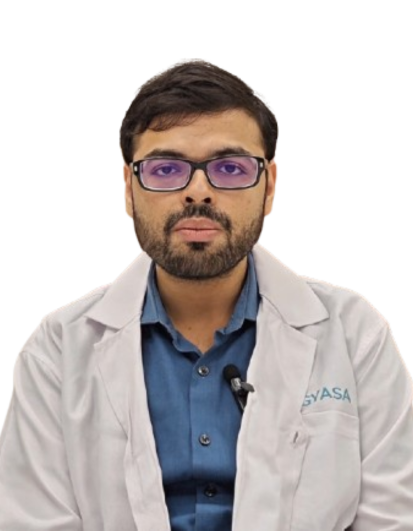
If you are experiencing weight loss, palpitations, tremors, heat intolerance, or unexplained anxiety, an overactive thyroid may be the reason. At Jigyasa Hospital in Moradabad, Dr. Ashish Gupta offers focused evaluation and treatment for hyperthyroidism with a clear, patient-friendly approach.
Because this condition can affect the heart, bones, eyes, and overall metabolism, early diagnosis is important. A proper consultation helps identify the cause and begin the right treatment before complications develop.
Understanding Hyperthyroidism
Hyperthyroidism happens when the thyroid gland becomes overactive and makes too much thyroid hormone. Since thyroid hormone controls the body's metabolism, excess hormone can speed up many body systems and cause widespread symptoms [web:9][web:10].
Some people notice obvious symptoms such as rapid heartbeat or weight loss, while others may have subtler signs like fatigue, nervousness, or changes in mood. In older adults, the condition can sometimes look more like heart disease or general weakness, which makes testing especially important [web:6][web:10]. At Jigyasa Hospital, the goal is to identify the exact cause of the overactive thyroid and create a treatment plan that restores balance safely and effectively.
What Causes Hyperthyroidism?
Common causes include Graves' disease, toxic multinodular goiter, toxic adenoma, thyroiditis, excessive iodine intake, overmedication with thyroid hormone, and rarely pituitary disorders [web:9][web:10].
Graves' disease is the most common cause and is an autoimmune condition that overstimulates the thyroid. Other causes may produce temporary or long-term hormone excess depending on the underlying problem. Understanding the cause matters because treatment can differ significantly from one patient to another.
Common Symptoms of Hyperthyroidism
Typical symptoms include unexplained weight loss, rapid or irregular heartbeat, heat intolerance, sweating, anxiety, tremors, sleep problems, frequent bowel movements, menstrual changes, and muscle weakness [web:9][web:10].
Some patients also develop a visible goiter or eye symptoms, especially in Graves' disease. These symptoms can affect day-to-day comfort and may worsen over time if left untreated. If symptoms are new, persistent, or getting worse, they should be evaluated rather than ignored.
Why Timely Diagnosis and Treatment Matter
Untreated hyperthyroidism can lead to heart rhythm problems, bone loss, eye complications, fertility issues, pregnancy risks, and in rare severe cases, thyroid storm [web:9][web:10].
These risks make early medical attention very important, especially for people with palpitations, weight loss, visible neck swelling, or eye irritation. Timely treatment also helps reduce anxiety, improve sleep, and restore stable energy levels. With the right diagnosis and follow-up, most patients can regain control of symptoms and avoid major complications.
Diagnostic Process at Jigyasa Hospital
The evaluation usually begins with a detailed medical history and physical examination to check for signs such as rapid pulse, tremors, goiter, or eye changes. Blood tests measuring TSH, free T4, and sometimes T3 help confirm the diagnosis [web:9][web:10].
If Graves' disease is suspected, thyroid antibody testing may be added. Depending on the situation, ultrasound or a radioactive iodine uptake scan may be used to find the structural or functional cause of excess hormone production. In some patients, ECG or bone density testing may also be recommended to assess complications and overall impact.
Treatment Options for Hyperthyroidism
Treatment may include anti-thyroid medicines to reduce hormone production, beta-blockers to control symptoms, radioactive iodine therapy, or surgery in selected cases. The choice depends on the cause, severity, and general health of the patient [web:9][web:10].
Some forms of thyroiditis improve with time and symptom management, while Graves' disease may need longer-term treatment. Regular monitoring is essential because treatment can change thyroid levels significantly. Dr. Ashish Gupta helps patients understand each option clearly so treatment decisions are practical and well informed.
Why Patients Choose Dr. Ashish Gupta
Patients visiting Dr. Ashish Gupta at Jigyasa Hospital receive a careful evaluation that focuses on the cause of the condition, not just the symptoms. That approach helps create a more accurate and effective treatment plan.
Ongoing follow-up is also important because thyroid levels can change over time, and medication may need adjustment. Patients are guided on symptom control, testing schedules, and what warning signs should be reported quickly. The result is structured thyroid care that supports both short-term relief and long-term stability.
Living Well with Hyperthyroidism
Most patients improve significantly with treatment and can return to normal daily activity once hormone levels are brought under control. Taking medicines as prescribed and attending follow-up appointments are key parts of successful management [web:9][web:10].
Patients should also monitor heart symptoms, protect the eyes if Graves' disease is present, avoid excess iodine unless advised, and support bone health with appropriate nutrition and exercise. Simple lifestyle care can help treatment work better and reduce the chance of ongoing symptoms.
When to See a Specialist
You should see a specialist if you have unexplained weight loss, rapid or irregular heartbeat, shaking hands, sweating, heat intolerance, neck swelling, or eye discomfort. A family history of thyroid or autoimmune disease is another reason to get checked early.
Getting evaluated quickly can prevent long-term effects on the heart, bones, and eyes. Even mild symptoms deserve attention if they continue or begin to interfere with normal life. Early care often leads to better control and a smoother recovery.
Why Choose Jigyasa Hospital for Hyperthyroidism Care
Jigyasa Hospital offers careful evaluation, treatment options, and consistent follow-up for patients in Moradabad and nearby areas. This makes it easier to stay on track with long-term thyroid care.
Dr. Ashish Gupta's approach combines clear communication with practical treatment planning, so patients understand their condition and their next steps. That helps build confidence during a condition that can otherwise feel overwhelming. For patients searching for a hyperthyroidism specialist in Moradabad, Jigyasa Hospital is a dependable place to begin care.
Complete Thyroid Care
Evaluation, diagnosis, treatment, and follow-up for hyperthyroidism at Jigyasa Hospital in Moradabad.
Specialist Guidance
Care led by Dr. Ashish Gupta with a structured approach to thyroid and hormonal disorders.
Accurate Diagnosis
TSH, T3, T4, antibody testing, and imaging help identify the cause and severity of the condition.
Long-Term Monitoring
Regular follow-up helps track hormone levels, symptoms, and response to treatment.
Timely Symptom Control
Treatment plans focus on reducing palpitations, tremors, anxiety, and other overactive thyroid symptoms.
Local Care in Moradabad
Convenient hyperthyroidism consultation and treatment available at Jigyasa Hospital, Moradabad.
Book a Consultation with Dr. Ashish Gupta
If you are noticing symptoms of an overactive thyroid, do not delay evaluation. Book your consultation with Dr. Ashish Gupta at Jigyasa Hospital, Moradabad, for diagnosis, treatment, and follow-up care.
Timely treatment can reduce complications and help you return to normal daily functioning with better control of your thyroid health.
Address
Near Miglani Cinema, Rampur Road, Moradabad 244001
Phone
7900903333Frequently Asked Questions About Hyperthyroidism
What is hyperthyroidism?
Hyperthyroidism is a condition in which the thyroid gland produces too much thyroid hormone. When thyroid hormone levels are high, the body's metabolism speeds up and symptoms can affect the heart, nerves, digestion, skin, and mood.
What are the common symptoms of hyperthyroidism?
Common symptoms include unexplained weight loss, rapid heartbeat, sweating, heat intolerance, anxiety, tremors, poor sleep, frequent bowel movements, and fatigue with muscle weakness. Some patients also notice eye irritation or swelling in the neck.
How is hyperthyroidism diagnosed?
Diagnosis is usually made with blood tests for TSH, free T4, and sometimes T3. Depending on the cause, the doctor may also suggest thyroid antibody testing, ultrasound, or a radioactive iodine uptake scan.
What are the treatment options for hyperthyroidism?
Treatment may include anti-thyroid medicines, beta-blockers for symptom relief, radioactive iodine therapy, or surgery in selected cases. The right treatment depends on the cause, severity, and overall health of the patient.
Can hyperthyroidism affect the heart?
Yes. If left untreated, hyperthyroidism can cause palpitations, irregular heartbeat, and long-term strain on the heart. Timely treatment helps reduce these risks and improves overall health.
Why Patients Choose Us
- 24/7 Emergency & Trauma Care
- Top Specialist Doctors
- Modern ICU & Operation Theatres
- Transparent & Affordable Pricing
- Ayushman Bharat Empanelled
- Cashless Insurance Support
- Multispeciality Under One Roof
Our Location
Near Miglani Cinema,
Rampur Road,
Moradabad 244001