
Inguinal Hernia Surgery in Moradabad: Expert Laparoscopic Repair with Dr. Rahul Kumar at Jigyasa Hospital
A bulge or swelling in the groin, sometimes accompanied by a dull ache or dragging sensation when standing, lifting, or straining, is the classic sign of an inguinal hernia—the most common hernia seen in surgical practice. It affects a large number of men over their lifetime, though women can be affected too.
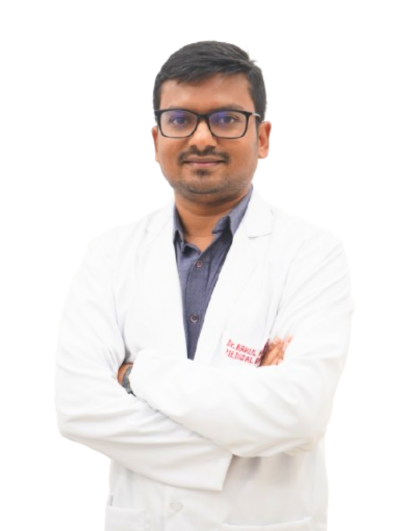
Because early symptoms may feel manageable, many patients delay treatment. For those across Moradabad with groin swelling or discomfort, Dr. Rahul Kumar, Senior GI Surgeon at Jigyasa Hospital, offers thorough evaluation and expert repair, with a strong emphasis on modern, minimally invasive laparoscopic techniques that improve recovery for this common condition.
What Is an Inguinal Hernia?
An inguinal hernia occurs when abdominal tissue, often a portion of intestine or fatty tissue, pushes through a weak point in the lower abdominal wall in the groin, through an area called the inguinal canal. In both men and women this canal exists, but in men it carries the spermatic cord to the testicles, making the region more prone to weakness over time.
Inguinal hernias are broadly classified as indirect, which follow the natural canal and are often related to a congenital weakness present since birth, and direct, which appear through a weakened area in the abdominal wall itself, usually developing later in life due to wear and pressure. This distinction mainly matters for surgical planning rather than day‑to‑day symptoms.
Why Inguinal Hernias Develop
Several factors contribute to inguinal hernia formation. Age‑related weakening of muscles and connective tissue, chronic heavy lifting, especially with poor technique, and chronic coughing from lung disease all repeatedly raise abdominal pressure and strain the groin.
Chronic constipation and straining, obesity, family history of hernia, previous groin surgery, and congenital weakness present from birth also play a role. Given Moradabad’s industrial and labour workforce, inguinal hernias are commonly encountered in everyday surgical practice.
Recognising the Symptoms
Common symptoms include a bulge in the groin on one or both sides that is more visible while standing, coughing, or straining and often reduces or disappears when lying down. Many patients describe a dull ache, heaviness, or dragging sensation in the groin that worsens with activity.
Discomfort can increase with lifting, straining, or prolonged standing. In men, swelling or discomfort may sometimes extend into the scrotum if the hernia is large. Some patients notice a burning or pinching feeling at the bulge site.
Urgent warning signs include sudden severe pain, a firm tender bulge that cannot be pushed back in, nausea and vomiting, or redness and discoloration over the swelling. These may indicate trapped intestine with compromised blood supply and require immediate medical care.
Why Surgery Is the Standard Treatment
Once an inguinal hernia has developed in adulthood, it will not heal on its own. Over time, it usually enlarges and continues to carry a risk of incarceration or strangulation. Because modern hernia surgery is safe and effective, repair is generally advised for symptomatic hernias and many asymptomatic ones as well.
Dr. Rahul Kumar's Approach to Inguinal Hernia Repair
With MBBS and dual DrNB qualifications in General Surgery and Gastro Surgery, and focused expertise in minimally invasive laparoscopy, Dr. Rahul Kumar performs both laparoscopic and open inguinal hernia repairs. Inguinal hernia surgery is one of the most frequently performed and well‑refined procedures in his practice.
Diagnosis and Pre‑Operative Evaluation
Diagnosis is usually based on physical examination. Ultrasound is sometimes used when the hernia is subtle or to better define its contents. A general health assessment checks fitness for surgery and identifies factors such as chronic cough or constipation that should be addressed to support recovery and lower recurrence risk.
Surgical Techniques for Inguinal Hernia Repair
Laparoscopic Repair (TEP and TAPP)
Modern laparoscopic repair is preferred for many patients because of strong outcomes and quick recovery. TEP (Totally Extraperitoneal) repair is performed without entering the abdominal cavity directly, working in the space between the abdominal wall and the inner lining. TAPP (Transabdominal Preperitoneal) repair briefly enters the abdominal cavity to access and repair the hernia.
Both approaches typically use mesh reinforcement and provide benefits such as smaller incisions, less visible scarring, reduced post‑operative pain, and faster return to normal activity. They are especially helpful for bilateral hernias, since both sides can be repaired through the same small incisions in one procedure, and some studies show lower rates of chronic groin pain compared with certain open techniques.
Open Repair
Open repair through a single incision over the hernia remains effective for selected cases, including some recurrent hernias and patients for whom laparoscopy is not ideal. Techniques such as the Lichtenstein repair use mesh placed through an open incision and have a long record of safety and success.
Dr. Kumar assesses each patient’s hernia type, health status, and practical needs to choose between laparoscopic and open repair, favouring laparoscopy when clearly suitable while recognising that open repair is best in some situations.
What to Expect During Recovery
Many laparoscopic repairs allow same‑day discharge or a short observation stay. Post‑operative discomfort is usually manageable with standard pain relief, and patients often return to light activities within a few days and desk‑based work within one to two weeks.
Heavier lifting and strenuous physical work typically need to wait about four to six weeks, which is especially important for workers in physically demanding jobs. Activity increases gradually according to your surgeon’s advice and your recovery progress.
Considerations for Physically Demanding Occupations
For patients in industrial, labour, and manual roles, realistic guidance about when it is safe to return to full duties is critical. Dr. Kumar provides practical, work‑specific recommendations so that patients avoid rushing back too early, which can increase recurrence risk, while also avoiding unnecessary extended downtime.
Reducing the Risk of Recurrence
Mesh‑based techniques have greatly reduced recurrence compared with older methods, but certain steps still help long‑term success. Gradual, guided return to heavy lifting, managing chronic cough, treating constipation to decrease straining, and maintaining a healthy weight all reduce ongoing stress on the repaired area.
A Clear, Practical Approach
Patients often have very practical questions about work, activity, and recovery timelines. Dr. Kumar focuses on clear, honest guidance in Hindi or English tailored to each patient’s occupation and lifestyle, rather than generic advice that may not fit individual circumstances.
Affordable, Accessible Hernia Repair
Jigyasa Hospital’s transparent pricing and Ayushman Bharat PM-JAY empanelment help make inguinal hernia surgery, including laparoscopic repair, accessible to families and working individuals across Moradabad so that cost does not delay treatment.
Who Should Consider Inguinal Hernia Surgery?
You should consider a consultation with Dr. Rahul Kumar if you have a bulge or swelling in the groin on one or both sides, a dull ache, heaviness, or dragging sensation with activity, discomfort that worsens with lifting or prolonged standing, or any sudden severe pain, firm irreducible bulge, or nausea and vomiting, which require emergency evaluation.
Specialised Inguinal Hernia Care
Focused diagnosis and repair for groin hernias, including single‑side and bilateral cases.
Senior GI Surgeon Expertise
Surgery led by Dr. Rahul Kumar with advanced training in General and Gastro Surgery and extensive hernia experience.
Laparoscopic & Open Options
Individualised choice between modern laparoscopic (TEP/TAPP) and open repair based on your hernia and health profile.
Work‑Focused Recovery Planning
Clear, practical guidance on returning to physically demanding jobs common across Moradabad.
Fast Recovery & Low Recurrence
Mesh‑based repairs, careful technique, and lifestyle advice aimed at safe recovery and long‑term durability.
Accessible Care in Moradabad
Advanced hernia repair available locally at Jigyasa Hospital near Miglani Cinema, Rampur Road.
Book Inguinal Hernia Surgery Consultation in Moradabad
If you have groin swelling or symptoms suggestive of an inguinal hernia, you can consult Dr. Rahul Kumar at Jigyasa Hospital for a detailed evaluation and a clear, practical treatment plan suited to your work and lifestyle.
Address
Near Miglani Cinema, Rampur Road, Moradabad 244001
Phone
7900903333Frequently Asked Questions About Inguinal Hernia Surgery
Who should I consult for inguinal hernia surgery in Moradabad?
Dr. Rahul Kumar, Senior GI Surgeon (MBBS, DrNB General Surgery, DrNB Gastro Surgery) at Jigyasa Hospital, specialises in laparoscopic and open inguinal hernia repair.
Is inguinal hernia surgery necessary, or can it be left alone?
Inguinal hernias do not heal on their own in adults and generally enlarge over time, carrying an ongoing risk of complications like incarceration or strangulation. Surgery is usually recommended for symptomatic hernias, and often for asymptomatic ones as well.
What is the difference between TEP and TAPP hernia repair?
Both are laparoscopic mesh-reinforced techniques. TEP is performed without entering the abdominal cavity directly, while TAPP involves briefly entering the abdominal cavity to access and repair the hernia. Your surgeon will advise which is best for your case.
How long before I can return to work after hernia surgery?
Most patients return to light, desk-based work within one to two weeks. Physically demanding work that involves heavy lifting usually requires about four to six weeks, guided by your surgeon’s specific recommendations.
Can both sides be repaired at the same time if I have hernias on both sides?
Yes. Laparoscopic techniques are particularly well suited to repairing bilateral hernias in a single procedure through the same small incisions.
What are the warning signs of a hernia emergency?
Sudden severe pain, a firm bulge that cannot be pushed back in, or nausea and vomiting along with groin symptoms suggest a possible emergency and require immediate medical attention.
Is inguinal hernia surgery covered under Ayushman Bharat?
Jigyasa Hospital is empanelled under Ayushman Bharat PM-JAY, which can help make hernia surgery more affordable for eligible patients.
Where is Jigyasa Hospital located?
Near Miglani Cinema, Rampur Road, Moradabad – 244001, accessible from across the city and nearby towns via NH-24, with 24/7 emergency care available.
Why Patients Choose Us
- 24/7 Emergency & Trauma Care
- Top Specialist Doctors
- Modern ICU & Operation Theatres
- Transparent & Affordable Pricing
- Ayushman Bharat Empanelled
- Cashless Insurance Support
- Multispeciality Under One Roof
Our Location
Near Miglani Cinema,
Rampur Road,
Moradabad 244001