
Is IVF Possible After 40? The Complete Truth
Hope for Motherhood After 40
The desire to become a mother does not fade with age, but nature has its own limitations. In today's world, where career demands, delayed marriages, and health conditions often postpone pregnancy, IVF has opened a new door of hope for many women.
For women in Moradabad and the Rohilkhand region, that hope is available close to home under the expert guidance of Dr. Karishma Singh at Jigyasa Hospital.
With proper evaluation, individualized planning, and advanced reproductive techniques, pregnancy after 40 may still be possible in carefully selected cases.
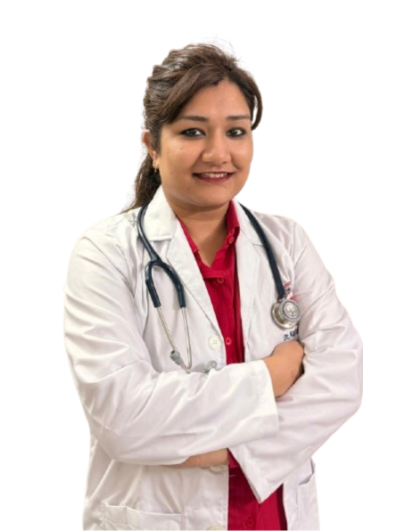
Dr. Karishma Singh - IVF & Gynecology Specialist, Jigyasa Hospital Moradabad
Dr. Karishma Singh is an experienced Gynecologist and IVF Specialist at Jigyasa Hospital, Moradabad. Her areas of expertise include women's reproductive health, infertility treatment, and advanced assisted reproductive techniques.
She understands the unique fertility challenges faced by women above 40 and designs a personalized IVF protocol for every patient.
- • Extensive clinical experience in gynecology and obstetrics
- • Proficiency in high-risk pregnancy management
- • Hands-on experience with IVF, IUI, and ICSI
- • Specialization in hormonal assessment and ovarian reserve evaluation
Women from Moradabad, Rampur, Sambhal, Amroha, and nearby districts trust Dr. Karishma Singh not only for her medical expertise but also for the emotional support she provides during a demanding fertility journey.
Personalized IVF Planning
Every woman above 40 receives an individualized fertility assessment and treatment protocol based on ovarian reserve, hormones, and reproductive history.
Advanced Fertility Evaluation
Detailed testing including AMH, FSH, LH, estradiol, and antral follicle count helps define the most suitable IVF strategy.
Honest Success Counseling
Patients receive realistic guidance regarding IVF success after 40, including the role of own eggs, donor eggs, and genetic screening.
Complete IVF Care Under One Roof
Jigyasa Hospital offers IVF, ICSI, embryo culture, frozen embryo transfer, hormonal workup, and high-risk pregnancy care in one center.
Accessible for Rohilkhand Region
Women from Moradabad, Rampur, Sambhal, Amroha, and nearby districts choose Jigyasa Hospital for expert fertility treatment close to home.
Why Does Fertility Decline After 40?
Age is the single biggest factor affecting a woman's fertility. Understanding why IVF becomes more challenging after 40 helps set the right expectations.
1. Decline in Egg Quality and Quantity
Women are born with a fixed number of eggs. Both the quantity and quality of these eggs decrease with age. By the time a woman reaches 40, her ovarian reserve is usually significantly reduced.
2. Increased Risk of Chromosomal Abnormalities
After 40, the likelihood of chromosomal errors in eggs increases, which raises the risk of miscarriage and genetic abnormalities in the embryo.
3. Hormonal Changes
FSH levels rise with age, signaling ovarian aging, while AMH levels drop. AMH is considered one of the most useful indicators of remaining ovarian reserve.
4. Uterine Factors
Conditions such as fibroids, endometriosis, and changes in uterine lining quality may also affect IVF success at this stage of life.
Despite these challenges, IVF is not impossible after 40. With the right diagnostic evaluation and an expert-designed protocol, a successful pregnancy may still be achievable.
IVF Process at Jigyasa Hospital - Step by Step
1. Initial Consultation and Evaluation
A complete medical history is taken during the first visit. Blood tests including AMH, FSH, LH, and estradiol are conducted along with an antral follicle count ultrasound. These findings help determine the most suitable IVF protocol.
2. Ovarian Stimulation
Hormonal injections are used to stimulate the ovaries to produce multiple eggs. In women above 40, close monitoring during this phase is especially important.
3. Egg Retrieval
Mature eggs are collected through a minor ultrasound-guided procedure performed under sedation.
4. Fertilization
In the laboratory, the collected eggs are fertilized with sperm. If sperm quality is poor, ICSI may be used, where a single sperm is injected directly into the egg.
5. Embryo Culture and Selection
Fertilized eggs are allowed to develop in an incubator for 3 to 5 days, after which the highest-quality embryos are selected.
6. Embryo Transfer
The selected embryo is transferred into the uterus. This is a painless procedure and does not usually require anesthesia.
7. Pregnancy Test
Fourteen days after embryo transfer, a beta-hCG blood test confirms whether pregnancy has been established.
IVF Options Available for Women Over 40
1. Own Eggs IVF
If AMH and antral follicle count results are within a reasonable range, IVF may be carried out using the patient's own eggs. This is usually the first preference whenever feasible.
2. Donor Egg IVF
When ovarian reserve is critically low or egg quality is poor, eggs from a young healthy donor may be used. This often improves success rates significantly for women above 40.
3. Frozen Embryo Transfer
Extra embryos from a previous IVF cycle may be frozen and stored. These embryos can be transferred later without repeating fresh ovarian stimulation.
4. Preimplantation Genetic Testing
This advanced technique screens embryos for genetic and chromosomal abnormalities before transfer. It may help reduce miscarriage risk and improve the chance of transferring a chromosomally normal embryo.
IVF Success Rate After 40 - Realistic Expectations
It is important to begin the IVF journey with realistic expectations and honest counseling.
- • Ages 40 to 42: per-cycle success rate with own eggs is approximately 15 to 20 percent
- • Ages 42 to 44: success rate may fall to around 5 to 10 percent
- • Age 44 and above: IVF with own eggs becomes very difficult
- • Donor Egg IVF may achieve success rates of around 50 to 60 percent in appropriate cases
Dr. Karishma Singh believes in transparent counseling so that every patient understands both the possibilities and the limitations before making a treatment decision.
Why Choose Jigyasa Hospital Moradabad for IVF?
Jigyasa Hospital combines advanced fertility care with accessibility and compassionate support for women and couples across the Rohilkhand region.
- • Modern IVF laboratory with advanced incubators, embryo culture systems, and ICSI support
- • Dedicated fertility team led by Dr. Karishma Singh
- • Personalized treatment protocols for every patient
- • Affordable IVF treatment in Moradabad without needing to travel to metro cities
- • Counseling and emotional support during the IVF journey
- • Convenient location for patients from nearby districts
Important Things to Know Before Starting IVF After 40
- • Act early because ovarian reserve declines rapidly with age
- • Maintain a healthy lifestyle, including diet, sleep, and stress management
- • Be prepared for the possibility of multiple IVF cycles
- • Male evaluation is equally important, including semen analysis
- • Thyroid disorders and diabetes should be screened and managed before treatment
- • Proper medical guidance improves planning and realistic decision-making
Book an IVF Consultation After 40
Jigyasa Hospital, Moradabad, offers expert fertility evaluation and IVF planning for women above 40 who want clear guidance and advanced reproductive care.
Near Miglani Cinema, Rampur Road, Moradabad 244001
Call Now
7900903333Frequently Asked Questions About IVF After 40
Can IVF be successful after the age of 40?
Yes, IVF is possible after 40. While success rates decline with age, donor eggs or advanced protocols can still yield excellent results. Dr. Karishma Singh recommends the most appropriate option after a thorough individual evaluation.
How much does IVF treatment cost at Jigyasa Hospital?
The cost depends on your individual condition and the protocol required. During the consultation, Dr. Karishma Singh explains the complete treatment plan along with an estimated cost in detail.
How long does one IVF cycle take?
A complete IVF cycle typically takes 4 to 6 weeks, from stimulation through embryo transfer. A Frozen Embryo Transfer cycle can often be completed in less time.
In Donor Egg IVF, is the child considered yours?
In Donor Egg IVF, the genetic material comes from the donor, but you carry and deliver the baby. You are legally and emotionally the child's mother. Many couples choose this path with complete confidence.
Is the IVF procedure painful?
The egg retrieval procedure is performed under sedation, so there is no pain. Hormonal injections may cause mild discomfort. The embryo transfer is completely painless.
What are the risks of pregnancy after 40?
The risk of gestational diabetes, hypertension, and chromosomal abnormalities is slightly higher after 40. However, with proper monitoring and the high-risk pregnancy care available at Jigyasa Hospital, these risks can be managed effectively.
How do I book an appointment with Dr. Karishma Singh?
You can call the Jigyasa Hospital helpline or visit the OPD directly to schedule a consultation with Dr. Karishma Singh in Moradabad.
Why Patients Choose Us
- 24/7 Emergency & Trauma Care
- Top Specialist Doctors
- Modern ICU & Operation Theatres
- Transparent & Affordable Pricing
- Ayushman Bharat Empanelled
- Cashless Insurance Support
- Multispeciality Under One Roof
Our Location
Near Miglani Cinema,
Rampur Road,
Moradabad 244001