
Keloid Treatment in Moradabad — Expert Care by Dr. Anil Rajput at Jigyasa Hospital
Keloids are a particular kind of scar that many people find both physically and emotionally frustrating. They are raised, firm, sometimes itchy or tender growths that extend beyond the original wound, injury, or even a simple ear piercing. Unlike ordinary scars, keloids have a notable tendency to recur even after treatment, which makes getting the right treatment approach and the right surgeon especially important.
For residents of Moradabad, Rampur, Sambhal, Amroha, and Bijnor, keloid treatment is available locally at Jigyasa Hospital, located on Rampur Road near Miglani Cinema, Moradabad, under the care of Dr. Anil Rajput, Plastic Surgeon, supported by NABL-accredited diagnostics and round-the-clock hospital infrastructure.
What Is a Keloid?
A keloid is a type of scar that grows beyond the boundaries of the original wound, forming a raised, firm growth made of excess collagen. Keloids can develop after almost any skin injury, including surgery, piercings, acne, burns, vaccinations, or even minor cuts and scrapes. In some cases, they can form without any clearly identifiable injury at all.
Keloids commonly appear on:
- • Earlobes, frequently following ear piercing.
- • Chest and shoulders, which are common sites for keloid formation.
- • Upper back.
- • Jawline and neck.
- • Any area following surgery, injury, or significant acne.
Certain individuals and body areas are more prone to keloid formation than others, and there is often a genetic or family tendency involved. Once a keloid has formed, it typically does not shrink or resolve on its own, which is why medical or surgical treatment is usually needed for meaningful improvement.
How Keloids Differ from Hypertrophic Scars
This distinction matters significantly for treatment planning. A hypertrophic scar stays within the boundary of the original wound and often improves somewhat over time on its own. A keloid, by contrast, extends beyond the original wound edges, tends to keep growing rather than settling, and carries a meaningfully higher risk of recurrence after treatment.
Because keloids behave so differently from ordinary scars, they generally require a more deliberate, combination-based treatment approach rather than standard scar care alone.
Types of Keloid Treatment Offered
1. Intralesional Steroid Injections
Often the first-line treatment for many keloids, this involves injecting medication directly into the keloid tissue to flatten and soften it over a series of sessions. This can be used alone for smaller keloids or in combination with surgical excision for larger ones.
2. Surgical Excision
Surgical excision involves removing the keloid tissue. Because excision alone carries a significant recurrence risk for keloids specifically, it is frequently combined with additional therapies to reduce the chance of the keloid returning.
3. Excision Combined with Steroid Injection or Radiotherapy
For keloids with a higher recurrence risk, combining surgical removal with post-operative steroid injections or, in select cases, low-dose radiotherapy can help reduce recurrence. The plan is selected individually based on the keloid's characteristics.
4. Pressure Therapy
Pressure therapy is used particularly for ear keloids following piercing. It applies consistent pressure to the treated area over time to help prevent recurrence after excision.
5. Silicone-Based Therapy
Silicone sheets or gels may be used as supportive therapy alongside other keloid treatments or for smaller, early keloids. They can help flatten and soften scar tissue over time.
6. Combination Protocols for Recurrent or Large Keloids
Keloids that have recurred after previous treatment, or particularly large keloids, may require a combined, staged treatment plan. This can include excision, injections, pressure therapy, and silicone therapy.
The right treatment combination depends on the keloid's size, location, treatment history, and individual healing tendency. These factors are assessed carefully during consultation with Dr. Anil Rajput.
Who Is a Good Candidate?
Keloid treatment may be suitable for you if you have:
- • A raised, firm scar that has grown beyond the original wound or injury site.
- • A keloid that is itchy, tender, or causing physical discomfort.
- • A keloid affecting your confidence or causing self-consciousness about a visible area.
- • A previous keloid treatment that did not fully resolve the issue, or a keloid that has recurred.
- • Good general health, realistic expectations, and willingness to follow a possible combination treatment plan.
Given the higher recurrence tendency of keloids compared to other scars, treatment planning places significant emphasis on reducing that risk from the outset rather than simply removing the visible growth.
Specialist Keloid Care
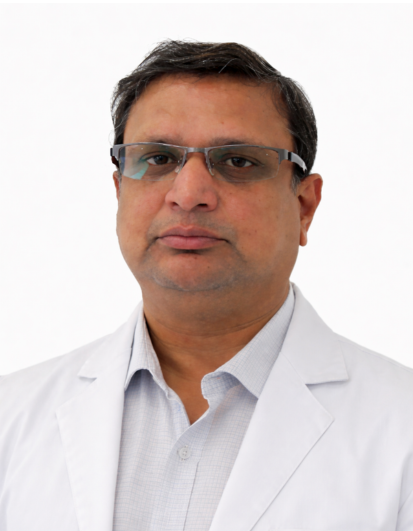
Dr. Anil Rajput provides specialist plastic surgery care for keloids affecting the earlobes, chest, shoulders, neck, back, and other areas.
Individualised Treatment Planning
Treatment is selected based on the keloid's size, location, recurrence history, skin characteristics, and individual healing tendency.
NABL-Accredited Diagnostics
Pre-surgical testing and investigations are processed through the hospital's NABL-accredited laboratory for accuracy and reliability.
Combination-Based Treatment
Where appropriate, excision may be combined with steroid injections, pressure therapy, silicone therapy, or other supportive treatments to reduce recurrence risk.
Trusted Care in Moradabad
Patients from Moradabad, Rampur, Sambhal, Amroha, Bijnor, and nearby districts visit Jigyasa Hospital for keloid treatment close to home.
Consultation and Pre-Surgical Evaluation at Jigyasa Hospital
Every keloid case at Jigyasa Hospital begins with a detailed consultation with Dr. Anil Rajput, covering:
1. Keloid History Review
A review of how and when the keloid formed, along with any previous treatment attempted.
2. Physical Examination
A physical examination to confirm whether the scar is a keloid or hypertrophic scar, along with an assessment of its size and characteristics.
3. Family and Personal History
A discussion of family history or personal tendency toward keloid formation, since this can affect treatment planning.
4. Treatment Combination Planning
A recommendation for the most appropriate treatment combination based on the specific keloid and its recurrence risk.
5. Photographic Documentation
Photographic documentation to support treatment planning and track progress over time.
6. Pre-Operative Investigations
Pre-operative investigations processed through the hospital's NABL-accredited laboratory where surgical treatment is planned.
7. Treatment Timeline Discussion
A clear walkthrough of the treatment timeline, including the likely need for multiple sessions or a combination approach.
This evaluation is particularly important for keloids because treatment that does not adequately address recurrence risk can result in a keloid returning larger than before.
The Procedure
Treatment for keloids at Jigyasa Hospital varies depending on the approach selected. Steroid injections are typically performed in a clinical setting, often across multiple sessions spaced several weeks apart, gradually flattening and softening the keloid tissue.
Surgical excision, when appropriate, is performed under local or general anesthesia depending on the keloid's size and location. The keloid tissue is carefully removed and the wound is closed using techniques aimed at minimising tension.
For higher-risk keloids, excision is often followed by a course of steroid injections. In select cases, low-dose radiotherapy may be used shortly after surgery specifically to reduce recurrence.
For ear keloids, pressure therapy using specialised clips or earrings is often introduced after excision to help maintain the treated area's flattened profile during healing. Procedure time and the overall treatment timeline vary depending on whether treatment is injection-based, surgical, or a combination approach spread across multiple visits.
Recovery Timeline
Recovery and treatment timelines for keloids depend heavily on the approach used, but generally follow this pattern:
- • Steroid injection sessions: Minimal downtime may be expected. Temporary thinning or discolouration at the injection site can occur, and multiple sessions are typically spaced four to six weeks apart.
- • Surgical excision, first week: Mild swelling and soreness may occur at the surgical site. Sutures are typically removed within one to two weeks depending on location.
- • Weeks 2–6: Follow-up treatments such as steroid injections or radiotherapy may continue during this period specifically to reduce recurrence risk.
- • Months 2–6: The treated area continues to heal and settle, with monitoring for early signs of keloid recurrence.
- • 6–12 months and beyond: Long-term follow-up is often recommended because keloids can recur even after the treated area appears to have healed well.
Patients are advised to follow all prescribed aftercare, including pressure therapy or silicone application where recommended, protect the treated area from unnecessary trauma, and attend all scheduled follow-up visits.
Risks and Realistic Expectations
As with any medical or surgical treatment, keloid treatment carries risks discussed openly during consultation. These can include recurrence of the keloid, changes in skin colour or texture at the treatment site, and, with certain treatments, thinning of the surrounding skin. Where surgery or radiotherapy is involved, related risks are also part of informed consent.
Patients should understand from the outset that keloid treatment is often a multi-step or multi-session process rather than a single procedure with a guaranteed permanent result. Dr. Anil Rajput's approach at Jigyasa Hospital focuses on selecting a treatment combination suited to each keloid's specific recurrence risk, along with clear guidance on aftercare steps that may reduce the chance of the keloid returning.
Why Choose Jigyasa Hospital for Keloid Treatment in Moradabad
- • Local access to specialist plastic surgery care for keloids, with no need to travel to Delhi, Lucknow, or other metro cities.
- • NABL-accredited diagnostic lab for accurate and reliable pre-surgical testing.
- • 24/7 emergency care on-site for added safety and peace of mind.
- • Ayushman Bharat PM-JAY empanelment, applicable to eligible cases depending on scheme classification.
- • Wide regional catchment, serving patients from Moradabad, Rampur, Sambhal, Amroha, and Bijnor.
- • Combination-based treatment planning specifically aimed at reducing keloid recurrence rather than relying on excision alone.
Common Myths About Keloid Treatment
Myth: Once a keloid is surgically removed, it is gone for good. Reality: Excision alone carries a significant recurrence risk for keloids, which is why it is often combined with steroid injections, pressure therapy, or other approaches.
Myth: Keloids and regular raised scars are the same thing. Reality: Keloids extend beyond the original wound boundary and tend to keep growing, while hypertrophic scars stay within the wound area. This distinction significantly affects treatment choice.
Myth: Keloids only form after major surgery or serious injury. Reality: Keloids can develop after minor injuries too, including ear piercings, small cuts, acne, and vaccination sites, particularly in individuals prone to keloid formation.
Myth: Steroid injections alone are always enough to treat a keloid. Reality: While effective for smaller keloids, larger or recurrent keloids often need a combination approach involving excision and other therapies for the best long-term result.
Myth: If your family does not have a history of keloids, you will not get one. Reality: While family history and certain skin types can increase keloid risk, keloids can still occur in people without any known family history.
Book an Appointment with Dr. Anil Rajput
Jigyasa Hospital offers specialist plastic surgery care for keloids under the guidance of Dr. Anil Rajput. Whether you have an ear keloid, a recurrent scar, or a keloid affecting the chest, shoulder, neck, back, or another visible area, a personalised evaluation can help determine the most suitable treatment approach.
Near Miglani Cinema, Rampur Road, Moradabad 244001
Call Now
7900903333Frequently Asked Questions
Is keloid treatment painful?
Steroid injections may cause brief discomfort during the injection itself, while surgical excision involves standard post-operative soreness managed with appropriate care and prescribed medication.
How many treatment sessions are typically needed for a keloid?
This varies significantly by keloid size and treatment approach. Injection-based treatment often requires multiple sessions spaced several weeks apart, while surgical cases may need follow-up injections or additional therapy afterward.
Can keloids come back after treatment?
Yes, keloids have a meaningfully higher recurrence risk than ordinary scars. This is why combination treatment approaches and consistent follow-up care are emphasized.
Are ear keloids treated differently from other keloids?
The treatment principles are similar, though ear keloids often incorporate pressure therapy using specialized clips or earrings after excision because of the ear's specific anatomy.
Is keloid treatment covered under government health schemes?
Some cases may be eligible under PM-JAY empanelment depending on scheme classification. Eligibility is assessed individually for each case.
Can keloids be prevented in someone who is prone to them?
For patients with a known tendency toward keloids, certain wound-care precautions and early interventions can help reduce the risk. These are discussed individually based on personal and family history.
How long does it take to see improvement from steroid injections?
Improvement is typically gradual, with visible flattening and softening developing over the course of several sessions rather than after a single treatment.
Is surgery always necessary for keloid treatment?
No. Smaller keloids may respond well to non-surgical approaches such as steroid injections and silicone therapy without the need for excision.
Why Patients Choose Us
- 24/7 Emergency & Trauma Care
- Top Specialist Doctors
- Modern ICU & Operation Theatres
- Transparent & Affordable Pricing
- Ayushman Bharat Empanelled
- Cashless Insurance Support
- Multispeciality Under One Roof
Our Location
Near Miglani Cinema,
Rampur Road,
Moradabad 244001