
Liver Abscess Treatment in Moradabad – Expert Care by Dr. Rahul Kumar at Jigyasa Hospital
A high, persistent fever with chills, pain in the upper right side of the abdomen that may radiate to the shoulder, and a general feeling of fatigue or being unwell can be more than just a routine infection. When these symptoms do not settle with typical fever medicines or home remedies, they may indicate a liver abscess, a collection of pus inside the liver caused by infection that requires timely specialist evaluation and targeted treatment.
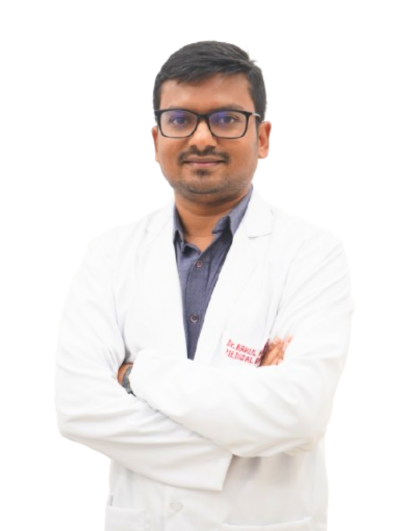
Liver abscesses are seen with some regularity in surgical and gastroenterology practice across India, including the Moradabad region, and they can become serious if ignored. For patients experiencing such symptoms, Dr. Rahul Kumar, Senior GI Surgeon at Jigyasa Hospital, offers comprehensive evaluation and management that combines medical therapy with image-guided or surgical drainage when needed, helping patients recover safely and reduce the risk of complications.
What Is a Liver Abscess?
A liver abscess is a localised collection of pus that forms within the liver tissue as a result of infection reaching the organ through the bloodstream, bile ducts, or direct spread from a nearby infected structure. As the infection progresses, the body’s immune response walls off the area, creating a pus-filled cavity that may be single or multiple and can vary widely in size. Recognising and treating this condition early is important because untreated liver abscess carries a risk of serious illness and even life‑threatening complications.
Broadly, liver abscesses are divided into two major types: amoebic liver abscess, caused by the parasite Entamoeba histolytica, and pyogenic liver abscess, caused by bacterial infection often linked to biliary or intra‑abdominal sources. While both types share overlapping symptoms, the underlying cause and recommended treatment differ in important ways, so accurate classification through history, tests, and imaging is central to planning effective, personalised therapy for each patient.
Why Liver Abscess Is a Concern in the Moradabad Region
Amoebic liver abscess remains a significant health concern in many parts of India, including Uttar Pradesh, because intestinal infection with Entamoeba histolytica is more common in areas with variable water quality and sanitation. When intestinal infection is not properly treated, the parasite can travel through the bloodstream to the liver in a subset of patients, leading to abscess formation over time. Occupational and dietary exposure patterns also play a role, especially for those relying on less consistently safe drinking water and food.
Pyogenic, or bacterial, liver abscesses in the region are often linked to underlying conditions such as gallstone disease, biliary tract infections, uncontrolled diabetes, or abdominal infections that spread through the bloodstream. Because these conditions are commonly seen in general medical and surgical practice, keeping a high level of awareness for liver abscess in patients with persistent fever and right‑sided abdominal pain is essential. Jigyasa Hospital’s integrated approach helps identify and treat both the abscess and its root cause to prevent recurrence.
Recognising the Symptoms of Liver Abscess
Typical symptoms of liver abscess include high fever, often accompanied by chills and night sweats, along with pain in the right upper abdomen that can radiate to the right shoulder or back. Many patients also notice fatigue, loss of appetite, and unintended weight loss when the infection has been present for some time. Nausea, vomiting, and a tender or slightly enlarged liver may be evident on clinical examination, and jaundice can appear in some cases if the abscess affects bile flow or is more extensive.
Because these features can overlap with other conditions such as gallbladder disease, viral hepatitis, or other systemic infections, relying only on symptoms is not enough to make a definite diagnosis. Proper evaluation with blood tests and imaging is essential before starting treatment so that therapy is directed to the true cause. If you or a family member have persistent fever with right‑sided abdominal pain and are not improving with routine care, seeking specialist assessment promptly can make a major difference in outcome.
Dr. Rahul Kumar’s Approach to Diagnosis
Dr. Rahul Kumar holds an MBBS and DrNB qualifications in General Surgery and Gastro Surgery, bringing focused gastrointestinal surgical expertise to liver abscess care. His diagnostic evaluation begins with a detailed history and physical examination, including questions about recent travel, water source, sanitation, and prior episodes of intestinal infection, which can help identify a potential amoebic origin. He also assesses associated medical conditions such as diabetes or gallbladder disease that could point toward a pyogenic cause.
Blood tests including a complete blood count often show elevated white blood cells signifying infection, while liver function tests help gauge how the liver is coping. Ultrasound of the abdomen is usually the first and most useful imaging test, as it can identify the presence, size, and number of abscesses and also guide percutaneous drainage when required. In selected cases, CT scan provides more detailed information, and serology for amoebic infection or blood cultures for bacteria assist in confirming the exact cause so that treatment is appropriately tailored.
Treatment Options: Medical Management and Drainage
Management of liver abscess focuses on clearing the infection, draining pus when required, and addressing underlying factors to prevent recurrence. For most amoebic liver abscesses, especially smaller ones without complications, the mainstay of therapy is antiamoebic medication, commonly metronidazole or similar drugs, given over around seven to ten days. A large proportion of such cases respond well to medicines alone, with symptoms and imaging findings improving steadily under close monitoring.
Pyogenic, or bacterial, liver abscess generally requires a combination of appropriate intravenous or oral antibiotics and drainage of the abscess cavity in the majority of patients. Antibiotic choices are guided by blood culture results when available and by local patterns of infection. Identifying and treating the underlying source, such as a gallstone causing biliary obstruction or a bowel infection, is an equally important part of comprehensive care so that the problem does not recur after initial recovery.
Drainage Techniques for Liver Abscess
When drainage is needed, image‑guided percutaneous aspiration or catheter drainage is usually the preferred first approach at Jigyasa Hospital. Under ultrasound or CT guidance, a needle or small catheter is carefully inserted into the abscess to remove pus, often under local anaesthesia and sedation, making the procedure relatively minimally invasive. This technique allows faster symptom relief and supports recovery while antibiotics continue to clear the remaining infection.
Surgical drainage is reserved for situations where percutaneous methods are not feasible, have not been sufficiently effective, or where complications such as rupture or associated pathology mandate a more extensive operation. Dr. Rahul Kumar is experienced in both open and laparoscopic surgical techniques, enabling him to choose the safest and most effective option based on each patient’s clinical status, abscess characteristics, and overall health.
Why Prompt Treatment for Liver Abscess Matters
Untreated or inadequately treated liver abscess can result in serious complications, including rupture of the abscess into the abdominal cavity leading to peritonitis, spread into the chest cavity, or, rarely, dissemination to other organs. Severe infection can trigger sepsis, a body‑wide response that is potentially life‑threatening without urgent care. Persistent infection may also lead to progressive liver dysfunction, prolonged illness, and significantly delayed recovery.
Because of these risks, it is crucial not to rely on prolonged self‑medication or repeated short courses of antibiotics for ongoing high fever and abdominal pain. Early, structured evaluation and appropriate treatment under a specialist reduces the chance of complications and improves overall outcomes. At Jigyasa Hospital, coordinated emergency and inpatient services ensure that suspected liver abscess cases are investigated and managed without unnecessary delay.
Follow-Up and Monitoring During Recovery
After treatment is initiated, regular follow‑up plays a key role in confirming that the liver abscess is resolving. Repeat imaging, typically ultrasound and sometimes CT in selected cases, is performed after a defined period to document reduction in abscess size or complete resolution. Clinical monitoring of symptoms, such as disappearance of fever, relief from pain, and improvement in energy levels and appetite, provides equally important reassurance that therapy is working as intended.
Patients are advised to complete the full prescribed course of medication even after feeling better to ensure the infection is fully cleared and to minimise the risk of relapse. For pyogenic abscesses linked to gallstones, biliary disease, or other conditions, definitive management of the underlying problem is planned, which may include procedures or surgery, so that future episodes are less likely. Dr. Rahul Kumar and the Jigyasa Hospital team provide clear instructions and are available for guidance throughout the recovery journey.
A Reassuring, Clear Approach for Patients
Being told that you have a liver abscess can be worrying, especially because liver‑related conditions are often perceived as serious and complex. Dr. Rahul Kumar’s approach at Jigyasa Hospital focuses on clear, honest communication in both Hindi and English, helping patients and families understand the exact type of abscess, why a particular treatment plan is being advised, and what recovery is expected to look like. Transparent explanations help reduce anxiety during what is often an unexpected diagnosis.
Whether the recommended plan involves medication alone or a combination of medicines and drainage, patients are guided step by step through the process, including hospital stay, procedures, and follow‑up. Questions and concerns are addressed patiently, and realistic expectations are set from the outset. This supportive environment allows patients to focus on getting better while feeling confident in the care they are receiving.
24/7 Emergency and Affordable Liver Abscess Care
Because liver abscess can present with significant acute illness, access to timely emergency care is essential. Jigyasa Hospital offers 24/7 emergency services, supported by in‑house ultrasound, CT, and laboratory facilities, enabling rapid diagnosis and early initiation of treatment without delay. This coordinated setup is particularly important for patients arriving with high fever, severe abdominal pain, or signs of sepsis, where minutes and hours can make a difference.
The hospital maintains transparent pricing policies and is empanelled under Ayushman Bharat PM‑JAY, helping eligible families across Moradabad access necessary investigations and procedures at a more manageable cost. By combining clinical expertise, round‑the‑clock availability, and affordability, Jigyasa Hospital aims to ensure that patients with liver abscess do not miss out on timely, appropriate care due to financial or logistical barriers.
Who Should Seek Evaluation for Suspected Liver Abscess?
You should seek prompt medical evaluation if you have persistent high fever, particularly with chills, that does not resolve with standard fever medicines or has been recurring for several days. Pain in the right upper abdomen that is persistent or worsening, especially when accompanied by tenderness, nausea, or vomiting, also warrants expert assessment. These symptoms in combination are not typical of simple viral fever and may point to deeper issues including liver abscess or other serious conditions.
Additional warning signs include fatigue, loss of appetite, unexplained weight loss, recent history of intestinal infection or travel to areas with variable water quality, and the presence of jaundice along with fever and abdominal pain. If you or a family member fit this profile, contacting Jigyasa Hospital or visiting the emergency department can help ensure that necessary tests and imaging are arranged quickly and appropriate treatment is started as early as possible.
What to Expect During Your Visit to Jigyasa Hospital
When you arrive at Jigyasa Hospital with suspected liver abscess, the first priority is prompt clinical assessment to stabilise symptoms and clarify the diagnosis. You may be advised to call the hospital at 7900903333 or come directly to the emergency department, particularly if you have high fever and significant discomfort. Initial evaluation includes a detailed history, physical examination, and basic stabilising measures such as hydration, pain relief, and monitoring.
This is followed by targeted blood tests and abdominal imaging, most commonly ultrasound and, where needed, CT scan, to confirm or rule out liver abscess and identify its likely cause. Once the diagnosis is clear, Dr. Rahul Kumar will discuss a treatment plan in Hindi or English, outlining the role of medications, the need for drainage if indicated, and what the hospital stay and follow‑up will involve. Drainage procedures, when required, are generally performed using image guidance for a minimally invasive approach, and repeat imaging is scheduled to confirm resolution over time.
Why Patients Choose Jigyasa Hospital for Liver Abscess Care
Jigyasa Hospital has built a reputation in Moradabad and nearby areas for combining clinical expertise with ethical, patient‑ centred care. In the context of liver abscess, this means that decisions about hospitalisation, drainage, and further procedures are made based on clear medical need rather than unnecessary intervention. Patients and families receive honest explanations of options, benefits, and risks so they can participate in decisions confidently.
Under the guidance of Dr. Rahul Kumar, the hospital’s GI and surgical teams work together to provide comprehensive care, from emergency stabilisation and diagnosis to definitive treatment and follow‑up. Patients from Moradabad and surrounding towns appreciate having this level of specialised liver abscess management available locally, without needing to travel to distant metro cities for care that is both expert and accessible.
Specialised GI Surgical Care
Liver abscess treatment led by Dr. Rahul Kumar, Senior GI Surgeon, combining medical management with image-guided and surgical drainage when required.
Thorough Diagnostic Workup
Detailed history, clinical examination, blood tests, ultrasound, CT, and serology to accurately distinguish amoebic and pyogenic abscesses.
Strict Safety Protocols
Sterile operation theatres, advanced monitoring, and evidence-based antibiotic and procedural protocols for safe infection control.
Medical and Drainage Options
Antiamoebic and antibiotic therapy with image-guided percutaneous drainage or surgical drainage tailored to abscess size and type.
24/7 Emergency Availability
Round-the-clock emergency services to manage patients presenting with high fever, abdominal pain, and suspected liver abscess.
Accessible Care in Moradabad
Comprehensive liver abscess treatment at Jigyasa Hospital, Near Miglani Cinema, Rampur Road, Moradabad – 244001.
Seek Prompt Liver Abscess Care with Dr. Rahul Kumar
If you or a loved one are experiencing persistent high fever, right‑sided abdominal pain, or other symptoms raising concern for liver abscess, do not delay seeking expert care. Contact Jigyasa Hospital, Moradabad, to arrange evaluation and, if needed, hospital admission under the care of Dr. Rahul Kumar, Senior GI Surgeon. Early, structured treatment can significantly reduce the risk of complications and support smoother recovery.
You can reach out for appointments, emergency assessment, detailed counselling on investigations and procedures, and post‑treatment follow‑up support. The hospital team is committed to providing clear communication, compassionate care, and accessible services for patients and families dealing with this serious but treatable condition.
Address
Near Miglani Cinema, Rampur Road, Moradabad 244001
Phone
7900903333Frequently Asked Questions About Liver Abscess Treatment
Who should I consult for liver abscess treatment in Moradabad?
Dr. Rahul Kumar, Senior GI Surgeon (MBBS, DrNB General Surgery, DrNB Gastro Surgery) at Jigyasa Hospital, provides thorough evaluation and treatment for both amoebic and pyogenic liver abscesses in Moradabad. Patients benefit from his focused gastrointestinal surgical expertise and access to advanced imaging and in‑house lab facilities at the hospital.
What is the difference between amoebic and pyogenic liver abscess?
Amoebic liver abscess is caused by the parasite Entamoeba histolytica, often linked to prior intestinal infection and contaminated water or food exposure. Pyogenic liver abscess is bacterial, frequently arising from biliary tract infections, abdominal infections that spread through the bloodstream, or other underlying medical conditions including gallstones and diabetes.
Does every liver abscess need drainage?
No, many amoebic liver abscesses, especially smaller collections without complications, resolve with appropriate antiamoebic medication alone. Drainage is usually required for larger abscesses, those that fail to improve with medical therapy, abscesses at high risk of rupture, or most pyogenic (bacterial) liver abscesses where antibiotics alone are rarely sufficient.
How is liver abscess drained?
Most liver abscesses requiring drainage are managed with image‑guided percutaneous aspiration or catheter drainage under ultrasound or CT guidance. In selected cases where percutaneous drainage is not feasible or complications are present, surgical drainage may be needed, and Dr. Rahul Kumar is experienced in both open and laparoscopic approaches as appropriate.
Is liver abscess treatment covered under Ayushman Bharat?
Jigyasa Hospital is empanelled under Ayushman Bharat PM‑JAY, which can help eligible patients access more affordable diagnostic evaluation and treatment. This includes imaging, hospital stay, and drainage procedures when medically indicated, subject to scheme guidelines and pre‑authorization where required.
Why Patients Choose Us
- 24/7 Emergency & Trauma Care
- Top Specialist Doctors
- Modern ICU & Operation Theatres
- Transparent & Affordable Pricing
- Ayushman Bharat Empanelled
- Cashless Insurance Support
- Multispeciality Under One Roof
Our Location
Near Miglani Cinema,
Rampur Road,
Moradabad 244001