

Melasma Treatment in Moradabad — Dr. Abida, Dermatologist, Jigyasa Hospital
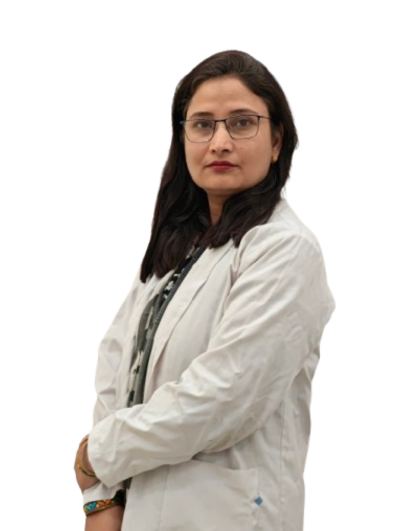
Dr. Abida is a dermatology specialist at Jigyasa Hospital, Moradabad, who evaluates and manages patients with persistent facial pigmentation, especially melasma. She helps patients understand the chronic, relapsing nature of this condition while providing effective, realistic treatment strategies.
Her approach combines detailed clinical assessment, Wood's lamp evaluation, and a long-term management plan focused on control and maintenance, rather than unrealistic promises of permanent cure.
Melasma: A Common Yet Frustratingly Persistent Facial Pigmentation Condition
Melasma is one of the most common reasons women, in particular, seek dermatological consultation for facial pigmentation. It is characterized by symmetrical, brownish patches that typically appear on the cheeks, forehead, upper lip, and chin.
Despite being extremely widespread, melasma is also known for being particularly persistent and prone to recurrence, often frustrating patients who have tried numerous creams without lasting success. At Jigyasa Hospital, Moradabad, Dr. Abida specializes in melasma diagnosis and long-term management.
What Is Melasma?
Melasma is a chronic skin condition resulting in symmetrical, brownish to grayish-brown patches, primarily affecting sun-exposed areas of the face. It occurs when melanocytes in affected areas become overactive, producing excess pigment in response to a combination of triggering factors, most notably sun exposure and hormonal influences.
Melasma is broadly categorized based on the pattern of facial involvement:
- • Centrofacial pattern: forehead, cheeks, nose, upper lip, and chin
- • Malar pattern: primarily cheeks and nose
- • Mandibular pattern: along the jawline
- • Epidermal melasma: pigment in the superficial layer, generally responding better to treatment
- • Dermal melasma: deeper pigment, more resistant to standard treatment
- • Mixed melasma: combination of both, most commonly seen in practice
Why Melasma Is So Common — and So Persistent
Melasma disproportionately affects women, particularly during their reproductive years, and is significantly more common in individuals with medium to darker skin tones, including much of the South Asian population. Several factors contribute to both its prevalence and its notoriously persistent nature:
- • Hormonal influence: linked to pregnancy, oral contraceptives, and hormone therapy
- • Sun exposure: UV radiation is a major trigger for onset and flares
- • Genetic predisposition: family history increases likelihood
- • Chronic, relapsing nature: strong tendency to recur with sun or hormonal changes
This combination of factors is precisely why melasma requires a different mindset than typical “spot treatment” — it's best approached as a chronic condition requiring ongoing management rather than a problem with a single, permanent fix.
Specialist Melasma Evaluation
Every consultation begins with a detailed assessment by Dr. Abida to confirm whether your pigmentation fits the typical melasma pattern and to identify key triggers.
Comprehensive Diagnostic Approach
Evaluation includes a full skin history, clinical examination, and Wood's lamp assessment to determine pigment depth and guide treatment planning.
Medically Supervised Melasma Care
Treatment plans use evidence-based options such as medical-grade topicals, carefully selected peels, and strict sun protection, tailored to your skin type and pigment depth.
Honest Expectation-Setting
Dr. Abida clearly explains that melasma is a chronic, relapsing condition, focusing on long-term control and realistic improvement rather than unrealistic promises of permanent cure.
Trusted Melasma Treatment in Moradabad
Patients from Moradabad, Rampur, Sambhal, Amroha, Bijnor, and nearby districts choose Jigyasa Hospital for science-based, long-term melasma management.
Recognizing Melasma
Melasma typically presents with:
- • Symmetrical, brownish to grayish-brown patches on both sides of the face
- • Patches with irregular but generally well-defined borders
- • No associated itching, pain, or scaling — distinguishing it from many inflammatory conditions
- • Gradual onset, often first noticed during pregnancy, after starting hormonal contraception, or after significant sun exposure
- • Patches that darken further with continued sun exposure and may lighten somewhat with reduced exposure
Diagnostic Approach at Jigyasa Hospital
Confirming melasma and planning appropriate management relies on a careful evaluation. At Jigyasa Hospital, the diagnostic process typically includes:
1. Detailed Clinical History
Dr. Abida reviews the onset of pigmentation, any correlation with pregnancy, hormonal contraception use, family history of melasma, and sun exposure patterns.
2. Physical Examination
A thorough examination under proper lighting helps confirm the characteristic pattern and distribution of melasma, distinguishing it from other pigmentation conditions that may appear similar.
3. Wood's Lamp Examination
This specialized examination is particularly valuable for melasma, as it helps determine whether the pigment is predominantly epidermal or dermal in depth, directly guiding treatment selection and expected response.
4. Hormonal Assessment (When Relevant)
Where appropriate, particularly if melasma appeared alongside other symptoms suggesting hormonal imbalance, relevant screening may be discussed through the hospital's NABL-accredited laboratory.
Treatment Approach: Managing a Chronic Condition
Dr. Abida's approach to melasma treatment is built around the understanding that this is a chronic, relapsing condition requiring ongoing management rather than a single-treatment cure. Treatment components typically include:
Topical Depigmenting Agents
Prescription-strength topical treatments, often used in combination formulations, work to reduce excess pigment production in the affected areas, requiring consistent application over an extended period for meaningful improvement.
Topical Retinoids
Often incorporated as part of a combination regimen, retinoids can help enhance the effectiveness of other topical treatments by promoting skin cell turnover.
Chemical Peels
Carefully selected chemical peels, appropriate for melasma-prone skin, can be used as part of a broader treatment plan, though selection requires particular care given the risk of triggering post-inflammatory pigmentation if not performed appropriately.
Oral Medications
In select, more resistant cases, oral medications with antioxidant and pigment-modulating properties may be considered as part of a comprehensive treatment approach, used under medical supervision.
Laser and Light-Based Treatments
These are used selectively and cautiously in melasma, as certain laser treatments can potentially worsen melasma if not appropriately selected and calibrated. Dr. Abida carefully assesses candidacy before considering this option.
Non-Negotiable: Rigorous Sun Protection
Given the central role of UV exposure in triggering and worsening melasma, comprehensive sun protection — including broad-spectrum sunscreen, physical barriers like hats, and minimizing peak sun exposure — is considered the single most important component of any melasma management plan.
Managing Melasma During Pregnancy
Since melasma frequently develops or worsens during pregnancy, Dr. Abida provides specific guidance for expectant patients:
- • Certain topical treatments are avoided during pregnancy due to safety considerations, requiring a modified treatment approach
- • Rigorous sun protection remains safe and strongly recommended throughout pregnancy
- • Many patients experience some natural improvement in pregnancy-related melasma after delivery, though it doesn't always resolve completely without further treatment
- • A more comprehensive treatment plan can typically be considered after pregnancy and breastfeeding
Setting Realistic Long-Term Expectations
Understanding melasma's chronic nature is central to successful long-term management:
- • Significant improvement is achievable with appropriate, consistent treatment, though complete, permanent clearance is less common
- • Melasma has a notable tendency to recur, particularly with sun exposure, hormonal changes, or discontinuation of maintenance treatment
- • Long-term, ongoing management — including continued sun protection and, often, periodic maintenance treatment — is generally necessary to sustain improvement over time
- • Setting these realistic expectations from the outset helps patients approach treatment with a sustainable, long-term mindset
Practical Tips for Living with Melasma
- • Apply broad-spectrum sunscreen every single day, without exception
- • Wear a wide-brimmed hat and seek shade during peak sun hours whenever possible
- • Be patient and consistent with prescribed treatment, understanding that melasma improvement is typically gradual
- • Discuss any hormonal contraception with your doctor if melasma is significantly bothersome
- • Continue maintenance skincare and sun protection even after achieving significant improvement
- • Avoid unregulated or overly aggressive treatments promising quick, permanent results
Why Choose Jigyasa Hospital for Melasma Treatment in Moradabad
Melasma requires a knowledgeable, realistic, and consistent long-term management approach rather than a search for a single “miracle” treatment. Jigyasa Hospital, located on Rampur Road near Miglani Cinema, Moradabad, offers:
- • Specialized melasma consultation with Dr. Abida, including Wood's lamp assessment to guide treatment planning
- • Individualized treatment plans considering pregnancy status, hormonal factors, and pigment depth
- • NABL-accredited diagnostic laboratory for any relevant supporting evaluation
- • Empanelment under Ayushman Bharat PM-JAY, extending eligible treatment benefits to qualifying families
- • 24/7 emergency care support for any associated concerns
- • Wide service catchment covering Moradabad, Rampur, Sambhal, Amroha, and Bijnor, bringing specialized dermatological care closer to home
If melasma has been a persistent, frustrating concern despite trying various creams, a proper evaluation can offer a more realistic, sustainable treatment approach tailored specifically to your pattern of pigmentation.
Book an Appointment with Dr. Abida
Jigyasa Hospital offers specialist dermatology care for melasma diagnosis and long-term management under the guidance of Dr. Abida. A proper consultation ensures you understand the chronic nature of melasma and what can realistically be achieved with consistent care.
Near Miglani Cinema, Rampur Road, Moradabad 244001
Call Now
7900903333Frequently Asked Questions
Will melasma go away completely after pregnancy?
Many patients see some natural improvement in pregnancy-related melasma after delivery, but it doesn't always resolve completely on its own. Further treatment may be needed for more complete and lasting improvement.
Can melasma be permanently cured?
Melasma is generally considered a manageable, chronic condition rather than one with a guaranteed permanent cure. Significant, lasting improvement is achievable with consistent, appropriate treatment and ongoing sun protection.
Why does my melasma keep coming back even after treatment works?
Melasma has a strong tendency to recur, particularly with sun exposure, hormonal changes, or discontinuation of maintenance treatment. This is why ongoing management is typically necessary rather than a one-time treatment course.
Is melasma the same as other types of facial pigmentation?
No. Melasma has a distinct symmetrical pattern and is specifically linked to hormonal and sun-related triggers, differing from conditions like post-acne marks or sun spots, which require somewhat different treatment considerations.
Can I use laser treatment for melasma?
Laser treatment is used cautiously and selectively for melasma, as certain lasers can potentially worsen the condition if not appropriately selected. Your dermatologist will assess whether you're a suitable candidate.
Is it safe to treat melasma while pregnant?
Certain topical treatments are avoided during pregnancy due to safety considerations, though rigorous sun protection remains safe and important. A more comprehensive treatment approach is typically considered after pregnancy and breastfeeding.
Does stopping birth control pills help with melasma?
In some cases, hormonal contraception can contribute to melasma. Discussing this with your doctor may be worthwhile if melasma is significantly bothersome, though this decision should be made in consultation with both your dermatologist and prescribing physician.
How important is sunscreen really for melasma?
Extremely important. Sun exposure is one of the most significant triggers for melasma development and recurrence, making consistent, rigorous sun protection the foundation of any effective melasma management plan.
Why Patients Choose Us
- 24/7 Emergency & Trauma Care
- Top Specialist Doctors
- Modern ICU & Operation Theatres
- Transparent & Affordable Pricing
- Ayushman Bharat Empanelled
- Cashless Insurance Support
- Multispeciality Under One Roof
Our Location
Near Miglani Cinema,
Rampur Road,
Moradabad 244001