
Neonatologist in Moradabad: Specialist Care for Newborn and Premature Babies at Jigyasa Hospital
Bringing a baby into the world is a moment of joy, and for many parents it is also a moment of worry. Is my baby feeding enough? Why is the skin turning yellow? Why was my baby born early? Should I be concerned about breathing, weight, or temperature?
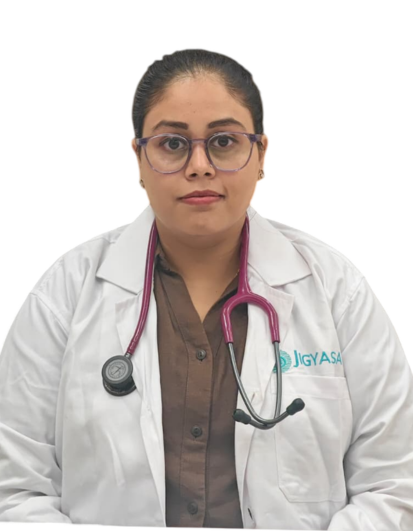
These questions are exactly why newborns have their own branch of medicine. If you are searching for a neonatologist in Moradabad, Jigyasa Hospital offers newborn and child care under Dr. Sana Ibad Khan, specialist in Pediatrics and Neonatology.
What Is a Neonatologist?
A neonatologist is a doctor who specialises in the care of newborn babies, especially in the first 28 days of life, called the neonatal period. Neonatologists are trained to look after babies who are:
• Born prematurely, before 37 weeks of pregnancy
• Born with low birth weight
• Having difficulty breathing, feeding, or maintaining body temperature
• Showing signs of infection or jaundice
• Born to mothers with pregnancy complications
• Born with a medical condition that needs early attention
A newborn's body is still adapting to life outside the womb. The lungs, liver, kidneys, digestive system, and immune system are still maturing. A small change that looks minor can be significant in a baby only a few days old, which is why specialist training is so valuable.
Neonatologist vs Pediatrician: What Is the Difference?
Parents often ask whether they need a pediatrician or a neonatologist. The simple answer:
• A pediatrician cares for children from infancy through adolescence.
• A neonatologist focuses on newborns, particularly premature or sick babies.
Dr. Sana Ibad Khan is trained in both Pediatrics and Neonatology. For parents, this means one doctor can guide your baby from the first days of life through the early years of childhood. Your baby's newborn history, such as birth weight, early feeding, or jaundice, is understood and remembered, rather than lost between different doctors.
Which Babies Should See a Neonatologist?
Every newborn benefits from a proper check-up, but some babies need closer specialist attention.
Premature babies: Babies born before 37 weeks may have underdeveloped lungs, difficulty feeding, trouble keeping warm, and a higher risk of infection.
Low birth weight babies: Babies who are smaller than expected need careful feeding plans and weight monitoring.
Babies with breathing difficulty: Fast breathing, grunting, or bluish colour after birth needs prompt medical assessment.
Babies with jaundice: Yellowing of the skin and eyes is common, but the level must be checked, and some babies need treatment.
Babies with feeding problems: Poor suckling, vomiting, or refusal to feed can signal a larger issue.
Babies with suspected infection: Fever, low temperature, unusual sleepiness, or poor activity in a newborn is always a reason to seek care urgently.
Babies born to mothers with health conditions: Maternal diabetes, high blood pressure, infections, or complicated deliveries can affect the newborn and call for monitoring.
Twins and multiple births: These babies are more likely to be born early or small.
If you are unsure whether your baby needs a specialist, it is always safer to ask.
Common Newborn Concerns and How a Neonatologist Helps
1. Newborn Jaundice
Jaundice makes a baby's skin and eyes look yellow. It is very common in the first week, and in many babies it is mild and settles on its own. However, jaundice can sometimes rise to levels that need treatment.
What parents should do: Do not rely on how yellow the baby looks. Have the baby examined, and see a doctor promptly if the yellow colour appears in the first 24 hours, spreads to the legs, or the baby is very sleepy or not feeding well.
2. Feeding Difficulties
Newborns may struggle with latching, tire quickly, or take too little milk. Mothers often worry about milk supply.
How a specialist helps: Assessing suckling, checking weight, advising on positioning and frequency, and recommending supplementary feeding if needed. Early guidance can prevent weight loss and dehydration.
3. Weight Loss and Weight Gain
It is normal for newborns to lose a little weight in the first days, but they should begin regaining it soon after. Poor weight gain needs attention.
4. Breathing Problems
Babies may breathe faster than adults, but laboured breathing, chest retractions, grunting, or bluish lips are warning signs. Premature babies are at higher risk of breathing difficulty.
5. Temperature Control
Newborns, especially small or premature ones, lose heat quickly. Keeping the baby warm, such as through skin-to-skin contact often called kangaroo mother care, helps.
6. Infections
A newborn's immune system is still developing. Infections can progress quickly, so any fever, low temperature, poor feeding, or unusual drowsiness needs urgent evaluation.
7. Low Blood Sugar
Some babies, particularly those who are small, premature, or born to mothers with diabetes, can develop low blood sugar and need monitoring.
8. Birth-Related Concerns
Some babies need extra observation after a difficult or assisted delivery. A neonatologist can assess and monitor the baby accordingly.
Understanding Premature Birth
A baby born before 37 weeks is considered premature. The earlier the birth, the more support the baby may need. Premature babies may face:
• Immature lungs and breathing difficulty
• Difficulty coordinating sucking, swallowing, and breathing
• Trouble maintaining body temperature
• Greater risk of infection
• Jaundice
• Low blood sugar
• Slower weight gain
With proper medical care, feeding support, and regular follow-up, many premature babies grow into healthy children. Close monitoring of growth, development, vision, and hearing as they grow helps catch concerns early.
Kangaroo mother care, holding the baby skin-to-skin against the parent's chest, is widely recommended for small and premature babies. It helps with warmth, bonding, and feeding, and your doctor will guide you on how to do it safely.
Warning Signs in a Newborn: Seek Help Immediately
Newborns can become unwell quickly. Go to the hospital immediately, or call 7900903333, if your baby:
• Has a fever, or feels unusually cold
• Is breathing fast, struggling to breathe, or has bluish lips or skin
• Refuses feeds or is feeding very poorly
• Is unusually sleepy, floppy, or hard to wake
• Has yellowing of the skin that is spreading rapidly or appeared on the first day
• Is vomiting repeatedly, especially if green
• Has a seizure or jerking movements
• Has very few wet diapers
• Has a swollen belly, bleeding, or a red, swollen, or discharging umbilical stump
• Cries continuously and cannot be consoled
Do not give any medicine, home remedy, or herbal preparation to a newborn without a doctor's advice.
The First Check-Up and Follow-Up Visits
Newborn care does not end when you leave the delivery room. Regular check-ups help ensure your baby is growing well.
First check-up: Usually soon after birth and again before or shortly after going home. The doctor checks the baby's weight, feeding, breathing, colour, reflexes, and overall condition.
Follow-up visits: In the first weeks, babies often need review of weight gain, jaundice, and feeding. Premature or low-birth-weight babies may need more frequent visits.
Vaccination: Your doctor will advise the schedule for early vaccines and the timing of the next doses.
Developmental monitoring: As your baby grows, the doctor will observe milestones and flag anything that needs attention.
Bring your baby's birth records and discharge summary to every visit so the doctor has the full picture.
Newborn Care at Home: Practical Guidance for Parents
Some simple practices help keep your newborn safe and comfortable. Always follow your own doctor's specific advice.
Hand hygiene: Wash your hands before touching the baby. Limit visitors, especially anyone with a cough, cold, or fever.
Feeding: Breastfeeding is generally recommended as the main source of nutrition in the early months. Feed on demand, and watch for wet diapers as a sign your baby is getting enough.
Sleep: Place the baby on their back to sleep, on a firm surface, without pillows, loose blankets, or soft toys.
Warmth: Dress the baby appropriately for the weather. Avoid both overheating and getting too cold.
Cord care: Keep the umbilical stump clean and dry, and follow your doctor's instructions about cleaning.
Bathing: Ask your doctor when to start regular baths and how to do it safely.
Skin care: Avoid applying powders, oils, or creams without advice, as some can irritate delicate skin.
Watch and note: Keep a simple record of feeds, wet diapers, stools, and sleep to share with the doctor.
Why Choose Jigyasa Hospital for Newborn and Neonatal Care?
Specialist Training in Both Pediatrics and Neonatology: Care from a doctor trained in both areas offers continuity from the newborn stage into childhood.
Multispeciality Hospital Support: Sometimes a newborn or mother needs input from another speciality. A multispeciality hospital makes coordination easier, and families do not need to move between different hospitals.
Easy Location: Jigyasa Hospital is on Rampur Road, near Miglani Cinema, Moradabad 244001, accessible for families across Moradabad and nearby towns such as Rampur, Sambhal, Amroha, Bijnor, and Chandausi.
Parent-Centred Communication: New parents have countless questions, and they deserve clear, patient answers. Explanations are given in simple Hindi or English so that you understand what is happening and what to do next.
For specific neonatal facilities, such as intensive care or admission services, please call the hospital on 7900903333 to confirm availability before you travel.
How to Prepare for Your Baby's Visit
• Call ahead: Dial 7900903333 to confirm timings, unless it is an emergency.
• Carry records: Birth or discharge summary, vaccination card, and any test reports.
• Note the concerns: Write down symptoms, feeding patterns, and questions.
• Pack baby essentials: Diapers, wipes, a change of clothes, a blanket, and feeding supplies.
• Bring support: If the mother is recovering after delivery, travel with a family member who can help.
• Keep the baby warm: Dress the baby appropriately for the weather, and avoid crowded places where possible.
Specialist Training in Both Pediatrics and Neonatology
Care from a doctor trained in both areas offers continuity from the newborn stage into childhood.
Multispeciality Hospital Support
Sometimes a newborn or mother needs input from another speciality. A multispeciality hospital makes coordination easier.
Care for Premature and Low-Birth-Weight Babies
Newborns who are born early, small, or need extra monitoring can receive focused assessment, feeding guidance, and follow-up.
Early Detection of Newborn Concerns
Jaundice, feeding difficulty, breathing changes, temperature instability, and infection signs can be assessed promptly.
Structured Follow-Up
Regular reviews help track weight gain, feeding, jaundice, vaccination, and developmental progress over time.
Easy Location in Moradabad
Jigyasa Hospital is on Rampur Road, near Miglani Cinema, and is accessible for families from Moradabad and nearby towns.
Book a Newborn Consultation with Dr. Sana Ibad Khan
If your baby is premature, has low birth weight, has jaundice, is feeding poorly, or needs a newborn check-up, early specialist guidance can help you act at the right time.
Dr. Sana Ibad Khan at Jigyasa Hospital provides Pediatrics and Neonatology care with clear communication and family-friendly support.
Address
Near Miglani Cinema, Rampur Road, Moradabad 244001
Phone
7900903333Frequently Asked Questions About Neonatal Care
Who is a neonatologist?
A neonatologist is a doctor who specialises in the medical care of newborn babies, especially premature, low-birth-weight, or sick newborns.
Is there a neonatologist in Moradabad?
Dr. Sana Ibad Khan, a specialist in Pediatrics and Neonatology, practises at Jigyasa Hospital, Moradabad.
When should I take my newborn to a neonatologist?
Take your baby for a check-up soon after birth, and consult a specialist promptly if your baby is premature, small, jaundiced, feeding poorly, breathing fast, or showing any warning signs.
Is newborn jaundice dangerous?
Mild jaundice is common and often settles by itself, but higher levels can be harmful and need treatment. Always have a jaundiced baby assessed by a doctor.
Is a premature baby always unhealthy?
Not necessarily. Many premature babies grow up healthy with proper care and follow-up, though they may need extra monitoring and support in the early months.
What is kangaroo mother care?
It is a method of holding the baby skin-to-skin against the parent's chest. It helps keep the baby warm, supports feeding, and strengthens bonding. Ask your doctor for guidance.
How often should I feed my newborn?
Newborns usually feed frequently, including at night. Your doctor will guide you on the right pattern for your baby, and wet diapers help show whether feeding is adequate.
Should I give my newborn water, honey, or gripe water?
Do not give anything other than milk without your doctor's advice. Some home remedies can be unsafe for newborns.
Why Patients Choose Us
- 24/7 Emergency & Trauma Care
- Top Specialist Doctors
- Modern ICU & Operation Theatres
- Transparent & Affordable Pricing
- Ayushman Bharat Empanelled
- Cashless Insurance Support
- Multispeciality Under One Roof
Our Location
Near Miglani Cinema,
Rampur Road,
Moradabad 244001