
Pediatric Ophthalmologist in Moradabad — Specialised Eye Care for Children with Dr. Deeksha Singh at Jigyasa Hospital
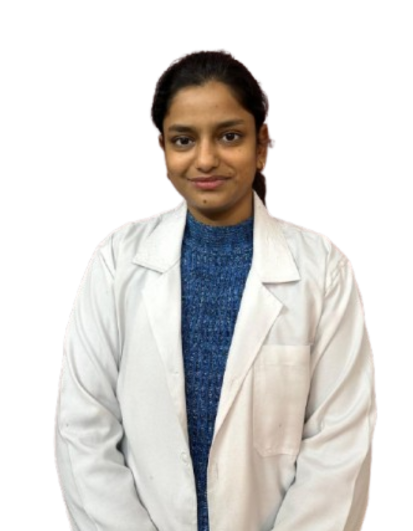
Children's eyes are not simply smaller versions of adult eyes. They are still developing, which means eye problems in childhood need to be identified and treated differently — and often more urgently — than similar issues in adults. A pediatric ophthalmologist is a specialist trained to recognise, diagnose, and manage the unique range of eye conditions that affect infants, toddlers, and growing children. In Moradabad, Jigyasa Hospital offers dedicated pediatric eye care under Dr. Deeksha Singh, combining child-friendly examination techniques with medically sound, age-appropriate treatment plans.
This article explains why pediatric eye care is so important, the conditions commonly seen in children, how examinations are adapted for young patients, and why families across Moradabad and the surrounding region trust Jigyasa Hospital with their children's vision.
Why Children Need a Different Kind of Eye Care
Unlike adults, children usually cannot describe their visual problems clearly. A young child with blurred vision in one eye may not complain at all, simply because they have never experienced clear vision in that eye and have nothing to compare it to. This is one of the central challenges of pediatric eye care — many conditions are silent, and by the time they become obvious to parents or teachers, a valuable window for treatment may have already narrowed.
The visual system develops rapidly from birth through the early school years. This is often called the "critical period" of visual development, during which the brain and eyes are forming the neural connections responsible for lifelong vision. Conditions that interfere with clear, well-aligned visual input during this period — such as squint, significant refractive errors, or a cloudy lens — can lead to permanent vision loss in the affected eye if not addressed in time, a condition known as amblyopia or "lazy eye." This is precisely why pediatric ophthalmology exists as its own specialised field: early detection and prompt, age-appropriate treatment can prevent lifelong visual impairment that would otherwise be irreversible.
Common Eye Conditions in Children
A pediatric ophthalmologist is trained to manage a wide range of conditions, from routine vision problems to more complex congenital issues. Some of the most frequently seen conditions include:
Key Pediatric Eye Conditions
- • Refractive Errors: Short-sightedness (myopia), long-sightedness (hyperopia), and astigmatism are common in children and can affect academic performance, concentration, and even behaviour if left uncorrected. Many children with refractive errors are simply assumed to be inattentive or slow learners, when in fact they are struggling to see clearly.
- • Squint (Strabismus): Misalignment of the eyes, where one eye turns inward, outward, up, or down, is one of the most common reasons children are referred to a pediatric ophthalmologist. Left untreated, squint can lead to amblyopia and loss of binocular depth perception.
- • Amblyopia (Lazy Eye): This occurs when the brain favours one eye over the other, often due to squint, a significant difference in refractive error between the two eyes, or an obstruction to vision such as a congenital cataract. Amblyopia is most effectively treated in early childhood, making timely diagnosis critical.
- • Congenital Cataracts: Some children are born with, or develop early in life, a clouding of the natural lens of the eye. Because clear visual input is essential during infancy for normal visual development, congenital cataracts often require prompt evaluation and, in many cases, early surgical intervention.
- • Blocked Tear Ducts: Watering, sticky, or crusty eyes in infants are commonly caused by a blocked nasolacrimal (tear) duct. While many cases resolve on their own within the first year, persistent symptoms may need further evaluation and, occasionally, a simple in-office procedure.
- • Ptosis (Drooping Eyelid): A drooping upper eyelid, whether present from birth or developing later, can sometimes obstruct a child's vision and requires assessment to determine if it is affecting visual development.
- • Eye Infections and Allergies: Conjunctivitis, styes, and allergic eye conditions are common in children, particularly those in school or daycare settings, and typically respond well to appropriate treatment.
- • Retinopathy of Prematurity (ROP): Premature infants, particularly those born very early or with low birth weight, are at risk of abnormal blood vessel development in the retina. Screening for ROP is an important part of care for premature babies and requires timely, specialised evaluation.
Signs Parents Should Never Ignore
Because young children often cannot articulate vision problems, parents and caregivers play a crucial role in spotting early warning signs. It is worth scheduling an eye evaluation if you notice:
Warning Signs to Watch For
- • One eye turning inward, outward, up, or down, even occasionally
- • Frequent squinting, blinking, or closing one eye
- • Holding books, tablets, or objects unusually close to the face
- • Sitting very close to the television
- • Tilting or turning the head to see better
- • Persistent watering, redness, or discharge from the eyes
- • White or unusual reflection in photographs instead of the normal red-eye effect
- • Complaints of headaches, eye strain, or tired eyes after reading
- • Poor hand-eye coordination or clumsiness
- • Difficulty in school linked to reading, copying from the board, or general concentration
- • A family history of squint, amblyopia, high refractive errors, or other eye conditions
None of these signs automatically means a serious problem is present, but each is a good reason for a proper evaluation rather than a "wait and see" approach.
Recommended Eye Check-Up Schedule for Children
Because many childhood eye conditions do not cause obvious symptoms, routine screening — not just symptom-based visits — is an important part of pediatric eye care. As a general guide:
Age-Based Screening Guidelines
- • Newborns: A basic eye examination is typically performed shortly after birth to check for any obvious structural concerns.
- • 6–12 months: An assessment to check for normal visual development, eye alignment, and any early red flags is recommended, particularly for infants born prematurely or with a family history of eye conditions.
- • Around age 3: A more detailed check-up, including a basic assessment of vision and eye alignment, is recommended as children reach an age where this becomes easier to test.
- • Before starting school (age 5–6): A comprehensive eye examination helps ensure children begin their academic years with clear, comfortable vision.
- • Ongoing school-age check-ups: Periodic eye examinations, roughly every one to two years or as advised, help catch developing refractive errors or other changes early.
Children with a family history of squint, amblyopia, or high refractive errors, or those born prematurely, may need more frequent or earlier evaluation, as advised by the treating ophthalmologist.
How a Pediatric Eye Examination Works at Jigyasa Hospital
Examining a young child's eyes requires patience, specialised techniques, and a calm, reassuring approach — very different from a standard adult eye exam. At Jigyasa Hospital, pediatric evaluations are adapted to the child's age and comfort level and typically include:
History from Parents
1. Including birth history, developmental milestones, family eye history, and any specific concerns noticed at home.
Age-Appropriate Visual Acuity Testing
2. Using picture charts, matching tests, or preferential looking techniques for infants who cannot yet identify letters.
Eye Alignment and Movement Assessment
3. Checking for squint using techniques suited to a child's attention span, such as observing how the eyes respond to a toy or light.
Refraction Testing
4. Often performed using techniques that do not require verbal responses from the child, allowing accurate measurement even in very young patients.
Examination of the Front and Back of the Eye
5. Checking the cornea, lens, and retina for any structural concerns, sometimes using dilating eye drops to get a clearer view.
Screening for ROP
6. For premature infants, where relevant, screening for retinopathy of prematurity is an important part of care.
Every effort is made to keep the examination as comfortable and non-threatening as possible, since a positive early experience with eye care can make a real difference in how willingly a child cooperates with future check-ups and treatment.
Treatment Approaches for Children
Once a diagnosis is made, treatment plans are tailored specifically for the child's age, condition, and stage of visual development. Common approaches include:
Common Pediatric Treatments
- • Glasses: Correctly prescribed spectacles are often the first step for refractive errors and can also play a role in correcting certain types of squint.
- • Patching (Occlusion) Therapy: Used to treat amblyopia by encouraging the brain to strengthen the weaker eye.
- • Vision Therapy: Structured exercises to improve eye coordination, particularly for certain types of squint or focusing difficulties.
- • Medical Treatment: Eye drops or other medication for infections, allergies, or inflammation.
- • Minor Procedures: Such as tear duct probing for persistent blocked tear ducts.
- • Surgery: For conditions like significant squint, congenital cataracts, or ptosis affecting vision, surgical correction may be recommended, planned carefully around the child's age and development.
Throughout treatment, parents are kept closely involved and informed, since consistent follow-through at home — such as ensuring a child wears glasses or completes patching therapy as advised — plays a major role in successful outcomes.
Specialised Pediatric Evaluation
Examinations are adapted to a child's age and comfort, using age-appropriate testing methods such as picture charts and observation-based techniques rather than adult-style assessments.
Comprehensive Diagnostic Work-Up
From refraction to alignment to detailed eye health checks, no aspect of a child's visual development is overlooked, ensuring early detection of conditions that could affect lifelong vision.
Individualised Treatment Planning
Whether the need is glasses, patching, vision therapy, or surgery, each plan is built around the specific child rather than a generic protocol, with clear guidance for parents.
Integrated Hospital Support
As part of a multispeciality hospital, coordinated care with pediatricians or other specialists is available when a child's eye condition is linked to a broader health concern.
Convenient, Accessible Location
Located on Rampur Road near Miglani Cinema, the hospital is centrally reachable for families across Moradabad and neighbouring districts including Rampur, Sambhal, and Amroha.
Why Choose Jigyasa Hospital for Your Child's Eye Care in Moradabad
Families across Moradabad, Rampur, Amroha, and Sambhal choose Jigyasa Hospital for pediatric eye care because of the combination of clinical thoroughness and a genuinely child-friendly approach.
What Sets Jigyasa Hospital Apart
- • Specialised pediatric evaluation: Examinations are adapted to a child's age and comfort, using age-appropriate testing methods rather than adult-style assessments.
- • Comprehensive diagnostic work-up: From refraction to alignment to detailed eye health checks, no aspect of a child's visual development is overlooked.
- • Individualised treatment planning: Whether the need is glasses, patching, vision therapy, or surgery, each plan is built around the specific child rather than a generic protocol.
- • Clear, ongoing communication with parents: Every diagnosis and treatment step is explained in accessible language, so parents understand what to expect and how to support their child's care at home.
- • Integrated hospital support: As part of a multispeciality hospital, coordinated care with pediatricians or other specialists is available when a child's eye condition is linked to a broader health concern.
- • Convenient, accessible location: Located on Rampur Road near Miglani Cinema, the hospital is centrally reachable for families across the city and neighbouring districts.
Serving Moradabad and the Surrounding Region
Jigyasa Hospital's accessible location on Rampur Road, near Miglani Cinema, brings quality pediatric ophthalmological care within reach for families across Moradabad and the wider region, including Rampur, Sambhal, Amroha, and nearby districts. This accessibility means families don't need to travel long distances to access thorough, child-friendly eye care.
Book an Appointment with Dr. Deeksha Singh
Jigyasa Hospital offers comprehensive pediatric eye care under the guidance of Dr. Deeksha Singh. Child-friendly examinations and age-appropriate treatment plans can help protect your child's vision and support healthy visual development.
Near Miglani Cinema, Rampur Road, Moradabad 244001
Call Now
7900903333Frequently Asked Questions
At what age should my child have their first eye check-up?
A basic newborn eye check is typically done shortly after birth, with further evaluations recommended around 6–12 months, age 3, and before starting school — earlier or more frequently if there is a family history of eye conditions or the child was born prematurely.
My child doesn't complain about their eyes — do they still need a check-up?
Yes. Many childhood eye conditions, including significant refractive errors and early squint, cause no obvious complaints, especially since children often don't realise their vision is different from normal.
Is it normal for a baby's eyes to look slightly misaligned?
It can be. Many infants have a temporary or false appearance of squint due to a broad nasal bridge (pseudo-squint), but this should still be evaluated by a professional to rule out true misalignment.
How is an eye exam done on a child too young to read letters?
Pediatric ophthalmologists use age-appropriate tools such as picture charts, matching symbols, and observation-based techniques to assess vision and alignment without requiring a child to read.
Can glasses correct squint in children?
In some cases, yes — particularly when the squint is related to uncorrected long-sightedness. This is determined through a full eye examination.
What happens if amblyopia isn't treated in time?
If left untreated beyond the critical period of visual development, amblyopia can result in permanent reduced vision in the affected eye, even if the underlying cause is later corrected.
What are the signs of vision problems in children?
Common signs include one eye turning inward or outward, frequent squinting or blinking, holding books unusually close, sitting very close to the television, tilting the head to see better, persistent watering or redness, poor hand-eye coordination, and difficulty in school linked to reading or concentration.
How can I book an appointment with Dr. Deeksha Singh at Jigyasa Hospital?
You can reach Jigyasa Hospital at 7900903333 or visit the hospital directly at Rampur Road, Near Miglani Cinema, Moradabad, to schedule an eye consultation.
Why Patients Choose Us
- 24/7 Emergency & Trauma Care
- Top Specialist Doctors
- Modern ICU & Operation Theatres
- Transparent & Affordable Pricing
- Ayushman Bharat Empanelled
- Cashless Insurance Support
- Multispeciality Under One Roof
Our Location
Near Miglani Cinema,
Rampur Road,
Moradabad 244001