
Post-Burn Reconstruction Surgery in Moradabad — Expert Care by Dr. Anil Rajput at Jigyasa Hospital
Surviving a serious burn injury is only the beginning of the recovery journey. Once the initial wound has healed, many patients are left with tight, restrictive scar tissue, joint contractures that limit movement, and changes in appearance that can affect both function and confidence for years afterward.
Post-burn reconstructive surgery addresses this second phase of recovery by restoring movement, function, and a more natural appearance once the acute injury has stabilised.
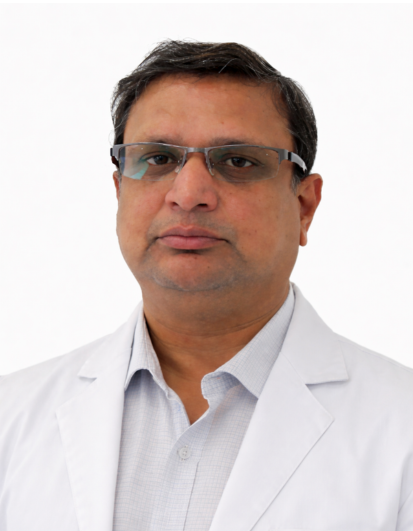
For residents of Moradabad, Rampur, Sambhal, Amroha, and Bijnor, post-burn reconstruction is available locally at Jigyasa Hospital, located on Rampur Road near Miglani Cinema, Moradabad, under the care of Dr. Anil Rajput, Plastic Surgeon, supported by NABL-accredited diagnostics and round-the-clock hospital infrastructure.
What Is Post-Burn Reconstruction?
Post-burn reconstruction refers to a range of surgical techniques used to address the after-effects of burn injuries once the initial wound has healed. While emergency burn care focuses on saving life and closing the wound, reconstructive surgery focuses on the longer-term consequences, including restrictive scarring, contractures, and functional or cosmetic changes that may continue affecting patients well after the burn itself has healed.
Post-burn reconstruction commonly addresses:
- • Contractures, which are tight scar bands that restrict joint movement, especially at the neck, elbows, hands, and knees.
- • Hypertrophic and keloid scarring resulting from the burn.
- • Facial burn deformities, including changes to the eyelids, lips, or nose.
- • Loss of skin coverage requiring grafting or flap reconstruction.
- • Functional limitations affecting hand use, mouth opening, or neck movement.
- • Cosmetic concerns related to burn scarring, pigment changes, or tissue loss.
Types of Post-Burn Reconstruction Offered
1. Contracture Release Surgery
Contracture release addresses tight scar bands restricting movement at joints such as the neck, elbow, wrist, hand, or knee. The tightened scar tissue is surgically released to restore range of motion, with the resulting defect covered using a graft or flap as needed.
2. Skin Grafting for Burn Reconstruction
Skin grafting is used to cover defects remaining after contracture release or to replace areas of significant scarring. Split-thickness or full-thickness grafts may be selected depending on the location and depth of coverage required.
3. Flap Reconstruction
Flap reconstruction may be recommended for areas requiring more durable and better-vascularised coverage than a graft can provide. Local or regional flaps bring tissue along with its own blood supply, particularly useful over joints or areas with exposed deeper structures.
4. Facial Burn Reconstruction
Facial reconstruction addresses burn-related changes to the eyelids, lips, nose, or facial contour. Techniques are tailored to each affected structure, such as eyelid reconstruction for outward pulling or lip reconstruction to restore mouth opening and function.
5. Hand Burn Reconstruction
Because hand function is essential to daily life, hand burns often receive focused reconstructive attention. Treatment may address webbing between fingers, restricted finger movement, or grip limitations caused by scar contracture.
6. Scar Revision and Resurfacing
For burn scars that have healed with significant texture or pigment irregularity, scar revision and resurfacing techniques may help improve appearance once functional concerns have been addressed.
7. Staged Reconstruction for Extensive Burns
For patients with large burn areas or multiple affected sites, reconstruction is often planned as a series of staged procedures over time rather than a single surgery. The most functionally significant areas are generally prioritised first.
The right combination and sequence of procedures depends on the burn's location, depth, extent, and how it has healed. All these factors are carefully assessed during consultation with Dr. Anil Rajput.
Who Is a Good Candidate?
Post-burn reconstruction may be suitable for you if:
- • You have tight scar bands limiting movement at a joint, such as difficulty straightening your elbow, neck, or fingers.
- • You have burn-related changes to your eyelids, lips, or facial structure affecting function or appearance.
- • You have significant burn scarring affecting your confidence or daily activities.
- • Your acute burn wound has healed, and you are now in the recovery and rehabilitation phase.
- • You are in good general health with realistic expectations about the staged nature of reconstruction for extensive burns.
For most patients, reconstructive surgery is planned once the burn wound and surrounding scar tissue have reached an appropriate stage of maturity. Contractures affecting function may sometimes need earlier intervention, and the timing is assessed individually.
Reconstructive Plastic Surgery Expertise
Dr. Anil Rajput provides specialist care for burn contractures, restrictive scars, facial deformities, hand burns, and other post-burn concerns.
Individualised Reconstruction Planning
Each treatment plan is based on the burn's location, depth, extent, healing pattern, functional limitations, and the patient's priorities.
NABL-Accredited Diagnostics
Pre-surgical testing and investigations are processed through the hospital's NABL-accredited laboratory for accuracy and reliability.
Function-Focused Recovery
Surgery, physiotherapy, splinting, and follow-up care are coordinated to help restore movement and maintain functional improvement.
Trusted Care in Moradabad
Patients from Moradabad, Rampur, Sambhal, Amroha, Bijnor, and nearby districts visit Jigyasa Hospital for post-burn reconstruction close to home.
Consultation and Pre-Surgical Evaluation at Jigyasa Hospital
Every post-burn reconstruction case at Jigyasa Hospital begins with a comprehensive evaluation by Dr. Anil Rajput, covering:
1. Burn Injury and Treatment Review
A detailed review of the original burn injury, treatment received, healing progress, and current functional or cosmetic concerns.
2. Physical and Functional Assessment
A physical assessment of affected areas, including range of motion at involved joints and the characteristics of the scar tissue.
3. Treatment Priority Discussion
A discussion of priorities. Since extensive burns often require staged treatment, functional concerns are typically addressed before cosmetic refinement.
4. Donor Site Planning
A review of suitable donor site options for any grafting or flap procedures that may be required.
5. Photographic Documentation
Photographic documentation to support treatment planning and track progress across staged procedures.
6. Pre-Operative Investigations
Pre-operative investigations processed through the hospital's NABL-accredited laboratory to confirm surgical fitness.
7. Complete Treatment Roadmap
A clear walkthrough of the overall treatment plan, expected timeline, rehabilitation requirements, and what to expect at each stage.
Because post-burn reconstruction often involves multiple procedures over time, this evaluation typically results in a broader treatment roadmap rather than a single-surgery plan.
The Procedure
Post-burn reconstructive procedures at Jigyasa Hospital are performed under the care of the anesthesia and surgical team, using local, regional, or general anesthesia depending on the procedure's extent and location.
For contracture release, the tightened scar band is surgically divided, allowing the joint or affected area to move through a fuller range of motion. The resulting defect is then covered using a skin graft or, where more durable coverage is needed, a local or regional flap.
For facial reconstruction, techniques are tailored to the specific structure involved. This may include eyelid reconstruction to correct outward pulling or lip reconstruction to restore normal mouth opening and function.
For extensive burns, procedures are often sequenced across multiple surgical sessions, prioritising the areas with the greatest functional impact first.
Procedure time and hospital stay vary considerably based on the extent and complexity of reconstruction needed. Extensive cases may involve a series of planned admissions over several months.
Recovery Timeline
Recovery from post-burn reconstruction depends heavily on the specific procedure and extent of surgery, but generally includes:
- • First 1–2 weeks: Close monitoring of graft or flap healing, wound care, and management of post-surgical discomfort at both the treated site and any donor areas.
- • Weeks 2–4: Gradual introduction of physiotherapy and gentle mobilisation, particularly important following contracture release to maintain the newly gained range of motion.
- • Months 1–3: Continued physiotherapy and splinting where recommended. Maintaining movement gains after contracture release requires consistent follow-through along with the surgery itself.
- • Months 3–6: Further healing and scar maturation, with ongoing assessment of function and appearance.
- • Beyond 6 months: For patients undergoing staged reconstruction, subsequent procedures are planned based on healing progress and remaining priorities from the original treatment roadmap.
Patients are strongly advised to commit to prescribed physiotherapy and splinting regimens. Post-burn reconstruction outcomes, particularly after contracture release, depend heavily on consistent rehabilitation alongside the surgery itself and attendance at all scheduled follow-up visits.
Risks and Realistic Expectations
As with any reconstructive surgical procedure, post-burn reconstruction carries risks discussed openly during consultation. These can include graft or flap complications, recurrence of contracture if rehabilitation is not consistently followed, changes in skin sensation, and the need for further staged procedures in extensive cases.
Anesthesia-related risks, though uncommon, are also part of informed consent. The specific risks depend on the procedure, the affected body area, the patient's overall health, and whether grafting or flap reconstruction is required.
Patients should understand that post-burn reconstruction, particularly for extensive burns, is often a longer journey involving multiple procedures and dedicated rehabilitation rather than a single surgery with an immediate final result. Dr. Anil Rajput's approach at Jigyasa Hospital emphasises prioritising functional recovery first, with cosmetic refinement addressed as reconstruction progresses.
Why Choose Jigyasa Hospital for Post-Burn Reconstruction in Moradabad
- • Local access to specialist reconstructive plastic surgery care, with no need to travel to Delhi, Lucknow, or other metro cities for a complex and often multi-stage treatment journey.
- • NABL-accredited diagnostic lab for accurate and reliable pre-surgical testing throughout the treatment course.
- • 24/7 emergency care on-site, important because burn reconstruction patients may need urgent care at different points in their recovery journey.
- • Ayushman Bharat PM-JAY empanelment, applicable to eligible reconstructive cases depending on scheme classification.
- • Wide regional catchment, serving patients from Moradabad, Rampur, Sambhal, Amroha, and Bijnor.
- • Staged, priority-based treatment planning for patients with extensive burns requiring multiple procedures over time.
Common Myths About Post-Burn Reconstruction
Myth: Reconstruction is only about improving appearance. Reality: Restoring function, including movement at joints, hand use, mouth opening, and eyelid closure, is often the primary goal of post-burn reconstruction. Cosmetic improvement is addressed alongside functional recovery.
Myth: One surgery can address all burn-related concerns. Reality: For extensive burns, reconstruction is typically planned as a series of staged procedures over months or longer, with the most functionally significant areas prioritised first.
Myth: Once the wound has healed, no further treatment is needed. Reality: Contractures and functional limitations can develop or worsen in the months after a burn wound closes. This is why reconstructive follow-up remains important after initial healing.
Myth: Physiotherapy is not necessary if you have had surgery. Reality: Consistent physiotherapy and splinting after contracture release are essential to maintaining the movement gained through surgery. Skipping rehabilitation can significantly increase the risk of contracture returning.
Myth: Burn scars and their functional effects cannot be improved years later. Reality: Post-burn reconstruction can often meaningfully improve function and appearance even years after the original injury. Outcomes and treatment approach depend on individual assessment.
Book an Appointment with Dr. Anil Rajput
Jigyasa Hospital offers specialist post-burn reconstructive surgery under the guidance of Dr. Anil Rajput. Whether you need treatment for a burn contracture, restrictive scar, facial burn deformity, hand function limitation, or another post-burn concern, a personalised evaluation can help determine the most suitable treatment plan.
Near Miglani Cinema, Rampur Road, Moradabad 244001
Call Now
7900903333Frequently Asked Questions
How soon after a burn injury can reconstruction begin?
This depends on the specific concern. Contractures affecting function may sometimes need earlier intervention, while most other reconstruction is planned once the burn and surrounding scar tissue have reached appropriate maturity, assessed individually.
Is post-burn reconstruction painful?
Pain is managed with appropriate anesthesia during surgery and prescribed medication afterward. Physiotherapy following contracture release can cause some discomfort as movement is restored, which is a normal part of the rehabilitation process.
How many surgeries are typically needed for burn reconstruction?
This varies enormously based on the extent of the original burn. Some patients need a single procedure, while others with extensive burns require a staged series of surgeries planned over an extended period.
Will physiotherapy be needed after surgery?
Yes. Particularly after contracture release, physiotherapy and often splinting are essential to maintaining the range of motion gained through surgery.
Can post-burn reconstruction restore full hand function after a severe hand burn?
The degree of functional restoration depends on the severity and pattern of the original injury. This is assessed individually, with reconstruction aimed at achieving the best possible functional outcome for each specific case.
Is post-burn reconstruction covered under government health schemes?
Many reconstructive burn cases may be eligible under PM-JAY empanelment depending on scheme classification. Eligibility is assessed individually for each case.
Can facial burn scars and deformities be corrected?
Yes. Facial burn reconstruction techniques can address specific structures such as the eyelids, lips, or nose affected by burn scarring, with the approach tailored to the particular deformity.
Is it too late for reconstruction if my burn injury happened years ago?
No. Post-burn reconstruction can often meaningfully help even years after the original injury. The approach and expected improvement are assessed individually based on your specific situation.
Why Patients Choose Us
- 24/7 Emergency & Trauma Care
- Top Specialist Doctors
- Modern ICU & Operation Theatres
- Transparent & Affordable Pricing
- Ayushman Bharat Empanelled
- Cashless Insurance Support
- Multispeciality Under One Roof
Our Location
Near Miglani Cinema,
Rampur Road,
Moradabad 244001