
Psoriasis Treatment in Moradabad – Expert Dermatology Care at Jigyasa Hospital
Understanding Psoriasis and Its Impact
Psoriasis is more than just a skin condition — it is a chronic autoimmune disorder that affects millions of people across India, causing physical discomfort, emotional distress, and a significant drop in quality of life.
If you or a loved one in Moradabad is struggling with red, scaly patches, persistent itching, or painful flare-ups, you deserve specialised care from a trusted dermatologist.
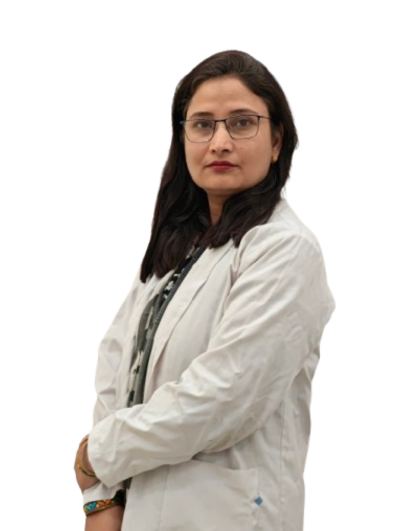
At Jigyasa Hospital, Moradabad, Dr. Abida provides comprehensive, evidence-based psoriasis treatment tailored to each patient's unique condition, severity, and lifestyle, from first-time diagnosis to long-term management.
What Is Psoriasis? Understanding the Condition
Psoriasis is a chronic, non-contagious autoimmune skin disease in which the immune system mistakenly attacks healthy skin cells, accelerating their growth cycle.
Psoriasis is commonly characterised by:
- • Rapid skin cell turnover, where new skin cells form in just 3–5 days instead of the normal 28–30 days
- • Thick, red, inflamed patches covered with silvery-white scales
- • Involvement of the scalp, elbows, knees, lower back, face, nails, palms, and soles
- • Relapsing and remitting symptoms, with flare-ups followed by periods of remission
- • A completely non-contagious pattern that does not spread through touch or shared items
Accurate diagnosis and early treatment help reduce symptoms, control flare-ups, and protect long-term skin and joint health.
Types of Psoriasis Treated at Jigyasa Hospital
Plaque Psoriasis
The most common form, accounting for nearly 80–90% of all cases. It appears as raised, red patches covered with thick, silvery scales, commonly seen on the elbows, knees, scalp, and lower back.
Scalp Psoriasis
Affects the scalp and may extend to the forehead, neck, and around the ears. It often causes dandruff-like flaking, itching, and discomfort, and is sometimes mistaken for severe dandruff.
Guttate Psoriasis
Appears as small, drop-shaped red spots across the torso, arms, and legs. It often develops suddenly after infections such as streptococcal throat infection and is more common in children and young adults.
Inverse Psoriasis
Found in skin folds such as the armpits, groin, under the breasts, and around the genitals. It appears as smooth, red, shiny patches and is aggravated by friction and sweating.
Pustular and Erythrodermic Psoriasis
Pustular psoriasis is characterised by white pustules surrounded by red skin, while erythrodermic psoriasis is a rare but serious form that causes widespread redness, peeling, and severe discomfort and requires urgent medical care.
Nail Psoriasis and Psoriatic Arthritis
Psoriasis may also affect the nails, causing pitting, discolouration, and nail separation. Some patients also develop psoriatic arthritis, leading to joint pain, stiffness, and swelling that need early treatment.
Causes and Triggers of Psoriasis
While the exact cause of psoriasis is not fully understood, it is widely accepted as a genetically influenced autoimmune condition involving immune dysfunction and accelerated skin cell turnover.
A family history of psoriasis significantly increases risk, and overactivity of T-cells contributes to inflammation and plaque formation.
Common psoriasis triggers include:
- • Stress and anxiety
- • Skin injury such as cuts, burns, and insect bites
- • Infections, especially streptococcal throat infection
- • Certain medicines including lithium, beta-blockers, antimalarials, and NSAIDs
- • Alcohol and smoking
- • Hormonal changes during puberty, pregnancy, and menopause
- • Cold and dry weather
- • Obesity, which can worsen severity and flare frequency
Understanding personal triggers is an important part of the treatment plan, and Dr. Abida helps patients identify and manage them alongside medical therapy.
Psoriasis Diagnosis at Jigyasa Hospital, Moradabad
Accurate diagnosis is the first and most important step in effective psoriasis management. Dr. Abida follows a thorough assessment process to confirm the diagnosis and identify the exact type and extent of disease.
Detailed Clinical Evaluation
Assessment includes medical history, family history, examination of the skin lesions, and review of previous symptoms or treatments.
Scalp, Nail, and Joint Assessment
Examination of the scalp and nails helps identify less obvious psoriasis patterns, while joint screening helps detect psoriatic arthritis early.
Dermoscopy, Biopsy, and Supporting Tests
Dermoscopy offers a detailed non-invasive skin assessment. A biopsy or blood tests may be advised when needed to confirm diagnosis or rule out other conditions.
Psoriasis Treatment Options at Jigyasa Hospital
At Jigyasa Hospital, Dr. Abida follows a stepwise and personalised treatment approach based on the type of psoriasis, severity, body surface area involved, and the patient's overall health and lifestyle.
Topical Treatments
For mild-to-moderate psoriasis, treatment may include topical corticosteroids, vitamin D analogues, coal tar, salicylic acid, calcineurin inhibitors, retinoids, and daily moisturisers or emollients.
Phototherapy
For moderate-to-severe psoriasis or cases not responding to topicals, phototherapy options may include Narrowband UVB, PUVA, and targeted light therapy under careful supervision.
Systemic Medicines
Oral or injectable medicines such as methotrexate, cyclosporine, acitretin, and apremilast may be recommended for more extensive disease or psoriatic arthritis.
Biologic Therapy
Advanced biologic treatments target specific immune pathways and may be advised for severe psoriasis and psoriatic arthritis after proper screening, counselling, and follow-up.
Specialised Treatment for Scalp, Nail, and Joint Symptoms
Scalp Psoriasis Care
Scalp psoriasis may require medicated shampoos, topical corticosteroid solutions or foams, salicylic acid preparations, and calcipotriol-based treatment.
Nail Psoriasis Management
Nail psoriasis may be treated with carefully applied topical therapy, intralesional corticosteroid injections, or systemic medication in more severe cases.
Psoriatic Arthritis Support
Dr. Abida coordinates care with rheumatology specialists where required so that joint symptoms can be managed through anti-inflammatory medicines, DMARDs, and biologics when needed.
Lifestyle and Dietary Guidance for Psoriasis Patients
Effective psoriasis management goes beyond prescriptions. Lifestyle, skin care, diet, and stress control all play an important role in improving outcomes and reducing flare-ups.
Diet and Weight Management
An anti-inflammatory diet rich in fruits, vegetables, whole grains, and omega-3 fats may help support overall skin health, while reducing processed foods, refined sugar, and excess alcohol can be beneficial.
Daily Skin Care
Patients are advised to moisturise daily, use gentle cleansers, avoid very hot showers, pat skin dry, and protect the skin from irritation and sunburn.
Stress Control and Trigger Avoidance
Yoga, meditation, exercise, quitting smoking, limiting alcohol, avoiding skin trauma, and treating infections promptly are all important parts of long-term psoriasis control.
Why Choose Jigyasa Hospital for Psoriasis Treatment in Moradabad?
Patients from Moradabad and nearby areas including Sambhal, Amroha, Rampur, and Bijnor trust Jigyasa Hospital for dermatology care because treatment is personalised, accessible, and guided by specialist expertise.
Dr. Abida focuses on accurate diagnosis, individualised treatment plans, regular follow-up, and patient education so each person understands both the disease and the path to long-term control.
The hospital combines compassionate care, advanced dermatology evaluation, and a wide range of medical options under one roof, reducing the need to travel outside Moradabad for specialist support.
Living with Psoriasis: What Patients Should Know
Psoriasis Is Lifelong but Manageable
Psoriasis may not have a permanent cure, but it is highly treatable. Many patients achieve excellent control and long remission periods with the right medical care.
Consistency Matters
Following your prescribed treatment plan, avoiding triggers, and attending regular follow-ups can make a major difference in long-term skin control.
Mental and General Health Matter Too
Psoriasis may affect self-esteem and emotional well-being, and it is also linked with conditions such as diabetes, cardiovascular disease, and metabolic syndrome, making broader health care important.
Book Your Psoriasis Consultation in Moradabad
Do not let psoriasis control your life. Effective, personalised treatment is available right here in Moradabad.
Dr. Abida and the dermatology team at Jigyasa Hospital provide diagnosis, medical treatment, flare management, and long-term support for psoriasis patients.
Specialist: Dr. Abida - Dermatologist, Jigyasa Hospital, Moradabad.
Call Now
7900903333Hospital Address
Jigyasa Hospital, Near Miglani Cinema, Rampur Road, Moradabad 244001
Email Us
info@jigyasahospital.inAdvanced Psoriasis Treatments at Jigyasa Hospital
Phototherapy Protocols
Narrowband UVB, PUVA, and targeted phototherapy are used in carefully selected patients to reduce inflammation and slow abnormal skin cell growth.
Systemic Medication Planning
For patients with extensive or resistant psoriasis, systemic medicines are chosen carefully with monitoring plans based on safety, severity, and associated health conditions.
Biologic Treatment Guidance
Biologic therapies may offer excellent disease control in severe psoriasis and psoriatic arthritis by targeting specific inflammatory pathways more precisely.
Recovery Expectations: Timeline and Long-Term Control
Psoriasis is a chronic condition, so treatment focuses on control, symptom relief, and extending remission rather than a one-time cure. Improvement speed depends on the type of psoriasis, disease severity, treatment used, and patient adherence.
Some patients improve within weeks on topical therapy, while others with severe or long-standing disease may need longer-term treatment with phototherapy, systemic medicines, or biologics.
Realistic expectations, regular monitoring, and consistent skin care help patients stay motivated and improve long-term results.
Why Jigyasa Hospital and Dr. Abida
Comprehensive Psoriasis Care
Expert diagnosis and personalised treatment for plaque psoriasis, scalp psoriasis, nail psoriasis, inverse psoriasis, and psoriatic arthritis.
Advanced Dermatology Diagnosis
Detailed skin evaluation supported by dermoscopy, scalp and nail examination, biopsy when required, and joint assessment.
Medical and Advanced Therapy Options
From topical medicines and phototherapy to systemic drugs and biologic therapy for moderate-to-severe psoriasis.
Long-Term Flare Management
Focused care for trigger identification, symptom control, remission planning, and prevention of recurrent flare-ups.
Structured Follow-Up Planning
Treatment plans designed around symptom relief, skin healing, lifestyle support, and long-term disease monitoring.
Trusted in Moradabad
Reliable dermatology care for patients in Moradabad and nearby regions at Jigyasa Hospital.
Frequently Asked Questions
Is psoriasis contagious?
No. Psoriasis is an autoimmune condition and is completely non-contagious. You cannot get psoriasis from touching a person who has it.
Can psoriasis be permanently cured?
Currently, there is no permanent cure for psoriasis. However, with the right treatment, patients can achieve significant clearance and enjoy long remission periods. Many patients live symptom-free for years with proper management.
Is psoriasis treatment available for children in Moradabad?
Yes. Dr. Abida at Jigyasa Hospital treats psoriasis in patients of all age groups, including children and adolescents, using age-appropriate, safe treatment protocols.
How many phototherapy sessions will I need?
The number of phototherapy sessions varies based on the type and severity of psoriasis. Typically, patients undergo 2–3 sessions per week, with noticeable improvement seen after 15–25 sessions. Dr. Abida will assess your response and adjust accordingly.
Are biologic medicines safe?
Biologic medications are generally safe when prescribed and monitored by a qualified dermatologist. They are used for moderate-to-severe psoriasis that has not responded to other treatments. Dr. Abida will evaluate your suitability and conduct appropriate screening before initiating biologics.
What should I do during a psoriasis flare-up?
Contact Jigyasa Hospital promptly. Avoid scratching, keep skin moisturised, apply prescribed topical medications, and avoid known triggers such as stress and alcohol. Do not self-medicate with new creams without medical advice.
Why Patients Choose Us
- 24/7 Emergency & Trauma Care
- Top Specialist Doctors
- Modern ICU & Operation Theatres
- Transparent & Affordable Pricing
- Ayushman Bharat Empanelled
- Cashless Insurance Support
- Multispeciality Under One Roof
Our Location
Near Miglani Cinema,
Rampur Road,
Moradabad 244001