

Best Rectal Prolapse Treatment in Moradabad – Dr. Rahul Kumar at Jigyasa Hospital
Rectal prolapse is a condition many patients feel embarrassed to talk about, yet it is more common than most people realise and highly treatable with the right specialist. If you or a loved one has noticed tissue protruding from the rectum, discomfort during bowel movements, or a persistent feeling of incomplete evacuation, it is important to seek medical evaluation early instead of hoping it will resolve on its own.
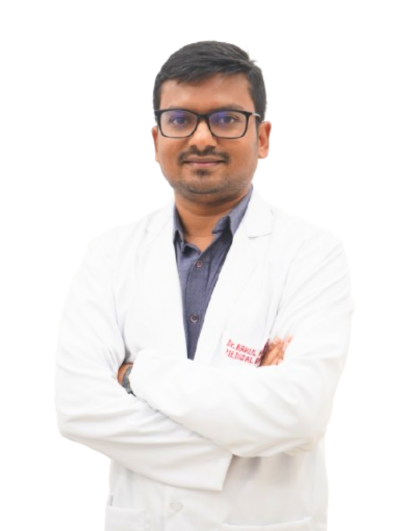
At Jigyasa Hospital in Moradabad, patients dealing with rectal prolapse and related colorectal conditions can consult Dr. Rahul Kumar, a physician known for careful diagnosis and patient-friendly treatment planning. This page explains what rectal prolapse is, why it occurs, how it is diagnosed and treated, and why Jigyasa Hospital is a trusted destination for this condition in Moradabad and nearby areas.
What Is Rectal Prolapse?
Rectal prolapse occurs when part or all of the wall of the rectum, the lowest section of the large intestine, slips down and protrudes through the anus. In early stages, the prolapse may appear only during bowel movements and retract on its own. In more advanced cases, the tissue may need to be pushed back manually or remain outside the body, causing significant discomfort and disruption to daily life.
Rectal prolapse is usually classified into partial (mucosal) prolapse, where only the inner lining protrudes; complete full-thickness prolapse, where the entire rectal wall protrudes; and internal prolapse (intussusception), where the rectum folds in on itself but does not emerge outside the body. It is more common in older adults, particularly women over 50, but can also affect younger adults and children due to different underlying causes.
Common Causes and Risk Factors
Rectal prolapse develops when the tissues and muscles supporting the rectum weaken or stretch. Chronic straining during bowel movements due to constipation is a common contributing factor. Weak pelvic floor muscles from aging, childbirth, or previous pelvic surgery also play a major role.
Other contributors include chronic diarrhea, nerve damage affecting rectal and anal muscles, prior abdominal or pelvic surgery, certain connective tissue disorders, and repeated increases in abdominal pressure from chronic cough or heavy lifting. Because many factors can overlap, accurate diagnosis by an experienced physician is essential to identify causes and plan effective treatment.
Recognizing the Symptoms
Symptoms of rectal prolapse can range from mild to severe and often worsen gradually if left untreated. Common signs include a visible lump or tissue protruding from the anus, a sensation of something “falling out” during bowel movements, difficulty controlling bowel movements, mucus or blood discharge, and a feeling of incomplete evacuation after passing stool.
Discomfort, irritation, and pain around the anal area are also frequent, and in advanced cases the prolapsed tissue may remain outside the body and need manual repositioning. Many patients delay seeking care due to embarrassment, but early diagnosis improves outcomes and can prevent progression to more severe stages that require complex intervention.
How Rectal Prolapse Is Diagnosed
A thorough, respectful clinical evaluation is the first step toward effective treatment. At Jigyasa Hospital, diagnosis typically begins with a detailed medical history, including bowel habits, straining patterns, childbirth or pelvic surgery history, and the duration and severity of symptoms.
Physical examination, often including asking the patient to strain as if passing stool, allows direct observation of the prolapse and assessment of severity. In selected cases, anorectal function tests to evaluate muscle strength, nerve function, and rectal sensation, and imaging studies such as defecography or MRI, help assess pelvic floor weakness and the full extent of prolapse. This comprehensive approach supports tailored, rather than one-size-fits-all, treatment.
Treatment Options for Rectal Prolapse
Treatment depends on prolapse severity, age, overall health, and underlying causes. Dr. Rahul Kumar emphasises a stepwise approach, starting with the least invasive options when appropriate and considering surgery when needed for lasting relief.
Non-Surgical Management
For mild cases, especially when surgery carries greater risk, conservative management may include dietary changes to increase fibre and fluids, reducing straining; bowel habit training to avoid excessive pushing; pelvic floor exercises to strengthen muscles that support bowel control; and treatment of underlying constipation, diarrhea, or chronic cough.
Surgical Treatment
For moderate to severe prolapse or cases that do not respond to conservative care, surgery is often the most effective long-term solution. Options include rectopexy, a procedure to secure the rectum in its proper position, often performed using minimally invasive laparoscopic techniques; perineal repair procedures performed through the perineal region, often preferred for older or higher-risk patients; and resection procedures where a portion of the affected bowel is removed alongside repositioning.
The choice of surgery depends on age, fitness for anaesthesia, severity of prolapse, and coexisting pelvic floor issues. Dr. Rahul Kumar explains the risks, benefits, and expected recovery timeline so patients can make informed decisions about their treatment.
Dr. Rahul Kumar at Jigyasa Hospital: Compassionate, Skilled Care
Because rectal prolapse is a sensitive condition, patients look for a physician who combines clinical expertise with empathy and discretion. Dr. Rahul Kumar at Jigyasa Hospital has earned a strong reputation among Moradabad patients for this combination.
Patients can expect a comfortable, respectful consultation environment; clear explanation of findings and options rather than rushing toward surgery; individualised treatment planning based on age, activity level, health, and preferences; and attentive post-treatment follow-up, whether management is conservative or surgical.
Why Choose Jigyasa Hospital for Rectal Prolapse Treatment
Jigyasa Hospital combines clinical expertise with a comfortable, patient-focused environment. For rectal prolapse treatment, the hospital offers an experienced medical and surgical team, on-site diagnostic facilities for timely evaluation, and strong emphasis on privacy and a non-judgmental atmosphere.
Patients have access to both non-surgical and surgical care without being pushed automatically toward an operation, and benefit from affordable, accessible services within Moradabad, with continuity of care from initial diagnosis through recovery.
Lifestyle Tips to Support Recovery and Prevent Recurrence
Alongside medical or surgical treatment, lifestyle habits help manage symptoms and reduce recurrence risk. Eating a high-fibre diet, staying well hydrated, avoiding excessive straining during bowel movements, and practising pelvic floor exercises support regular, comfortable bowel function.
Managing chronic cough or respiratory issues, avoiding heavy lifting, especially after surgery, and attending scheduled follow-up appointments allow early detection and correction of any recurring problems.
When Should You See a Physician?
You should arrange a consultation promptly if you notice tissue protruding from the anus, difficulty controlling bowel movements or unexplained leakage, persistent discomfort, irritation, or bleeding around the anal area, a feeling of incomplete bowel emptying, or any prolapse that does not retract after a bowel movement.
Delaying treatment allows the condition to worsen and may lead to tissue damage or worsening incontinence. Early evaluation opens up more options, including less invasive approaches, and supports better long-term outcomes.
Take the First Step Toward Relief and Recovery
Rectal prolapse can feel isolating and difficult to discuss, but it is a well-understood, treatable medical condition. With the right physician guiding your care, most patients experience significant relief and return to normal daily life.
If you are searching for rectal prolapse treatment in Moradabad, Dr. Rahul Kumar at Jigyasa Hospital offers the expertise, patience, and compassionate approach needed through diagnosis, treatment, and recovery. Whether you need an initial evaluation, a second opinion, or are ready to explore surgical options, Jigyasa Hospital is equipped to support you.
Specialised Rectal Prolapse Care
Focused diagnosis and treatment for rectal prolapse and related colorectal conditions, from mild to advanced cases.
Experienced Physician
Care led by Dr. Rahul Kumar at Jigyasa Hospital, known for careful diagnostic work and patient-friendly treatment planning.
Stepwise Treatment Approach
Emphasis on conservative, non-surgical options when appropriate and clear guidance when surgery is the better choice.
Comprehensive Diagnostic Support
Access to clinical examination and advanced investigations to fully assess pelvic floor and rectal function.
Focus on Long-Term Relief
Treatment plans designed to improve symptoms, support recovery, and reduce the risk of recurrence.
Accessible Care in Moradabad
Rectal prolapse evaluation and treatment available locally at Jigyasa Hospital near Miglani Cinema, Rampur Road.
Book Rectal Prolapse Treatment in Moradabad
If you are experiencing symptoms of rectal prolapse or related colorectal issues, you can consult Dr. Rahul Kumar at Jigyasa Hospital for a respectful, thorough evaluation and personalised treatment plan. Taking action early helps prevent progression and supports better long-term results.
Address
Near Miglani Cinema, Rampur Road, Moradabad 244001
Phone
7900903333Frequently Asked Questions About Rectal Prolapse Treatment
Who is the best doctor for rectal prolapse treatment in Moradabad?
Dr. Rahul Kumar at Jigyasa Hospital is a trusted physician in Moradabad for the diagnosis and treatment of rectal prolapse, known for his thorough and patient-centered approach to care.
Is rectal prolapse the same as piles (hemorrhoids)?
No. Rectal prolapse involves the rectal wall protruding through the anus, while piles are swollen blood vessels in the anal canal. Both can cause similar symptoms, so a proper examination is needed to tell them apart.
Can rectal prolapse be treated without surgery?
Mild cases may be managed with dietary changes, pelvic floor exercises, and bowel habit training. However, moderate to severe prolapse usually requires surgical repair for a durable, long-term solution.
Is rectal prolapse surgery painful or high-risk?
Modern surgical techniques, including minimally invasive approaches, have made rectal prolapse surgery safer and recovery faster than in the past. Your physician will explain the specific risks and recovery expectations for your case.
How long does recovery take after rectal prolapse surgery?
Recovery time varies depending on the surgical approach used, but many patients return to normal daily activities within a few weeks, with full recovery taking longer for more extensive procedures.
Can rectal prolapse come back after treatment?
Recurrence is possible, especially if underlying causes like chronic constipation or straining are not addressed. Following post-treatment guidance and lifestyle advice helps reduce this risk.
Is rectal prolapse common in children?
Rectal prolapse can occur in young children, often linked to chronic constipation or diarrhea, and it frequently resolves with conservative treatment as the child grows.
Does Jigyasa Hospital offer both diagnosis and surgical treatment for rectal prolapse?
Yes. Jigyasa Hospital provides comprehensive care, from diagnostic evaluation through non-surgical management and advanced surgical treatment, under one roof.
How can I book a consultation with Dr. Rahul Kumar at Jigyasa Hospital?
You can contact Jigyasa Hospital’s reception or call the hospital contact number to schedule a consultation with Dr. Rahul Kumar for rectal prolapse or related colorectal concerns.
Why Patients Choose Us
- 24/7 Emergency & Trauma Care
- Top Specialist Doctors
- Modern ICU & Operation Theatres
- Transparent & Affordable Pricing
- Ayushman Bharat Empanelled
- Cashless Insurance Support
- Multispeciality Under One Roof
Our Location
Near Miglani Cinema,
Rampur Road,
Moradabad 244001