
Rhinoplasty in Moradabad: Expert Nose Surgery with Dr. Anil Rajput at Jigyasa Hospital
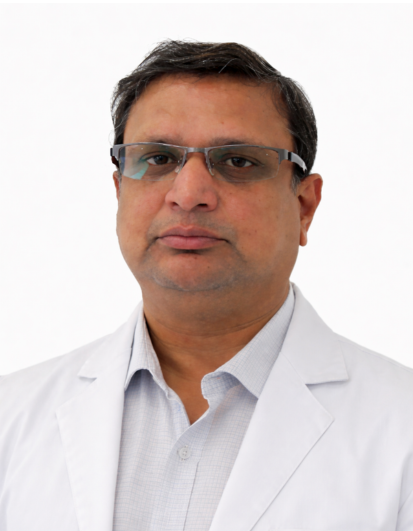
Dr. Anil Rajput is a plastic surgeon at Jigyasa Hospital, Moradabad, who evaluates patients seeking cosmetic, functional, reconstructive, and revision nose surgery.
His approach focuses on understanding each patient's concerns, assessing the structure and function of the nose, and developing a personalised surgical plan based on facial proportions, breathing needs, skin characteristics, and realistic expectations.
Patients from Moradabad and nearby towns can discuss their rhinoplasty goals with Dr. Anil Rajput at Jigyasa Hospital and understand the available treatment options before making a decision.
Nose Surgery for Appearance, Function, and Facial Harmony
The nose sits at the centre of the face, and even small changes to its shape, size, or proportion can transform how a person looks and feels. Whether the goal is to correct a birth defect, restore function after an injury, or achieve better facial harmony, rhinoplasty remains one of the most requested procedures in plastic surgery.
For residents of Moradabad and the surrounding towns of Western Uttar Pradesh, this specialised surgery is available close to home under the care of Dr. Anil Rajput in the Plastic Surgery department at Jigyasa Hospital.
Rhinoplasty is not a one-size-fits-all procedure. The right surgical plan depends on the patient's facial structure, nasal anatomy, skin thickness, breathing, previous injuries, earlier surgeries, and personal goals.
What Is Rhinoplasty?
Rhinoplasty, commonly known as nose reshaping surgery, is a surgical procedure that changes the structure of the nose. Depending on the patient's goals, it can involve reshaping the bone, cartilage, skin, or all three.
Broadly, rhinoplasty may be performed for cosmetic, functional, or reconstructive reasons.
- • Cosmetic rhinoplasty improves the appearance of the nose, such as reducing a visible bump, refining a bulbous or drooping tip, narrowing wide nostrils, or improving facial balance.
- • Functional rhinoplasty helps correct breathing problems caused by a deviated septum, collapsed nasal valves, or previous trauma.
- • Reconstructive rhinoplasty helps rebuild the nose after an accident, dog bite, tumour removal, or congenital condition.
- • Rhinoplasty may address both appearance and breathing concerns during the same planned treatment.
Many patients fall into more than one category. For example, a person who broke the nose years ago may want both improved breathing and a straighter appearance.
Why People in Moradabad Choose Rhinoplasty
The reasons patients seek nose surgery are varied, and no two consultations are exactly alike. Common concerns include:
- 1. A visible bump or hump on the bridge of the nose that draws attention away from other facial features.
- 2. A nose that appears too large, too wide, or out of proportion with the rest of the face.
- 3. A drooping, bulbous, or asymmetric tip that may be inherited or develop with age.
- 4. Breathing difficulty linked to a deviated nasal septum.
- 5. Old trauma or fractures from accidents, sports injuries, or falls that left the nose crooked or weak.
- 6. Congenital differences, including nasal differences associated with cleft lip and palate.
- 7. Revision cases where an earlier rhinoplasty did not provide the desired result.
- 8. The desire to improve overall facial harmony while maintaining a natural-looking appearance.
At Jigyasa Hospital, consultations begin with a detailed discussion of the concern that is driving the patient's decision. The surgical plan for a cosmetic bump reduction may be very different from the plan for complex post-traumatic reconstruction.
The Consultation: The Most Important First Step
A trustworthy rhinoplasty journey does not start in the operating room. It starts with an honest and detailed consultation. When a patient meets Dr. Anil Rajput at Jigyasa Hospital, the consultation may include:
- • A discussion of goals and expectations, including what the patient wants to improve and what success means to them.
- • A physical examination of the external nose, including skin thickness, bone structure, cartilage, symmetry, and proportions.
- • An examination of the internal nasal passages, including the septum, turbinates, and nasal valve function.
- • A breathing assessment for patients with nasal congestion, snoring, sinus problems, or exercise-related breathing difficulty.
- • A review of medical history, allergies, smoking history, previous nasal surgery, and conditions that may affect healing.
- • A realistic discussion of what surgery can and cannot achieve, since every nose heals differently.
Patients should feel comfortable asking about the planned technique, expected recovery time, possible risks, follow-up schedule, and treatment costs so there are no unnecessary surprises later.
Surgical Techniques Used in Modern Rhinoplasty
Rhinoplasty has evolved considerably over the past two decades. Modern surgery has moved away from a one-size-fits-all reduction approach towards more conservative and structure-preserving techniques.
Access Methods
- • Closed rhinoplasty, also called endonasal rhinoplasty, uses incisions inside the nostrils and does not leave a visible external scar.
- • Closed rhinoplasty may be considered for selected patients who require limited or less complex corrections.
- • Open rhinoplasty includes a small incision across the columella, the strip of skin between the nostrils.
- • Open rhinoplasty provides a wider view of the nasal structure and may be preferred for complex reshaping, revision surgery, or significant structural work.
Common Rhinoplasty Techniques
- • Hump reduction removes excess bone and cartilage from the bridge and smooths the remaining structure.
- • Tip refinement reshapes the cartilage that defines the nasal tip to correct bulbousness, asymmetry, or drooping.
- • Septoplasty straightens a deviated septum to improve airflow and may be performed alongside cosmetic changes.
- • Grafting uses the patient's own cartilage from the septum, ear, or rib to support or rebuild weak areas.
- • Osteotomies involve controlled reshaping of the nasal bones to narrow or straighten the bridge.
- • The final combination of techniques is selected according to the patient's anatomy and treatment goals.
Personalised Rhinoplasty Planning
Every nose has a different structure. Dr. Anil Rajput evaluates facial proportions, nasal anatomy, skin characteristics, breathing, and individual goals before planning surgery.
Cosmetic and Functional Care
Rhinoplasty may improve the appearance of the nose, correct breathing problems, or address both concerns during the same carefully planned procedure.
Advanced Surgical Techniques
Depending on the patient's anatomy, treatment may include hump reduction, tip refinement, septoplasty, grafting, or controlled reshaping of the nasal bones.
Structured Recovery Monitoring
Regular follow-up appointments help monitor healing, manage swelling, remove splints when appropriate, and identify any concerns at an early stage.
Trusted Plastic Surgery Care in Moradabad
Patients from Moradabad and surrounding towns of Western Uttar Pradesh can access specialised rhinoplasty consultation and surgical care at Jigyasa Hospital.
What Happens on the Day of Surgery?
Rhinoplasty at Jigyasa Hospital is typically performed under general anaesthesia or, in selected cases, local anaesthesia with sedation. The final decision depends on the complexity of the procedure and the anaesthesiologist's assessment.
The surgery commonly takes between one and three hours. Complex reconstructive or revision cases may take longer, depending on the amount of structural work required.
After the planned changes are made, the surgeon closes the incisions and places a splint to protect the new nasal shape during the early healing period. A rigid external splint may be used along with internal nasal support when required.
Most rhinoplasty patients go home the same day or remain under observation overnight, depending on the anaesthesia, procedure complexity, and the surgeon's recommendation.
Recovery: What to Realistically Expect
Recovery is one of the aspects patients are most curious about. Healing varies from person to person, but a general recovery roadmap may look like this:
First Week
Mild to moderate swelling and bruising around the eyes and nose is common. The external splint usually remains in place and may be removed around the seventh day. Patients are generally advised to keep the head elevated, avoid strenuous activity, and follow prescribed medication instructions.
Two to Three Weeks
Most visible bruising fades during this period. Many patients feel comfortable returning to non-strenuous work and social activities. Some residual swelling, especially around the tip, may still be present.
One to Three Months
The nose continues to refine as deeper swelling gradually resolves. Patients often begin to see a shape that is much closer to the eventual result.
Up to Twelve Months or Longer
The nasal tip and skin envelope may continue to settle for many months, particularly in patients with thicker skin. Surgeons generally advise patience before making a final judgement about the outcome.
Follow-up appointments at Jigyasa Hospital help monitor healing, remove internal packing or splints when required, and address concerns early if anything looks or feels unusual.
Risks and Honest Considerations
No surgery is entirely without risk. A responsible surgeon discusses the possible benefits, limitations, and risks openly before treatment.
- • Bleeding or infection.
- • Reaction to anaesthesia.
- • Temporary or, rarely, permanent changes in sensation.
- • Asymmetry or an unsatisfactory appearance.
- • Continued or new breathing difficulty.
- • Swelling that takes longer to resolve.
- • The possibility of a minor revision procedure to fine-tune the result.
- • Healing differences based on skin type and tissue characteristics.
Choosing a qualified plastic surgeon, sharing complete medical history, following pre-operative instructions, and attending scheduled follow-ups can help reduce avoidable risks.
Patients who smoke are usually advised to stop before and after surgery because smoking can impair healing. Patients with bleeding disorders, certain chronic illnesses, or unrealistic expectations may be advised to delay surgery or reconsider their suitability.
Why Choose Dr. Anil Rajput at Jigyasa Hospital?
Rhinoplasty requires more than changing the visible shape of the nose. The procedure must consider facial balance, nasal support, breathing, skin characteristics, healing, and the patient's expectations.
Patients at Jigyasa Hospital receive a personalised evaluation and a treatment plan based on their specific anatomy and concerns.
- • Detailed consultation for cosmetic, functional, reconstructive, and revision rhinoplasty.
- • Personalised planning based on facial proportions and nasal structure.
- • Assessment of both appearance and breathing function.
- • Access to modern surgical and hospital facilities.
- • Careful explanation of the procedure and expected recovery.
- • Follow-up support throughout the healing period.
- • Coordination with other specialists when required.
- • Convenient access for patients from Moradabad and nearby districts.
Is Rhinoplasty Right for You?
Rhinoplasty may be considered by adults and selected adolescents whose facial growth is complete and who have clear, realistic goals. It may help patients who are concerned about the shape, size, symmetry, or projection of the nose, as well as those who have breathing problems or nasal deformity after trauma.
A consultation is important because not every concern requires surgery, and the most suitable treatment depends on the patient's anatomy, general health, expectations, and desired outcome.
The aim of rhinoplasty is not to create an identical nose or a celebrity-style appearance. The goal is to create a balanced, natural-looking result that suits the patient's face and, when required, supports better nasal function.
Book a Rhinoplasty Consultation with Dr. Anil Rajput
Jigyasa Hospital offers specialised plastic surgery consultation for cosmetic, functional, reconstructive, and revision rhinoplasty under the guidance of Dr. Anil Rajput. A detailed evaluation can help you understand the available options, expected recovery, and realistic treatment outcomes.
Near Miglani Cinema, Rampur Road, Moradabad 244001
Call Now
7900903333Frequently Asked Questions
Is rhinoplasty painful?
Most patients report more pressure, congestion, and stuffiness than sharp pain in the days after surgery. Any discomfort is usually managed with prescribed medication and proper post-operative care.
At what age can someone get a rhinoplasty?
Surgeons generally prefer to wait until facial growth is complete, often in the mid-to-late teens at the earliest and usually later. However, cases involving functional problems or trauma are evaluated individually.
Will insurance or Ayushman Bharat cover rhinoplasty?
Coverage generally depends on whether the surgery is medically necessary, such as correcting a breathing obstruction or repairing trauma, rather than purely cosmetic. Patients should discuss their case and required documentation with the hospital's billing and insurance desk.
How long before I can return to work after rhinoplasty?
Many patients with desk jobs return to work within one to two weeks, although some visible swelling or bruising may still be present. Physically demanding jobs, sports, and activities involving a risk of facial impact usually require a longer recovery period.
Can rhinoplasty be combined with other procedures?
Yes. Rhinoplasty may be combined with septoplasty to improve breathing or, in selected cases, with procedures such as chin augmentation to improve overall facial balance. These options are discussed during the consultation according to individual needs.
How long does it take to see the final rhinoplasty result?
Most of the visible swelling improves within the first few weeks and months. However, the nasal tip and skin envelope may continue to settle for up to twelve months or sometimes longer, especially in patients with thicker skin.
Why Patients Choose Us
- 24/7 Emergency & Trauma Care
- Top Specialist Doctors
- Modern ICU & Operation Theatres
- Transparent & Affordable Pricing
- Ayushman Bharat Empanelled
- Cashless Insurance Support
- Multispeciality Under One Roof
Our Location
Near Miglani Cinema,
Rampur Road,
Moradabad 244001