
Rosacea Treatment in Moradabad – Dr. Abida, Dermatologist, at Jigyasa Hospital
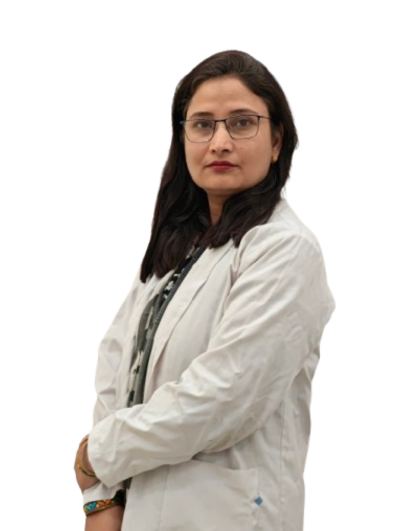
Who Is Dr. Abida?
Dr. Abida is a dermatology specialist at Jigyasa Hospital, Moradabad, who specializes in diagnosing and managing rosacea, helping patients understand their specific triggers and access treatment that controls symptoms effectively. She assesses patients with persistent facial redness, flushing, visible blood vessels, and acne-like bumps.
Her approach combines detailed diagnostic evaluation, trigger identification, and individualized long-term management plans tailored to the specific rosacea subtype. She explains the diagnostic process, treatment expectations, and trigger avoidance clearly so patients understand the importance of consistent management for optimal symptom control.
Understanding Rosacea: When Facial Redness Isn't Just Sensitive Skin
Persistent facial redness, flushing, and visible small blood vessels are often brushed off as simply having "sensitive skin" or being prone to blushing. However, when this redness becomes persistent, is accompanied by bumps resembling acne, or worsens progressively over time, it may point to rosacea — a chronic inflammatory skin condition that requires proper diagnosis and long-term management rather than generic sensitive-skin products.
At Jigyasa Hospital, Moradabad, Dr. Abida, Dermatologist, specializes in diagnosing and managing rosacea, helping patients understand their specific triggers and access treatment that controls symptoms effectively. Patients from Moradabad, Rampur, Sambhal, Amroha, and Bijnor come to Jigyasa Hospital when facial redness and related symptoms haven't improved with over-the-counter sensitive skin products.
What Is Rosacea?
Rosacea is a chronic inflammatory skin condition primarily affecting the face, characterized by episodes of flushing, persistent redness, visible blood vessels, and in some cases, acne-like bumps. Its exact cause isn't completely understood, but it's believed to involve a combination of genetic predisposition, immune system factors, blood vessel abnormalities, and environmental triggers. Unlike ordinary blushing, which is temporary, rosacea-related redness tends to persist and, without management, often progresses over time.
Subtypes of Rosacea
- • Erythematotelangiectatic Rosacea: Characterized primarily by persistent facial redness and visible small blood vessels (telangiectasia), often with a tendency toward flushing.
- • Papulopustular Rosacea: Involves persistent redness along with acne-like bumps and pustules, often mistaken for adult acne.
- • Phymatous Rosacea: A less common, more advanced form involving thickening of the skin, most notably affecting the nose, resulting in a bulbous appearance over time if untreated.
- • Ocular Rosacea: Affects the eyes, causing redness, irritation, dryness, or a gritty sensation, sometimes occurring alongside or even before skin symptoms appear.
Because these subtypes require somewhat different treatment emphases, and because rosacea can be mistaken for adult acne, eczema, or simple sun-related redness, an accurate dermatological diagnosis is essential for effective management.
Recognizing the Symptoms of Rosacea
Common symptoms of rosacea include persistent redness on the central face, episodes of flushing that occur more easily and last longer than typical blushing, visible small blood vessels, small red acne-like bumps without blackheads, and a burning or stinging sensation. Symptoms often flare in response to specific identifiable triggers.
Common Symptoms
- • Persistent redness on the central face — cheeks, nose, forehead, and chin.
- • Episodes of flushing that occur more easily and last longer than typical blushing.
- • Visible small blood vessels on the surface of the skin.
- • Small, red, acne-like bumps or pustules, without the blackheads typically seen in acne.
- • A burning, stinging, or sensitive sensation on the face, particularly with certain products or environmental exposures.
- • Skin thickening, particularly around the nose, in more advanced or long-standing cases.
- • Eye-related symptoms such as redness, dryness, irritation, or a feeling of grittiness.
- • Symptoms that flare in response to specific identifiable triggers.
Common Rosacea Triggers
Identifying and managing individual triggers is a central part of effective rosacea management. Common triggers include sun exposure, hot weather, spicy foods, alcohol, emotional stress, strenuous exercise, certain skincare products, and hot showers. Because triggers vary significantly between individuals, Dr. Abida works with each patient to identify their specific pattern of flares.
Common Trigger Factors
- • Sun exposure, one of the most significant and consistent triggers for most patients.
- • Hot weather, humidity, and rapid temperature changes.
- • Spicy foods and hot beverages.
- • Alcohol consumption.
- • Emotional stress.
- • Strenuous exercise, particularly in hot conditions.
- • Certain skincare products, especially those containing alcohol, fragrance, or other irritating ingredients.
- • Hot showers or baths.
Why Proper Diagnosis and Management Matter
Rosacea is a chronic condition that tends to progress gradually if left unmanaged, making early, accurate diagnosis important. Rosacea can be mistaken for adult acne leading to inappropriate treatments, symptoms often become more persistent and severe over time without management, phymatous changes are more effectively prevented with early intervention, and ocular rosacea if unrecognized can lead to ongoing eye discomfort.
Importance of Medical Evaluation
- • Rosacea can be mistaken for adult acne, leading to inappropriate acne treatments that may worsen rosacea-related sensitivity.
- • Without management, the redness and bumps associated with rosacea often become more persistent and severe over time.
- • Phymatous changes, particularly affecting the nose, are more effectively prevented with early intervention than reversed once established.
- • Ocular rosacea, if unrecognized, can lead to ongoing eye discomfort and, in some cases, more significant eye complications.
- • Understanding and managing personal triggers can significantly reduce flare frequency and severity, improving quality of life.
Specialist Rosacea Evaluation
Rosacea has multiple subtypes that require different treatment approaches. A detailed dermatology assessment helps identify the specific subtype and guide accurate therapy.
Comprehensive Diagnostic Approach
Evaluation includes detailed clinical history, thorough facial examination, eye examination referral when indicated, and ruling out other conditions that can mimic rosacea's appearance.
Long-Term Symptom Management
Treatment focuses on long-term control of symptoms, trigger management, and preventing progression through topical treatments, oral medications, gentle skincare, and sun protection.
Personalized Trigger Identification
Working with patients to identify their personal trigger pattern — whether dietary, environmental, or product-related — and building practical strategies to minimize exposure forms an essential part of the treatment plan.
Trusted Dermatology Care in Moradabad
Patients from Moradabad, Rampur, Sambhal, Amroha, Bijnor, and nearby districts come to Jigyasa Hospital when facial redness and related symptoms haven't improved with over-the-counter sensitive skin products.
Diagnostic Approach at Jigyasa Hospital
Accurate diagnosis is the foundation of effective rosacea management. At Jigyasa Hospital, the diagnostic process typically includes detailed clinical history, physical examination, eye examination referral when indicated, and ruling out other conditions.
1. Detailed Clinical History
Dr. Abida reviews the onset and progression of symptoms, specific triggers noticed by the patient, any eye-related symptoms, previous skincare products used, and any history of similar conditions in the family.
2. Physical Examination
A thorough facial examination helps identify the specific pattern and subtype of rosacea present, and distinguishes it from other conditions with a similar appearance, such as acne, eczema, or lupus-related skin changes.
3. Eye Examination Referral (When Indicated)
For patients reporting eye-related symptoms, referral for a more detailed eye examination may be recommended to assess for ocular rosacea and guide appropriate co-management.
4. Ruling Out Other Conditions
Since certain other conditions can mimic rosacea's appearance, Dr. Abida ensures a thorough clinical assessment to confirm the diagnosis before proceeding with rosacea-specific treatment.
Accurate classification is therefore essential before therapy begins, particularly for distinguishing rosacea from adult acne and other conditions that require different treatment approaches.
Treatment Approach: Managing a Chronic, Relapsing Condition
Since rosacea is a chronic condition without a permanent cure, Dr. Abida's treatment approach focuses on long-term control of symptoms, trigger management, and preventing progression. Treatment components typically include topical treatments, oral medications, gentle skincare, sun protection, and trigger identification.
Topical Treatments
Topical anti-inflammatory medications are used to reduce redness and inflammatory bumps associated with rosacea. Topical antibiotics are often prescribed for papulopustular rosacea to help control the acne-like bumps and associated inflammation.
Oral Medications
For more significant or widespread papulopustular rosacea, oral antibiotics may be prescribed at anti-inflammatory doses (rather than purely for their antibacterial effect), used for a defined treatment period under medical supervision.
Management of Persistent Redness and Visible Blood Vessels
For persistent redness and visible blood vessels that don't respond adequately to topical treatment, laser or light-based treatments may be considered to reduce their visibility, tailored to the individual's skin and symptom pattern.
Gentle, Rosacea-Appropriate Skincare
Dr. Abida provides specific guidance on suitable, non-irritating skincare products and routines, since many standard skincare products can worsen rosacea-related sensitivity.
Sun Protection
Given that sun exposure is one of the most significant and consistent triggers for rosacea, daily use of an appropriate, non-irritating sunscreen is emphasized as a core part of every treatment plan.
Trigger Identification and Avoidance
Working with patients to identify their personal trigger pattern — whether dietary, environmental, or product-related — and building practical strategies to minimize exposure to these triggers.
Management of Ocular Symptoms
For patients with ocular rosacea, coordinated management alongside appropriate eye care measures helps address associated discomfort and irritation.
Why Choose Jigyasa Hospital for Rosacea Treatment in Moradabad
Rosacea is a chronic condition that benefits significantly from accurate diagnosis, personalized trigger identification, and consistent, appropriate long-term management. Jigyasa Hospital, located on Rampur Road near Miglani Cinema, Moradabad, offers specialized dermatology consultation, comprehensive diagnostic facilities, and coordinated care.
- • Specialized dermatology consultation with Dr. Abida for rosacea and related facial redness conditions.
- • NABL-accredited diagnostic laboratory for any relevant supporting evaluation.
- • Empanelment under Ayushman Bharat PM-JAY, extending eligible treatment benefits to qualifying families.
- • 24/7 emergency care support for any associated concerns.
- • Wide service catchment covering Moradabad, Rampur, Sambhal, Amroha, and Bijnor, bringing specialized dermatological care closer to home.
- • Evidence-based treatment approach focusing on long-term symptom control and trigger management.
- • Patient education on gentle skincare, sun protection, and identifying personal triggers.
- • Regular follow-up to monitor progress and adjust treatment for optimal symptom control.
Living with Rosacea: Practical Guidance for Patients
Managing rosacea effectively requires consistency and awareness. Helpful practices include daily sun protection, keeping a symptom diary, choosing gentle skincare, avoiding hot water, managing stress, and being consistent with prescribed treatment.
- • Use a broad-spectrum, non-irritating sunscreen every day, since sun exposure is one of the most consistent rosacea triggers.
- • Keep a symptom diary to help identify your specific pattern of triggers — certain foods, weather conditions, or activities that consistently precede flares.
- • Choose gentle, fragrance-free skincare products, and avoid products containing alcohol or other potentially irritating ingredients.
- • Avoid extremely hot water when washing your face, opting for lukewarm water instead.
- • Manage stress through relaxation techniques, given its role as a common trigger.
- • Be consistent with prescribed treatment, since rosacea generally requires ongoing management rather than a one-time treatment course.
- • Protect your face from extreme temperature changes and strong winds where possible.
If persistent facial redness, flushing, or acne-like bumps have been affecting your confidence, a proper dermatological evaluation can confirm the cause and set you on a path toward effective, long-term control.
Book an Appointment with Dr. Abida
Jigyasa Hospital offers specialist dermatology care for rosacea under the guidance of Dr. Abida. Proper diagnosis and consistent management can help control symptoms, reduce flares, and improve quality of life.
Near Miglani Cinema, Rampur Road, Moradabad 244001
Call Now
7900903333Frequently Asked Questions
Is rosacea the same as acne?
No, though papulopustular rosacea can resemble acne with its bumps and pustules, rosacea doesn't involve blackheads and requires a different treatment approach than standard acne treatment.
Can rosacea be completely cured?
Rosacea is a chronic condition without a permanent cure, but with appropriate treatment and consistent trigger management, most patients achieve significant, long-term control of their symptoms.
Why does my face get so red when I eat spicy food or drink alcohol?
Spicy foods and alcohol are common rosacea triggers that can cause flushing and worsen redness in individuals with the condition, making trigger identification an important part of management.
Does rosacea only affect the face?
Rosacea most commonly affects the central face, though ocular rosacea can also affect the eyes; involvement of other body areas is less typical.
Will my rosacea get worse over time if untreated?
Without appropriate management, rosacea symptoms, including redness and in some cases skin thickening, can progressively worsen over time, which is why early diagnosis and consistent treatment are recommended.
Can I wear makeup if I have rosacea?
Yes, though choosing gentle, non-irritating, fragrance-free makeup products is advisable, and your dermatologist can offer guidance on suitable options that won't aggravate your skin.
Is rosacea hereditary?
There does appear to be a genetic component, as rosacea is more common in individuals with a family history of the condition, though environmental and lifestyle triggers also play a significant role.
When should I see a dermatologist for facial redness?
If facial redness is persistent, accompanied by bumps or visible blood vessels, or worsens with specific triggers despite basic skincare adjustments, it's advisable to consult a dermatologist for proper diagnosis and management.
Why Patients Choose Us
- 24/7 Emergency & Trauma Care
- Top Specialist Doctors
- Modern ICU & Operation Theatres
- Transparent & Affordable Pricing
- Ayushman Bharat Empanelled
- Cashless Insurance Support
- Multispeciality Under One Roof
Our Location
Near Miglani Cinema,
Rampur Road,
Moradabad 244001