
Scalp Treatment in Moradabad – Dr. Abida, Dermatologist, at Jigyasa Hospital
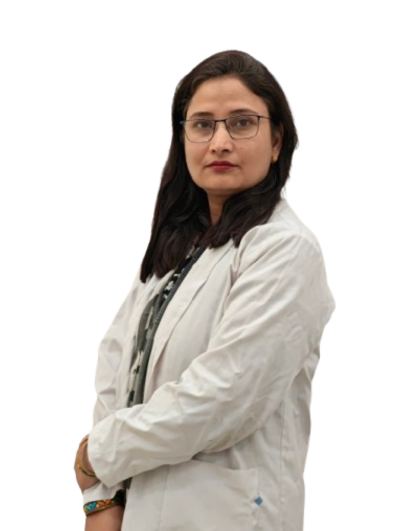
Who Is Dr. Abida?
Dr. Abida is a dermatology specialist at Jigyasa Hospital, Moradabad, who provides comprehensive scalp evaluation and treatment for a wide range of conditions beyond the commonly discussed dandruff and hair loss. She assesses patients with oily scalp, scalp acne, psoriasis, infections, contact dermatitis, and other scalp concerns.
Her approach combines detailed diagnostic evaluation, targeted testing when indicated, and individualized treatment plans tailored to the specific scalp condition. She explains the diagnostic process, treatment expectations, and scalp care practices clearly so patients understand the importance of condition-specific management for optimal scalp health.
The Scalp: An Often-Overlooked Part of Skin Health
When people think of skin problems, they usually picture the face or body — the scalp is frequently overlooked, even though it's covered in skin just like the rest of the body and is prone to its own distinct set of conditions. Oiliness, itching, small bumps, flaking, and persistent discomfort on the scalp are often dismissed or self-treated with random shampoos, when in reality they may point to a specific, treatable condition.
At Jigyasa Hospital, Moradabad, Dr. Abida, Dermatologist, provides comprehensive scalp evaluation and treatment for a wide range of conditions beyond the commonly discussed dandruff and hair loss. Patients from Moradabad, Rampur, Sambhal, Amroha, and Bijnor turn to Jigyasa Hospital for scalp concerns that haven't responded to generic over-the-counter products.
Common Scalp Conditions Beyond Dandruff and Hair Loss
Many scalp conditions share overlapping symptoms — itching, flaking, discomfort — but require entirely different treatments. Several distinct scalp conditions exist, each with different causes and treatment approaches.
Types of Scalp Conditions
- • Oily Scalp: Excess oil (sebum) production can leave the scalp feeling greasy soon after washing, sometimes accompanied by a dull appearance to the hair. While some oiliness is a natural skin type variation, excessive oil production can contribute to other scalp issues, including certain types of scalp acne and worsened seborrheic conditions.
- • Scalp Acne (Scalp Folliculitis): Small, sometimes tender bumps or pustules on the scalp, often around hair follicles, can result from folliculitis — inflammation or infection of the hair follicles. This can be triggered by excess oil, sweat, product buildup, or in some cases bacterial or fungal involvement, and can range from mild to persistent and uncomfortable.
- • Scalp Psoriasis: A chronic autoimmune condition causing thick, well-defined, silvery-scaled patches on the scalp, often extending beyond the hairline onto the forehead, back of the neck, or behind the ears. It's frequently mistaken for severe dandruff but requires a distinctly different treatment approach.
- • Scalp Infections: Bacterial or fungal infections of the scalp can cause redness, tenderness, pus-filled bumps, or in some cases, patches of hair loss if the infection is significant or prolonged, requiring targeted treatment rather than generic anti-dandruff products.
- • Contact Dermatitis of the Scalp: Reaction to hair dyes, styling products, or certain shampoo ingredients can cause scalp redness, itching, and irritation, sometimes with associated swelling in more significant reactions.
- • Sensitive or Reactive Scalp: Some individuals experience a generally sensitive scalp that reacts easily to weather changes, products, or styling practices, presenting with intermittent discomfort, tingling, or mild redness without a clearly defined underlying condition.
Recognizing When a Scalp Issue Needs Professional Attention
Certain signs suggest a scalp concern warrants proper evaluation rather than continued self-treatment. If you notice any of these warning signs, it's advisable to consult a dermatologist for proper diagnosis and treatment.
Warning Signs to Watch For
- • Persistent bumps, pustules, or tender areas on the scalp.
- • Thick, well-defined scaly patches, particularly if extending beyond the scalp onto the forehead or neck.
- • Scalp pain, tenderness, or warmth suggesting possible infection.
- • Redness or irritation that develops after using a new hair product.
- • Persistent oiliness that doesn't improve with regular washing.
- • Any scalp symptom accompanied by unusual hair loss in the affected area.
- • Scalp symptoms that have been self-treated for weeks without improvement.
Why a Proper Scalp Evaluation Matters
Many scalp conditions share overlapping symptoms — itching, flaking, discomfort — but require entirely different treatments. Treating scalp psoriasis with a standard anti-dandruff shampoo, for example, is unlikely to bring meaningful improvement, just as treating a bacterial folliculitis with an antifungal product won't address the actual cause. Dr. Abida emphasizes that correctly identifying the specific scalp condition is the foundation of effective treatment.
Importance of Accurate Diagnosis
- • Correctly identifying the specific scalp condition is the foundation of effective treatment.
- • Certain scalp infections, if left untreated, can worsen or lead to localized hair loss.
- • Chronic conditions like scalp psoriasis benefit significantly from consistent, condition-specific management rather than sporadic self-treatment.
- • Persistent product-related irritation needs to be identified and eliminated to prevent ongoing discomfort.
Specialist Scalp Evaluation
Different scalp conditions have distinct causes and require different treatments. A detailed dermatology assessment helps identify the exact condition and guide accurate therapy.
Comprehensive Diagnostic Approach
Evaluation may include detailed clinical history, scalp examination with dermoscopy when needed, sampling or culture through NABL-accredited laboratory, and assessment for associated conditions.
Treatment Matched to Scalp Condition
Treatment is selected according to the specific scalp condition — oily scalp, folliculitis, psoriasis, infections, or contact dermatitis — ensuring the approach addresses the actual diagnosis.
Long-Term Scalp Health Management
Patient education on appropriate shampoo selection, washing frequency, avoiding triggers, and gentle hair care practices forms an essential part of the overall treatment plan for optimal scalp health.
Trusted Dermatology Care in Moradabad
Patients from Moradabad, Rampur, Sambhal, Amroha, Bijnor, and nearby districts turn to Jigyasa Hospital for scalp concerns that haven't responded to generic over-the-counter products.
Diagnostic Approach at Jigyasa Hospital
Accurate diagnosis is the foundation of effective scalp treatment. At Jigyasa Hospital, the diagnostic process typically includes detailed clinical history, scalp examination, sampling or culture when indicated, and assessment for associated conditions.
1. Detailed Clinical History
Dr. Abida reviews the specific symptoms, duration, any recent changes in hair care products, associated symptoms elsewhere on the body (relevant for psoriasis), and previous treatments attempted.
2. Scalp Examination
A close visual and, where needed, dermoscopic examination helps accurately distinguish between the various scalp conditions based on their distinct presentations.
3. Sampling or Culture (When Indicated)
For suspected bacterial or fungal scalp infections, a sample may be taken and sent to the hospital's NABL-accredited laboratory to identify the specific organism involved, guiding targeted treatment.
4. Assessment for Associated Conditions
Where scalp psoriasis is suspected, Dr. Abida may check for psoriasis features elsewhere on the body, such as the elbows, knees, or nails, since these areas are commonly affected in the same condition.
Accurate classification is therefore essential before therapy begins, particularly for conditions like scalp psoriasis and infections where condition-specific treatment significantly improves outcomes.
Treatment Approaches by Condition
Dr. Abida's treatment approach is tailored specifically to the diagnosed scalp condition. Treatment components vary depending on whether the diagnosis is oily scalp, scalp acne/folliculitis, scalp psoriasis, scalp infections, or contact dermatitis.
For Oily Scalp
Appropriately formulated cleansing shampoos suited to the individual's scalp type and washing frequency. Guidance on suitable washing frequency, since both under- and over-washing can affect oil balance. Addressing any contributing factors, such as heavy styling product use.
For Scalp Acne/Folliculitis
Topical or, in more significant cases, oral antimicrobial treatment depending on whether bacterial or fungal folliculitis is identified. Guidance on reducing contributing factors like excess oil, sweat retention, and product buildup. Anti-inflammatory treatment for associated redness and discomfort.
For Scalp Psoriasis
Condition-specific topical treatments designed to address the underlying inflammatory process, distinct from standard dandruff shampoos. In more extensive cases, treatment approaches similar to those used for psoriasis elsewhere on the body, tailored to the scalp. Guidance on gentle hair care practices to avoid triggering flares through scalp trauma.
For Scalp Infections
Targeted antibacterial or antifungal treatment based on identification of the causative organism. Monitoring to ensure resolution and to catch any associated hair loss early, addressing it before it becomes more established.
For Contact Dermatitis of the Scalp
Identification and elimination of the triggering product. Soothing topical treatment to calm the irritated scalp. Guidance on patch testing new products before full use in the future, especially hair dyes.
Why Choose Jigyasa Hospital for Scalp Treatment in Moradabad
Scalp health deserves the same careful, condition-specific evaluation given to skin concerns elsewhere on the body. Jigyasa Hospital, located on Rampur Road near Miglani Cinema, Moradabad, offers comprehensive dermatology consultation, diagnostic facilities, and coordinated care.
- • Comprehensive dermatology consultation with Dr. Abida for the full range of scalp conditions, from oiliness and folliculitis to psoriasis and infections.
- • NABL-accredited diagnostic laboratory for culture and other relevant scalp testing.
- • Empanelment under Ayushman Bharat PM-JAY, extending eligible treatment benefits to qualifying families.
- • 24/7 emergency care support for any associated concerns.
- • Wide service catchment covering Moradabad, Rampur, Sambhal, Amroha, and Bijnor, bringing specialized dermatological care closer to home.
- • Evidence-based treatment approach focusing on accurate diagnosis and condition-specific management.
- • Patient education on appropriate shampoo selection, washing frequency, and gentle hair care practices.
- • Regular follow-up to monitor progress and adjust treatment for optimal scalp health.
Everyday Scalp Care Tips
Supporting your scalp health requires consistency and appropriate care. Helpful practices include choosing the right shampoo, introducing new products carefully, avoiding excessive scratching, and not ignoring persistent discomfort.
- • Choose a shampoo and washing frequency suited to your specific scalp type rather than following generic advice meant for a different scalp condition.
- • Introduce new hair care products one at a time, watching for any reaction before adding another.
- • Avoid excessive scratching, even when itchy, as this can worsen inflammation or introduce infection.
- • Keep styling tools and accessories clean to reduce the risk of folliculitis.
- • Manage excess oiliness with appropriately formulated products rather than over-washing, which can sometimes trigger compensatory oil production.
- • Don't ignore persistent scalp discomfort in the hope it will resolve on its own, particularly if it's been present for several weeks.
If your scalp concern hasn't improved with regular shampoos or over-the-counter products, a proper evaluation can identify exactly what's going on and guide you toward the right treatment.
Book an Appointment with Dr. Abida
Jigyasa Hospital offers specialist dermatology care for scalp conditions under the guidance of Dr. Abida. Proper evaluation and condition-specific treatment can help resolve persistent scalp concerns and restore scalp health.
Near Miglani Cinema, Rampur Road, Moradabad 244001
Call Now
7900903333Frequently Asked Questions
What's the difference between dandruff and scalp psoriasis?
Dandruff typically causes finer, less well-defined flaking, while scalp psoriasis presents with thicker, well-demarcated, silvery scales that often extend beyond the hairline, requiring a distinctly different treatment approach.
Can scalp acne be treated like facial acne?
Not exactly — while some principles overlap, scalp folliculitis often involves different triggering factors like sweat and product buildup, and treatment is tailored to the specific cause identified during evaluation.
Is an oily scalp a sign of a medical problem?
Not necessarily; some degree of oiliness is a normal scalp type variation, though excessive oiliness that doesn't respond to appropriate cleansing may benefit from a professional evaluation to rule out contributing factors.
Can scalp infections cause hair loss?
Yes, significant or prolonged scalp infections, particularly if untreated, can lead to localized hair loss in the affected area, which is why timely treatment is important.
How do I know if I'm having a reaction to a hair product?
Symptoms like redness, itching, or irritation that develop shortly after using a new product, and improve after discontinuing it, suggest a possible reaction; a dermatologist can help confirm this and identify the specific trigger.
Is scalp psoriasis linked to psoriasis elsewhere on the body?
It can be — many individuals with scalp psoriasis also have or later develop psoriasis patches elsewhere, such as the elbows, knees, or nails, which is why a broader assessment is sometimes part of the evaluation.
Can I treat scalp folliculitis at home?
Mild cases may improve with good scalp hygiene, but persistent, painful, or spreading bumps should be evaluated professionally, as they may require targeted antibacterial or antifungal treatment.
When should I see a dermatologist for a scalp problem?
If scalp symptoms persist for several weeks despite basic care, involve pain, pus, or significant redness, or are accompanied by hair loss in the affected area, it's advisable to consult a dermatologist for proper diagnosis and treatment.
Why Patients Choose Us
- 24/7 Emergency & Trauma Care
- Top Specialist Doctors
- Modern ICU & Operation Theatres
- Transparent & Affordable Pricing
- Ayushman Bharat Empanelled
- Cashless Insurance Support
- Multispeciality Under One Roof
Our Location
Near Miglani Cinema,
Rampur Road,
Moradabad 244001