

Scleroderma Specialist in Moradabad – Dr. Kriti Kishore at Jigyasa Hospital
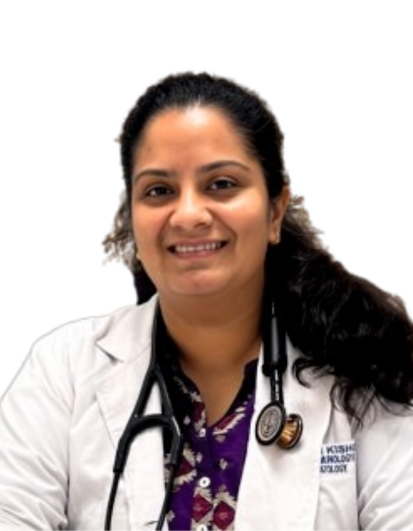
Dr. Kriti Kishore is a rheumatology specialist at Jigyasa Hospital, Moradabad, who evaluates and manages patients with scleroderma, systemic sclerosis, Raynaud's phenomenon, and other complex autoimmune conditions. She assesses skin changes, blood-vessel symptoms, joint complaints, digestive symptoms, breathing problems, and possible organ involvement.
Her approach combines detailed clinical evaluation, evidence-based treatment, and coordinated care with other specialists when scleroderma affects the lungs, heart, kidneys, digestive tract, or other organs. She explains the diagnosis, testing plan, and treatment options clearly.
When Your Skin Feels Tighter Than It Should
Have you noticed that the skin on your fingers, hands, or face feels unusually tight, thick, shiny, or difficult to move? Do your fingers turn white or blue in cold weather or during stress, followed by a painful red flush as blood flow returns? When these symptoms occur together, they may point to scleroderma.
Scleroderma is a rare but serious autoimmune condition that can affect the skin and, in many patients, internal organs. Early symptoms may seem mild, but the disease can gradually affect the lungs, heart, kidneys, digestive tract, joints, and blood vessels. Timely evaluation is therefore important even when skin changes appear limited.
What Is Scleroderma?
Scleroderma, also known as systemic sclerosis, is a chronic autoimmune disease in which the immune system triggers excessive collagen production. This can cause thickening, hardening, and tightening of the skin and may also affect connective tissue within internal organs.
The word "scleroderma" means "hard skin," but the condition can extend far beyond the skin's surface. The severity and pattern of disease vary from person to person. Some patients have mainly skin involvement, while others develop complications involving the lungs, heart, kidneys, digestive tract, or blood vessels.
Main Types of Scleroderma
- • Localised scleroderma mainly affects the skin and underlying tissue in specific areas.
- • This localised form is generally milder and usually does not cause major internal organ involvement.
- • Systemic sclerosis can affect the skin and internal organs.
- • Limited cutaneous systemic sclerosis often affects the fingers, hands, forearms, and face.
- • Diffuse cutaneous systemic sclerosis can involve the trunk and limbs more extensively.
- • Diffuse disease may carry a higher risk of earlier internal organ involvement.
Common Symptoms of Scleroderma
Scleroderma symptoms vary according to the type and extent of disease. Skin tightening may be the most visible sign, but blood vessel changes, digestive complaints, joint symptoms, breathing difficulty, and other organ-related symptoms may also develop. Some symptoms appear before skin changes become obvious.
Skin-Related Symptoms
- • Thickening, tightening, or hardening of the skin, often beginning in the fingers.
- • Shiny, taut-looking skin.
- • Reduced flexibility, making it harder to bend fingers or open the mouth fully.
- • Lighter or darker patches of skin.
- • Small red spots caused by dilated blood vessels, called telangiectasia.
- • Calcium deposits under the skin that may feel like hard lumps.
Raynaud's Phenomenon
- • Fingers or toes turning white, then blue, then red in response to cold or stress.
- • Numbness, tingling, or pain during colour changes.
- • Episodes that may become more frequent or severe over time.
- • Raynaud's may appear years before skin changes.
Systemic and Organ-Related Symptoms
- • Fatigue, weakness, or reduced stamina.
- • Joint pain and stiffness.
- • Difficulty swallowing or persistent acid reflux.
- • Shortness of breath from lung involvement.
- • High blood pressure or kidney-related problems.
- • Bloating, constipation, diarrhoea, or other digestive symptoms.
- • New symptoms involving several organs together.
- • Reduced ability to perform routine physical activities.
Raynaud's phenomenon can occur without an underlying disease. However, when it appears alongside skin tightening, abnormal fingers, digestive symptoms, joint pain, or breathing changes, timely rheumatology evaluation is important.
What Causes Scleroderma?
The exact cause of scleroderma is not fully understood. It is believed to result from a combination of immune system dysfunction, genetic susceptibility, and environmental triggers that lead to abnormal collagen production and tissue thickening.
Recognised Risk Factors
- • Immune system dysfunction causing excessive collagen production.
- • Family history of scleroderma or other autoimmune diseases.
- • Female sex, as scleroderma is more common in women.
- • Age, with many cases diagnosed between 30 and 50.
- • Exposure to silica dust or certain chemicals in some occupational settings.
- • Coexisting autoimmune diseases.
Personalised Scleroderma Care
Treatment is planned according to the type of scleroderma, extent of skin involvement, organ symptoms, disease severity, test results, and the patient's overall health.
Comprehensive Diagnostic Evaluation
Assessment may include autoimmune antibody tests, nailfold capillaroscopy, lung function testing, chest imaging, echocardiography, kidney tests, and digestive evaluation.
Organ Protection and Monitoring
Regular monitoring helps detect lung, heart, kidney, digestive, and blood-vessel complications early, even when skin symptoms are stable or mild.
Coordinated Multidisciplinary Care
Rheumatology care can be coordinated with pulmonology, cardiology, nephrology, gastroenterology, physiotherapy, and occupational therapy when required.
Trusted Rheumatology Care in Moradabad
Patients from Moradabad, Rampur, Sambhal, Amroha, Bijnor, and nearby districts visit Jigyasa Hospital for complex autoimmune and scleroderma care.
How Is Scleroderma Diagnosed?
Diagnosing scleroderma requires a comprehensive evaluation because symptoms may develop gradually and internal organ involvement is not always immediately visible. Dr. Kriti Kishore assesses the pattern of skin changes, Raynaud's phenomenon, systemic symptoms, examination findings, blood tests, and organ function.
1. Detailed Medical History
The consultation covers the onset and progression of skin changes, finger colour changes, Raynaud's episodes, reflux, swallowing difficulty, joint symptoms, fatigue, breathing problems, and family or occupational history.
2. Physical Examination
The skin is examined for thickening, tightening, pigment changes, ulcers, calcium deposits, and blood-vessel changes. Joints, fingers, pulses, blood pressure, and signs of organ involvement are also assessed.
3. Blood Tests
Tests may include ANA, anti-Scl-70, anti-centromere antibodies, inflammatory markers, blood counts, kidney function, and other autoimmune studies selected according to the patient's symptoms.
4. Nailfold Capillaroscopy
This specialised examination evaluates the tiny blood vessels at the base of the fingernails. Characteristic changes may support the diagnosis and help assess microvascular involvement.
5. Pulmonary Function Tests and Chest Imaging
Lung function tests and chest imaging may be advised to screen for lung involvement, including changes that may develop before significant breathing symptoms appear.
6. Echocardiogram
An echocardiogram may be used to assess heart function and screen for pulmonary hypertension or other changes associated with systemic sclerosis.
7. Kidney Function Tests
Blood pressure, urine tests, and kidney function tests help monitor for scleroderma-related kidney involvement and allow early action if abnormalities are detected.
8. Digestive Evaluation
When reflux, swallowing difficulty, bloating, constipation, or diarrhoea are present, additional digestive evaluation may be recommended to assess esophageal and gastrointestinal involvement.
Since scleroderma can silently affect the lungs, heart, and kidneys, a baseline evaluation followed by regular monitoring is important even when skin symptoms seem limited or stable.
Treatment for Scleroderma at Jigyasa Hospital
There is currently no permanent cure for scleroderma, but early diagnosis and consistent, well-monitored treatment can slow progression, manage symptoms, and protect organ function. Dr. Kriti Kishore selects treatment according to the type of scleroderma, organs affected, disease severity, and treatment response.
1. Managing Raynaud's Phenomenon
- • Keep the hands, feet, and entire body warm during cold weather.
- • Avoid smoking and excessive caffeine, which may worsen blood-vessel constriction.
- • Use medicines to improve blood flow in significant cases when prescribed.
- • Protect fingertips from injury, cold, and skin ulcers.
- • Use gloves and warm clothing in cold environments.
- • Report persistent ulcers, severe pain, or colour changes promptly.
2. Skin-Directed Treatment
Regular moisturising can reduce dryness and improve skin comfort. Physical therapy, stretching, and hand exercises help preserve joint flexibility and reduce the risk of contractures, especially when the fingers or hands are affected.
Medicines may be considered for more extensive skin involvement or active systemic disease. Treatment is selected according to the pattern and progression of skin thickening and the presence of other organ symptoms.
3. Medicines for Disease Control
- • Immunosuppressive medicines may slow disease activity in significant skin or organ involvement.
- • Specific medicines may be used for lung fibrosis or pulmonary hypertension when present.
- • Acid-reducing medicines can control reflux and protect the esophagus.
- • Blood-pressure medicines are important when kidney or vascular complications occur.
4. Managing Digestive Symptoms
Smaller meals, dietary modifications, acid-reducing medicines, and treatments that support digestive movement may help manage reflux, swallowing difficulty, bloating, constipation, and diarrhoea. Recommendations are adjusted according to symptoms and the digestive system areas involved.
5. Organ-Specific Monitoring and Coordinated Care
Because scleroderma may affect the lungs, heart, kidneys, blood vessels, and digestive tract, care may be coordinated between rheumatology, pulmonology, cardiology, nephrology, and other specialists. This helps identify complications early and protect organ function through proactive treatment.
6. Physical and Occupational Therapy
Physical therapy can maintain joint mobility, muscle strength, and hand function. Occupational therapy may help patients modify daily activities, use supportive tools, conserve energy, and continue important tasks safely when skin tightening or reduced hand movement causes difficulty.
7. Long-Term Follow-Up
Scleroderma can progress gradually and may involve different organs over time. Regular follow-up may include lung function tests, echocardiograms, kidney tests, blood-pressure monitoring, urine evaluation, and clinical examinations to identify changes early and adjust treatment appropriately.
Why Choose Dr. Kriti Kishore at Jigyasa Hospital?
Scleroderma is a complex, multi-system disease that requires more than treatment for skin tightness alone. Early recognition, accurate classification, organ screening, and coordinated long-term monitoring are essential to reduce complications and protect quality of life.
- • Dedicated rheumatology consultation for complex systemic autoimmune conditions.
- • Comprehensive diagnostic facilities, including a NABL-accredited laboratory.
- • Individualised plans designed to slow progression and protect organ function.
- • Regular monitoring of skin, blood vessels, lungs, heart, kidneys, and digestive symptoms.
- • Coordinated care with pulmonology, cardiology, nephrology, and other specialists when required.
- • Physical and occupational therapy support when needed.
- • 24/7 emergency care availability for acute complications.
- • Treatment support under Ayushman Bharat PM-JAY empanelment for eligible patients.
Jigyasa Hospital is conveniently accessible to patients from Moradabad, Rampur, Sambhal, Amroha, Bijnor, and nearby districts seeking specialist evaluation and ongoing autoimmune disease management.
Living Well with Scleroderma
Daily precautions and regular monitoring can help patients manage scleroderma more safely and comfortably. The aim is to protect circulation, maintain skin and joint flexibility, reduce reflux, support organ health, and identify changes before they become serious.
- • Keep warm and protect hands and feet from cold.
- • Moisturise the skin and perform gentle stretching exercises.
- • Avoid smoking, which can worsen circulation and lung complications.
- • Eat smaller meals and avoid lying down immediately after eating if reflux is present.
- • Attend scheduled monitoring tests even without new symptoms.
- • Report breathlessness, swelling, high blood pressure, or worsening fatigue promptly.
- • Follow prescribed treatment consistently.
- • Build a support network for the emotional challenges of chronic autoimmune disease.
Do not wait for severe symptoms before attending follow-up. Scleroderma-related organ involvement may progress silently, and regular testing gives the medical team an opportunity to act early, adjust treatment, and protect long-term health.
Book an Appointment with Dr. Kriti Kishore
Jigyasa Hospital offers comprehensive rheumatology care for scleroderma, systemic sclerosis, Raynaud's phenomenon, and other complex autoimmune conditions under the guidance of Dr. Kriti Kishore. Early evaluation and regular monitoring can help manage symptoms and protect organ function.
Near Miglani Cinema, Rampur Road, Moradabad 244001
Call Now
7900903333Frequently Asked Questions
Is scleroderma the same as having tight or dry skin?
No. Skin tightening is an important feature of scleroderma, but the condition is a systemic autoimmune disease. It can also affect internal organs such as the lungs, heart, kidneys, digestive tract, blood vessels, and joints.
Does everyone with Raynaud's phenomenon have scleroderma?
No. Raynaud's phenomenon often occurs on its own without an underlying disease. However, when it appears with skin tightening, abnormal nailfold blood vessels, joint symptoms, breathing problems, or digestive complaints, it may be an early sign of scleroderma and should be evaluated.
Is scleroderma curable?
There is currently no permanent cure for scleroderma, but early diagnosis and consistent treatment can slow disease progression, manage symptoms, improve quality of life, and protect organ function. Regular monitoring is essential because organ involvement may develop gradually.
Which organs are commonly affected by scleroderma besides the skin?
The lungs, esophagus, heart, kidneys, digestive tract, blood vessels, and joints may be affected. The pattern varies from person to person, which is why baseline testing and regular monitoring are important even when skin symptoms appear mild.
Is scleroderma hereditary?
Scleroderma is not directly inherited in most cases. However, a family history of scleroderma or other autoimmune conditions may slightly increase susceptibility. Many patients develop the condition without any known family history.
When should I see a rheumatologist for possible scleroderma?
A rheumatology evaluation is recommended if you notice skin tightening or thickening, especially with Raynaud's phenomenon, finger colour changes, unexplained reflux, swallowing difficulty, breathing problems, joint symptoms, or persistent fatigue.
Why Patients Choose Us
- 24/7 Emergency & Trauma Care
- Top Specialist Doctors
- Modern ICU & Operation Theatres
- Transparent & Affordable Pricing
- Ayushman Bharat Empanelled
- Cashless Insurance Support
- Multispeciality Under One Roof
Our Location
Near Miglani Cinema,
Rampur Road,
Moradabad 244001