
Skin Brightening & Even-Tone Treatment in Moradabad — Dr. Abida, Dermatologist, Jigyasa Hospital
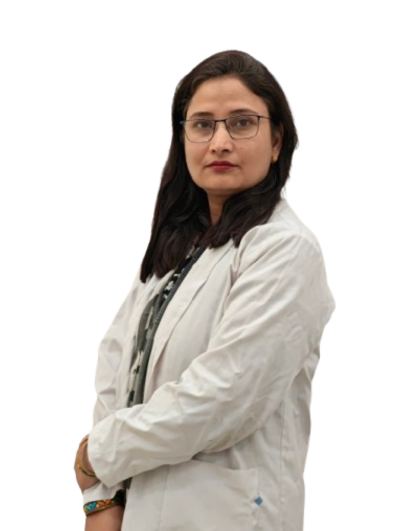
Dr. Abida is a dermatology specialist at Jigyasa Hospital, Moradabad, who evaluates and manages patients seeking clearer, more even-toned, and radiant skin. She offers safe, evidence-based treatment for dullness, uneven pigmentation, and tan, while also guiding patients away from unregulated “whitening” products that can damage the skin.
Her approach combines detailed skin evaluation with medically appropriate treatment options and honest guidance on what can realistically be achieved. She explains the treatment process, skincare routine, and sun protection clearly so patients understand how to support healthier, more even-looking skin over time.
A Safe, Medical Approach to Brighter, More Even Skin
Many people search for “skin whitening” when what they actually want is reduced dullness, fewer dark patches, and a more uniform, healthy glow. At-home scrubs, salon “polishing”, and unregulated fairness creams often promise quick results but can cause irritation, thinning, or rebound pigmentation.
At Jigyasa Hospital, Moradabad, Dr. Abida, Dermatologist, offers a medically supervised approach to skin brightening and even-tone care. Patients from Moradabad, Rampur, Sambhal, Amroha, and Bijnor choose Jigyasa Hospital for treatment grounded in dermatological science rather than marketing claims.
What Dermatological Brightening Treatment Can Actually Improve
Legitimate dermatology does not alter your base skin tone. It works on specific, treatable concerns that affect how bright and even your skin appears:
- • Dullness caused by dead skin buildup and dehydration
- • Uneven pigmentation such as melasma and sun spots
- • Tan and sun-related darkening from UV exposure
- • Post-inflammatory marks after acne or rashes
- • Patchy discoloration from previous product use
- • Overall lack of radiance due to barrier damage
- • Early, superficial signs of photoaging
- • General desire for a healthier, more uniform glow
It's important to understand that treatment focuses on correcting these specific issues, not on changing your natural, genetically determined skin colour.
Why Unregulated “Whitening” Products Are a Concern
The market is full of fairness and whitening creams that promise dramatic results but often skip important safety details. Common red flags include:
- • Unregulated high-strength hydroquinone without medical supervision, risking ochronosis (paradoxical darkening)
- • Mercury-containing creams that can damage skin and internal organs
- • Steroid-laced “fairness” products that thin the skin and worsen pigmentation over time
- • Undisclosed or unclear ingredient lists, making safety impossible to judge
Dr. Abida advises against using such unregulated products. Any treatment targeting pigmentation or tone should be planned and monitored by a dermatologist.
Specialist Dermatology Evaluation for Skin Concerns
Every brightening consultation begins with a comprehensive skin assessment by Dr. Abida to confirm whether your concern is dullness, tan, pigmentation, or product-related damage.
Comprehensive Diagnostic Approach
Evaluation includes a detailed skin history, thorough examination of tone and texture, and relevant supporting evaluation through the NABL-accredited laboratory.
Medically Supervised Brightening Care
Treatment plans use evidence-based options such as medical-grade topicals, peels, and skincare guidance, with settings and durations appropriate to your skin type.
Honest Expectation-Setting
Dr. Abida clearly explains what treatment can and cannot achieve, correcting myths about permanent ‘whitening’ and focusing on even, healthy-looking skin.
Trusted Skin Brightening in Moradabad
Patients from Moradabad, Rampur, Sambhal, Amroha, Bijnor, and nearby districts choose Jigyasa Hospital for safe, science-based care for dullness and uneven tone.
Diagnostic and Pre-Treatment Assessment at Jigyasa Hospital
Confirming the right approach for brighter, more even skin relies on a careful evaluation. At Jigyasa Hospital, the diagnostic process typically includes:
1. Skin History and Concerns
Dr. Abida discusses your specific concerns, skin type, current skincare routine, and any fairness or whitening products you've used previously.
2. Skin Examination
A thorough assessment of tone, texture, and pigmentation helps identify whether the main issue is tan, melasma, post-inflammatory marks, or product-related damage.
3. Setting Appropriate Expectations
A clear discussion of what treatment can realistically achieve for your specific concerns, correcting myths about permanent “whitening” and focusing on even, healthy-looking skin.
Safe, Evidence-Based Options for Brighter, More Even Skin
Medical-Grade Topical Agents
For true pigmentation issues, prescription creams at correct strength and duration can safely lighten specific dark patches under supervision.
Chemical Peels
Superficial to medium peels, chosen by skin type and concern, help reduce dullness, smooth texture, and fade superficial discoloration.
Antioxidant & Brightening Serums
Daily use of ingredients like vitamin C and niacinamide supports radiance and gradual evening of tone when used consistently.
Daily Sun Protection
Broad-spectrum sunscreen is non-negotiable; it prevents new tan, pigmentation, and reversal of treatment gains.
Hydration-Focused Skincare
Proper moisturisation restores the skin barrier, reduces dullness, and improves the look of healthy, glowing skin.
Recovery from Unregulated Product Damage
If prior creams have caused thinning, sensitivity, or rebound pigmentation, we plan a gentle repair-focused regimen first.
Treatment Schedule and What to Expect
- • Brightening treatments are often recommended as a series, typically spaced a few weeks apart, to achieve cumulative improvement in tone and radiance
- • Many patients notice gradual improvement in smoothness and glow over several weeks, with more significant change over a few months of consistent care
- • Periodic maintenance sessions or ongoing skincare may be recommended to sustain results over time
- • Results are generally most noticeable for superficial concerns like tan and dullness, with realistic expectations set for deeper or long-standing pigmentation
Aftercare Following Brightening Treatment
- • Use a gentle, fragrance-free moisturiser as the skin may be slightly more sensitive initially
- • Apply broad-spectrum sunscreen diligently, since freshly treated skin is more vulnerable to sun damage
- • Avoid harsh exfoliating products or treatments for a few days to allow the skin to fully recover
- • Avoid excessive sun exposure immediately after treatment
- • Stay adequately hydrated to support the skin's natural recovery process
Who Should Exercise Caution with Brightening Treatments
Certain individuals may need modified treatment or additional evaluation before proceeding, including those with:
- • Active, significant acne breakouts or inflamed skin, which may need stabilisation first
- • Active rosacea or very sensitive skin, where a gentler approach or alternative may be more appropriate
- • Recent sun exposure or sunburn in the treatment area
- • History of allergic reactions to skincare actives
- • Certain active skin infections or open wounds in the treatment area
Dr. Abida assesses these factors during consultation to ensure a safe, appropriate plan is recommended based on your specific skin condition.
Brightening Treatments vs. Other Skin Procedures
Given the range of skin procedures available, patients often want to understand how brightening care compares to options like peels or lasers:
- • Brightening-focused care often combines gentle topicals, peels, and skincare to improve tone and radiance with minimal downtime
- • Deeper peels or laser treatments can address more significant pigmentation or scarring but typically involve more downtime and sensitivity
- • Some patients benefit from a combination approach, using daily skincare and periodic in-clinic treatments for sustained improvement
- • Dr. Abida helps you understand which approach, or combination of approaches, is best suited to your specific skin goals
Why Choose Jigyasa Hospital for Skin Brightening in Moradabad
Safe, effective brightening and even-tone care works best when it's recommended following a proper skin assessment. Jigyasa Hospital, located on Rampur Road near Miglani Cinema, Moradabad, offers:
- • Professional skin assessment with Dr. Abida before recommending any brightening treatment
- • Evidence-based options tailored to your skin type and specific concerns
- • NABL-accredited diagnostic laboratory for any relevant supporting evaluation
- • Empanelment under Ayushman Bharat PM-JAY, extending eligible treatment benefits to qualifying families
- • 24/7 emergency care support for any associated concerns
- • Wide service catchment covering Moradabad, Rampur, Sambhal, Amroha, and Bijnor, bringing specialized dermatological care closer to home
If dull, uneven, or patchy skin has been bothering you, a proper dermatological consultation can identify the real cause and guide you toward safe, effective treatment — without the risks of unregulated whitening products.
Book an Appointment with Dr. Abida
Jigyasa Hospital offers specialist dermatology care for skin brightening and even-tone treatment under the guidance of Dr. Abida. A proper consultation ensures you understand what your skin actually needs and what can realistically be achieved.
Near Miglani Cinema, Rampur Road, Moradabad 244001
Call Now
7900903333Frequently Asked Questions
Can a dermatologist permanently change my natural skin tone?
No. Your base skin colour is genetically determined. Dermatology focuses on correcting dullness, uneven pigmentation, tan, and patchiness to make skin look clearer and more radiant, not on changing your natural tone.
Are over-the-counter whitening creams safe?
Many are not. Some contain unsafe levels of actives, steroids, or even mercury. It’s safer to consult a dermatologist before using any strong lightening product.
What’s the difference between skin brightening and skin whitening?
Brightening aims to improve radiance and evenness by treating specific issues like tan and pigmentation. Whitening implies changing your natural tone, which is neither safe nor medically appropriate.
Is hydroquinone safe to use?
Yes, when prescribed at the right strength and duration for specific pigmentation, under medical supervision. Unsupervised, long-term, or high-strength use can cause complications like ochronosis.
Can sun exposure reverse my brightening results?
Yes. UV exposure is a major cause of new tan and pigmentation. Daily sunscreen is essential during and after any brightening treatment.
I’ve used fairness creams before and now have sensitivity or patchy colour. Can this be treated?
Yes. A dermatologist can assess the damage and create a gentle, repair-focused plan to restore barrier function and stabilise pigmentation.
How soon will I see results from safe brightening treatment?
Improvement is usually gradual, often visible over several weeks to a few months of consistent care, not immediately.
When should I see a dermatologist for dull or uneven skin?
If dullness or uneven tone persists, or if you’ve tried multiple products without safe, lasting results, a dermatologist can identify the cause and plan appropriate treatment.
Why Patients Choose Us
- 24/7 Emergency & Trauma Care
- Top Specialist Doctors
- Modern ICU & Operation Theatres
- Transparent & Affordable Pricing
- Ayushman Bharat Empanelled
- Cashless Insurance Support
- Multispeciality Under One Roof
Our Location
Near Miglani Cinema,
Rampur Road,
Moradabad 244001