
Thyroid Test and Consultation in Moradabad — Dr. Ashish Gupta at Jigyasa Hospital
The thyroid is a small gland, but its effect on the body is wide-reaching. It helps control metabolism, energy, body temperature, mood, and heart rate. When thyroid hormone levels are too high or too low, the effects can appear in many different ways. Fatigue, weight changes, mood shifts, and hair thinning are only a few examples. Because these symptoms can be subtle, proper testing is important.
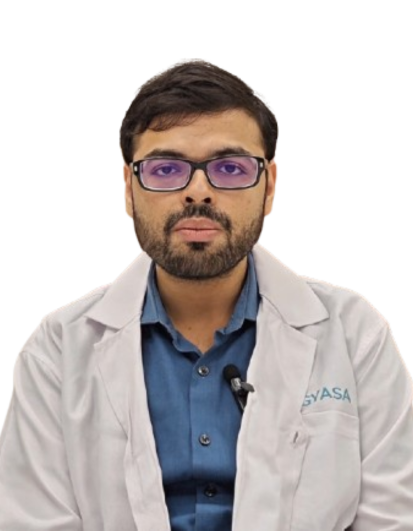
At Jigyasa Hospital, Moradabad, patients can undergo thyroid testing and consultation with Dr. Ashish Gupta. The focus is on careful evaluation, clear explanation of results, and practical treatment planning. This helps patients understand what is happening and what steps come next. For many people, that clarity is the first step toward feeling better. Thyroid care works best when it is thorough and consistent.
Why Thyroid Health Deserves Attention
The thyroid produces hormones that influence almost every major function in the body. These hormones affect metabolism, heart rate, sleep, menstrual cycles, skin, hair, and temperature regulation. When hormone levels are off, symptoms may appear in unexpected ways. Many people mistake them for stress, aging, or general tiredness. That is why proper testing is so important.
Because the symptoms can overlap with other conditions, thyroid-related problems are often overlooked at first. Accurate evaluation helps identify whether the thyroid is truly the cause. A physician can then guide the right treatment based on test results and clinical findings. This reduces guesswork. It also improves the chances of effective long-term management.
Common Thyroid Conditions
Hypothyroidism happens when the thyroid does not produce enough hormone. It can cause fatigue, weight gain, dry skin, cold intolerance, and constipation. Hyperthyroidism is the opposite and may lead to weight loss, tremors, rapid heartbeat, sweating, and anxiety. These two conditions require different treatment approaches. Proper testing helps tell them apart clearly.
Other thyroid concerns include nodules, goiter, thyroiditis, and autoimmune thyroid disease. Some nodules are harmless, while others need closer evaluation. Goiter refers to an enlarged thyroid, and thyroiditis involves inflammation. Autoimmune conditions like Hashimoto’s and Graves’ disease can also affect thyroid function. Each condition needs a tailored approach.
Signs You May Need a Thyroid Test
You may want a thyroid test if you have persistent fatigue, unexplained weight gain or loss, hair thinning, or dry skin. Feeling unusually cold or unusually hot can also be a clue. Irregular menstrual cycles, mood changes, and heart rate changes are other possible signs. A swelling or lump in the neck should never be ignored. These symptoms together often point toward the need for testing.
Family history also matters, because thyroid conditions can run in families. If several of these symptoms are present, testing can provide clarity and help identify a treatable cause. Many patients feel relieved once the underlying issue is found. Timely diagnosis can prevent symptoms from worsening. It also makes treatment more targeted and effective.
What Thyroid Tests Measure
Thyroid evaluation usually begins with blood tests such as TSH, Free T4, and sometimes Free T3. TSH is often the first test because it shows how strongly the pituitary is signaling the thyroid. Free T4 helps confirm whether the thyroid is producing enough hormone. Free T3 can provide extra detail in some cases, especially hyperthyroidism. Together, these tests give a fuller picture of thyroid function.
Thyroid antibody tests may also be ordered if an autoimmune cause is suspected. If there is swelling, a nodule, or an enlarged gland, an ultrasound may be recommended. In selected cases, a biopsy may be needed to check a nodule more closely. The exact tests depend on your symptoms and examination. Your doctor will decide the best combination for you.
What to Expect During Consultation
A thyroid consultation usually starts with a detailed review of symptoms and medical history. The doctor may ask about fatigue, weight changes, temperature sensitivity, neck swelling, and family history. A physical examination often includes checking the neck for enlargement or nodules. This helps guide the next steps. The goal is to understand the full picture before making a decision.
After the evaluation, the doctor may recommend blood tests or imaging if needed. Once the results are available, they are explained in clear language so you understand what they mean. Treatment may involve medication, monitoring, or further evaluation depending on the diagnosis. Follow-up planning is often important because thyroid conditions usually need ongoing review. This approach helps keep hormone levels well controlled over time.
Dr. Ashish Gupta’s Approach to Thyroid Care
Dr. Ashish Gupta is known for a careful, patient-focused approach to thyroid evaluation. He takes time to understand the pattern of symptoms rather than focusing on one complaint alone. This can help uncover thyroid issues that might otherwise be missed. Patients also receive clear explanations of the results. That makes the diagnosis easier to understand and act on.
Treatment plans are adjusted to each patient’s hormone levels, symptoms, and overall health. Since thyroid conditions often need long-term monitoring, follow-up care is a normal part of the process. This allows the doctor to review progress and make adjustments when needed. That kind of ongoing support can be very helpful. It also gives patients more confidence in their treatment.
Why Patients Choose Jigyasa Hospital
Jigyasa Hospital offers on-site laboratory support, which makes thyroid testing more convenient for many patients. If imaging is needed, ultrasound and related services can often be arranged without major delay. This makes the diagnostic process smoother. It also supports quicker decision-making. Having multiple services under one roof is often a practical advantage.
The hospital also supports coordinated long-term care, which is important for thyroid conditions that need repeated testing and follow-up. Clear communication helps patients understand their condition and treatment more confidently. Being located in Moradabad makes care easier to access for local patients and nearby visitors. For many families, that convenience matters a lot. It helps them stay consistent with care.
Living with a Thyroid Condition
Once treatment begins, consistency is very important. Medicines should be taken exactly as directed, and doses should not be changed on your own. Regular follow-up tests help the doctor see whether treatment is working properly. That allows small adjustments before problems grow bigger. Long-term control often depends on steady follow-up.
A balanced diet, stress management, and reporting new symptoms early can also help support your care. If anything changes after starting treatment, it is better to tell the doctor promptly. Patients should also keep previous reports and a list of current medicines ready for review. These small habits make care more organized. They also improve treatment continuity.
Thorough Thyroid Evaluation
Detailed assessment of symptoms, history, and test results to identify thyroid-related problems accurately.
Experienced Physician
Consultation with Dr. Ashish Gupta at Jigyasa Hospital, Moradabad, for careful thyroid care and follow-up.
On-Site Testing Support
Thyroid blood tests and related investigations can often be arranged through the hospital’s diagnostic services.
Imaging When Needed
Thyroid ultrasound and other imaging can be arranged if a nodule, swelling, or goiter needs further evaluation.
Ongoing Monitoring
Thyroid conditions often need follow-up testing and treatment adjustments over time for stable control.
Accessible Care in Moradabad
Thyroid consultation and testing are available at Jigyasa Hospital, Near Miglani Cinema, Rampur Road, Moradabad.
Book a Thyroid Test and Consultation at Jigyasa Hospital
If you have symptoms that could be related to your thyroid, getting tested is a practical first step. Dr. Ashish Gupta at Jigyasa Hospital offers careful thyroid evaluation and consultation in Moradabad. The hospital team can help you book an appointment and plan the right tests. That makes the process easier to start. It also helps you move toward a clearer diagnosis.
Whether you need a first evaluation or ongoing follow-up, the hospital can guide you through the next step. If you have older reports, bring them along so they can be reviewed. Good preparation helps the consultation go more smoothly. It also gives the doctor more information to work with. That often leads to better decisions.
Address
Near Miglani Cinema, Rampur Road, Moradabad 244001
Phone
7900903333Frequently Asked Questions About Thyroid Test and Consultation
How do I book a thyroid test and consultation in Moradabad?
You can contact Jigyasa Hospital, Moradabad directly through their reception or hospital contact number to schedule a consultation with Dr. Ashish Gupta and arrange thyroid testing. This is the most reliable way to confirm availability and plan your visit. The hospital staff can guide you on the booking process. They can also tell you whether any preparation is needed before the test. Direct confirmation helps avoid confusion.
What blood tests are used to check thyroid function?
Common thyroid tests include TSH, Free T4, and Free T3. In some cases, thyroid antibody tests may also be added to check for autoimmune thyroid conditions. Your doctor will decide which tests are appropriate based on your symptoms and examination. The combination of tests helps build a clearer picture of thyroid function. This supports more accurate diagnosis.
Do I need to fast before a thyroid blood test?
Fasting is usually not required for standard thyroid function tests. However, if your thyroid test is combined with other blood panels, the instructions may be different. It is best to confirm this with the hospital or your physician before the test. That way, you can prepare correctly and avoid needing to repeat tests. A quick confirmation is always useful.
What are the common symptoms of an underactive thyroid?
Hypothyroidism often causes fatigue, weight gain, cold intolerance, dry skin, hair thinning, and constipation. Some patients also notice low mood or reduced energy. Because these symptoms can be linked to many conditions, proper testing is important. A thyroid consultation helps identify the real cause. It also guides the right treatment plan.
Can thyroid problems be completely cured?
Many thyroid conditions, especially hypothyroidism, are managed long term rather than cured outright. Some causes of hyperthyroidism may have more definitive treatment options depending on the underlying problem. The exact outlook depends on the specific diagnosis. Your doctor will explain the options clearly after reviewing your test results. Ongoing follow-up is often part of effective care.
Why Patients Choose Us
- 24/7 Emergency & Trauma Care
- Top Specialist Doctors
- Modern ICU & Operation Theatres
- Transparent & Affordable Pricing
- Ayushman Bharat Empanelled
- Cashless Insurance Support
- Multispeciality Under One Roof
Our Location
Near Miglani Cinema,
Rampur Road,
Moradabad 244001