
Type 1 Diabetes Specialist in Moradabad — Dr. Ashish Gupta at Jigyasa Hospital
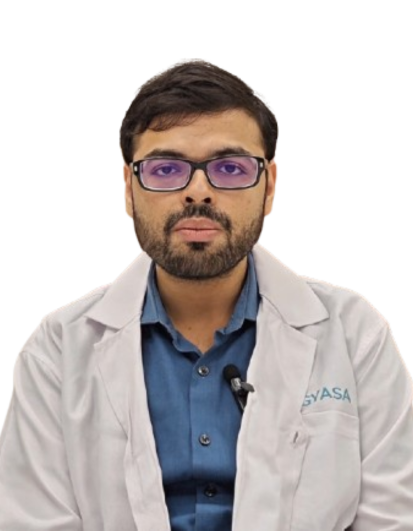
If you or your child has been diagnosed with Type 1 diabetes, consistent medical support is essential from day one. At Jigyasa Hospital in Moradabad, Dr. Ashish Gupta provides structured care that focuses on insulin management, blood sugar control, and long-term health.
Because Type 1 diabetes is a lifelong condition, patients and families often need clear education, practical guidance, and regular follow-up. A thoughtful treatment plan can make daily management safer, easier, and more effective over time.
Understanding Type 1 Diabetes
Type 1 diabetes is an autoimmune condition in which the body's immune system attacks the insulin-producing beta cells in the pancreas. As a result, the body produces little or no insulin, so blood sugar cannot be controlled normally without treatment.
Unlike Type 2 diabetes, it is not caused by body weight, diet, or lifestyle habits. It most often develops in children, teenagers, and young adults, but it can appear at any age [web:9][web:10].
With the right care and education, patients with Type 1 diabetes can still lead active and healthy lives while keeping their blood sugar under good control.
What Causes Type 1 Diabetes?
The exact cause is not fully understood, but Type 1 diabetes is strongly linked to an autoimmune response, genetic predisposition, and possible environmental triggers such as viral infections [web:9][web:10].
Many people with Type 1 diabetes have no family history of the condition, which is why it can seem to appear suddenly. Because it is an autoimmune disease, it cannot be prevented through diet or lifestyle changes.
That is why early recognition and testing are so important when symptoms first appear.
Common Symptoms of Type 1 Diabetes
Common symptoms include excessive thirst, frequent urination, increased hunger, unexplained weight loss, fatigue, blurred vision, irritability, and slow-healing wounds [web:9][web:10].
In some patients, symptoms develop quickly over a few weeks. In more advanced cases, diabetic ketoacidosis may occur, with nausea, vomiting, abdominal pain, rapid breathing, and confusion, which needs urgent medical attention.
If these symptoms appear suddenly, especially in a child or teenager, they should be checked without delay.
Why Specialized Care Matters
Managing Type 1 diabetes means more than starting insulin. It also requires understanding blood sugar patterns, adjusting doses safely, preventing complications, and supporting the emotional needs of patients and families.
Good care includes education about food, activity, illness management, and warning signs of low or high blood sugar. This helps patients make informed day-to-day decisions with confidence.
A specialist-led approach gives patients a better chance of stable control and long-term safety.
Diagnostic Process at Jigyasa Hospital
The evaluation usually begins with a detailed history and symptom review, followed by blood glucose testing and HbA1c to assess current and recent sugar levels [web:9][web:10].
When needed, autoantibody testing, C-peptide testing, and ketone testing can help confirm Type 1 diabetes and identify diabetic ketoacidosis early. These tests help distinguish Type 1 diabetes from other forms of diabetes.
At Jigyasa Hospital, the diagnostic process is designed to be clear, prompt, and medically precise.
Treatment and Management
Lifelong insulin therapy is essential because the body cannot make enough insulin on its own. Treatment may involve multiple daily injections or an insulin pump, depending on the patient's needs.
Regular blood sugar monitoring, carbohydrate counting, exercise planning, and sick-day management are also important parts of daily care. In addition, routine screening for eye, kidney, nerve, heart, and foot complications helps protect long-term health [web:9][web:10].
Dr. Ashish Gupta guides patients and families through these steps so treatment feels practical and manageable.
Why Patients Choose Dr. Ashish Gupta
Patients at Jigyasa Hospital receive a personalised insulin plan based on age, activity, diet, and blood sugar patterns. That makes treatment more accurate and easier to follow in real life.
Families are also taught how to recognise high and low sugar levels, how to respond to illness, and when to seek urgent care. This support is especially valuable after a new diagnosis.
The goal is long-term partnership, not just a one-time prescription.
Living Well with Type 1 Diabetes
Consistent glucose monitoring, careful insulin use, carbohydrate awareness, regular exercise, and follow-up appointments are key to living well with Type 1 diabetes [web:9][web:10].
It also helps to keep insulin and emergency glucose sources nearby, especially during travel, illness, or physical activity. Emotional support from family and caregivers can make a major difference too.
With the right habits and medical guidance, everyday life can remain active and stable.
When to Seek Urgent Medical Attention
Seek urgent care if there are signs of diabetic ketoacidosis such as vomiting, abdominal pain, rapid breathing, fruity-smelling breath, or confusion. Severe low sugar, persistent high readings, or illness with worsening sugar control also need prompt medical attention.
In Type 1 diabetes, emergencies can develop quickly, so a clear action plan is very important for every patient and family.
Fast response can prevent serious complications and may save a life.
Why Choose Jigyasa Hospital for Type 1 Diabetes Care
Jigyasa Hospital offers diagnosis, treatment, complication screening, and follow-up care for patients with Type 1 diabetes in Moradabad and nearby areas. This makes long-term management easier and more consistent.
Dr. Ashish Gupta focuses on patient and family education so everyone understands insulin use, monitoring, and emergency planning. That support helps build confidence from the start.
For families looking for dedicated Type 1 diabetes care in Moradabad, Jigyasa Hospital is a dependable place to begin.
Complete Type 1 Diabetes Care
Diagnosis, insulin planning, blood sugar monitoring, and long-term follow-up at Jigyasa Hospital in Moradabad.
Specialist Guidance
Care led by Dr. Ashish Gupta with a structured and patient-focused approach to diabetes management.
Accurate Evaluation
Blood glucose, HbA1c, autoantibodies, C-peptide, and ketone testing help confirm the diagnosis clearly.
Ongoing Monitoring
Regular follow-up supports insulin adjustment, complication screening, and safe long-term control.
Education and Support
Patients and families receive guidance on insulin use, carbohydrate counting, sick-day care, and emergency awareness.
Local Care in Moradabad
Convenient specialist care for Type 1 diabetes available at Jigyasa Hospital, Moradabad.
Book a Consultation with Dr. Ashish Gupta
If you suspect Type 1 diabetes or need ongoing support for an existing diagnosis, do not delay care. Book your consultation with Dr. Ashish Gupta at Jigyasa Hospital, Moradabad, for evaluation, insulin planning, and long-term management.
Early specialist care can improve day-to-day control and help prevent serious complications over time.
Address
Near Miglani Cinema, Rampur Road, Moradabad 244001
Phone
7900903333Frequently Asked Questions About Type 1 Diabetes
What is Type 1 diabetes?
Type 1 diabetes is a chronic autoimmune condition in which the body's immune system destroys the insulin-producing cells in the pancreas. Because the body makes little to no insulin, lifelong insulin treatment is required to manage blood sugar safely.
How is Type 1 diabetes different from Type 2 diabetes?
Type 1 diabetes is caused by autoimmune destruction of insulin-producing cells, while Type 2 diabetes is more commonly linked to insulin resistance. Type 1 diabetes usually needs insulin from the time of diagnosis.
What are the common symptoms of Type 1 diabetes?
Common symptoms include excessive thirst, frequent urination, unexplained weight loss, increased hunger, fatigue, blurred vision, and irritability. In severe cases, diabetic ketoacidosis may develop and requires emergency care.
How is Type 1 diabetes diagnosed?
Diagnosis is usually made using blood glucose testing, HbA1c, autoantibody testing, C-peptide testing, and ketone testing when needed. These tests help confirm insulin deficiency and distinguish Type 1 diabetes from other forms.
Can a person with Type 1 diabetes live a normal life?
Yes. With proper insulin therapy, regular monitoring, education, and follow-up care, people with Type 1 diabetes can live full, active, and healthy lives.
Why Patients Choose Us
- 24/7 Emergency & Trauma Care
- Top Specialist Doctors
- Modern ICU & Operation Theatres
- Transparent & Affordable Pricing
- Ayushman Bharat Empanelled
- Cashless Insurance Support
- Multispeciality Under One Roof
Our Location
Near Miglani Cinema,
Rampur Road,
Moradabad 244001