
Pilonidal Sinus Surgery in Moradabad: Expert, Lasting Treatment with Dr. Rahul Kumar at Jigyasa Hospital
A small pit or dimple near the top of the buttocks crease that seems harmless until it suddenly becomes painful, swollen, and starts discharging pus is typical of pilonidal sinus. Many patients, especially young adults, live for years with cycles of apparent healing and painful flare‑ups without realising that definitive surgery can end the problem.
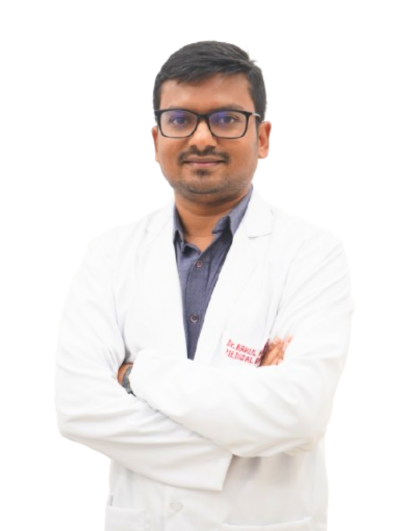
For patients across Moradabad dealing with this condition, Dr. Rahul Kumar, Senior GI Surgeon at Jigyasa Hospital, offers thorough evaluation and effective surgical treatment aimed at lasting resolution rather than temporary relief from repeated drainage alone.
What Is a Pilonidal Sinus?
A pilonidal sinus is a small tunnel or tract in the skin at the top of the natal cleft, near the tailbone. It is thought to develop when loose hair becomes trapped or embedded in the skin, triggering inflammation and formation of a cavity or tract. Once present, this tract can become intermittently infected, causing repeated episodes of pain, swelling, and discharge until properly treated.
The word “pilonidal” literally means “nest of hair,” reflecting the central role hair often plays in how this condition develops.
Who Is Affected by Pilonidal Sinus?
Pilonidal sinus most often affects young adults, typically from the late teens into the thirties, and is more common in men than women. People with coarse or dense body hair, especially in the affected area, are at higher risk. Prolonged sitting—among office workers, drivers, and students—creates friction and pressure that contribute to its development.
Overweight individuals, those with a family history of pilonidal disease, and people with poor hygiene in the area are also more likely to be affected, though hygiene is just one of several contributing factors rather than the sole cause.
Recognising the Symptoms
Between flare‑ups, there may be a small pit or opening near the tailbone with little discomfort or occasional mild itching. During an acute flare‑up (pilonidal abscess), patients experience significant pain, swelling, and redness, often with discharge of pus or blood, sometimes a noticeable odour, and difficulty sitting due to pain. Fever can occur in more intense infections.
In chronic or recurrent disease, episodes of acute symptoms repeat every few months or more often, multiple sinus openings may develop over time, and some patients have persistent low‑grade discharge even between flare‑ups. This pattern usually reflects an untreated sinus tract that continues to cause trouble.
Why Simple Drainage Alone Often Is Not Enough
When a pilonidal abscess develops, incision and drainage are often necessary to relieve acute infection and pain. While this provides immediate relief, it treats only the abscess, not the underlying sinus tract. As long as the tract remains, it tends to cause future flare‑ups.
Many patients therefore find themselves in a cycle: the abscess is drained, symptoms settle, then recur weeks or months later. Definitive surgical treatment aimed at removing or closing the sinus tract itself is generally required for lasting resolution.
Dr. Rahul Kumar's Approach to Pilonidal Sinus Treatment
With MBBS and dual DrNB qualifications in General Surgery and Gastro Surgery, Dr. Rahul Kumar brings focused surgical expertise to managing both acute flare‑ups and definitive treatment for pilonidal sinus disease.
Managing an Acute Abscess
For acutely painful, swollen pilonidal abscesses, prompt drainage under local anaesthesia relieves pain and pressure and controls the infection. This is usually a short procedure and serves as the immediate step before planning definitive treatment.
Definitive Surgical Treatment Options
Excision with Open Healing
This technique removes the entire sinus tract and affected tissue and leaves the wound open to heal from the inside out over several weeks. It has a long track record of effectiveness but requires regular dressing changes and a longer healing period.
Excision with Primary Closure
Here, the sinus tract is excised and the wound is closed directly with sutures. Healing is usually quicker than with open healing, but historically this approach has had somewhat higher risks of wound complications or recurrence in some patients, making careful case selection and technique important.
Flap Procedures
For more extensive or recurrent pilonidal disease, flap techniques reshape and reposition skin and tissue to close the wound while flattening the natal cleft. This reduces the tendency for hair and debris to collect in the area and can provide excellent long‑term results, particularly in patients with multiple recurrences.
Laser Treatment (Pilonidal Sinus Laser Closure)
Modern laser techniques offer a minimally invasive option for suitable cases. Laser energy is applied inside the tract to destroy the lining and close it while minimising damage to surrounding tissue. With Dr. Kumar’s expertise in laser and minimally invasive surgery, this approach can provide reduced post‑operative pain, faster recovery, minimal wound care, and good cosmetic outcome.
Choosing the Right Approach
The best technique depends on factors such as the extent and chronicity of disease, presence of active infection, previous treatments, and patient‑specific considerations. Dr. Kumar arrives at a recommendation through careful evaluation rather than using a one‑size‑fits‑all approach.
What to Expect During Recovery
Recovery times vary by technique. Laser and primary‑closure procedures typically allow desk‑based workers and students to return to normal routines within one to two weeks. Open excision with healing by secondary intention often requires several weeks with regular dressing changes.
Regardless of technique, avoiding prolonged sitting early after surgery reduces pressure on the healing area. Good hygiene and hair‑removal practices in and around the natal cleft are important during recovery and beyond to reduce recurrence risk.
Reducing the Risk of Recurrence
Because pilonidal sinus tends to recur if contributing factors remain, several practical steps support long‑term success: regular hair removal via shaving, depilatory methods, or laser; maintaining cleanliness; limiting prolonged sitting or taking regular breaks; and weight management when relevant.
Prompt evaluation of any early signs of recurrence rather than waiting for a full abscess helps catch problems early and keep treatment simpler.
A Comfortable, Discreet Approach
Because of the location and sometimes embarrassing nature of symptoms, many people delay care. At Jigyasa Hospital, consultations for pilonidal sinus are handled with discretion and respect, with clear explanations in Hindi or English and a treatment plan outlined so patients know exactly what to expect.
Why Timely, Definitive Treatment Matters
Patients who rely solely on drainage for repeated abscesses often endure months or years of unpredictable flare‑ups disrupting work, study, and daily life. Pursuing definitive treatment that addresses the sinus tract itself usually offers the best chance to end this cycle rather than continuing to manage each episode as it occurs.
Affordable, Accessible Treatment
Jigyasa Hospital’s transparent pricing and Ayushman Bharat PM-JAY empanelment help make pilonidal sinus treatment—including modern laser options—accessible for families and young adults across Moradabad so that cost does not prevent definitive care.
Who Should Seek Treatment for Pilonidal Sinus?
You should consider a consultation with Dr. Rahul Kumar if you have a small pit or opening near the tailbone, recurring pain, swelling, or discharge in that area, a history of previous drainage with symptoms now returning, difficulty sitting comfortably, or any signs of acute painful infection requiring prompt attention.
Specialised Pilonidal Sinus Care
Focused diagnosis and surgical treatment for acute and chronic pilonidal sinus disease in young adults.
Senior GI Surgeon Expertise
Care led by Dr. Rahul Kumar with advanced training in General and Gastro Surgery and experience in laser and flap procedures.
Definitive, Lasting Treatment
Emphasis on removing the sinus tract and choosing techniques aimed at long‑term resolution, not just repeated drainage.
Modern Laser & Flap Techniques
Access to minimally invasive laser closure and flap procedures for more extensive or recurrent disease.
Faster Recovery Options
Tailored choice of technique—laser, primary closure, open excision—to balance healing time and durability.
Accessible Young‑Adult Care
Convenient care for students, drivers, and desk‑workers across Moradabad at Jigyasa Hospital near Miglani Cinema.
Book Pilonidal Sinus Surgery Consultation in Moradabad
If you are experiencing pain, swelling, or discharge near the tailbone or have had repeated pilonidal abscesses, you can consult Dr. Rahul Kumar at Jigyasa Hospital for a clear diagnosis and definitive treatment plan.
Address
Near Miglani Cinema, Rampur Road, Moradabad 244001
Phone
7900903333Frequently Asked Questions About Pilonidal Sinus Treatment
Who should I consult for pilonidal sinus treatment in Moradabad?
Dr. Rahul Kumar, Senior GI Surgeon (MBBS, DrNB General Surgery, DrNB Gastro Surgery) at Jigyasa Hospital, provides diagnosis and treatment for pilonidal sinus, including both acute abscess management and definitive surgical treatment.
Why does my pilonidal sinus keep coming back after drainage?
Draining an acute abscess relieves the immediate infection but does not remove the underlying sinus tract, which typically leads to recurrence. Definitive surgical treatment addressing the tract itself is needed to prevent this ongoing cycle.
Is laser treatment effective for pilonidal sinus?
For appropriately selected cases, laser sinus closure offers a minimally invasive option with reduced pain, faster recovery, and good long‑term outcomes compared to more extensive excisional surgery.
What is the difference between open healing and primary closure after excision?
Open healing involves leaving the wound to heal gradually from within, offering strong long‑term results but a longer recovery with regular dressing changes. Primary closure involves stitching the wound directly, usually allowing faster initial healing, with the exact technique chosen based on your individual case.
Can pilonidal sinus be prevented from recurring after treatment?
Regular hair removal in the natal cleft, good hygiene, avoiding prolonged sitting, and weight management where relevant all help reduce the risk of recurrence after successful treatment.
How long does recovery take after pilonidal sinus surgery?
Recovery time depends on the technique. Laser and primary‑closure procedures typically allow return to normal activities within one to two weeks, while open excisional healing can take several weeks with ongoing wound care.
Is pilonidal sinus treatment covered under Ayushman Bharat?
Jigyasa Hospital is empanelled under Ayushman Bharat PM-JAY, which can help make pilonidal sinus treatment more affordable for eligible patients.
Where is Jigyasa Hospital located?
Near Miglani Cinema, Rampur Road, Moradabad – 244001, accessible from across the city and nearby towns via NH‑24.
Why Patients Choose Us
- 24/7 Emergency & Trauma Care
- Top Specialist Doctors
- Modern ICU & Operation Theatres
- Transparent & Affordable Pricing
- Ayushman Bharat Empanelled
- Cashless Insurance Support
- Multispeciality Under One Roof
Our Location
Near Miglani Cinema,
Rampur Road,
Moradabad 244001