
Wart Removal Treatment in Moradabad – Dr. Abida, Dermatologist, at Jigyasa Hospital
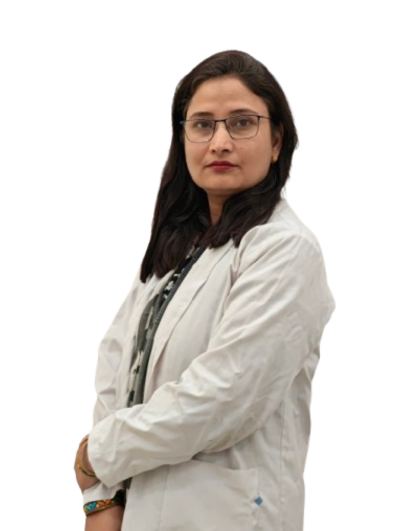
Who Is Dr. Abida?
Dr. Abida is a dermatology specialist at Jigyasa Hospital, Moradabad, who provides safe, effective wart removal using medically appropriate techniques tailored to the type, size, and location of the wart. She assesses patients with common warts, plantar warts, flat warts, filiform warts, and other wart-related concerns.
Her approach combines detailed diagnostic evaluation, multiple treatment options tailored to individual needs, and comprehensive aftercare guidance. She explains the diagnostic process, treatment expectations, and prevention strategies clearly so patients understand the importance of completing the full treatment course for optimal clearance.
Understanding Warts: Common, Contagious, and Often Persistent
Warts, commonly known as "masse" in Hindi, are small, rough skin growths that are among the most frequently encountered skin concerns, particularly in children and young adults, though they can affect people of any age. While generally harmless, warts are contagious, can spread to other areas of the body or to other people, and often prove stubborn to home remedies, making professional treatment a more reliable path to clearance.
At Jigyasa Hospital, Moradabad, Dr. Abida, Dermatologist, provides safe, effective wart removal using medically appropriate techniques tailored to the type, size, and location of the wart. Patients from Moradabad, Rampur, Sambhal, Amroha, and Bijnor turn to Jigyasa Hospital when home remedies and over-the-counter wart treatments haven't worked.
What Causes Warts?
Warts are caused by infection with the human papillomavirus (HPV), which enters the skin through small cuts or breaks, typically in the outer layer. There are many strains of HPV, and different strains tend to cause different types of warts, each with characteristic appearances and common locations.
Types of Warts
- • Common Warts (Verruca Vulgaris): Rough, raised, grayish-brown growths, most often appearing on the hands, fingers, and around the nails.
- • Plantar Warts: Occur on the soles of the feet, often growing inward due to pressure from walking, which can make them painful, particularly when located over weight-bearing areas.
- • Flat Warts: Smaller, smoother, and flatter than common warts, often appearing in clusters on the face, arms, or legs, and more common in children and young adults.
- • Filiform Warts: Thread-like or finger-like projections, typically appearing around the eyes, nose, or mouth.
- • Genital Warts: Caused by specific HPV strains, occurring in the genital area, requiring distinct evaluation and management.
Because these different types can sometimes resemble other skin growths, and because appropriate treatment varies depending on wart type, size, and location, proper evaluation by a dermatologist helps ensure effective, targeted treatment.
Why Warts Spread and Persist
Warts have certain characteristics that make them both contagious and, at times, stubborn to treat. Understanding these factors helps explain why some warts respond quickly to simple treatments while others require a more persistent, structured approach.
Factors Contributing to Spread and Persistence
- • Contagious Nature: Warts can spread through direct skin-to-skin contact or indirectly through shared surfaces, such as towels or shoes, particularly in warm, moist environments like swimming pools or communal showers.
- • Self-Spreading (Autoinoculation): Picking, scratching, or shaving over a wart can spread the virus to nearby skin, leading to new warts developing around the original one.
- • Variable Immune Response: Some individuals' immune systems clear the HPV virus relatively quickly on their own, while others experience persistent or recurring warts despite treatment.
- • Incomplete Treatment: Stopping treatment too early, or using inconsistent home remedies, often allows the wart to persist or regrow, since incomplete removal of the affected tissue can leave residual virus in the skin.
When to Seek Professional Treatment for Warts
While some warts, particularly in children, occasionally resolve on their own over time, professional evaluation is advisable when a wart is painful, spreading, hasn't responded to home remedies, is located in a sensitive area, or when there's uncertainty about the diagnosis.
Signs You Should See a Dermatologist
- • A wart is painful, particularly plantar warts affecting walking.
- • The wart is spreading or new warts are appearing nearby.
- • Home remedies or over-the-counter treatments haven't worked after several weeks of consistent use.
- • The wart is located in a sensitive area, such as the face or around the nails.
- • There's uncertainty about whether a growth is actually a wart or something else requiring different evaluation.
- • The wart is bleeding, changing in appearance, or causing significant discomfort.
- • The individual has a weakened immune system, which can make warts more persistent and harder to treat with standard methods.
Specialist Wart Evaluation
Different types of warts have distinct appearances and require different treatment approaches. A detailed dermatology assessment helps identify the exact wart type and guide accurate therapy.
Comprehensive Diagnostic Approach
Evaluation includes clinical examination, dermoscopic examination when needed, assessment of extent and distribution, and biopsy in rare cases where diagnosis is uncertain.
Multiple Treatment Options
Treatment is selected according to wart type, size, location, and patient preference — from topical treatments and cryotherapy to electrocautery, chemical cauterization, and laser treatment for resistant cases.
Prevention of Recurrence and Spread
Patient education on avoiding picking, keeping treated areas clean, not sharing personal items, wearing appropriate footwear in communal areas, and completing the full treatment course forms an essential part of the overall care plan.
Trusted Dermatology Care in Moradabad
Patients from Moradabad, Rampur, Sambhal, Amroha, Bijnor, and nearby districts turn to Jigyasa Hospital when home remedies and over-the-counter wart treatments haven't worked.
Diagnostic Approach at Jigyasa Hospital
Accurate diagnosis is the foundation of effective wart removal. At Jigyasa Hospital, the diagnostic process typically includes clinical examination, dermoscopic examination when needed, assessment of extent and distribution, and biopsy in rare cases.
1. Clinical Examination
Dr. Abida examines the growth's appearance, texture, and location, which is usually sufficient to diagnose a wart, as most types have characteristic, recognizable features.
2. Dermoscopic Examination
A closer examination using a dermatoscope can help confirm the diagnosis and distinguish warts from other skin growths that may appear similar but require different management.
3. Assessment of Extent and Distribution
For patients with multiple or spreading warts, a full assessment helps guide the most appropriate combination of treatment approaches and any recommendations regarding prevention of further spread.
4. Biopsy (When Needed)
In rare cases where diagnosis is uncertain or a growth doesn't respond as expected to typical wart treatment, a biopsy may be performed to confirm the diagnosis and rule out other conditions.
Accurate classification is therefore essential before treatment begins, particularly for distinguishing warts from other skin growths that may require different management approaches.
Treatment Options for Wart Removal
Dr. Abida offers multiple treatment options for wart removal, tailored to the wart type, size, location, and patient preference. Treatment components may include topical treatments, cryotherapy, electrocautery and curettage, chemical cauterization, laser treatment, or combination approaches for stubborn cases.
Topical Treatments
Prescription-strength topical preparations, often containing salicylic acid at appropriate concentrations, work by gradually breaking down the thickened, infected skin layers, typically requiring consistent application over several weeks.
Cryotherapy (Freezing Treatment)
One of the most commonly used in-office treatments, cryotherapy involves applying liquid nitrogen to freeze the wart tissue, causing it to blister and eventually fall off. Multiple sessions, spaced a few weeks apart, are often needed for complete clearance, particularly for larger or more resistant warts.
Electrocautery and Curettage
For certain warts, particularly larger or more resistant ones, a procedure involving controlled burning (electrocautery) and scraping (curettage) of the wart tissue may be used under local anesthesia, allowing more immediate removal.
Chemical Cauterization
Certain chemical agents applied directly to the wart under medical supervision can help destroy the infected tissue in a controlled manner.
Laser Treatment
For select cases, particularly resistant or extensive warts, laser treatment may be considered as an alternative approach to target and destroy the wart tissue precisely.
Combination Approaches
For stubborn or recurring warts, Dr. Abida may recommend combining treatment methods, such as topical treatment alongside periodic cryotherapy sessions, to improve overall clearance rates.
What to Expect During and After Treatment
Depending on the treatment method chosen, patients can expect varying levels of discomfort, healing times, and number of sessions required. Most wart treatments require patience and consistency for complete clearance.
Treatment Expectations by Method
- • Cryotherapy: Mild discomfort during and shortly after the procedure, followed by blistering and eventual shedding of the treated tissue over one to two weeks; multiple sessions are commonly needed.
- • Topical Treatment: Gradual improvement over several weeks of consistent daily application, with the treated area sometimes appearing more irritated before the wart tissue eventually clears.
- • Procedural Removal (Electrocautery/Curettage): Localized numbness during the procedure with local anesthesia, followed by a healing period of one to two weeks for the treated area.
- • Multiple Sessions: Many wart treatments, particularly cryotherapy, require more than one session spaced a few weeks apart for complete clearance, especially for larger or thicker warts.
- • Individual results vary based on wart type, size, location, and immune response.
Why Choose Jigyasa Hospital for Wart Removal in Moradabad
Warts that haven't responded to home remedies or over-the-counter treatments benefit from a proper medical approach using appropriately calibrated techniques. Jigyasa Hospital, located on Rampur Road near Miglani Cinema, Moradabad, offers dedicated dermatology consultation, multiple treatment options, and comprehensive care.
- • Dedicated dermatology consultation with Dr. Abida for warts of all types and locations.
- • Multiple treatment options tailored to wart type, size, and patient preference.
- • NABL-accredited diagnostic laboratory for any relevant supporting evaluation.
- • Empanelment under Ayushman Bharat PM-JAY, extending eligible treatment benefits to qualifying families.
- • 24/7 emergency care support for any associated concerns.
- • Wide service catchment covering Moradabad, Rampur, Sambhal, Amroha, and Bijnor, bringing specialized dermatological care closer to home.
- • Patient education on preventing recurrence and spread through proper hygiene and treatment completion.
- • Regular follow-up to monitor progress and adjust treatment for optimal clearance.
Preventing Wart Recurrence and Spread
Preventing wart recurrence and spread requires consistency and awareness. Helpful practices include avoiding picking, keeping treated areas clean, not sharing personal items, wearing appropriate footwear in communal areas, and completing the full treatment course.
- • Avoid picking, scratching, or shaving directly over a wart, as this can spread the virus to surrounding skin.
- • Keep any treated area clean and covered as advised during the healing process.
- • Avoid sharing towels, socks, or footwear, particularly if you or a family member has an active wart.
- • Wear appropriate footwear in communal areas like swimming pools, locker rooms, and public showers to reduce the risk of plantar warts.
- • Complete the full recommended course of treatment, even if the wart appears to be improving, to reduce the chance of recurrence.
- • Keep the immune system healthy through general good health practices, since immune status can influence how effectively the body clears HPV.
If a wart has been persistent, spreading, or simply hasn't responded to home treatment, a proper dermatological evaluation can offer a more effective, lasting solution.
Book an Appointment with Dr. Abida
Jigyasa Hospital offers specialist dermatology care for wart removal under the guidance of Dr. Abida. Professional evaluation and appropriate treatment can help achieve complete clearance and prevent recurrence.
Near Miglani Cinema, Rampur Road, Moradabad 244001
Call Now
7900903333Frequently Asked Questions
Are warts contagious?
Yes, warts are caused by HPV and can spread through direct skin contact or indirectly through shared surfaces like towels, footwear, or gym equipment, particularly in warm, moist environments.
Can warts go away on their own without treatment?
In some cases, particularly in children, warts can resolve spontaneously as the immune system clears the virus over time; however, this can take months to years, and many people prefer active treatment for faster, more predictable results.
Is wart removal painful?
Most wart removal procedures, such as cryotherapy, involve some mild discomfort, though this is generally well-tolerated; procedures like electrocautery are typically performed under local anesthesia to minimize discomfort.
Why do my warts keep coming back after treatment?
Recurrence can happen due to incomplete removal of infected tissue, residual virus in surrounding skin, or reinfection from other warts on the body; a dermatologist can help develop a more comprehensive treatment approach for persistent cases.
Can I remove a wart myself at home?
While some over-the-counter treatments exist, self-treatment without proper evaluation carries a risk of ineffective removal, spreading the wart to other areas, or treating a growth that may not actually be a wart, so professional evaluation is generally recommended.
How many sessions does wart removal usually take?
This varies depending on the treatment method and the wart's size and location, but many treatments, particularly cryotherapy, require multiple sessions spaced a few weeks apart for complete clearance.
Are plantar warts different from other warts?
Yes, plantar warts occur on the soles of the feet and often grow inward due to pressure from walking, which can make them more uncomfortable and sometimes require a slightly different treatment approach compared to warts on other body areas.
When should I see a dermatologist about a wart?
If a wart is painful, spreading, hasn't responded to over-the-counter treatment, or you're unsure whether a growth is actually a wart, it's advisable to consult a dermatologist for proper diagnosis and treatment.
Why Patients Choose Us
- 24/7 Emergency & Trauma Care
- Top Specialist Doctors
- Modern ICU & Operation Theatres
- Transparent & Affordable Pricing
- Ayushman Bharat Empanelled
- Cashless Insurance Support
- Multispeciality Under One Roof
Our Location
Near Miglani Cinema,
Rampur Road,
Moradabad 244001