

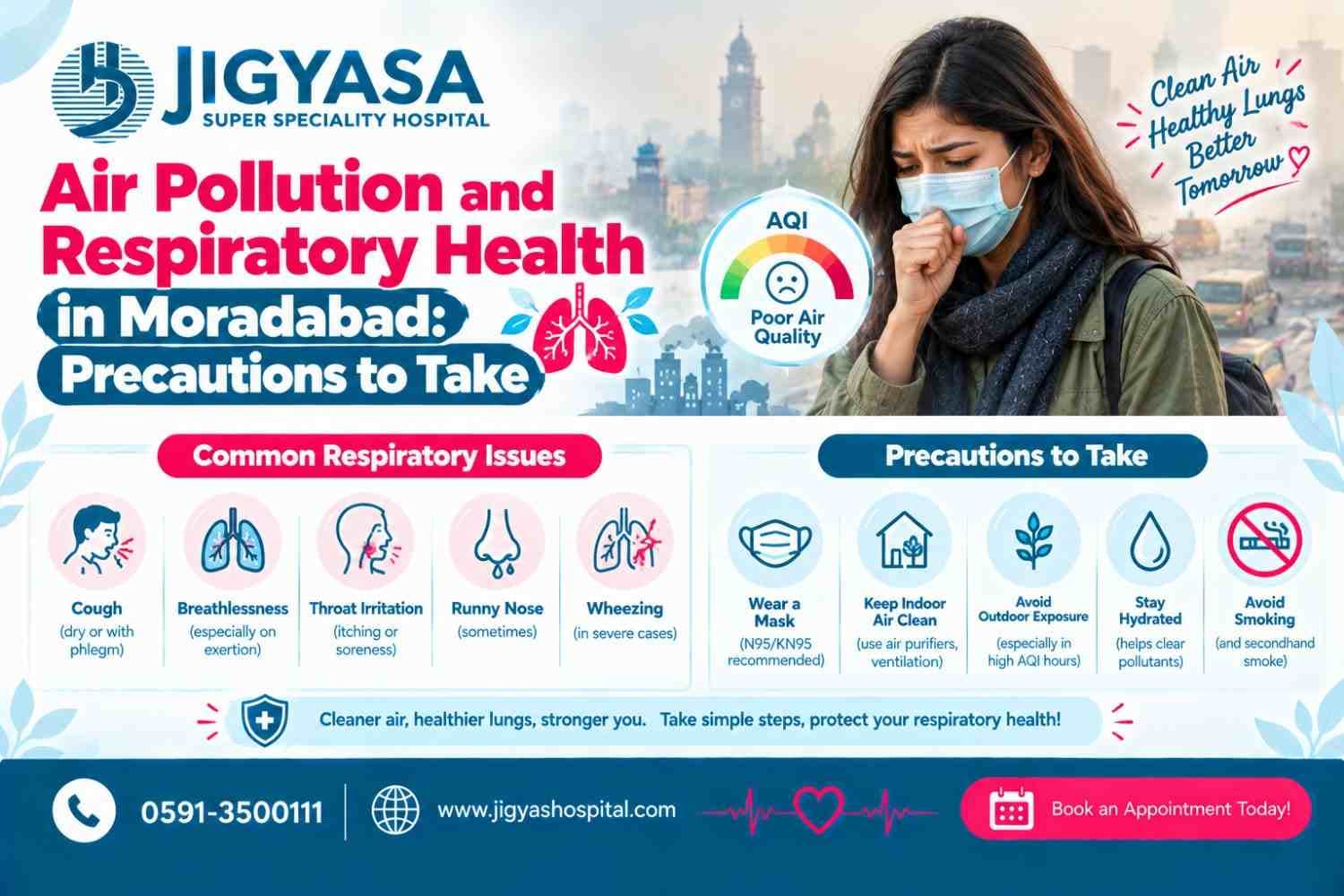
Air Pollution and Respiratory Health in Moradabad: Precautions to Take
Polluted air can worsen asthma, bronchitis, and heart health. Learn practical precautions for Moradabad residents, with guidance from Dr. C.P. Singh, Jigyasa Hospital, Moradabad.
Like many cities across north India, Moradabad sees air quality worsen at certain times of year, particularly in the post-monsoon and winter months when cooler air traps pollutants close to the ground. For most healthy adults, a few days of poor air may mean only a scratchy throat or watery eyes. For children, older adults, and people with asthma, COPD, or heart disease, the same air can trigger flare-ups, hospital visits, and lasting damage. At Jigyasa Hospital, Moradabad, Dr. C.P. Singh, Founder and Chairman, sees a seasonal rise in cough, wheeze, and breathlessness when air quality drops, and stresses that simple, consistent precautions can meaningfully protect the lungs.
What Is in Polluted Air?
- •PM2.5 and PM10: Tiny particles from vehicle exhaust, industrial emissions, construction dust, biomass and waste burning. PM2.5 is small enough to travel deep into the lungs and even enter the bloodstream.
- •Gases: Nitrogen dioxide, sulphur dioxide, and carbon monoxide from fuel combustion, which irritate the airways.
- •Ozone and other irritants: Which can inflame airway linings, especially during hot, still weather.
- •Indoor pollutants: Smoke from cooking fuels, incense, mosquito coils, and tobacco, which can be just as harmful as outdoor air.
How Pollution Affects the Body
Immediate Effects
- •Irritated eyes, nose, and throat
- •Cough, throat clearing, and chest tightness
- •Wheezing or shortness of breath
- •Headache and tiredness
Effects on Existing Conditions
- •Asthma attacks become more frequent and severe
- •COPD and chronic bronchitis flare, with more cough and phlegm
- •Heart conditions can worsen, with higher risk of chest pain and heart attacks on high-pollution days
- •Respiratory infections become more likely and harder to shake off
Long-Term Effects of Repeated Exposure
- •Reduced lung function and slower lung growth in children
- •Higher risk of chronic bronchitis and COPD
- •Increased cardiovascular and stroke risk
- •More frequent allergic and respiratory illness
Who Is Most Vulnerable?
- •Children, whose lungs are still developing and who breathe faster
- •Older adults
- •People with asthma, COPD, or other lung disease
- •People with heart disease, diabetes, or hypertension
- •Pregnant women
- •Outdoor workers, traffic personnel, street vendors, and factory workers
- •Smokers, whose airways are already irritated
Warning Signs That Need Medical Attention
- •Persistent cough lasting more than two to three weeks
- •Wheezing or noisy breathing
- •Breathlessness at rest or with light activity
- •Chest pain or tightness
- •Coughing up blood or discoloured phlegm with fever
- •Frequent need for an inhaler or reliever medicine
- •Lips or fingertips turning bluish
- •Children with fast breathing, chest indrawing, or difficulty feeding
Breathlessness at rest, chest pain, or bluish lips should be treated as an emergency.
Practical Precautions for Moradabad Residents
1. Track Air Quality and Plan Your Day
Check the daily Air Quality Index (AQI) on a trusted app or website. On days when air quality is poor, limit time outdoors, especially for children, older adults, and those with lung or heart conditions.
2. Time Outdoor Activity Wisely
Pollution is often worst in early morning and late evening, when cooler air settles and traffic peaks. On bad days, move exercise indoors rather than doing heavy outdoor workouts or long morning walks.
3. Use the Right Mask
- •A well-fitted N95 or equivalent respirator filters fine particles effectively
- •Ordinary cloth and surgical masks offer little protection against PM2.5
- •A mask only works if it seals well around the nose and cheeks
- •Children need properly sized masks, and masks are not recommended for very young infants
4. Improve Indoor Air
- •Keep windows closed during peak pollution hours, and ventilate when air is cleaner
- •Avoid burning incense, mosquito coils, and indoor smoke
- •Use cleaner cooking methods and good kitchen ventilation or an exhaust fan
- •Damp-mop and dust regularly rather than dry sweeping, which raises dust
- •Consider an air purifier with a HEPA filter for bedrooms, particularly for vulnerable family members
- •Houseplants may add comfort but are not a substitute for filtration
5. Reduce Your Own Contribution
- •Never burn waste, leaves, or plastic
- •Avoid idling vehicles, and service them regularly
- •Use public transport or carpooling when possible
- •Do not smoke, and avoid smoky environments
6. Support Your Lungs Through Lifestyle
- •Stay well hydrated, which helps keep airway secretions thin
- •Eat a balanced diet rich in fruits and vegetables for antioxidants
- •Exercise regularly on clean-air days to maintain lung capacity
- •Get adequate sleep, which supports immunity
- •Practise breathing exercises such as slow diaphragmatic breathing, which can help comfort and lung efficiency
7. Stay Up to Date on Preventive Care
- •Annual flu vaccination
- •Pneumococcal vaccination for older adults and those with chronic lung disease, as advised by a doctor
- •Regular check-ups for chronic conditions
8. Protect Children and Older Family Members
- •Limit outdoor play on high-pollution days and encourage indoor activity
- •Keep children's school routes and outdoor time in mind during peak pollution
- •Watch older family members for increased cough, breathlessness, or fatigue
If You Have Asthma or COPD
- •Take controller medicines regularly as prescribed, not only when symptoms appear
- •Keep your reliever inhaler accessible at all times
- •Follow your written action plan if you have one
- •Start precautions before pollution peaks, not after symptoms begin
- •Contact your doctor early if you need your reliever more often than usual
Do Home Remedies Help?
Steam inhalation, warm drinks, and herbal preparations may soothe the throat, but they do not remove pollutants from the lungs or replace medical treatment. Be cautious of products claiming to "detox" or "cleanse" the lungs, since there is no proven way to flush out pollution damage. Reducing exposure and treating underlying conditions remains what actually works.
How Pollution-Related Breathing Problems Are Evaluated at Jigyasa Hospital
At Jigyasa Hospital, Dr. C.P. Singh's evaluation typically includes:
1. Detailed History
Symptom pattern, triggers, occupation and exposure, smoking, household fuel use, and existing conditions.
2. Examination
Checking breathing rate, oxygen saturation, chest sounds, and signs of heart involvement.
3. Investigations When Needed
Chest X-ray, blood tests, and lung function testing where appropriate, along with heart evaluation if symptoms suggest it.
4. Treatment and Prevention Plan
Medication for airway inflammation or infection, inhaler guidance and technique, vaccination advice, and personalised precautions. Cases needing specialised pulmonary care are coordinated accordingly, and 24/7 emergency care is available for severe breathlessness.
Pulmonology & Respiratory Care at Jigyasa Hospital, Moradabad
- •Expert evaluation of pollution-related cough, wheeze, and breathlessness
- •Comprehensive asthma, COPD, and chronic lung disease management
- •Lung function testing, chest X-ray, and oxygen saturation assessment
- •24/7 emergency care for severe breathlessness and respiratory distress
Book an Appointment: 7900903333
Address: Near Miglani Cinema, Rampur Road, Moradabad – 244001
Online Appointments: jigyasahospital.com
Pulmonology | Asthma & COPD Care | Lung Health | Emergency Respiratory Care | Ayushman Bharat Accepted
Key Takeaways
- •Moradabad air quality worsens post-monsoon and winter — PM2.5 particles travel deep into lungs and bloodstream.
- •Pollution triggers asthma attacks, COPD flares, heart problems, and increases infection risk.
- •High-risk groups: children, elderly, asthma/COPD patients, heart disease, pregnant women, outdoor workers, smokers.
- •Precautions: track AQI, avoid outdoor activity in early morning/late evening, use well-fitted N95 mask, improve indoor air with HEPA purifier.
- •Emergency signs: breathlessness at rest, chest pain, bluish lips — seek immediate care. Asthma/COPD patients should keep reliever inhaler accessible.
Frequently Asked Questions
Does a mask really help against pollution?
A properly fitted N95-type respirator can filter most fine particles. Plain cloth or surgical masks give much less protection against PM2.5.
Is morning walking healthy on polluted days?
Not on days when air quality is poor. Early morning can be among the more polluted hours, so on such days indoor exercise is the safer choice.
Can pollution cause asthma in a person who never had it?
Long-term exposure is linked to a higher risk of developing asthma and other chronic lung conditions, especially in children, and it can also trigger symptoms in people with an underlying tendency.
Are air purifiers worth it?
A good HEPA-based purifier can reduce indoor particle levels, particularly in a closed bedroom. It works best alongside other measures like avoiding indoor smoke.
When should I see a doctor for a pollution-related cough?
If a cough lasts more than two to three weeks, causes wheezing or breathlessness, or is accompanied by fever, chest pain, or blood in the phlegm, get evaluated rather than relying on home remedies.
Related Articles
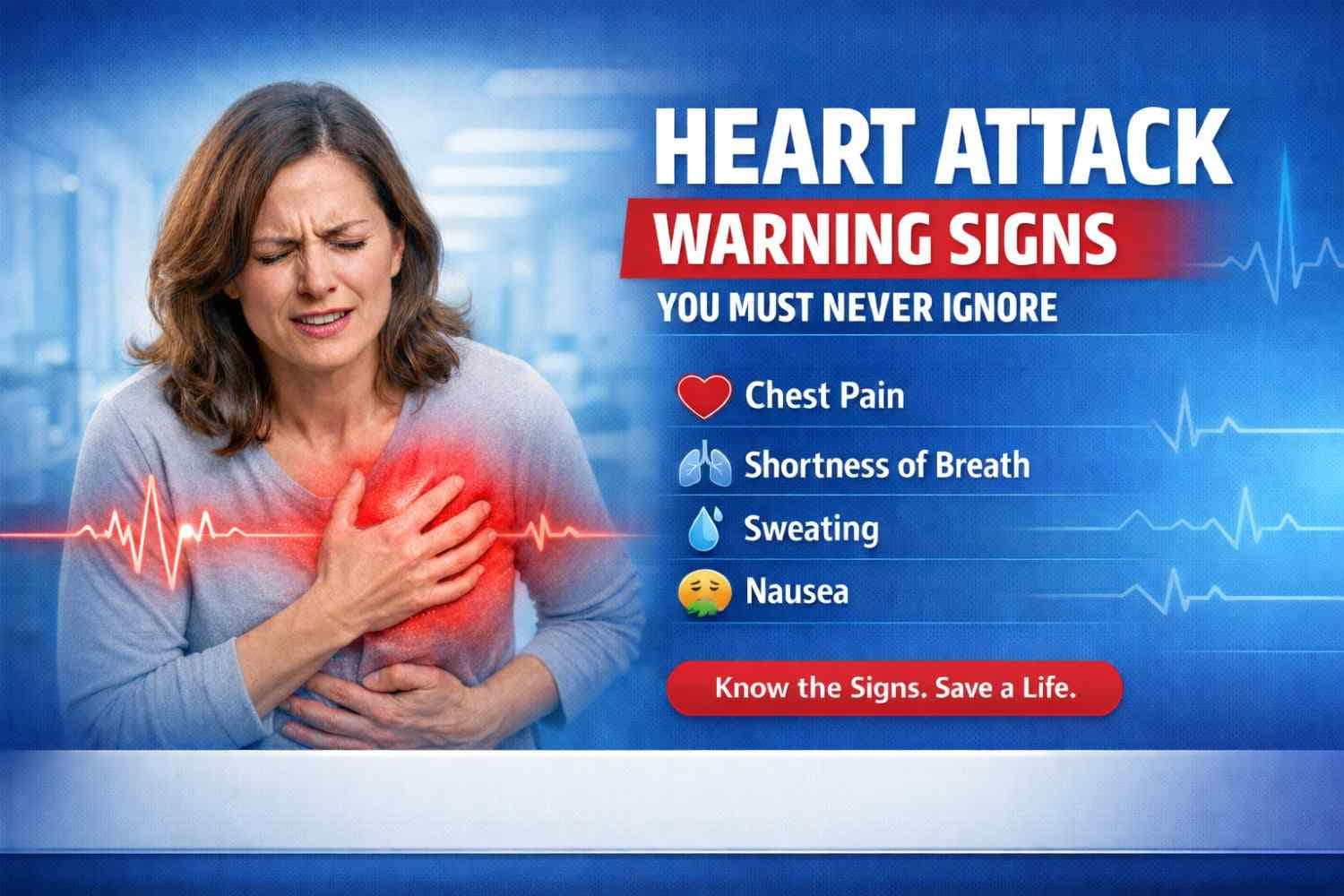
Heart Attack Warning Signs You Must Never Ignore
Recognizing heart attack symptoms early can save your life. Learn the critical warning signs from Dr. Amit Kumar Singh, Senior Interventional Cardiologist at Jigyasa Hospital, Moradabad. Call 7900903333.
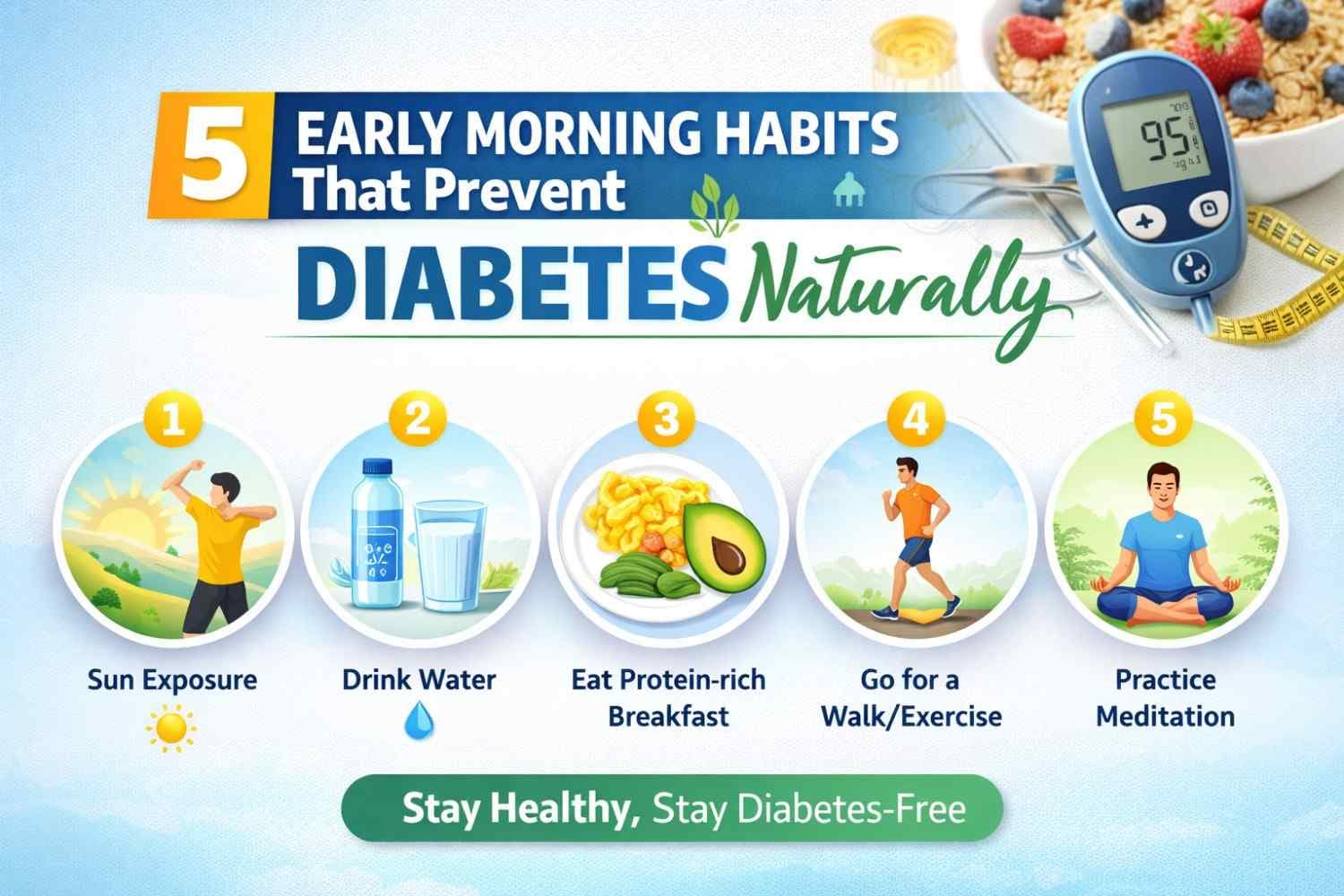
5 Early Morning Habits That Prevent Diabetes Naturally
Discover 5 powerful morning habits that naturally prevent diabetes. Expert advice from Dr. C.P. Singh, Senior Consultant Physician at Jigyasa Hospital, Moradabad. Call 7900903333.
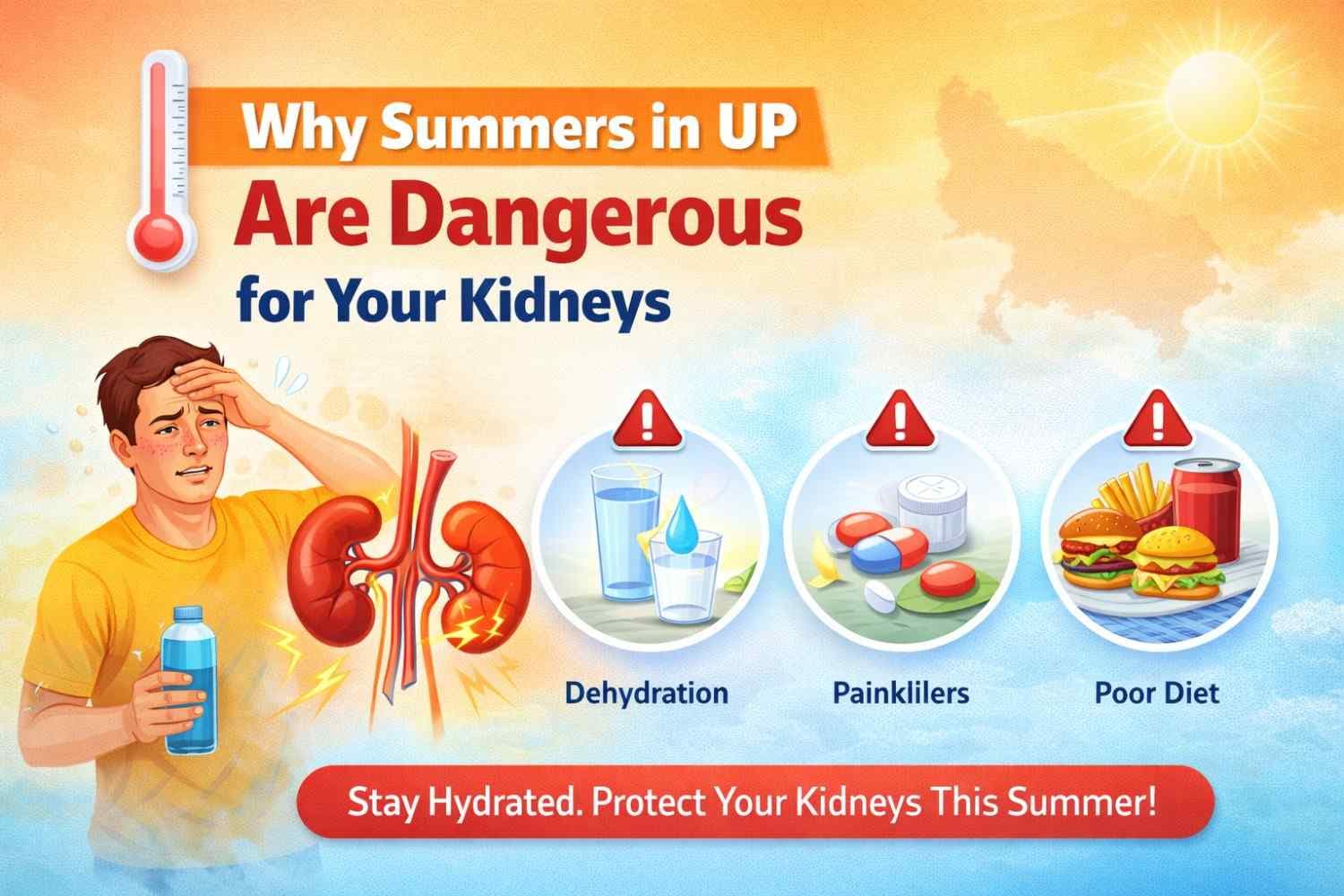
Why Summers in UP Are Dangerous for Your Kidneys
UP summers can silently damage your kidneys. Jigyasa Hospital Moradabad explains the hidden risks, warning signs, and how to protect your kidneys this season. Call 7900903333.