
Burnout vs Depression: Recognizing the Difference
Exhausted, detached, and low on motivation? Learn how burnout differs from depression, the warning signs, and when to seek help, with guidance from Dr. C.P. Singh, Jigyasa Hospital, Moradabad.
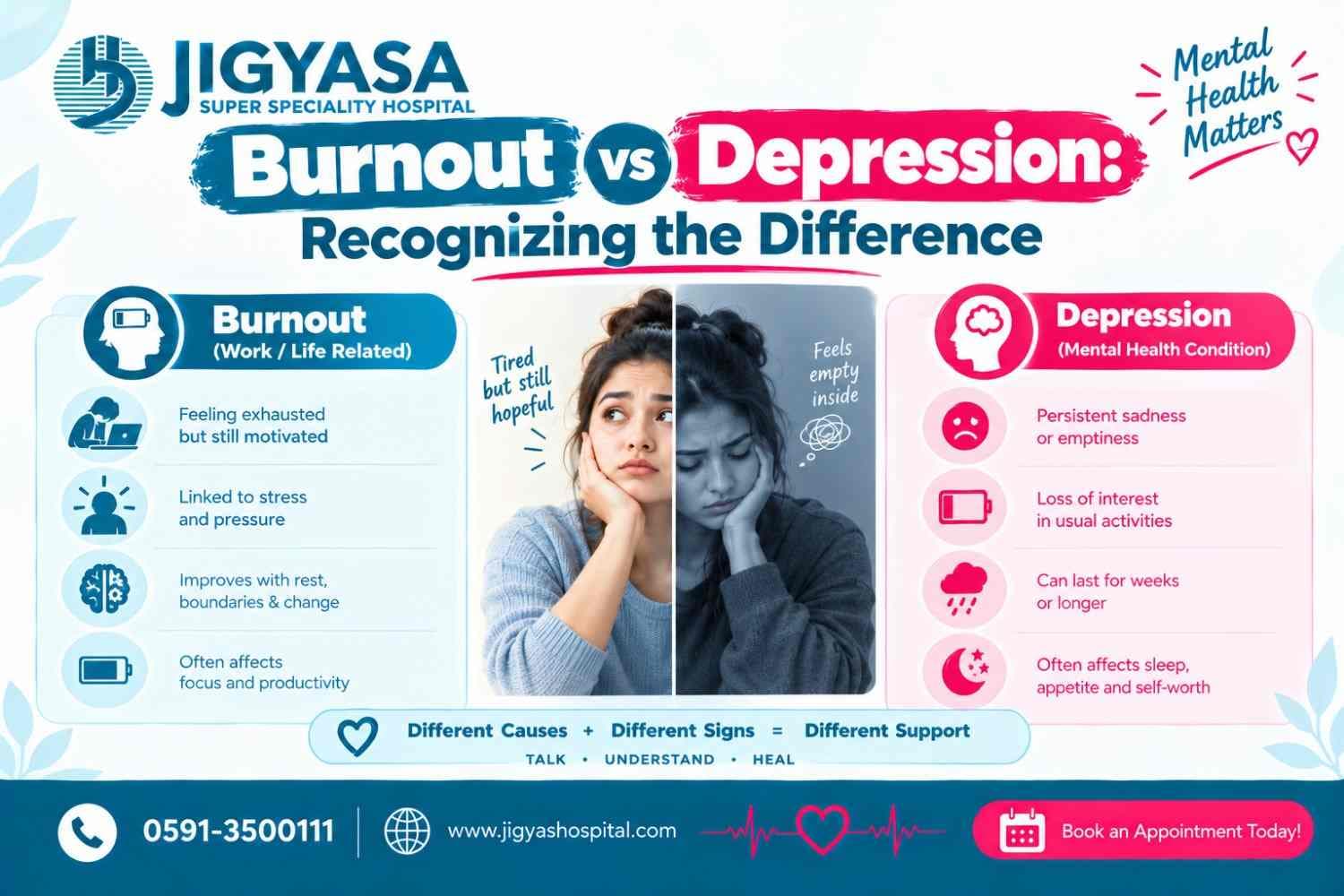
"I'm just tired of everything." Many people say this after months of long working hours, family pressure, or constant responsibility, and it can mean very different things. For some, it is burnout: a state of exhaustion linked to prolonged stress, usually tied to a specific area such as work or caregiving. For others, it is depression, a medical condition that affects mood, thinking, sleep, appetite, and every part of life. The two overlap so much that people often confuse them, and the confusion matters, because the right response is different. At Jigyasa Hospital, Moradabad, Dr. C.P. Singh, Founder and Chairman, meets many patients whose "just stress" turns out to be something that needs proper attention. This article explains how to recognize the difference and when to seek help. It is meant for awareness and does not replace an assessment by a qualified professional.
What Is Burnout?
Burnout is a state of physical, emotional, and mental exhaustion caused by long-term, unrelieved stress, most often related to work, but also seen in students, homemakers, and caregivers. It is described in terms of three main features:
- •Exhaustion: Feeling drained, with little energy left
- •Cynicism or detachment: Becoming negative, irritable, or emotionally distant from work or responsibilities
- •Reduced effectiveness: Feeling less capable, with a sense that nothing you do makes a difference
Burnout is generally tied to a particular context. People often notice they feel better when away from the source of stress, such as on holiday, though the relief may fade quickly.
What Is Depression?
Depression is a medical condition, not a weakness or a mood that can simply be willed away. It involves a persistently low mood or loss of interest and pleasure, lasting at least two weeks, along with other symptoms, and it affects functioning across life, not only at work.
Common features include:
- •Persistent sadness, emptiness, or hopelessness
- •Loss of interest in activities once enjoyed
- •Changes in appetite or weight
- •Sleeping too much or too little
- •Low energy and fatigue
- •Feelings of worthlessness or excessive guilt
- •Difficulty concentrating or making decisions
- •Slowed movement or restlessness
- •Thoughts of death or self-harm
Why They Are Easily Confused
Both can cause tiredness, poor concentration, low motivation, irritability, sleep disturbance, and withdrawal from others. Burnout can also, if prolonged and ignored, develop into depression, and depression can make a person feel burnt out at work. A clear line is not always possible without a proper assessment.
Key Differences
| Feature | Burnout | Depression |
|---|---|---|
| Main cause | Prolonged stress, often work-related | Complex: biological, psychological, social, sometimes without clear trigger |
| Scope | Usually linked to one area of life | Affects all areas of life |
| Mood | Frustration, cynicism, feeling overwhelmed | Persistent sadness, emptiness, hopelessness |
| Enjoyment | Still enjoy things outside the stressor | Loss of interest in nearly everything |
| Effect of rest or break | Often improves, at least temporarily | Often little relief |
| Self-worth | Feels ineffective at work or in a role | Pervasive worthlessness or guilt |
| Thoughts of self-harm | Uncommon | May occur |
| Treatment | Reducing stress load, rest, boundaries, support | Often needs therapy and sometimes medication |
These are tendencies, not strict rules.
Signs You May Be Burnt Out
- •Dreading going to work or facing daily responsibilities
- •Feeling emotionally drained by the end of the day
- •Growing irritability or cynicism toward colleagues, family, or tasks
- •Struggling to concentrate or feeling less productive
- •Frequent headaches, body aches, or stomach upset
- •Poor sleep despite exhaustion
- •Using more caffeine, alcohol, or food to cope
- •Feeling better when away from the stress source, even if briefly
Signs It May Be Depression
- •Feeling low, empty, or hopeless on most days for two weeks or longer
- •Not enjoying anything, even things you used to love
- •Withdrawing from family and friends
- •Significant changes in sleep or appetite
- •Feeling worthless or overly guilty
- •Trouble functioning in daily life, not only at work
- •Thoughts that life is not worth living
Warning Signs That Need Immediate Help
If you or someone you know has thoughts of self-harm or suicide, treat it as an emergency. Reach out to a trusted person, go to the nearest hospital, or contact a mental health helpline right away. Do not wait for symptoms to "pass." If someone is in immediate danger, stay with them and seek emergency help. Our 24/7 emergency care is available at Jigyasa Hospital.
Other signs needing prompt attention include:
- •Being unable to carry out basic daily tasks
- •Not eating or sleeping for days
- •Severe anxiety or panic
- •Using alcohol or substances heavily to cope
- •Hearing or seeing things that others don't
Physical Conditions That Can Look Like Either
Persistent exhaustion and low mood are not always psychological. Medical causes should be checked, including:
- •Underactive thyroid
- •Anemia and iron deficiency
- •Vitamin B12 and vitamin D deficiency
- •Diabetes
- •Sleep disorders such as sleep apnea
- •Hormonal changes
- •Side effects of some medicines
- •Chronic illness or pain
This is why a medical check is a useful first step.
What Helps Burnout
- •Reduce the load where possible: Delegate, say no, and discuss workload with a manager or family
- •Set boundaries: Protect time off, limit after-hours messages and work calls
- •Rest properly: Regular sleep, breaks during the day, and genuine time off
- •Move your body: Regular walking or exercise improves mood and stress
- •Stay connected: Talk to friends, family, or colleagues instead of withdrawing
- •Make time for things you enjoy
- •Limit alcohol and excess caffeine
- •Seek support early: Speaking to a doctor or counsellor helps before burnout deepens
Sometimes burnout is a sign the situation itself needs to change, not just the person's coping.
What Helps Depression
Depression is treatable, and most people improve with the right support.
- •Professional assessment: A doctor or mental health professional can confirm the diagnosis and rule out physical causes
- •Talking therapies: Such as cognitive behavioural therapy, which are effective for many people
- •Medication: Prescribed for moderate to severe depression or when other approaches aren't enough, and it should be taken only as advised, never stopped abruptly
- •Lifestyle support: Regular sleep, activity, nutrition, and reduced alcohol, as helpful additions rather than substitutes for treatment
- •Support from family and friends: Patience and understanding make a real difference
How Jigyasa Hospital Can Help
At Jigyasa Hospital, Dr. C.P. Singh's approach typically includes:
1. Listening and History
Understanding symptoms, duration, daily functioning, stress sources, sleep, appetite, and any past episodes.
2. Physical Examination and Basic Tests
Checking for medical contributors such as thyroid problems, anemia, vitamin deficiencies, and blood sugar abnormalities.
3. Guidance on Next Steps
Advice on lifestyle and stress management where appropriate.
4. Referral for Specialised Mental Health Care
When symptoms suggest depression, anxiety, or other conditions needing specialist assessment, patients are guided toward appropriate counselling or psychiatric care.
5. Emergency Support
24/7 emergency care for anyone in crisis.
How Family and Friends Can Support
- •Listen without judging or rushing to fix things
- •Avoid phrases like "just be positive" or "everyone gets tired"
- •Encourage them to see a doctor, and offer to go along
- •Check in regularly, not only once
- •Take any mention of self-harm seriously and seek help immediately
Mental Health Support at Jigyasa Hospital, Moradabad
- •Comprehensive evaluation for burnout, depression, and stress-related symptoms
- •Medical screening for thyroid, anemia, vitamin deficiencies, and blood sugar
- •Referral to counselling and psychiatric care when needed
- •24/7 emergency support for mental health crisis
Book an Appointment: 7900903333
Address: Near Miglani Cinema, Rampur Road, Moradabad – 244001
Online Appointments: jigyasahospital.com
Mental Health | Burnout & Depression Care | Stress Management | Emergency Support | Ayushman Bharat Accepted
Key Takeaways
- •Burnout = exhaustion from prolonged stress, usually tied to work/caregiving; Depression = medical condition affecting mood, sleep, appetite, and all areas of life.
- •Key difference: burnout improves with rest/away from stressor; depression persists with little relief and involves pervasive hopelessness/worthlessness.
- •Burnout signs: dreading work, irritability, cynicism, poor sleep, feeling better on holiday. Depression signs: 2+ weeks of low mood, loss of interest in everything, withdrawal, thoughts of self-harm.
- •Medical causes can mimic both: thyroid problems, anemia, vitamin B12/D deficiency, diabetes, sleep apnea — get checked first.
- •Thoughts of self-harm = emergency. Seek help immediately — don't wait for symptoms to pass. Depression is treatable with therapy and/or medication.
Frequently Asked Questions
Can burnout turn into depression?
Yes. Long-term, unaddressed burnout can increase the risk of depression, which is another reason to act early.
How do I know if I need to see a doctor?
If low mood, exhaustion, or loss of interest lasts more than two weeks, affects daily life, or you have thoughts of self-harm, seek help. You don't need to wait until things feel unbearable.
Will a holiday fix my symptoms?
For burnout, time away can help, though lasting change usually needs workload or lifestyle adjustments. If symptoms persist or return strongly after a break, or if depression is likely, further assessment is worthwhile.
Is depression just sadness?
No. Depression involves changes in energy, sleep, appetite, concentration, and self-worth, and lasts longer than ordinary sadness. It is a medical condition and responds to treatment.
Is it a sign of weakness to seek help?
No. Seeking help is a practical, healthy step, just like seeing a doctor for any other health problem.
Related Articles
Heart Attack Warning Signs You Must Never Ignore
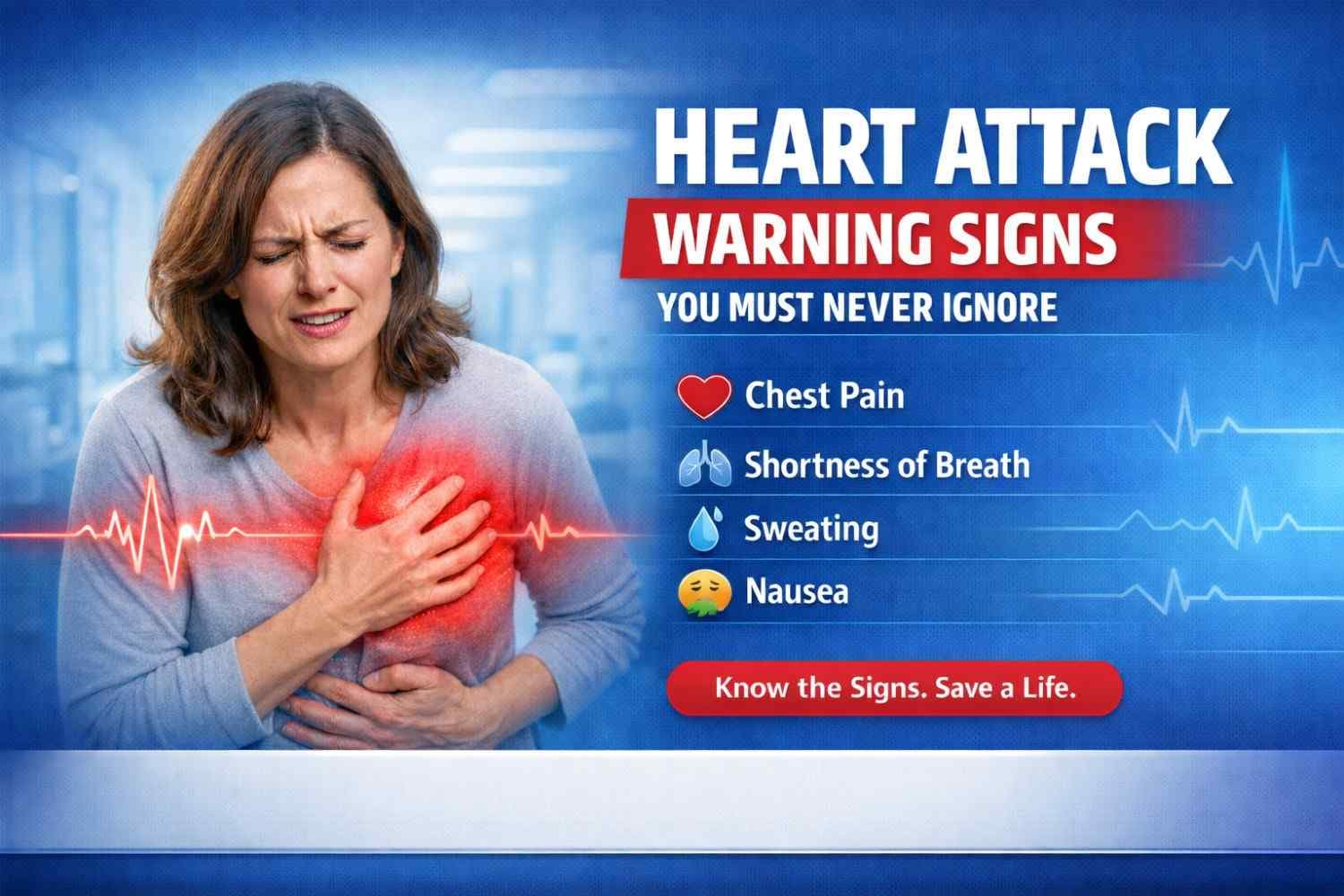
Recognizing heart attack symptoms early can save your life. Learn the critical warning signs from Dr. Amit Kumar Singh, Senior Interventional Cardiologist at Jigyasa Hospital, Moradabad. Call 7900903333.
5 Early Morning Habits That Prevent Diabetes Naturally
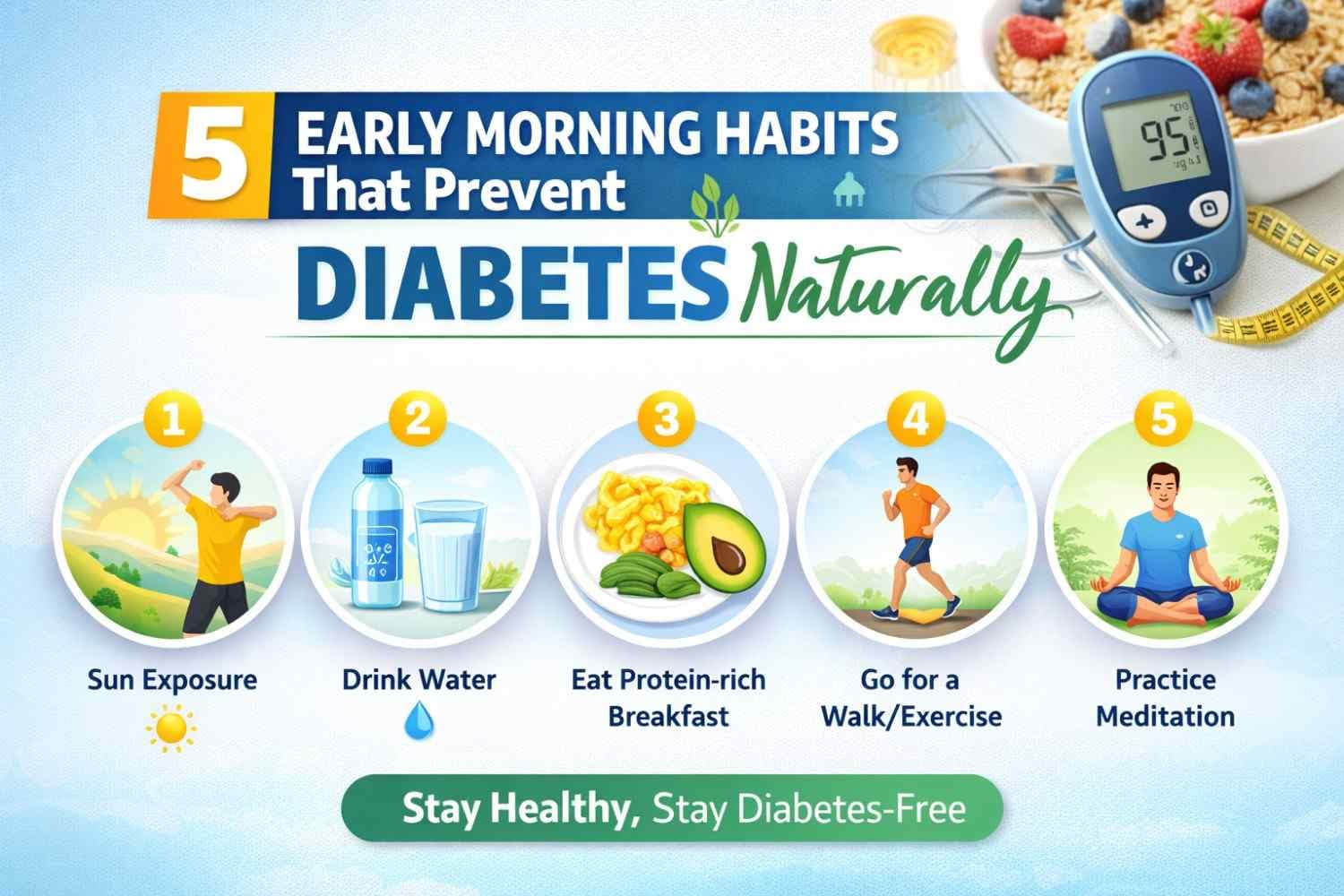
Discover 5 powerful morning habits that naturally prevent diabetes. Expert advice from Dr. C.P. Singh, Senior Consultant Physician at Jigyasa Hospital, Moradabad. Call 7900903333.
Why Summers in UP Are Dangerous for Your Kidneys
UP summers can silently damage your kidneys. Jigyasa Hospital Moradabad explains the hidden risks, warning signs, and how to protect your kidneys this season. Call 7900903333.