

Cholesterol and Diabetes: The Hidden Connection
Diabetes and high cholesterol often go hand in hand, doubling heart risk. Learn why, what to test, and how to manage both, with guidance from Dr. Ashish Gupta, Jigyasa Hospital, Moradabad.
When a person is diagnosed with diabetes, attention naturally goes to blood sugar. But many doctors will tell you the bigger long-term danger is often not the sugar itself, but what it does alongside high cholesterol: damage to blood vessels, heart attacks, and strokes. Diabetes and abnormal cholesterol frequently occur together, quietly reinforcing each other, and because neither causes obvious symptoms in the early years, the combination often goes unnoticed. At Jigyasa Hospital, Moradabad, Dr. Ashish Gupta, our specialist in Endocrinology, routinely checks and manages both together, because treating one while ignoring the other leaves a major risk unaddressed.
Why Diabetes and Cholesterol Problems Travel Together
The link is largely explained by insulin resistance, a condition in which the body's cells respond poorly to insulin. It affects both sugar and fat handling:
- •The liver produces more triglyceride-rich particles
- •HDL ("good") cholesterol tends to fall
- •LDL particles become smaller and denser, which makes them more likely to penetrate and damage artery walls
- •Fat tissue releases more fatty acids into the blood, feeding the cycle
This pattern is often called diabetic dyslipidemia. It is common in type 2 diabetes and also in prediabetes, meaning cholesterol problems can start before diabetes is even diagnosed.
What the Typical Diabetic Cholesterol Pattern Looks Like
- •High triglycerides
- •Low HDL cholesterol
- •LDL cholesterol that may look only mildly raised, but is made of small, dense, more harmful particles
This is why a person with diabetes can have an LDL number that looks acceptable and still carry high cardiovascular risk. For a refresher on what each number means, see our article on understanding your cholesterol numbers.
Why the Combination Is So Risky
High blood sugar damages the inner lining of blood vessels, and abnormal cholesterol then deposits more easily in those damaged areas, forming plaques. Together they accelerate atherosclerosis, the narrowing and hardening of arteries. Over time this raises the risk of:
- •Heart attack and angina
- •Stroke
- •Poor circulation in the legs, contributing to foot problems
- •Kidney damage
- •Eye damage
South Asians, including Indians, tend to develop heart disease earlier and at lower body weights than many other populations, which makes early attention to both conditions especially important.
Who Should Be Particularly Alert?
- •Anyone with diabetes or prediabetes
- •People with a large waist, abdominal fat, or fatty liver
- •Those with high blood pressure
- •Family history of early heart disease, diabetes, or high cholesterol
- •Women with a history of PCOS or gestational diabetes
- •Smokers
- •People with kidney disease or an underactive thyroid, which can also raise cholesterol
Symptoms: Usually None, Until a Complication
High cholesterol and early diabetes frequently cause no symptoms. When warning signs appear, they may include:
- •Increased thirst, frequent urination, and unexplained tiredness (from high sugar)
- •Chest discomfort or breathlessness on exertion
- •Leg pain while walking that eases with rest
- •Numbness or tingling in the feet
- •Yellowish deposits around the eyelids or on tendons, in people with very high cholesterol
Waiting for symptoms is the main reason these conditions are found late. Screening is how they are found early.
Tests That Matter
At Jigyasa Hospital, Dr. Ashish Gupta's assessment of someone with diabetes or prediabetes typically includes:
1. Blood Sugar Measures
Fasting and post-meal glucose, along with HbA1c, which reflects average control over about three months.
2. Lipid Profile
Total cholesterol, LDL, HDL, and triglycerides. Your doctor may sometimes recommend additional measures when risk is high.
3. Blood Pressure and Weight Measurements
Including waist circumference, since abdominal fat is closely tied to insulin resistance.
4. Kidney and Liver Function Tests
Both can be affected by diabetes and influence treatment choices. Fatty liver is common alongside both conditions.
5. Thyroid Function
An underactive thyroid can raise cholesterol and worsen control, so it is often checked.
6. Heart Risk Assessment
Depending on age, symptoms, and risk factors, further cardiac evaluation may be recommended, with coordination with the cardiology team when needed.
How often these tests are repeated depends on your control and risk, so follow your doctor's schedule rather than testing randomly.
Managing Both Together
Lifestyle: The Foundation for Both Conditions
Food
- •Emphasise vegetables, pulses, whole grains, nuts, and fibre-rich foods
- •Cut back on refined flour, sugary drinks, sweets, and deep-fried foods
- •Limit saturated fats from sources like excess ghee, butter, and fatty meats, and avoid trans fats found in some packaged and bakery foods
- •Choose healthier fats such as those in nuts, seeds, and fish
- •Watch portion sizes of rice and rotis rather than eliminating them
- •Lower triglycerides often respond well to cutting sugar, refined carbohydrates, and alcohol
Movement
- •Aim for about 150 minutes of moderate activity weekly, such as brisk walking
- •Add strength training twice a week, which improves insulin sensitivity
- •Even short walks after meals help control blood sugar
Weight
Losing even 5 to 10 percent of body weight, if overweight, can improve sugar, triglycerides, and blood pressure together.
Other Habits
- •Stop smoking, which sharply increases cardiovascular risk
- •Limit alcohol, which raises triglycerides
- •Prioritise sleep and manage stress
Medication
Many people with diabetes need medicines for blood sugar, and many also need cholesterol-lowering treatment, often alongside blood pressure medicine, to protect the heart. Whether cholesterol medicine is needed depends on age, existing heart disease, other risk factors, and lipid levels, and the decision is made by your doctor. Medicines should be continued as prescribed, with regular blood tests to monitor their effect. Do not start or stop them on your own.
Common Myths
- •"My sugar is controlled, so my cholesterol must be fine." They are separate measurements and both need checking.
- •"I'm thin, so I don't need cholesterol tests." Thin people, including those with diabetes, can have abnormal cholesterol.
- •"Cholesterol medicine is only for people who already had a heart attack." It is often used to prevent a first event in higher-risk people.
- •"I feel fine, so there's no urgency." Both conditions are typically silent until damage occurs.
- •"Natural remedies alone can replace medicine." Diet and herbs may support health but should not replace prescribed treatment.
Warning Signs Needing Urgent Care
- •Chest pain, pressure, or tightness, especially with sweating or breathlessness
- •Sudden weakness or numbness on one side of the body, facial drooping, or slurred speech
- •Sudden severe breathlessness
- •Very high blood sugar with vomiting, confusion, or extreme drowsiness
- •A foot wound that is red, swollen, or discharging
These can indicate a heart attack, stroke, or serious diabetic complication and need immediate emergency care.
Endocrinology Care at Jigyasa Hospital, Moradabad
- •Comprehensive diabetes and lipid profile evaluation
- •Expert management of diabetic dyslipidemia by Dr. Ashish Gupta, Endocrinologist
- •Heart risk assessment and coordinated cardiology care
- •Personalized treatment plans combining medication and lifestyle
Book an Appointment: 7900903333
Address: Near Miglani Cinema, Rampur Road, Moradabad – 244001
Online Appointments: jigyasahospital.com
Endocrinology | Diabetes Management | Lipid Profile | Heart Risk Assessment | Ayushman Bharat Accepted
Key Takeaways
- •Diabetes and high cholesterol often occur together via insulin resistance — a pattern called diabetic dyslipidemia.
- •Typical diabetic cholesterol pattern: high triglycerides, low HDL, small dense LDL particles (more harmful than standard LDL number suggests).
- •Together they accelerate atherosclerosis, raising risk of heart attack, stroke, kidney damage, eye damage, and foot problems.
- •Test both: HbA1c + fasting/post-meal glucose, lipid profile, BP/waist, kidney/liver function, thyroid — at least annually for diabetics.
- •Manage both together: diet (fiber, healthy fats, less sugar/refined carbs), 150 min exercise/week, 5-10% weight loss, no smoking, and cholesterol medicine when doctor advises.
Frequently Asked Questions
Can diabetes cause high cholesterol?
Yes. Insulin resistance and high blood sugar commonly disturb fat metabolism, leading to high triglycerides and low HDL, and often to more harmful LDL particles.
Will controlling my sugar fix my cholesterol?
Good sugar control often improves triglycerides and HDL, but LDL cholesterol may still need diet changes or medicine, so lipids should be checked separately.
How often should I check my cholesterol if I have diabetes?
At least once a year, and more often if levels are abnormal or treatment has just changed. Your doctor will set the interval.
Do I need a different LDL target because I have diabetes?
Often yes. People with diabetes, especially with other risk factors or existing heart disease, usually have stricter targets than the general population, which your doctor will individualise.
Can I manage both conditions with diet and exercise alone?
Some people with early disease can, particularly with meaningful weight loss. Many need medicine as well, and that is not a failure. It is how complications are prevented.
Related Articles
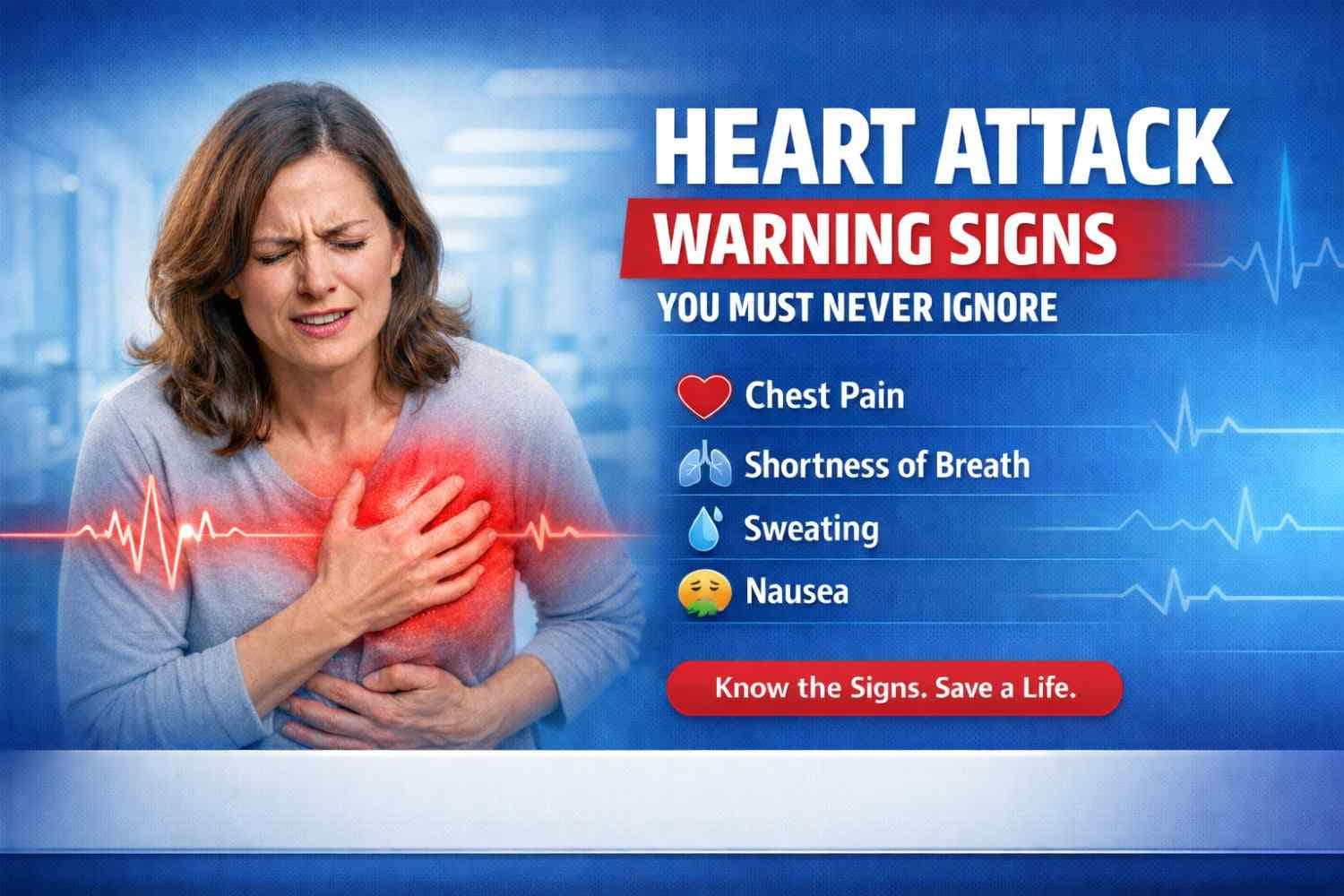
Heart Attack Warning Signs You Must Never Ignore
Recognizing heart attack symptoms early can save your life. Learn the critical warning signs from Dr. Amit Kumar Singh, Senior Interventional Cardiologist at Jigyasa Hospital, Moradabad. Call 7900903333.
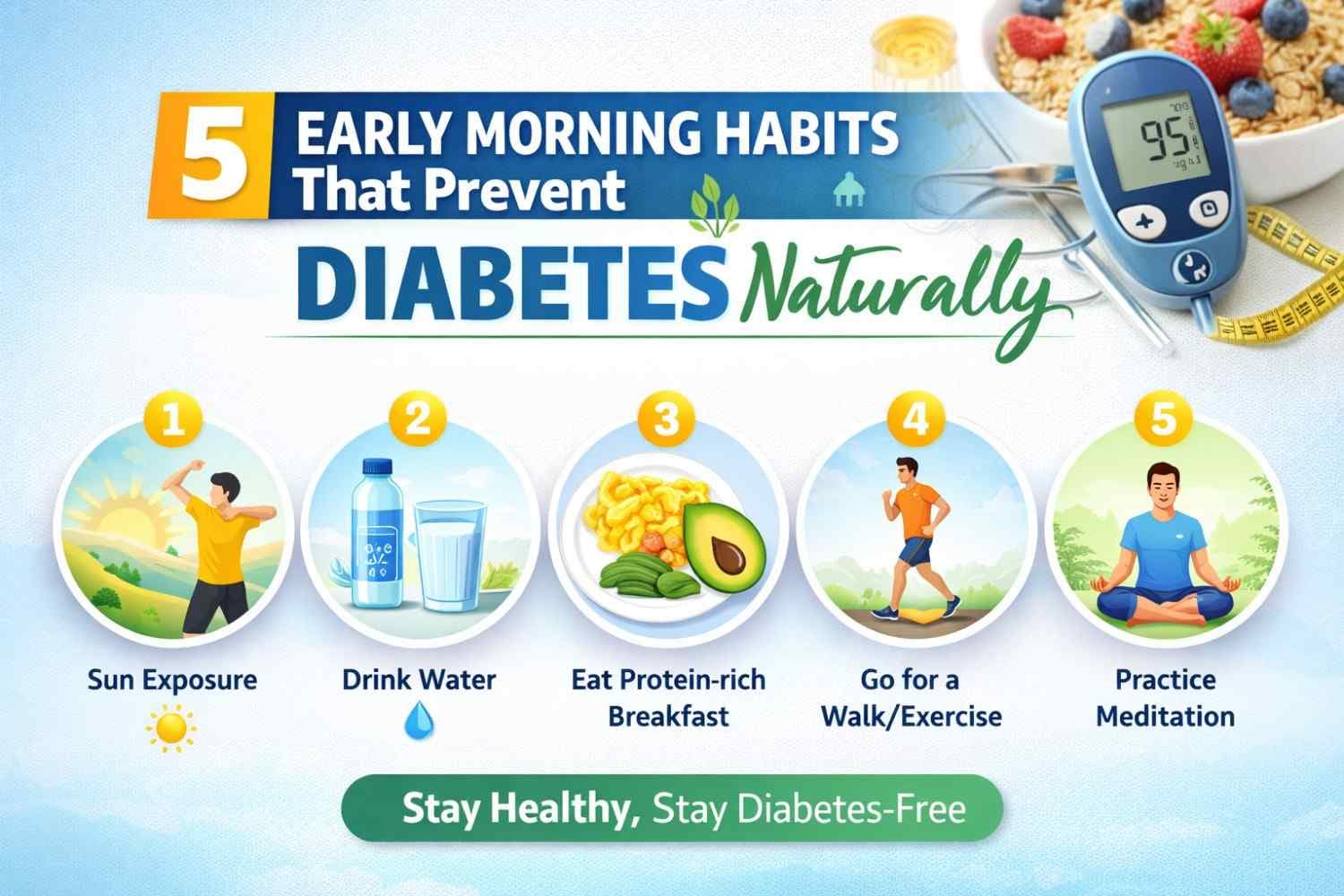
5 Early Morning Habits That Prevent Diabetes Naturally
Discover 5 powerful morning habits that naturally prevent diabetes. Expert advice from Dr. C.P. Singh, Senior Consultant Physician at Jigyasa Hospital, Moradabad. Call 7900903333.
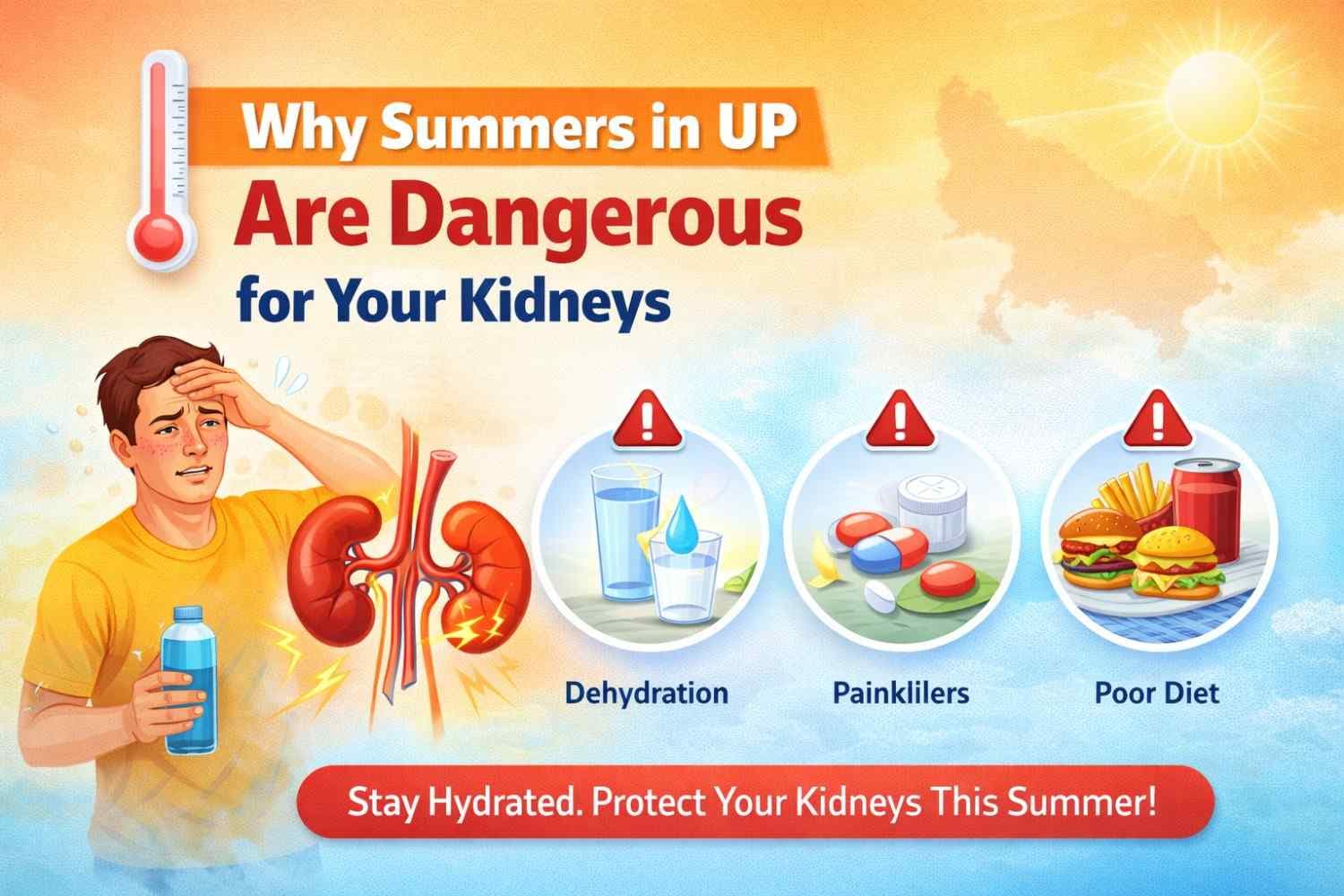
Why Summers in UP Are Dangerous for Your Kidneys
UP summers can silently damage your kidneys. Jigyasa Hospital Moradabad explains the hidden risks, warning signs, and how to protect your kidneys this season. Call 7900903333.