

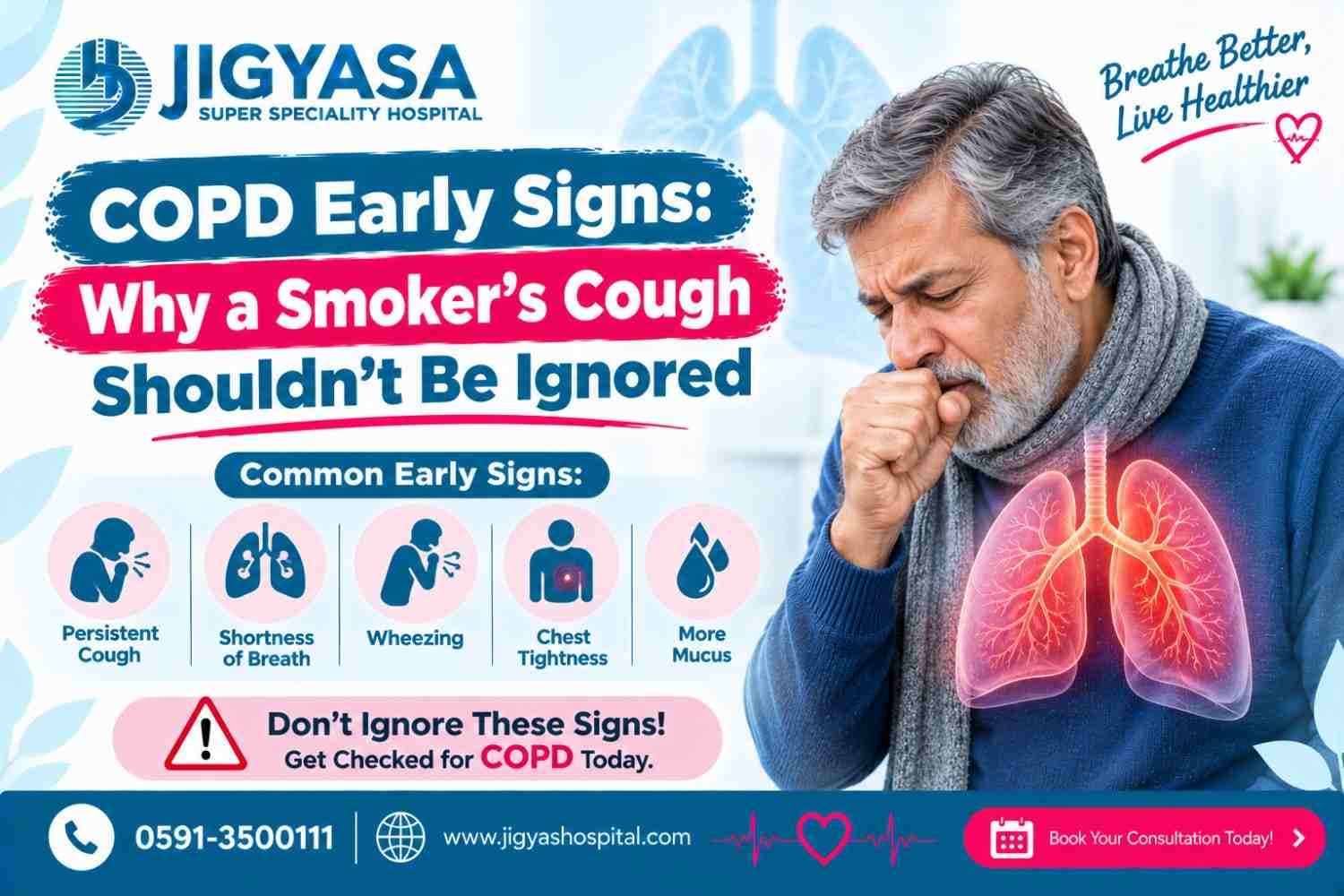
COPD Early Signs: Why a Smoker's Cough Shouldn't Be Ignored
A morning cough, breathlessness on stairs, frequent chest infections: these may be early COPD. Learn the signs, tests, and how to protect your lungs, with guidance from Dr. C.P. Singh, Jigyasa Hospital, Moradabad.
"It's just a smoker's cough." Millions of people say this, and many live with a daily cough for years before anyone checks their lungs. But a cough that does not go away is not a harmless habit of smoking. It can be the first sign of chronic obstructive pulmonary disease (COPD), a progressive lung condition that slowly narrows the airways and makes breathing harder. Lung function lost to COPD cannot be fully recovered, which is why early recognition matters so much. At Jigyasa Hospital, Moradabad, Dr. C.P. Singh, Founder and Chairman, regularly meets patients who first sought help only when they became breathless walking short distances, long after the disease had begun.
What Is COPD?
COPD is an umbrella term for long-term lung diseases that obstruct airflow, mainly:
- •Chronic bronchitis: Long-standing inflammation of the airways with a persistent cough and mucus
- •Emphysema: Damage to the tiny air sacs of the lungs, reducing their ability to move oxygen into the blood
Many people have a mix of both. Unlike asthma, where airway narrowing often comes and goes, COPD's airflow limitation is persistent and usually worsens over time without treatment.
Who Gets COPD?
Smoking is the leading cause. But it is not the only one:
- •Cigarette, beedi, hookah, and cigar smoking, as well as long exposure to second-hand smoke
- •Indoor smoke from cooking on wood, dung, or coal, particularly in poorly ventilated homes, which affects many women in India
- •Air pollution and long-term exposure to dust, fumes, and chemicals at work, such as in mines, construction, textile, and metal industries
- •Repeated childhood respiratory infections
- •Genetic factors, such as alpha-1 antitrypsin deficiency, in a small number of people
- •Previous lung conditions, including tuberculosis scarring and asthma that was poorly controlled
Many people with COPD never smoked, so do not rule it out based on smoking history alone.
Early Signs You Shouldn't Ignore
COPD often develops quietly over years. Early signs are easy to explain away:
1. A Persistent Cough
A cough lasting more than eight weeks, often worse in the morning. It may start as "clearing the throat" and gradually become daily.
2. Mucus (Phlegm) Production
Bringing up phlegm most mornings, especially clear, white, yellow, or greenish.
3. Breathlessness With Activity
Getting short of breath climbing stairs, walking uphill, or hurrying, and gradually avoiding such activity without noticing. Many people blame age, weight, or being "out of shape."
4. Wheezing
A whistling or squeaking sound when breathing out, particularly with exertion or at night.
5. Chest Tightness
A sense of heaviness or restriction in the chest.
6. Frequent Chest Infections
"Winter colds" that always settle in the chest, take weeks to clear, or occur several times a year.
7. Tiredness and Reduced Stamina
Feeling drained, and needing to slow down or rest more than before.
8. Quiet Adaptation
Taking the lift, stopping to catch your breath, or giving up walks and hobbies. This gradual shrinking of activity is one of the clearest signs that something is wrong.
Signs of More Advanced Disease
- •Breathlessness at rest or while dressing or talking
- •Bluish lips or fingertips
- •Swollen ankles or legs
- •Unintended weight loss and muscle loss
- •Morning headaches or confusion
- •Repeated flare-ups needing hospital care
Why a Smoker's Cough Is Not Normal
A healthy lung clears itself of irritants without a daily cough. A smoker's cough means the airways are inflamed and the lung's cleaning mechanism is damaged. Over time, this inflammation can scar and narrow the airways, and destroy air sacs. By the time breathlessness is obvious, a large portion of lung function may already be gone. The cough is the early warning.
Why Early Detection Matters
- •Lung damage in COPD cannot be reversed, but its progression can be slowed
- •Stopping smoking at any stage reduces further decline
- •Early treatment improves breathing, activity, and quality of life
- •It helps prevent flare-ups and hospital admissions
- •It helps detect other problems, such as heart disease and lung cancer, which are more common in smokers
How COPD Is Evaluated
At Jigyasa Hospital, Dr. C.P. Singh's evaluation typically includes:
1. History
Smoking (type, duration, and amount), exposure to indoor smoke or dust, symptoms, previous infections, tuberculosis history, and family history.
2. Examination
Breathing pattern, chest sounds, oxygen saturation, and signs affecting the heart or other systems.
3. Spirometry (Lung Function Test)
This is the key test for diagnosing COPD. You blow into a device that measures how much air you can breathe out and how fast. COPD is confirmed by persistent airflow limitation. Patients who need spirometry are guided to where it can be done, if needed.
4. Chest X-ray
To look for other lung conditions and complications. It may be normal in early COPD, so a normal X-ray does not rule it out.
5. Other Tests When Needed
Blood tests, including hemoglobin and oxygen assessment, heart tests such as ECG or echocardiography when heart strain is suspected, and further imaging if another condition is suspected. Patients who need specialised pulmonary evaluation are guided to appropriate care.
Treatment and Management
COPD cannot be cured, but it can be managed well, and many people live active lives with proper care.
1. Stop Smoking: The Single Most Effective Step
Quitting slows lung function decline at any stage. Support improves your chances: counselling, nicotine replacement, and prescription medicines are available, and your doctor can advise on options suited to you. Quitting is difficult, and many people need several attempts, which is normal. Avoid smoke-filled places too.
2. Inhalers and Medicines
Doctors prescribe inhalers that open the airways, and sometimes anti-inflammatory inhalers. Correct technique matters, and a doctor or nurse should demonstrate it. Use medicines as prescribed, and do not stop or change them without advice.
3. Vaccinations
Flu and pneumococcal vaccines reduce serious infections, and other vaccines may be advised.
4. Pulmonary Rehabilitation and Exercise
Breathing exercises, graded walking, and strength training improve stamina and reduce breathlessness. A structured program is helpful where available.
5. Oxygen and Advanced Treatments
Some people with low oxygen levels need supplemental oxygen, and a small number may need other advanced treatments. These are decided after specialised assessment.
6. Nutrition and Weight
A balanced diet with enough protein helps maintain strength. Both being underweight and overweight can worsen breathlessness.
7. Reduce Exposure
Use cleaner cooking fuels and good kitchen ventilation, wear a well-fitting N95-type mask in dusty or polluted conditions, and avoid dust and fumes. See our article on air pollution and lung health.
Preventing Flare-Ups
- •Take your medicines regularly and carry your reliever inhaler
- •Avoid smoke, dust, and very polluted days
- •Get vaccinated and wash hands often
- •Treat chest infections early
- •Know your early warning signs of a flare: more breathlessness, more or discoloured phlegm, fever, or increased wheeze
- •Keep an action plan from your doctor
When to See a Doctor
- •A cough lasting more than eight weeks
- •Breathlessness on activities you used to manage easily
- •Frequent chest infections
- •Wheezing or chest tightness
- •You are over 40 and smoke, or have long exposure to smoke, dust, or fumes
- •Any change in your usual breathing
Go to emergency care immediately for severe breathlessness, difficulty speaking in full sentences, bluish lips, confusion or drowsiness, chest pain, or coughing up blood. Our 24/7 emergency care at Jigyasa Hospital is available at any hour.
Respiratory Care at Jigyasa Hospital, Moradabad
- •Comprehensive COPD evaluation with spirometry guidance and chest imaging
- •Smoking cessation counselling and support
- •Inhaler technique training and flare-up action plans
- •24/7 emergency care for severe breathing problems
Book an Appointment: 7900903333
Address: Near Miglani Cinema, Rampur Road, Moradabad – 244001
Online Appointments: jigyasahospital.com
Respiratory Health | COPD Care | Spirometry | Smoking Cessation | Ayushman Bharat Accepted
Key Takeaways
- •A 'smoker's cough' is NOT normal — a cough lasting 8+ weeks can be the first sign of COPD, a progressive disease where lost lung function can't be fully recovered.
- •Early signs: persistent morning cough, daily phlegm, breathlessness on stairs/hills, wheezing, frequent chest infections, and quiet adaptation (avoiding activity, taking lifts).
- •COPD isn't only from smoking — indoor cooking smoke (wood/dung/coal), air pollution, workplace dust/fumes, and past TB also cause it, including in non-smokers.
- •Spirometry is the key diagnostic test — a normal chest X-ray does NOT rule out early COPD. Early detection slows progression and prevents flare-ups.
- •Quitting smoking is the single most effective step at ANY stage. Combine with inhalers (correct technique matters), vaccines, pulmonary rehab, and avoiding smoke/dust exposure.
Frequently Asked Questions
Is COPD only caused by smoking?
No. Smoking is the main cause, but indoor smoke, air pollution, workplace dust and fumes, and past lung disease also cause COPD, including in non-smokers.
Can COPD be reversed if I quit smoking?
Existing lung damage generally cannot be reversed, but quitting slows further decline, reduces symptoms, and lowers the risk of complications. It is never too late to benefit.
What is the difference between asthma and COPD?
Asthma often starts earlier in life and its airway narrowing is largely reversible and variable. COPD usually appears in later life, linked to smoke or pollutant exposure, and its airflow limitation is persistent. Some people have features of both, so testing is important.
Is a normal chest X-ray enough to rule out COPD?
No. Early COPD can be missed on an X-ray. Spirometry is the test that confirms it.
Are inhalers addictive or harmful if used for years?
Inhalers used as prescribed are a safe and effective way of delivering medicine directly to the lungs. They are not addictive. Use them as advised, and have your technique checked regularly.
Related Articles
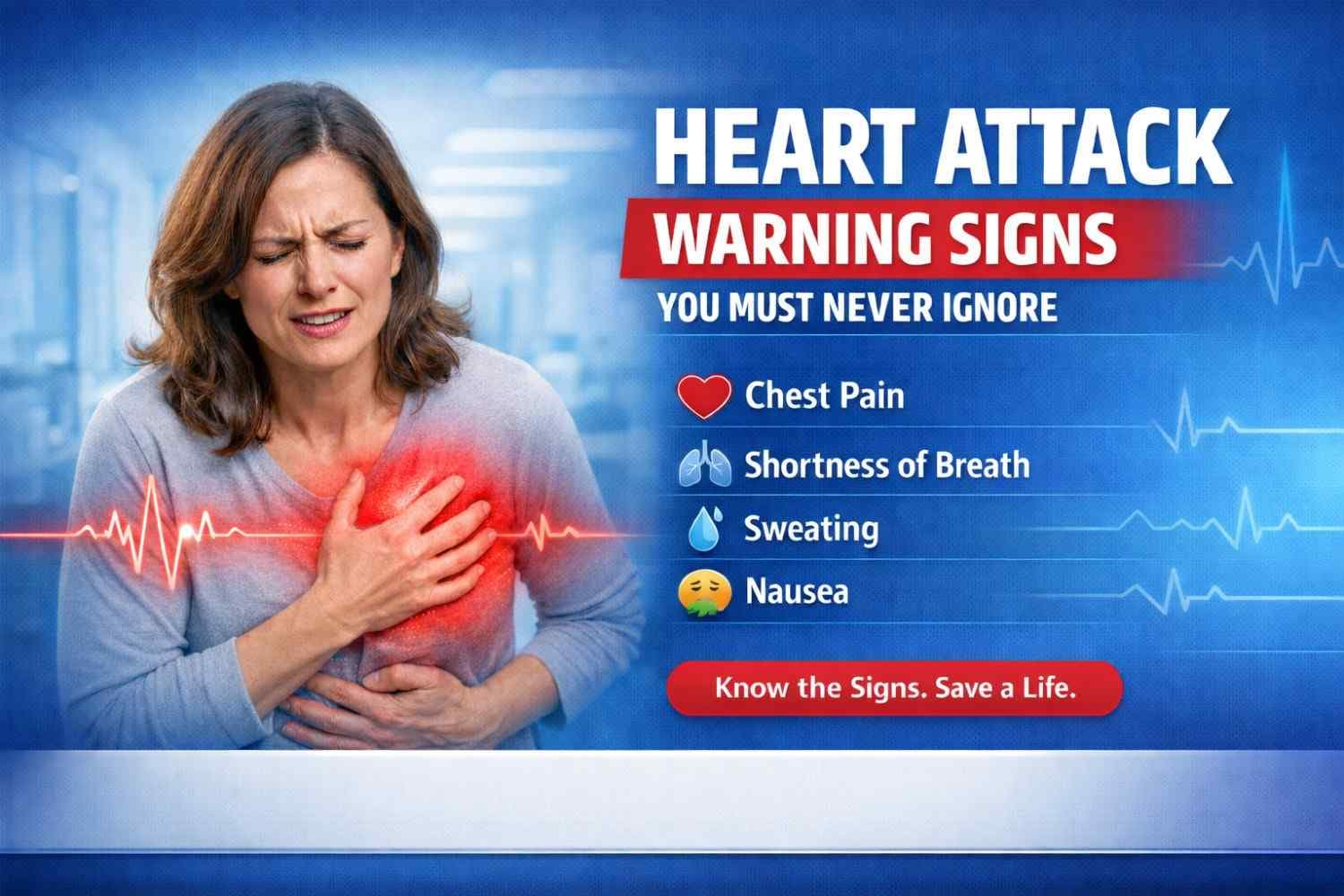
Heart Attack Warning Signs You Must Never Ignore
Recognizing heart attack symptoms early can save your life. Learn the critical warning signs from Dr. Amit Kumar Singh, Senior Interventional Cardiologist at Jigyasa Hospital, Moradabad. Call 7900903333.
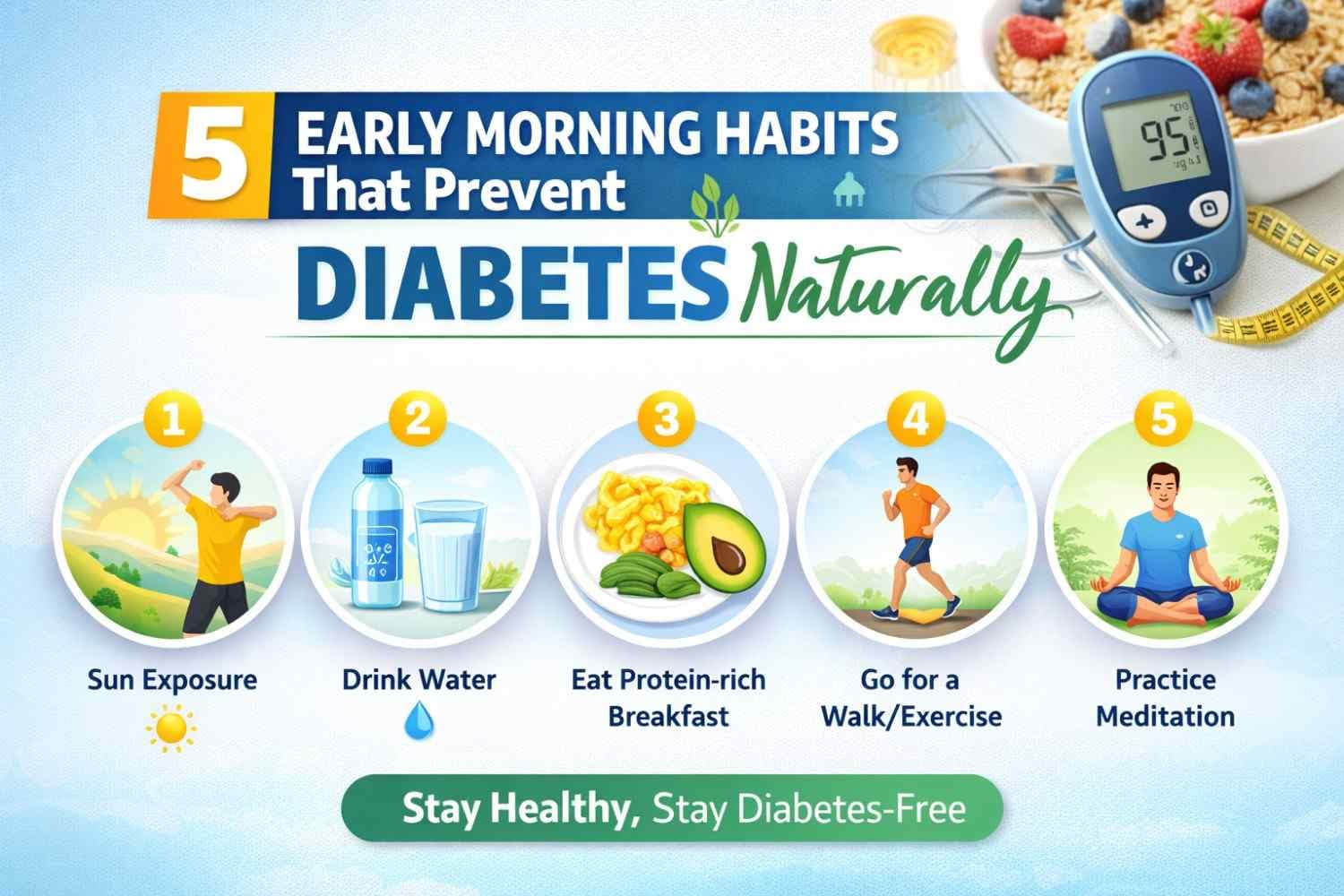
5 Early Morning Habits That Prevent Diabetes Naturally
Discover 5 powerful morning habits that naturally prevent diabetes. Expert advice from Dr. C.P. Singh, Senior Consultant Physician at Jigyasa Hospital, Moradabad. Call 7900903333.
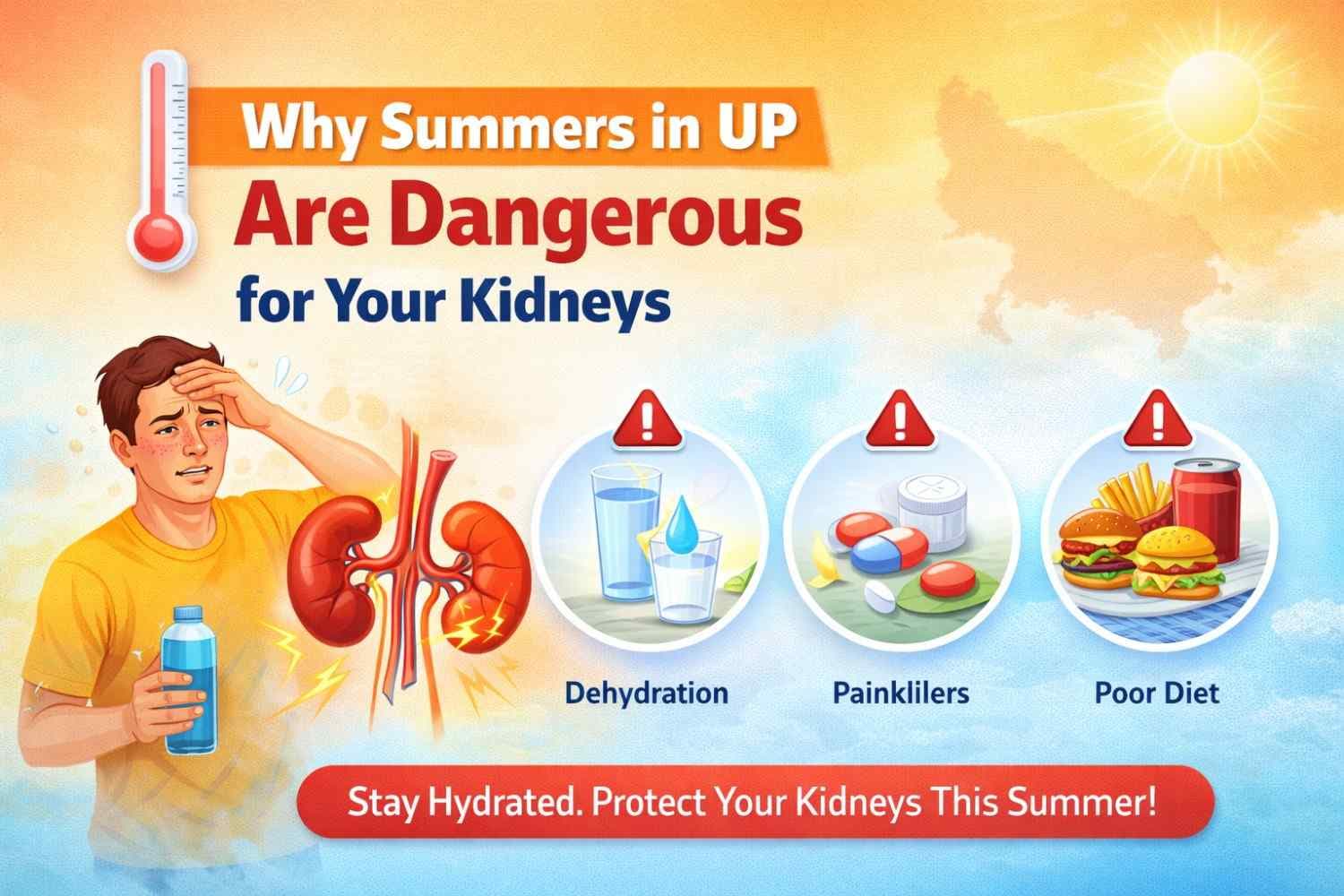
Why Summers in UP Are Dangerous for Your Kidneys
UP summers can silently damage your kidneys. Jigyasa Hospital Moradabad explains the hidden risks, warning signs, and how to protect your kidneys this season. Call 7900903333.