
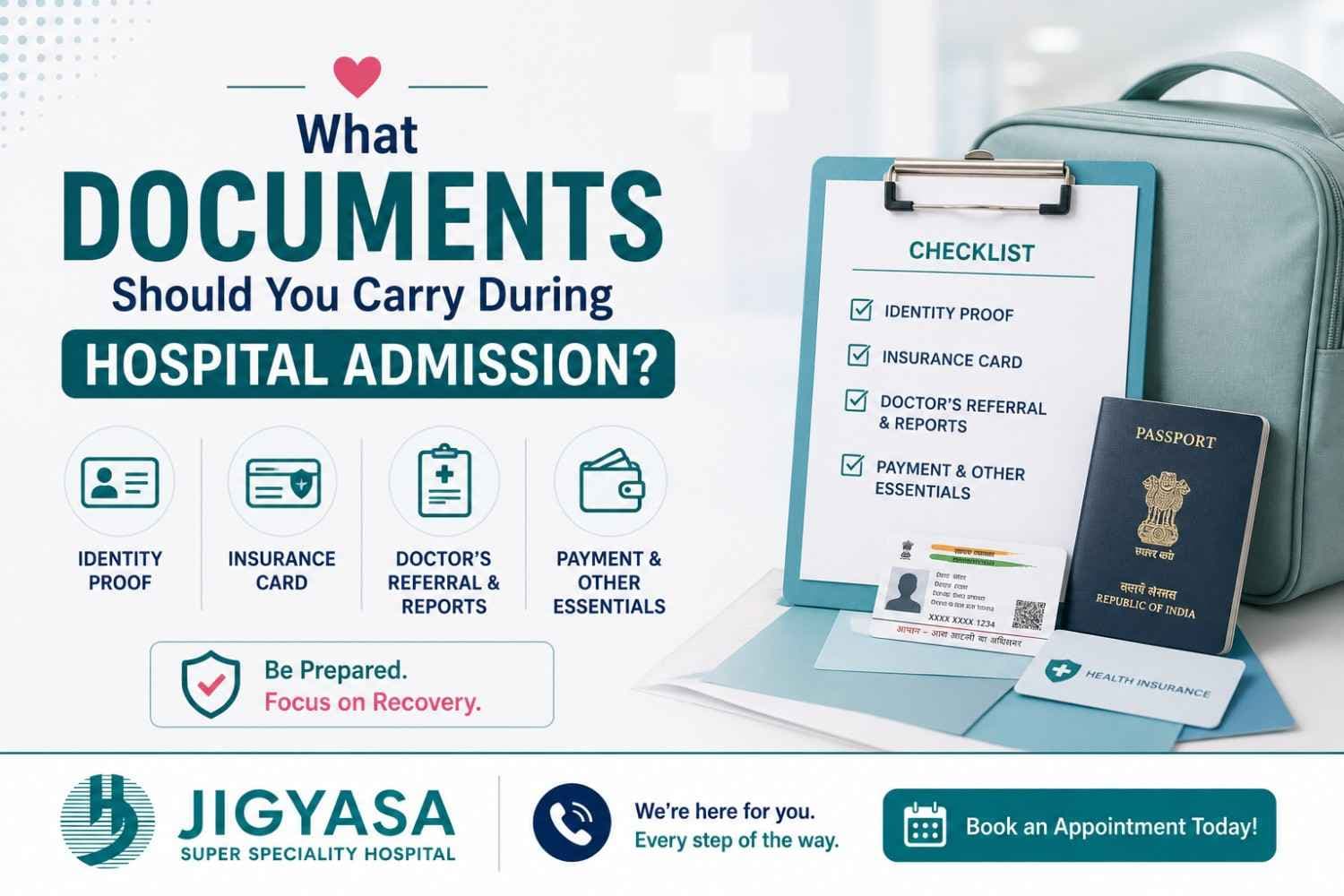
What Documents Should You Carry During Hospital Admission?
Going to the Hospital? Don't Get Caught Unprepared. Jigyasa Hospital Moradabad Shares a Complete, Easy-to-Follow Checklist of Every Document You Need for Planned and Emergency Hospital Admissions in India.
Hospital admission — whether planned or emergency — is stressful enough without arriving to discover you are missing a critical document that delays your treatment or blocks your insurance claim. In India, incomplete documentation at the time of admission is one of the most common and most preventable reasons for cashless insurance claim rejection, delayed discharge, and unnecessary administrative friction. At Jigyasa Hospital, Moradabad, our admissions team assists hundreds of patients every month — and incomplete document preparation is the single most avoidable problem they encounter. This guide gives you a complete, practical checklist — covering planned admissions, emergency admissions, insurance and Ayushman cases, and admissions for elderly patients and children — so you are fully prepared before you arrive.
Part 1: The Core Document Checklist — Every Admission, Every Time
These documents are required regardless of the reason for admission, the type of patient, or the payment method.
Identity Proof (Any One — Original + Photocopy):
- •Aadhaar Card — the most universally accepted identity document across all Indian hospitals and government health schemes
- •Voter ID Card
- •Passport
- •PAN Card (acceptable as identity proof, though Aadhaar is strongly preferred)
- •Driving Licence
Important: The name and date of birth on the identity document must match exactly with the name on any insurance policy, referral letter, or health card being used — even minor spelling differences can cause claim complications.
Address Proof (if different from identity document):
- •Aadhaar card (serves as both identity and address proof)
- •Utility bill (electricity, water, gas) — not older than 3 months
- •Rental agreement or property documents
- •Bank passbook with address
Passport-Sized Photographs: Most hospitals require 2–4 recent passport-sized photographs of the patient for admission forms, hospital ID cards, and insurance pre-authorisation documentation. Carry at least 4 — extras are never a problem.
Previous Medical Records Related to the Current Condition:
- •Past OPD prescription slips and consultation notes from any hospital or clinic
- •Previous diagnostic reports: blood tests, X-rays, CT scans, MRI reports, ECG printouts, biopsy reports
- •Previous discharge summaries from any prior hospitalisation for the same or related condition
Your treating doctor needs a complete medical history to make safe clinical decisions — especially regarding medications, allergies, prior surgeries, and underlying conditions. Missing records can lead to repeated tests, delays in diagnosis, and medication errors.
Current Medication List: A written list (or the physical strips/bottles) of every medicine the patient is currently taking — including doses and frequency. Include over-the-counter medications, supplements, and ayurvedic/homeopathic preparations — these can interact with hospital medications. If the patient has a known drug allergy, ensure this is clearly communicated verbally to the admitting nurse and written on the admission form.
Doctor's Referral or Admission Letter (for Planned Admissions): If you are being admitted on the recommendation of an outpatient doctor or specialist, carry their written referral or admission advice letter. This helps the admitting team understand the clinical reason for admission, the planned procedure, and any pre-admission instructions already given.
Part 2: Insurance and Cashless Admission Documents
If you intend to use health insurance for your hospitalisation — whether private insurance, employer group cover, or a government scheme — the following are non-negotiable:
- •Original Health Insurance Policy Document or e-Policy: Carry a printed copy or have a digital copy accessible on your phone. Note your policy number, TPA (Third Party Administrator) name, and their helpline number — you may need to call them for pre-authorisation.
- •Health Insurance Card (TPA Card): Most insurance companies issue a physical or digital insurance card through their TPA. This card contains your policy number, member ID, sum insured, and the TPA contact details needed to initiate cashless authorisation.
- •Pre-Authorisation Letter (if already obtained): For planned procedures (elective surgery, scheduled delivery, known hospitalisation), always apply for pre-authorisation from your insurer 48–72 hours before admission. Carry the pre-authorisation approval letter to the hospital on the day of admission. Without prior authorisation, even valid cashless claims can be delayed or converted to reimbursement — meaning you pay first and claim later.
- •Previous Claim History (if applicable): If you have made claims under this policy before, carry documentation of prior approved claims — particularly useful if the current admission is for a related condition.
- •Group Insurance Letter or HR Authorisation (for Corporate Employees): If you are covered under an employer-provided group health policy, carry a letter from your HR department confirming active coverage, the policy provider, and the employee ID linked to the policy.
Part 3: Ayushman Bharat (PM-JAY) and Government Scheme Documents
Jigyasa Hospital, Moradabad is empanelled under Ayushman Bharat PM-JAY — and we assist eligible patients with the entire claim process. To use this benefit, you need:
- •Ayushman Bharat Card (PM-JAY Golden Card): The physical or digital Ayushman card in the patient's name — the single most important document for PM-JAY cashless treatment. If the patient does not have a card yet, an Aadhaar card is sufficient to verify eligibility at the hospital's Ayushman desk — our team will check eligibility on the PM-JAY portal.
- •Ration Card (BPL/APL) — if no Ayushman Card: The Ayushman beneficiary list is based on SECC-2011 data and PM-JAY enrolment. If your name is on the list but you lack a card, the ration card can help establish identity within the household.
- •CGHS Card (for Central Government Employees and Pensioners): Central Government employees and pensioners covered under CGHS must carry their CGHS card and the referral letter from their CGHS wellness centre for planned admissions.
- •State Government Health Scheme Cards: UP-specific schemes such as Mukhyamantri Jan Arogya Yojana require the corresponding beneficiary card — carry both the scheme card and Aadhaar.
Part 4: Documents for Children's Admission
When admitting a child (below 18 years), carry the following in addition to the core checklist:
- •Child's birth certificate — serves as age proof
- •Parent or guardian's Aadhaar Card — as the primary identity document for the accompanying adult
- •Vaccination (immunisation) card — especially important for paediatric admissions, as it provides the doctor with the child's complete immunisation history
- •School ID card (if available) — useful as a secondary identity document for older children
- •Consent form: In most hospitals, a parent or legal guardian must sign medical consent for procedures on minors. Ensure the guardian signing is the one present at admission.
Part 5: Documents for Elderly Patient Admission
For patients above 60 or those who are unable to communicate independently:
- •Senior Citizen ID card (if issued) — may qualify the patient for priority services and senior citizen health scheme benefits
- •Caregiver's identity proof — the accompanying family member or caregiver should carry their own Aadhaar or identity document
- •Power of Attorney or Legal Guardian documentation — if the patient is unable to provide informed consent due to incapacitation
- •A written list of the patient's known diagnoses — hypertension, diabetes, heart disease, dementia, etc. — along with the name and contact of their regular doctor
Part 6: Emergency Admission — Minimum Documents You Need
In a genuine emergency, no hospital in India can refuse treatment pending documents — stabilisation and life-saving treatment always comes first. However, to avoid delays in insurance processing and administrative clearance after the emergency, ensure a family member brings the following as soon as possible:
- •Aadhaar Card of the patient (or any identity proof)
- •Insurance card or policy details — even a screenshot on a phone is a valid starting point
- •Ayushman Card if applicable
- •List of current medications — critical for emergency clinical decisions
- •Emergency contact details — name and phone number of a family member or next of kin
Part 7: Personal Essentials to Pack for Hospital Stay
Beyond documents, a prepared hospital bag makes the stay significantly more comfortable:
- •Comfortable clothing: 2–3 sets of loose cotton clothing, underwear, and non-slip footwear (slippers)
- •Personal hygiene items: Toothbrush, toothpaste, soap, shampoo, comb, and sanitary pads if required
- •Phone charger and power bank — staying connected is essential for communication with family
- •Snacks for attendant — if a family member will be staying overnight, light non-perishable snacks
- •Notebook and pen — to note down doctor instructions, medicine names, and discharge advice
- •Cash — for incidental expenses, food, pharmacy items, and transportation after discharge (even with insurance, some out-of-pocket costs are common)
Smooth Admission, Stress-Free Stay at Jigyasa Hospital
- •Our dedicated admissions and patient services desk operates 7 days a week to guide you through every step of the admission process — from document verification to insurance pre-authorisation.
- •We are empanelled with Ayushman Bharat PM-JAY, CGHS, and all major private insurance companies — ensuring cashless treatment for eligible patients with minimal paperwork friction.
- •Our insurance desk team proactively coordinates with your TPA from the moment of admission — so claim complications are identified and resolved early, not at discharge.
- •For planned admissions, we recommend calling us 24–48 hours in advance to confirm your document requirements and begin pre-authorisation — saving valuable time on the day.
Admissions and Patient Services: 7900903333
Address: Near Miglani Cinema, Rampur Road, Moradabad – 244001
Plan Your Visit: jigyasahospital.com
Cashless Admission | Ayushman Bharat PM-JAY | CGHS Empanelled | Insurance Pre-Authorisation | 7-Day Patient Services Desk
Key Takeaways
- •Every hospital admission — planned or emergency — goes more smoothly with a complete set of documents prepared in advance.
- •The core essentials are: Aadhaar Card, insurance card, previous medical records, current medication list, and passport-size photographs.
- •For Ayushman Bharat beneficiaries, the PM-JAY Golden Card and Aadhaar is sufficient to initiate cashless treatment at Jigyasa Hospital.
- •For insurance cashless claims, always obtain pre-authorisation 48–72 hours before a planned admission.
- •In emergencies, focus on getting to the hospital — documents can follow. No hospital can deny emergency treatment.
- •Jigyasa Hospital's patient services team is available seven days a week to help you prepare, verify, and process your admission without unnecessary stress.
Frequently Asked Questions
Is Aadhaar card mandatory for hospital admission in India?
Aadhaar is not legally mandatory for admission at a private hospital, but it is the most widely accepted and recommended identity document — especially for Ayushman Bharat, CGHS, and most private insurance cashless claims. Always carry it.
What if I arrive in an emergency without any documents?
No hospital can legally withhold emergency treatment due to missing documents. Treatment begins immediately. Documents can be arranged by a family member after the patient is stabilised. Inform hospital staff as soon as possible so they can assist with insurance coordination in parallel.
How early should I apply for cashless pre-authorisation for a planned surgery?
Apply 48–72 hours before the planned admission date. Some insurers take up to 24 hours to respond — earlier submission avoids last-minute delays. Our insurance desk can help you initiate this process.
What if the patient's name on the Aadhaar doesn't match the insurance card?
Even minor name discrepancies (spelling variations, initials vs full name) can cause insurance delays. Carry both documents and inform the hospital's insurance desk immediately — they are experienced in handling this with insurers.
Do I need to carry original documents or are photocopies sufficient?
Always carry originals plus at least two sets of photocopies. Most hospitals retain photocopies and return originals — but some government scheme verifications require sight of originals. Originals should never be handed over permanently — only shown for verification.
What documents are needed for a newborn's admission?
For a newborn admitted directly after delivery, the mother's identity proof and hospital discharge papers serve as the primary documentation. A birth certificate is issued by the hospital within 24–48 hours and should be collected before discharge — it will be required for the child's future identity documents and insurance enrolment.
Related Articles
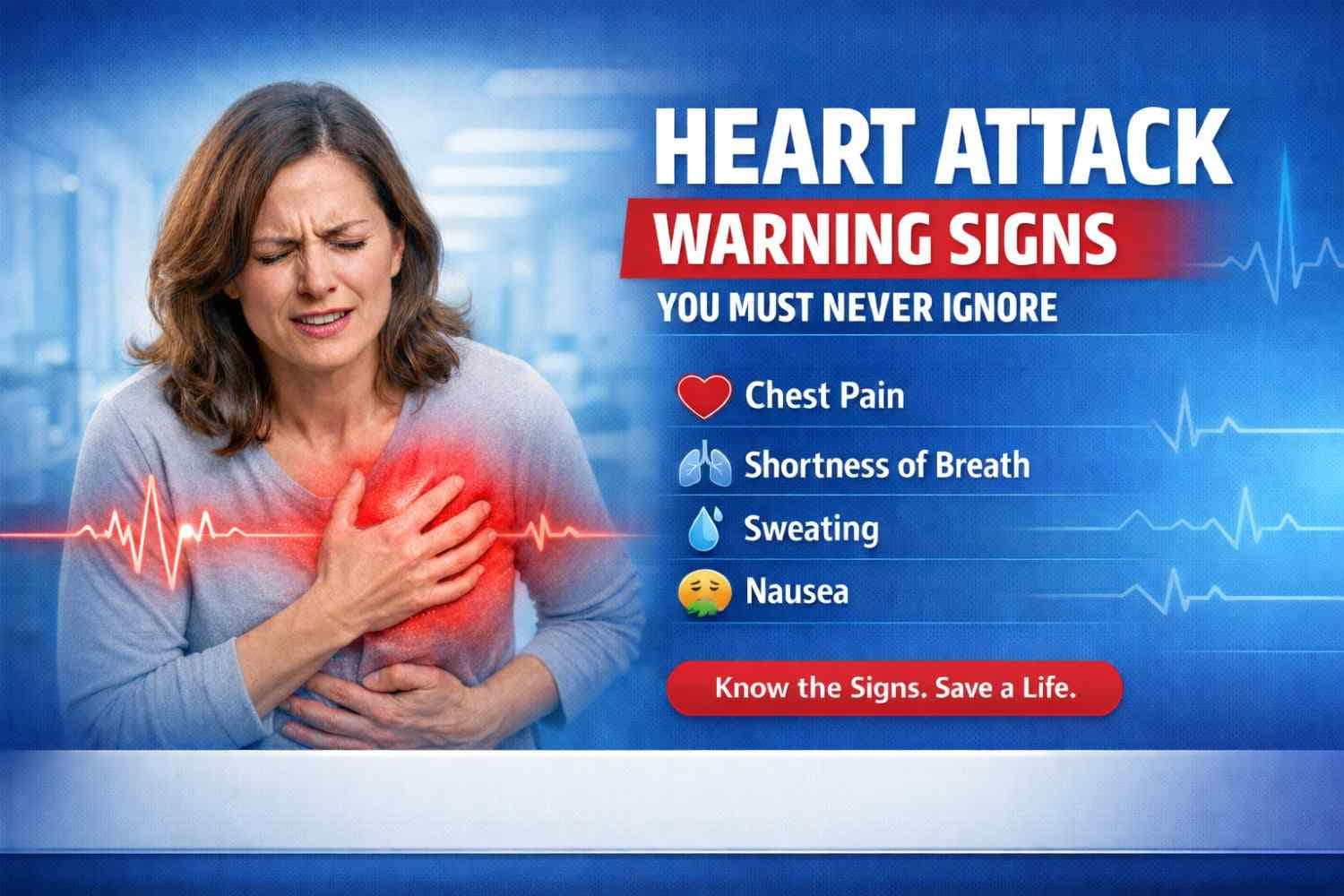
Heart Attack Warning Signs You Must Never Ignore
Recognizing heart attack symptoms early can save your life. Learn the critical warning signs from Dr. Amit Kumar Singh, Senior Interventional Cardiologist at Jigyasa Hospital, Moradabad. Call 7900903333.

5 Early Morning Habits That Prevent Diabetes Naturally
Discover 5 powerful morning habits that naturally prevent diabetes. Expert advice from Dr. C.P. Singh, Senior Consultant Physician at Jigyasa Hospital, Moradabad. Call 7900903333.
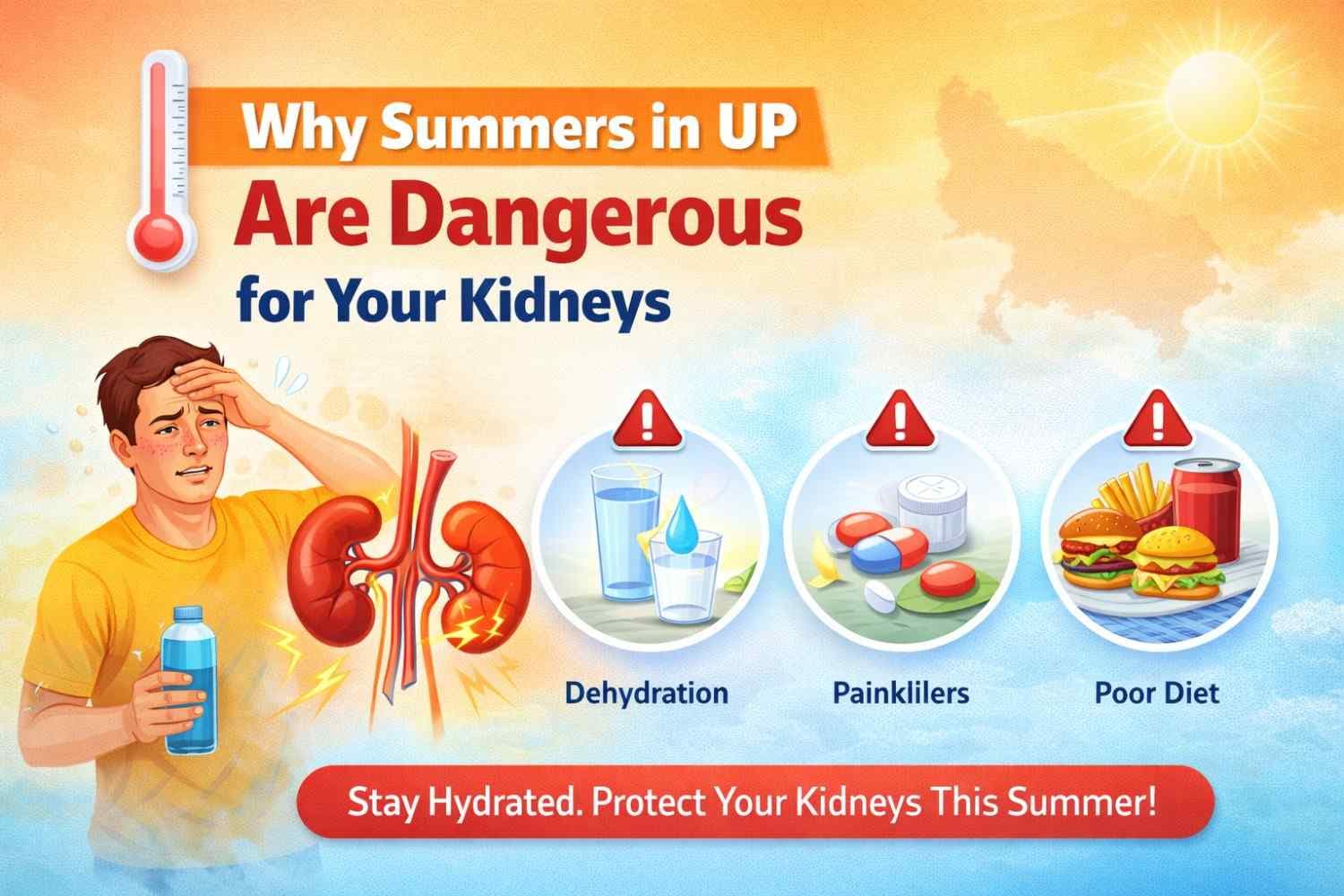
Why Summers in UP Are Dangerous for Your Kidneys
UP summers can silently damage your kidneys. Jigyasa Hospital Moradabad explains the hidden risks, warning signs, and how to protect your kidneys this season. Call 7900903333.