
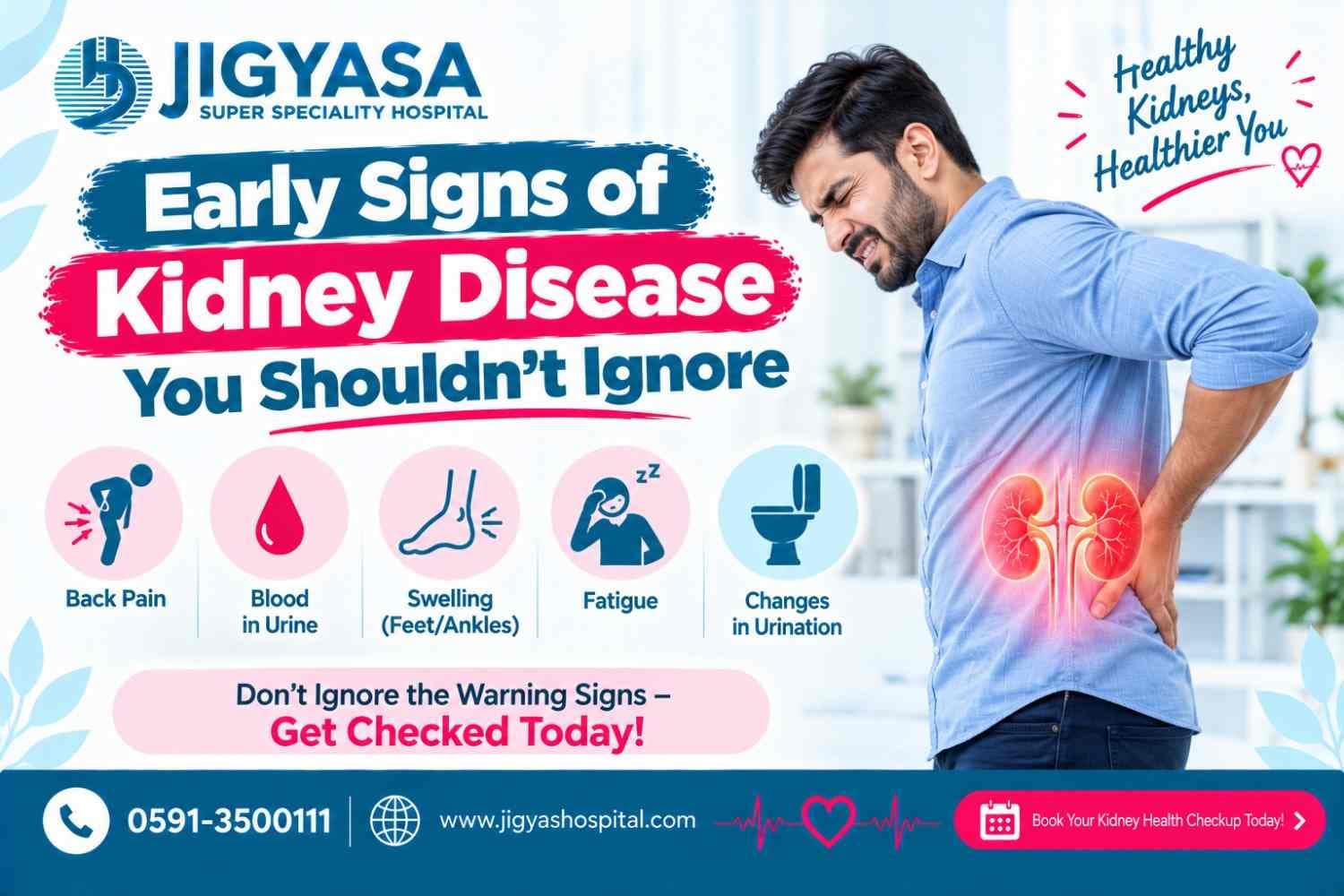
Early Signs of Kidney Disease You Shouldn't Ignore
Kidney disease is often silent until late. Learn the early warning signs, who is at risk, and which tests catch it early, with guidance from Dr. C.P. Singh, Jigyasa Hospital, Moradabad.
Kidneys rarely complain until a lot of damage is done. A person can lose a large part of kidney function and still feel almost normal, which is why chronic kidney disease (CKD) is often called a silent disease. By the time swelling, breathlessness, or severe weakness appear, the condition may be advanced. The good news is that when kidney disease is found early, its progress can often be slowed significantly. At Jigyasa Hospital, Moradabad, Dr. C.P. Singh, Founder and Chairman, emphasises that noticing small changes and getting simple tests done on time is the best protection for your kidneys.
What Do the Kidneys Do?
The two kidneys, each about the size of a fist, quietly perform several jobs:
- •Filter waste and excess fluid from the blood and make urine
- •Balance salts and minerals such as sodium, potassium, and calcium
- •Help control blood pressure
- •Produce a hormone that supports red blood cell production
- •Activate vitamin D for healthy bones
When kidney function falls, these tasks suffer, and the body gradually shows signs.
Early Signs You Shouldn't Ignore
None of these signs proves kidney disease. Each has other possible causes. But together or persistent, they deserve a check.
1. Changes in Urination
- •Passing urine more often than usual, especially at night
- •Passing much less urine than usual
- •Difficulty or pain while urinating
- •Pressure or a feeling of incomplete emptying
2. Foamy or Bubbly Urine
Persistent foam that does not clear quickly can indicate protein leaking into the urine, an early marker of kidney damage.
3. Blood in the Urine
Pink, red, or cola-coloured urine always needs evaluation, even if it happens once.
4. Swelling (Edema)
Puffiness around the eyes in the morning, or swelling of the feet, ankles, or legs by evening. When kidneys cannot remove extra fluid, it collects in the tissues.
5. Persistent Tiredness and Weakness
Waste buildup and reduced red blood cell production can leave you drained, even after rest.
6. Loss of Appetite, Nausea, or Vomiting
As waste products accumulate, food may taste metallic, and nausea can appear, especially in the morning.
7. Itchy, Dry Skin
Mineral and waste imbalance can cause persistent itching that moisturisers do not fix.
8. Shortness of Breath
Extra fluid can collect in the lungs, and anemia can add to breathlessness.
9. Muscle Cramps and Twitching
Imbalances in minerals such as calcium and potassium can cause cramps, particularly in the legs.
10. Trouble Concentrating or Sleeping
Waste buildup and anemia can affect focus, and some people develop restless legs or sleep problems.
11. New or Worsening High Blood Pressure
Kidney disease can raise blood pressure, and high blood pressure can in turn damage the kidneys, creating a harmful cycle. Blood pressure that is hard to control, especially in younger people, needs a look at the kidneys.
12. Pain in the Back or Sides
Kidney disease itself is often painless, but pain in the flank can point to stones, infection, or other kidney problems that need evaluation.
Who Is at Higher Risk?
You should be especially alert, and tested regularly, if you have:
- •Diabetes, the leading cause of kidney damage
- •High blood pressure
- •Heart disease
- •A family history of kidney disease
- •Obesity
- •Frequent kidney stones or urinary infections
- •Long-term use of painkillers such as ibuprofen, diclofenac, or other NSAIDs
- •Smoking
- •Age above 60
- •History of low birth weight, kidney problems in childhood, or one kidney
- •Use of certain herbal or unregulated "kidney" or "detox" products, some of which can be harmful
Why Early Detection Matters
Damage to kidney tissue is usually permanent. Early detection allows:
- •Treatment of the cause, such as controlling sugar and blood pressure
- •Medicines that protect the kidneys and slow decline
- •Avoiding substances that harm the kidneys
- •More time to plan, rather than facing sudden severe illness
Late diagnosis can lead to kidney failure, where dialysis or transplant may become necessary. Many people can avoid or delay that stage with early care.
Tests That Catch Kidney Disease Early
Kidney problems are usually found through simple tests, even when there are no symptoms.
- •Blood pressure measurement
- •Serum creatinine and eGFR: A blood test and calculation that estimate how well the kidneys filter
- •Urine test for protein (urine albumin-creatinine ratio): Detects protein leakage, often the earliest sign
- •Routine urine examination: Looks for blood, protein, sugar, and infection
- •Blood urea and electrolytes
- •Blood sugar and HbA1c, to check for diabetes
- •Hemoglobin, since anemia is common in kidney disease
- •Ultrasound of the kidneys and urinary tract, to look at size, structure, stones, or blockage
If an abnormality is found, it is usually repeated after some weeks to confirm whether it is persistent, since chronic kidney disease is defined by changes lasting about three months or longer.
How Often Should You Be Tested?
- •At least once a year if you have diabetes, high blood pressure, heart disease, or a family history
- •Regular screening is sensible for people over 40 or 50 even without risk factors, as part of yearly checkups
- •Promptly, if you notice symptoms, or take painkillers regularly
How Kidney Concerns Are Evaluated at Jigyasa Hospital
At Jigyasa Hospital, Dr. C.P. Singh's approach typically includes:
1. Detailed History
Symptoms, urine changes, diabetes, blood pressure, medicines, painkiller and herbal product use, and family history.
2. Examination
Blood pressure, swelling, signs of anemia, and general assessment.
3. Basic Tests in Our NABL-Accredited Lab
Kidney function tests, urine examination, blood sugar, and hemoglobin, with imaging such as ultrasound when needed.
4. Treating the Cause and Protecting the Kidneys
Controlling diabetes and blood pressure, reviewing medicines, and advising on diet and fluids.
5. Referral When Needed
If tests suggest significant or complex kidney disease, patients are guided to appropriate specialised kidney care for further evaluation.
Protecting Your Kidneys: Practical Steps
- •Control blood sugar and blood pressure. These two steps do the most
- •Take medicines as prescribed, and keep regular check-ups
- •Avoid long-term or frequent painkillers without medical advice
- •Drink enough water, as advised for your health, rather than excess or too little
- •Eat a balanced diet with less salt, fewer processed foods, and moderate protein
- •Maintain a healthy weight and stay physically active
- •Quit smoking and limit alcohol
- •Treat urinary infections and stones promptly
- •Avoid unregulated herbal, "detox," or bodybuilding supplements, which can harm the kidneys
- •Tell every doctor if you have kidney problems before taking new medicines or contrast dyes for scans
When to Seek Urgent Care
Get medical help quickly if you have:
- •Very little or no urine for many hours
- •Severe swelling or sudden weight gain
- •Breathlessness, chest pain, or confusion
- •Blood in the urine with severe pain
- •Persistent vomiting with weakness or drowsiness
- •Fever with back pain and burning urine
- •Palpitations or severe muscle weakness
Our 24/7 emergency care at Jigyasa Hospital is available at any hour.
Kidney Care at Jigyasa Hospital, Moradabad
- •Comprehensive kidney function evaluation with NABL-accredited lab
- •Early CKD screening for diabetes, hypertension, and high-risk patients
- •Ultrasound and urine protein testing for early detection
- •Specialist referral and 24/7 emergency care for urgent kidney problems
Book an Appointment: 7900903333
Address: Near Miglani Cinema, Rampur Road, Moradabad – 244001
Online Appointments: jigyasahospital.com
Kidney Care | CKD Screening | NABL Lab | Nephrology Referral | Ayushman Bharat Accepted
Key Takeaways
- •Kidney disease is silent — you can lose significant function and feel normal; by the time swelling/breathlessness appear, it may be advanced.
- •Early warning signs: changes in urination (frequency, especially at night), foamy urine (protein leak), blood in urine, morning eye puffiness/foot swelling, persistent fatigue, metallic taste/nausea.
- •Highest risk: diabetes (leading cause), high BP, heart disease, family history, obesity, frequent stones/UTIs, long-term NSAID painkiller use, age 60+.
- •Simple tests catch it early: BP, creatinine/eGFR, urine albumin-creatinine ratio, routine urine exam, HbA1c, hemoglobin, ultrasound. Repeat abnormal results after weeks to confirm CKD (3+ months).
- •Protect kidneys: control sugar and BP (the two biggest steps), avoid frequent NSAIDs and unregulated herbal/detox products, stay hydrated, quit smoking. Early detection can slow or prevent dialysis.
Frequently Asked Questions
Can I have kidney disease and feel completely fine?
Yes. Early kidney disease often causes no symptoms, which is why testing matters, especially with diabetes, high blood pressure, or a family history.
Does foamy urine always mean kidney disease?
Not always. Occasional foam can be harmless, caused by fast urination or concentrated urine. Persistent foam should be checked with a urine protein test.
Can kidney damage be reversed?
Some sudden kidney injuries can recover if the cause is treated quickly. Chronic damage is generally not reversible, but its progression can often be slowed with proper care.
Are painkillers really harmful to the kidneys?
Regular or high-dose use of some painkillers, especially NSAIDs, can damage the kidneys, particularly in people who are older, dehydrated, or have existing kidney problems. Use them only as advised.
How much water should I drink to protect my kidneys?
Enough to keep your urine pale yellow, for most people. Needs vary with climate, activity, and health conditions, and some people with heart or kidney disease need fluid limits, so follow your doctor's advice.
Related Articles

Heart Attack Warning Signs You Must Never Ignore
Recognizing heart attack symptoms early can save your life. Learn the critical warning signs from Dr. Amit Kumar Singh, Senior Interventional Cardiologist at Jigyasa Hospital, Moradabad. Call 7900903333.
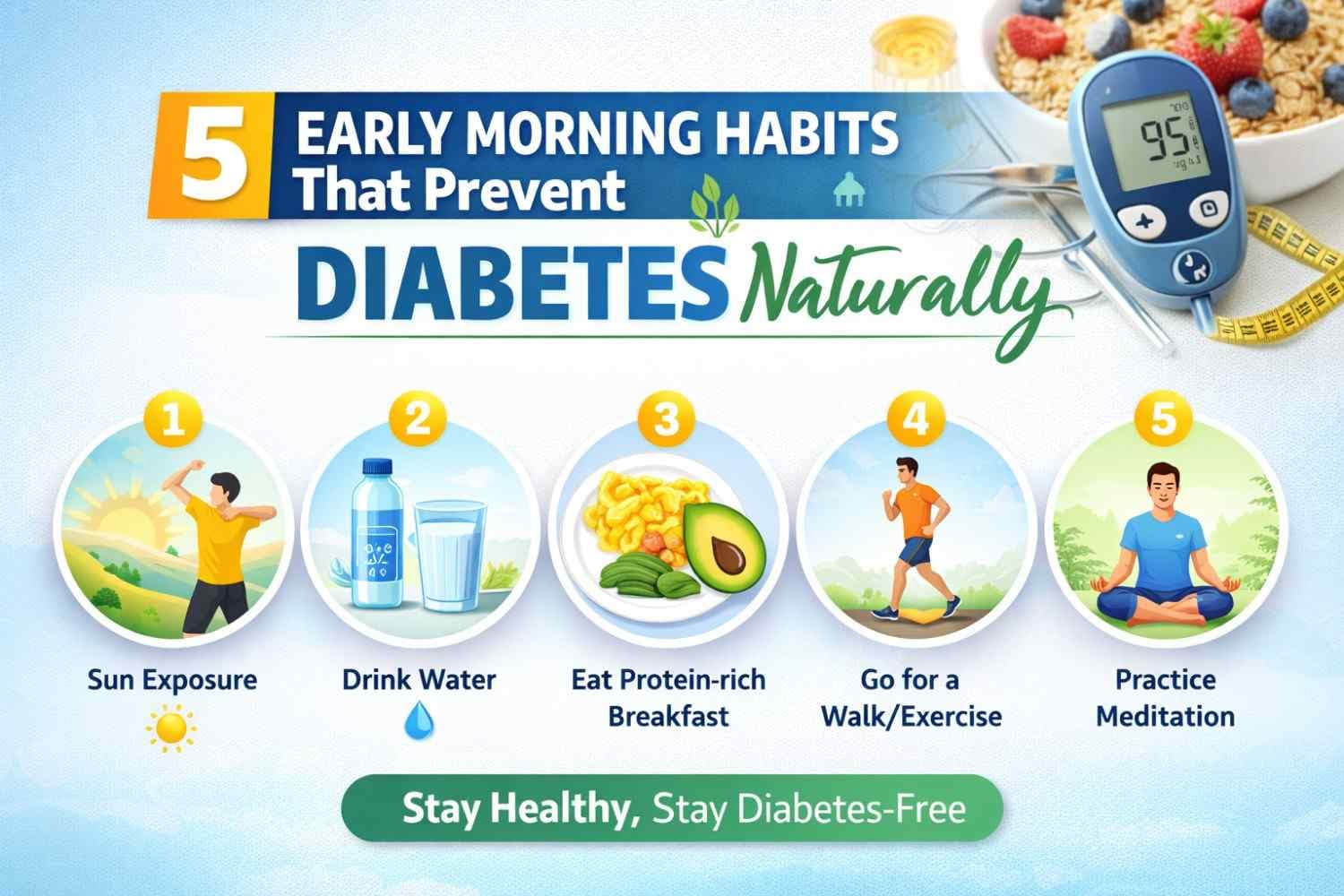
5 Early Morning Habits That Prevent Diabetes Naturally
Discover 5 powerful morning habits that naturally prevent diabetes. Expert advice from Dr. C.P. Singh, Senior Consultant Physician at Jigyasa Hospital, Moradabad. Call 7900903333.
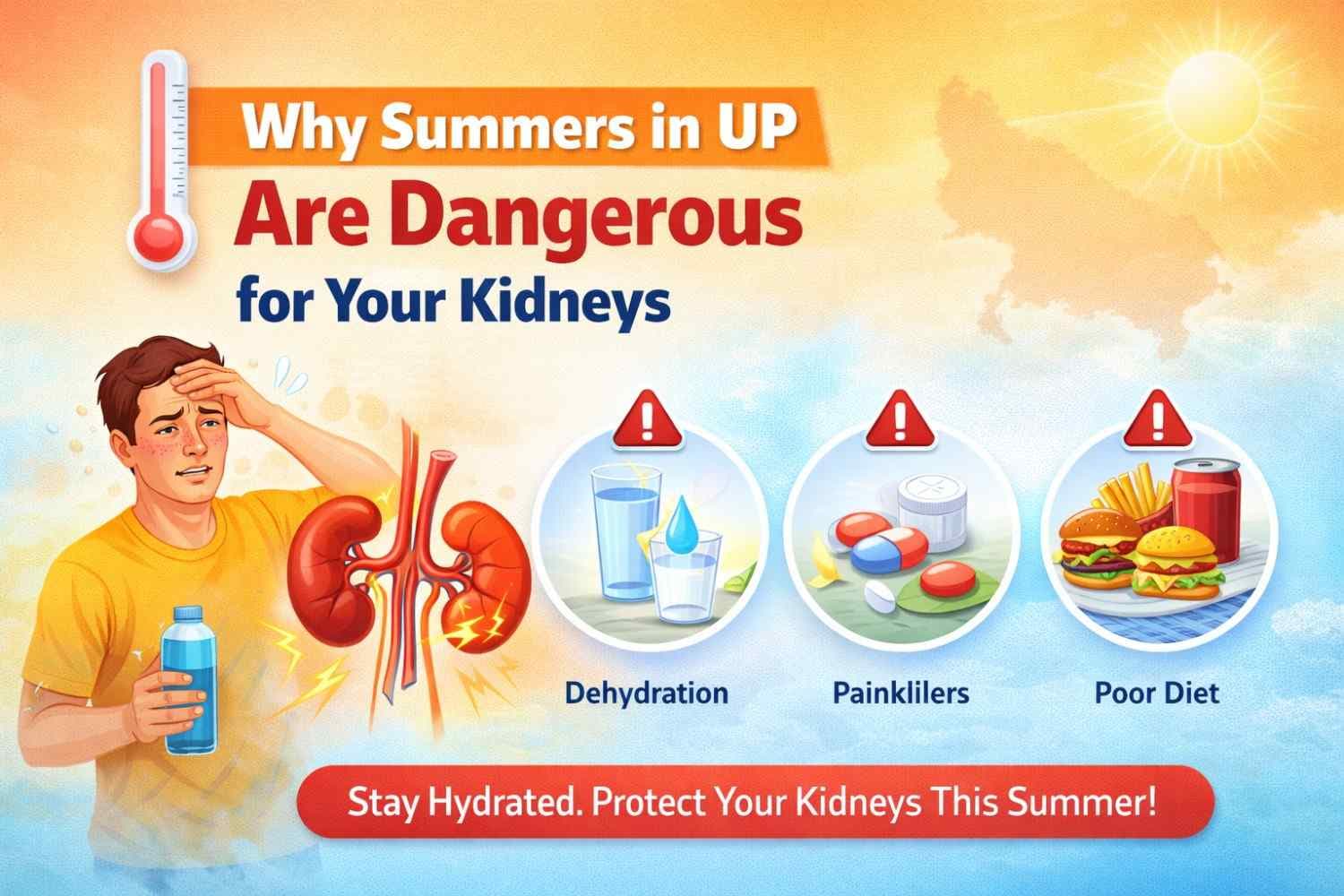
Why Summers in UP Are Dangerous for Your Kidneys
UP summers can silently damage your kidneys. Jigyasa Hospital Moradabad explains the hidden risks, warning signs, and how to protect your kidneys this season. Call 7900903333.